
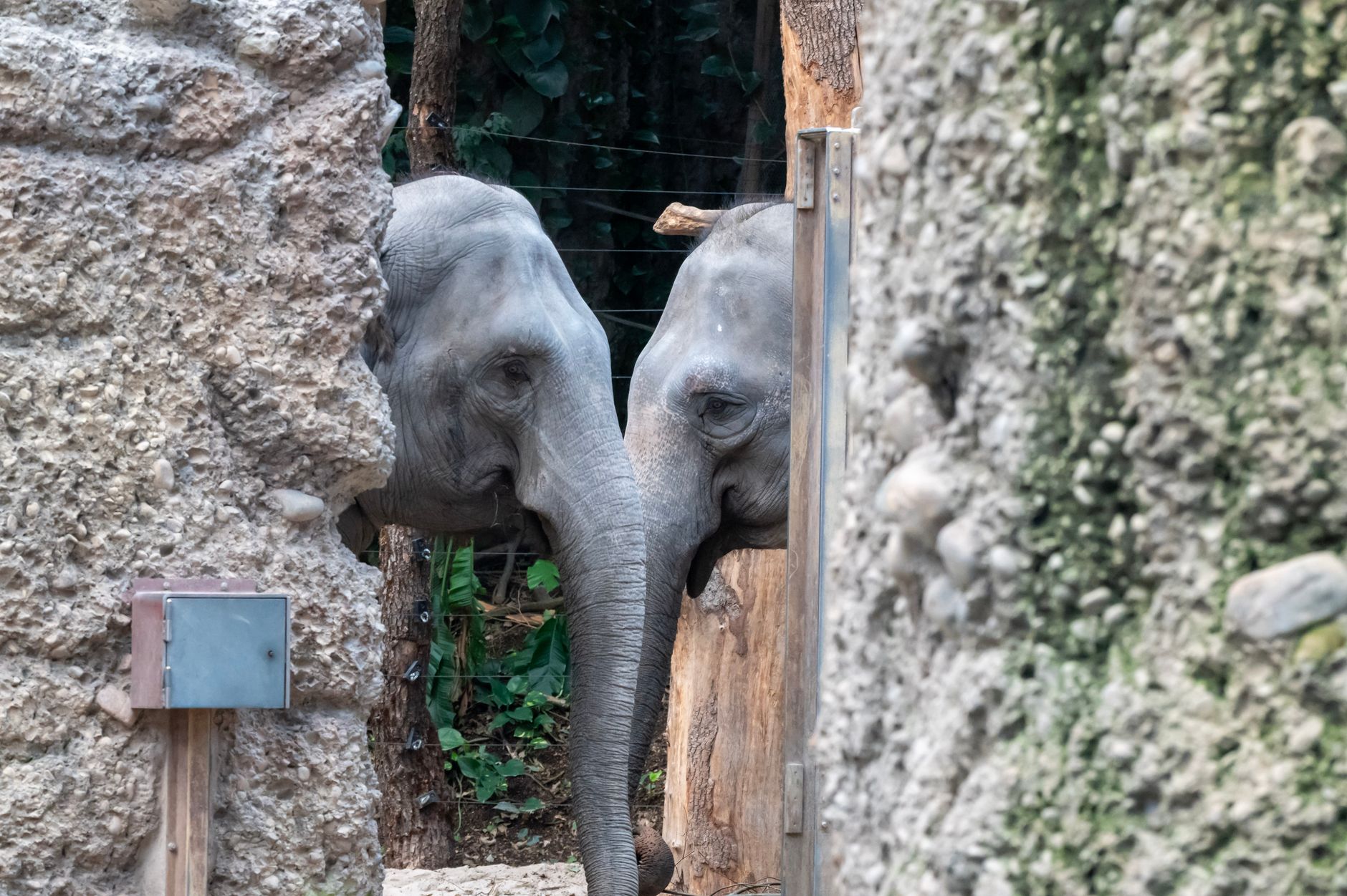
Are Elephant Twins Rare? The Astonishing World of Proboscidean Multiples
Yes, elephant twins are exceptionally rare, a phenomenon estimated to occur in only about 1% of elephant births. This makes them a subject of immense scientific interest and concern, given the significant challenges they pose to the mother and the survival of both calves.

Introduction: Unveiling a Rare Occurrence
The vast landscapes of Africa and Asia are synonymous with elephants, majestic creatures that play a vital role in their ecosystems. While the birth of a single elephant calf is always cause for celebration, the occurrence of twin elephants is an extraordinary event, one that captures the attention of conservationists and researchers alike. The question “Are elephant twins rare?” is answered unequivocally with a resounding yes.

What colours are fish most attracted to?
Can you put your finger in a trout's mouth?
Is methylene blue anti bacterial?
Does aquarium salt raise pH in aquarium?
The Biological Underpinnings of Elephant Reproduction

Understanding the rarity of elephant twins requires delving into their unique reproductive biology. Elephants have one of the longest gestation periods of any mammal, lasting approximately 22 months. Furthermore, they typically give birth to a single calf, maximizing the chances of its survival.
- Long Gestation: The extended gestation period demands significant energy and resources from the mother.
- Single Calf Preference: The elephant uterus is not ideally suited for carrying multiple fetuses to full term.
- Nutritional Demands: Meeting the nutritional needs of even a single calf places a heavy burden on the mother, especially during lactation.
These factors contribute to the rarity of twin births. The physiological strain on the mother and the potential for complications during pregnancy and delivery are significant.
Challenges Faced by Elephant Twins and Their Mothers
The birth of elephant twins presents a host of challenges for both the mother and the calves.
- Increased Maternal Mortality: Carrying and delivering twins can severely compromise the mother’s health, increasing the risk of complications and even death.
- Premature Birth: Twins often result in premature birth, increasing the vulnerability of the calves.
- Underweight Calves: The limited resources available in the womb can lead to underweight calves, making them susceptible to disease and predation.
- Nutritional Deficiencies: The mother may struggle to produce enough milk to adequately nourish two calves.
Documented Cases and Research Efforts
While rare, there have been documented cases of elephant twins, offering valuable insights into the phenomenon. Conservation organizations and researchers meticulously monitor elephant populations, documenting births and tracking the survival rates of calves. These efforts are crucial for understanding the factors that contribute to the success or failure of twin births. Recent documentation from Kenya, Botswana and Sri Lanka have garnered worldwide attention, reinforcing the query: “Are elephant twins rare?” and highlighting their significance in conservation efforts.
The Role of Genetics and Environment
The exact causes of twinning in elephants remain largely unknown. However, both genetic and environmental factors are likely to play a role.
- Genetic Predisposition: There may be a genetic component that predisposes certain elephants to twinning.
- Environmental Stressors: Environmental factors, such as food scarcity or exposure to toxins, could potentially influence reproductive outcomes.
- Assisted Reproduction: Although extremely uncommon, and highly unlikely, instances of in-vitro fertilization could potentially increase the chance of twin births.
Further research is needed to fully understand the complex interplay of factors that contribute to the occurrence of elephant twins.
Conservation Implications and Future Directions
The rarity of elephant twins underscores the importance of conservation efforts to protect elephant populations.
- Habitat Preservation: Preserving elephant habitats is crucial for ensuring their long-term survival.
- Anti-Poaching Measures: Protecting elephants from poaching is essential for maintaining healthy populations.
- Monitoring and Research: Continued monitoring and research are needed to better understand the factors that influence elephant reproduction and calf survival.
Understanding the biological challenges and conservation implications surrounding elephant twins is paramount for safeguarding these magnificent creatures. The question of “Are elephant twins rare?” is not just an academic inquiry but a call to action.
Table: Comparative Gestation Periods
| Animal | Gestation Period (Approximate) |
|---|---|
| Elephant | 22 Months |
| Human | 9 Months |
| Horse | 11 Months |
| Dog | 2 Months |
Frequently Asked Questions (FAQs)
Are Elephant Twins Rare?
Yes, elephant twins are incredibly rare, with estimations suggesting they occur in only around 1% of all elephant births. This low frequency makes them an anomaly within the elephant population and a focus of considerable scientific curiosity.
What are the main challenges faced by elephant twin calves?
The main challenges include underweight at birth, premature delivery, and increased competition for maternal milk. All these factors contribute to a lower survival rate for elephant twins compared to single calves.
How does twinning affect the mother elephant?
Twinning significantly increases the physiological burden on the mother elephant, leading to higher risks of complications during pregnancy and delivery, including exhaustion, nutritional deficiencies, and even death.
Have there been successful cases of elephant twins surviving?
While rare, there have been some documented cases of elephant twins surviving beyond infancy, often with significant support from conservation organizations and dedicated caretakers who ensure adequate nutrition and care.
What is the typical lifespan of an elephant?
Elephants typically live for 60 to 70 years in the wild, depending on factors such as habitat, food availability, and the presence of predators or poachers.
What factors contribute to the long gestation period in elephants?
The long gestation period is attributed to the large size of the elephant brain and the complex development required for a calf to survive independently shortly after birth.
How do elephants usually give birth?
Elephants usually give birth standing up, and the process is often assisted by other female members of the herd, who provide support and protection.
Do male elephants play a role in raising the calves?
Male elephants typically do not play a direct role in raising the calves. The care and protection of young elephants are primarily the responsibility of the females in the herd.
How do conservationists monitor elephant populations?
Conservationists employ a variety of methods, including aerial surveys, ground patrols, GPS tracking, and individual identification, to monitor elephant populations and track their movements and behaviors.
What role do elephants play in their ecosystems?
Elephants are keystone species that play a vital role in shaping their ecosystems by dispersing seeds, creating waterholes, and maintaining grasslands, which benefits many other species.
What is being done to protect elephants from poaching?
Efforts to combat poaching include strengthening anti-poaching patrols, increasing penalties for poachers, raising awareness about the illegal ivory trade, and working with local communities to promote conservation efforts. The persistence of poaching contributes to the endangerment of the species, intensifying the focus on “Are elephant twins rare?” and overall elephant conservation.
Are there any genetic studies being conducted to understand elephant twinning?
Yes, genetic studies are being conducted to explore the potential genetic factors that may contribute to elephant twinning. These studies aim to identify specific genes or genetic mutations that may increase the likelihood of twin births.