

Can You Use Sandpaper to Trim Dog Nails?: A Detailed Guide
No, while sandpaper might seem like a viable option, it’s generally not recommended to effectively and safely trim dog nails. This article explores the reasons why and provides safer, more effective alternatives.
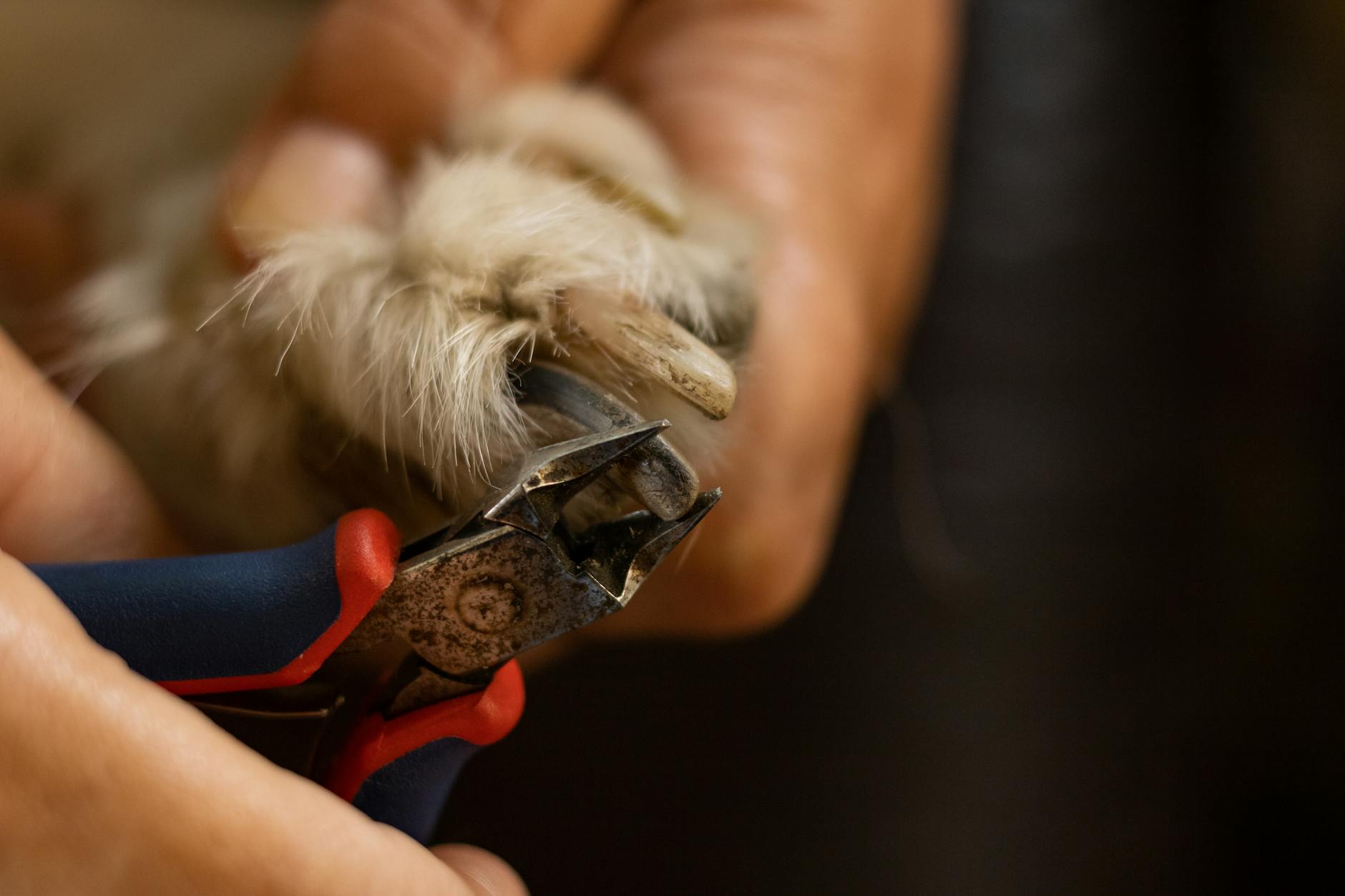
Introduction: The Quest for Painless Pawdicures
Trimming a dog’s nails can be a daunting task for many pet owners. The fear of cutting into the quick (the sensitive part of the nail containing blood vessels and nerves) is a major deterrent. Consequently, the search for less stressful, pain-free methods is always ongoing. This has led some to wonder: Can you use sandpaper to trim dog nails? While the concept of slowly filing down the nail seems less risky than clipping, the reality is more complex.
Why Sandpaper Isn’t Ideal for Dog Nail Trimming

The appeal of sandpaper lies in its perceived gentleness. However, several factors make it a less than ideal choice for dog nail trimming:
- Inefficiency: Sandpaper, even coarse grits, removes nail material very slowly. This makes the process time-consuming and tedious, which can be frustrating for both you and your dog.
- Lack of Precision: Achieving a smooth, even trim with sandpaper is difficult. You’re more likely to create an uneven nail surface, which can be uncomfortable for your dog.
- Potential for Overheating: The friction generated by sanding can heat up the nail, causing discomfort or even burning, especially with prolonged use.
- Dog Tolerance: Most dogs lack the patience required for the lengthy sanding process, making them resist the procedure.
- Unsuitable for Harder Nails: On some dogs, particularly those with very thick or hard nails, sandpaper proves completely ineffective.
Better Alternatives for Dog Nail Trimming
Fortunately, several safer and more effective alternatives exist for trimming dog nails:
- Dog Nail Clippers: The most common method, available in scissor or guillotine styles. Choose a size appropriate for your dog’s nail thickness. Proper technique is crucial to avoid cutting the quick.
- Dog Nail Grinders (Dremels): Electric tools with a sanding drum that gently grinds down the nail. Offer more control than clippers but can be noisy, requiring acclimation.
- Professional Grooming: A groomer has the experience and equipment to safely and efficiently trim your dog’s nails. A great choice for nervous dogs or owners.
A Comparison of Nail Trimming Methods
| Method | Efficiency | Precision | Risk of Injury | Dog Comfort | Cost |
|---|---|---|---|---|---|
| Sandpaper | Low | Low | Low | Low to Med | Very Low |
| Nail Clippers | High | Medium | Medium | Med to High | Low |
| Nail Grinders | Medium | High | Low | Med to Low | Medium |
| Professional Grooming | High | High | Very Low | Medium | High |
Using a Dog Nail Grinder (Dremel) Effectively
If you choose to use a dog nail grinder, here’s how to do it safely and effectively:
- Acclimation: Introduce the grinder to your dog gradually. Let them sniff it, turn it on briefly, and reward them with treats.
- Short Bursts: Grind the nails in short bursts to avoid overheating.
- Proper Angle: Hold the grinder at a 45-degree angle to the nail.
- Avoid the Quick: Stop grinding when you see a small, dark circle appear in the center of the nail (this indicates you’re close to the quick).
- Reward: Reward your dog with praise and treats throughout the process.
Common Mistakes in Dog Nail Trimming
Avoid these common mistakes to ensure a safe and comfortable experience for your dog:
- Cutting the Quick: This is the most common mistake and causes pain and bleeding. Use styptic powder to stop the bleeding if it occurs.
- Trimming Too Much: Trim small amounts at a time to avoid getting too close to the quick.
- Using Dull Clippers: Dull clippers can crush the nail instead of cutting it cleanly, causing pain and discomfort.
- Forcing the Dog: If your dog is resisting, stop and try again later. Forcing the issue will only make them more fearful.
- Ignoring the Dewclaws: Don’t forget to trim the dewclaws (the nails on the inside of the front legs). These nails don’t touch the ground and can grow long and curl into the paw.
Conclusion: Prioritize Safety and Effectiveness
While the idea of using sandpaper to trim dog nails may seem appealing in its gentleness, it is ultimately impractical and potentially uncomfortable for your dog. Choosing a more appropriate tool, like clippers or a grinder, and using proper technique will ensure a safer, more efficient, and less stressful nail trimming experience for both of you. Remember that understanding the anatomy of your dog’s nails and proceeding with caution is always the best approach. Understanding whether or not can you use sandpaper to trim dog nails? is the first step towards better pawdicures.

Frequently Asked Questions (FAQs)
Is it ever okay to use sandpaper on dog nails?
While technically possible, using sandpaper on dog nails is generally not recommended due to its inefficiency and the potential for discomfort. There are far better and safer methods available. Only use it if advised by a veterinarian or professional groomer under specific circumstances.
What grit of sandpaper would you use on dog nails, if any?
If you absolutely had to use sandpaper, a very fine grit (220 or higher) would be the least likely to cause damage. However, even with fine grit, the process is still inefficient, and other methods are strongly preferred.
Are dog nail grinders just fancy sandpaper?
While dog nail grinders use abrasive surfaces similar to sandpaper, they are specifically designed for nail trimming. They offer greater control, precision, and speed, making them a far superior option.
How often should I trim my dog’s nails?
The frequency of nail trimming depends on your dog’s activity level and the type of surfaces they walk on. Generally, every 2-4 weeks is a good guideline. If you can hear their nails clicking on the floor, they’re probably too long.
What is the “quick” in a dog’s nail, and why is it important?
The quick is the living part of the nail containing blood vessels and nerves. Cutting into the quick is painful and causes bleeding. It’s crucial to avoid cutting the quick when trimming your dog’s nails.
What should I do if I accidentally cut the quick?
If you accidentally cut the quick, apply styptic powder immediately. This will help to stop the bleeding. You can also use cornstarch as a substitute if you don’t have styptic powder. Stay calm and reassure your dog.
Can I use human nail clippers on my dog?
Human nail clippers are not designed for the shape and thickness of dog nails. They can crush or split the nail, causing pain and discomfort. Always use clippers specifically designed for dogs.
Is it better to trim or grind dog nails?
Both trimming and grinding are effective methods for nail care. Grinding offers more control and reduces the risk of cutting the quick, but it can be noisy and require acclimation. Clippers are faster but require more precision.
How do I get my dog used to having their nails trimmed?
Start slowly and associate the nail trimming process with positive experiences. Use treats, praise, and gentle handling. Gradually introduce the clippers or grinder, and only trim a few nails at a time.
What are the signs of overgrown dog nails?
Signs of overgrown dog nails include clicking on the floor, nails curling under the paw, and difficulty walking. Overgrown nails can also lead to pain and infection.
Can diet affect the growth rate or hardness of my dog’s nails?
Yes, a balanced diet contributes to healthy nail growth. Deficiencies in certain nutrients can lead to brittle or slow-growing nails. Consult with your veterinarian about your dog’s nutritional needs.
What if I’m too afraid to trim my dog’s nails myself?
If you’re too afraid to trim your dog’s nails yourself, don’t hesitate to seek professional help. A veterinarian or groomer can safely and efficiently trim your dog’s nails.