

Would a Coyote Kill a Human?: Understanding the Risks and Realities
Would a coyote kill a human? The answer is generally no, but while fatal attacks are exceedingly rare, understanding coyote behavior and mitigating potential risks is essential, especially in areas where human and coyote populations overlap.

Coyotes: A Background
Coyotes (Canis latrans) are highly adaptable canids native to North America. Originally inhabiting grasslands and deserts, they’ve successfully expanded their range, thriving in urban and suburban environments. This increased proximity to humans has led to both benefits (coyote role in rodent control) and challenges (perceived threat to pets and, rarely, humans). Understanding their natural history is crucial to understanding the risks.
- Adaptability: Coyotes are opportunistic and can adjust their diet and behavior to survive in diverse environments.
- Social Structure: While sometimes solitary, coyotes often live in family groups or packs, especially during mating and pup-rearing season.
- Diet: Primarily carnivores, coyotes eat small mammals, birds, reptiles, insects, and even fruits and vegetables when available. Scavenging is also common.

What colours are fish most attracted to?
Can you put your finger in a trout's mouth?
Is methylene blue anti bacterial?
Does aquarium salt raise pH in aquarium?
The Realities of Coyote Attacks on Humans
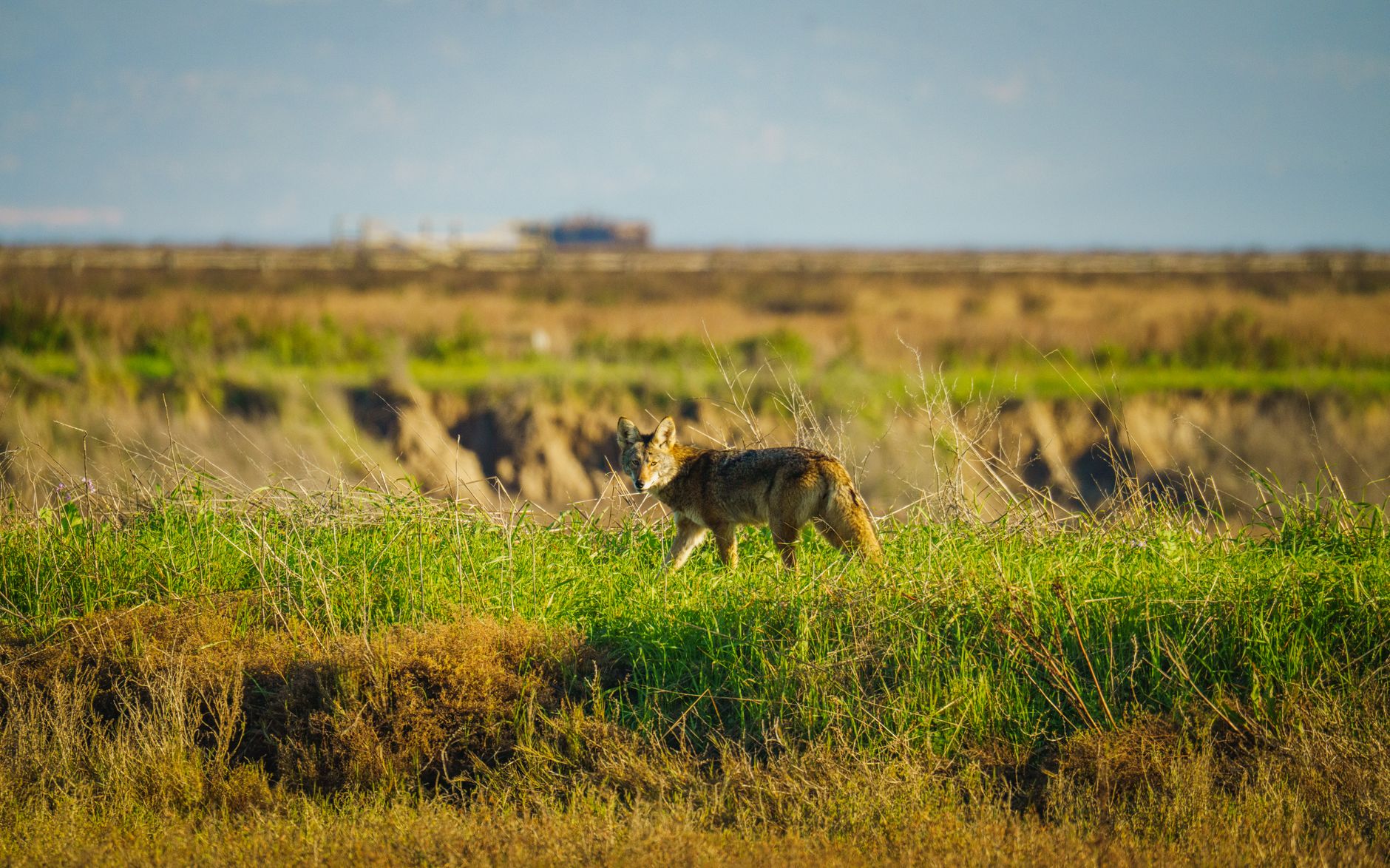
While coyote attacks on humans are exceptionally rare, they do occur. Understanding the circumstances surrounding these incidents is critical to prevention.
- Habituation: Coyotes that become accustomed to humans through feeding or the presence of easily accessible food sources (pet food, garbage) may lose their fear and become bolder.
- Illness: Rabid coyotes can exhibit aggressive behavior and are a danger to humans. However, rabies in coyotes is relatively uncommon in many areas.
- Defensive Behavior: Coyotes may attack if they feel threatened or if their pups are at risk.
- Predatory Attacks: In extremely rare cases, coyotes have been known to attack humans, particularly small children. These attacks are more likely to occur in areas where coyotes have become habituated to humans and view them as potential prey.
Minimizing the Risk of Coyote Encounters
Taking preventative measures can significantly reduce the risk of negative interactions with coyotes.
- Never Feed Coyotes: Intentional or unintentional feeding teaches coyotes to associate humans with food.
- Secure Garbage: Store garbage cans in a secure location and ensure lids are tightly closed.
- Supervise Pets: Keep pets on a leash, especially during dawn and dusk, when coyotes are most active. Never let pets roam freely, particularly smaller animals.
- Eliminate Water Sources: Remove standing water, as it can attract wildlife, including coyotes.
- Clear Vegetation: Trim bushes and shrubs to reduce cover for coyotes near your home.
- Haze Coyotes: If you encounter a coyote, make loud noises, wave your arms, or throw objects to scare it away. Maintain eye contact and do not run.
Comparative Risk: Other Animals
It’s important to put the actual risk of coyote attacks into perspective. Compare to other animal-related risks:
| Animal | Estimated Fatalities (U.S. Annually) | Notes |
|---|---|---|
| Dogs | ~30-50 | Primarily young children |
| Bees, Wasps | ~62 | Allergic reactions |
| Snakes | ~5-6 | Venomous snake bites |
| Spiders | ~7 | Venomous spider bites |
| Bears | ~1-2 | Very rare, usually in remote areas |
| Coyotes | << 1 | Extremely rare; most incidents are non-fatal and defensive |
As you can see, the risk of being killed by coyote is significantly lower than the risk posed by other common animals.
Frequently Asked Questions about Coyotes and Human Safety
What should I do if I encounter a coyote?
If you encounter a coyote, remain calm. Do not run. Make yourself appear large by raising your arms. Make loud noises, such as yelling or clapping your hands. Throw objects in its direction, but never approach the coyote. Maintain eye contact and back away slowly.
Are coyotes more dangerous during certain times of the year?
Yes, coyotes can be more protective and territorial during mating season (typically January to March) and pup-rearing season (typically April to August). During these times, they may be more likely to defend their territory or their young. Be extra cautious and vigilant during these periods.
How can I protect my pets from coyotes?
Keep pets on a leash when outdoors, especially during dawn and dusk. Supervise small pets closely, and never let them roam freely. Consider installing fencing around your yard to deter coyotes. Do not leave pet food outdoors.
What is “hazing” a coyote, and how does it work?
Hazing involves using deterrents to discourage coyotes from frequenting an area. This can include making loud noises, waving your arms, throwing objects, or using a water hose. The goal is to create a negative association with humans, making the coyote less likely to approach. Consistency is key for hazing to be effective.
Are all coyote attacks predatory?
No, most coyote attacks are defensive, occurring when the coyote feels threatened or when humans are perceived as too close to their pups. Predatory attacks, where the coyote views a human as prey, are extremely rare.
Is it safe to walk in a park or wooded area known to have coyotes?
Yes, but it’s important to be aware of your surroundings. Keep children close and pets on a leash. Avoid walking alone, especially during dawn and dusk. If you encounter a coyote, follow the steps outlined earlier (make noise, wave your arms, etc.). Awareness and caution are key.
What should I do if a coyote approaches me aggressively?
If a coyote approaches you aggressively (e.g., snarling, snapping, lunging), stand your ground and continue to make loud noises and wave your arms. If possible, pick up small children and pets. If the coyote attacks, fight back using any available objects. Report the incident to local animal control immediately.
Do coyotes only live in rural areas?
No, coyotes are highly adaptable and can thrive in urban and suburban environments. They often find ample food sources and shelter in these areas, leading to increased interactions with humans. Coyotes are common in many urban areas.
Is it true that coyotes are hybridizing with wolves or dogs?
Yes, coyotes can hybridize with wolves and dogs, although hybridization with dogs is more common, especially in eastern North America. These hybrids, sometimes called “coydogs,” may exhibit different behaviors and characteristics than pure coyotes. Hybridization can affect coyote behavior.
How can I tell the difference between a coyote and a wolf or dog?
Coyotes are typically smaller than wolves, with a slender build and pointed snout. Their coat color can vary, but is often grayish-brown. Their tails are bushy and carried down. Wolves are larger and more muscular, with a broader snout and thicker coat. Dogs come in a wide variety of sizes and breeds. Consult field guides for detailed identification information.
Are coyote populations increasing or decreasing?
Coyote populations are generally considered stable or even increasing in many areas. Their adaptability and wide range allow them to thrive even in human-dominated landscapes. Coyotes are a resilient species.
If a coyote were to attack a human, would a coyote kill a human?“”
While an attack could result in severe injuries, fatalities are exceptionally rare. Most reported attacks result in bites and scratches. The factors determining severity include the size and age of the victim (small children are at greater risk), the aggression of the coyote, and the availability of immediate medical care. Preventative measures remain the most effective approach to minimize risk.