

Will Two Unneutered Male Rabbits Fight? Understanding Rabbit Aggression
Yes, two unneutered male rabbits are highly likely to fight, often resulting in serious injuries and lasting animosity. This is due to their natural instinct to establish dominance and compete for resources and mating opportunities.
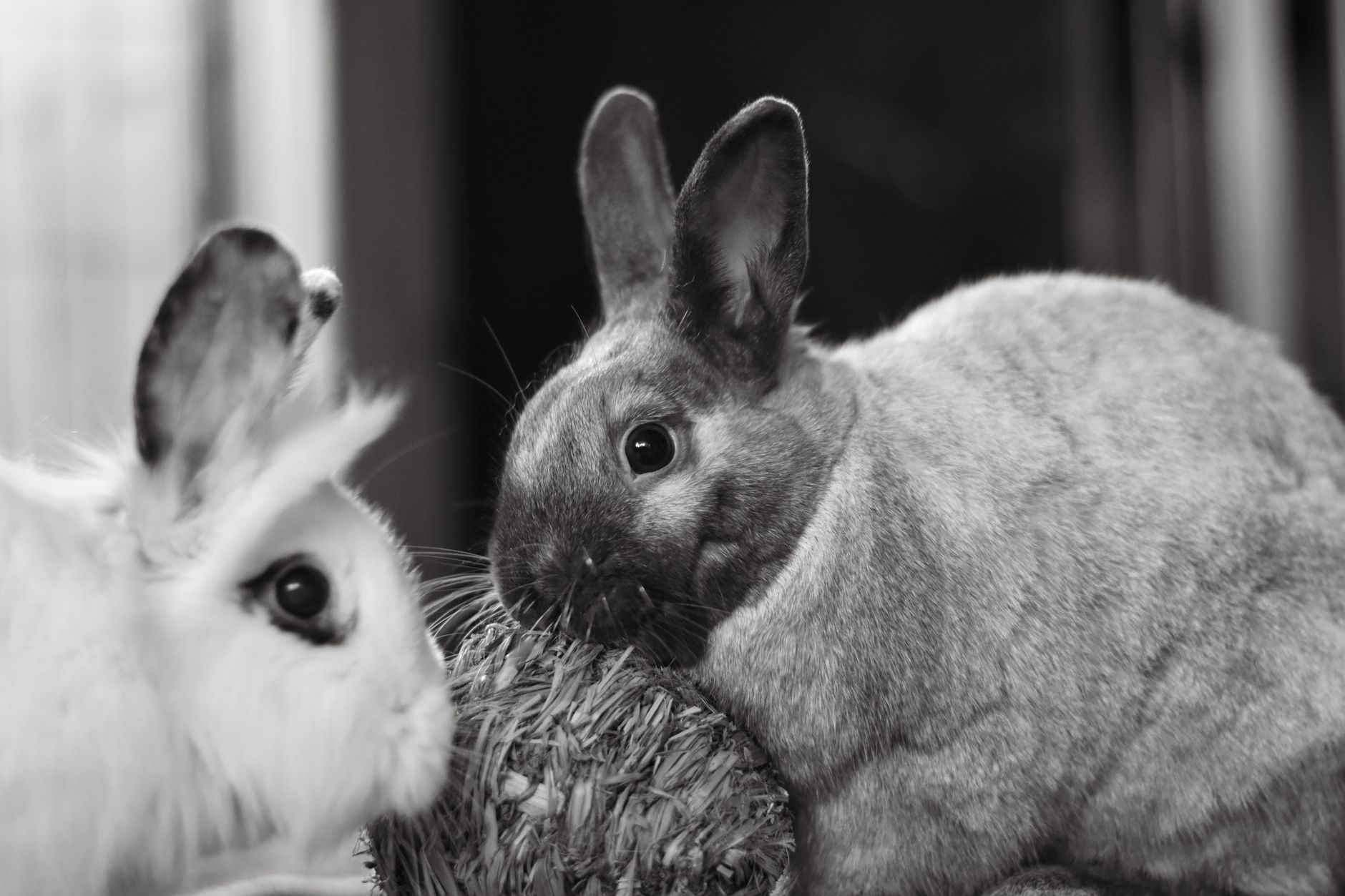
The Territorial Nature of Unneutered Male Rabbits
Unneutered male rabbits, also known as bucks, are driven by hormones and instinct to defend their territory and compete for mating rights. This ingrained behavior makes it exceptionally difficult, and often dangerous, to house two unaltered males together. Understanding the root of this aggression is crucial for responsible rabbit ownership.

What colours are fish most attracted to?
Can you put your finger in a trout's mouth?
Is methylene blue anti bacterial?
Does aquarium salt raise pH in aquarium?
Hormonal Influence and Dominance

The presence of testosterone in unneutered males fuels their competitive spirit. This hormone directly contributes to:
- Increased aggression
- Territorial marking (urine spraying and fecal marking)
- Fighting and biting
- Persistent attempts to mount other rabbits (regardless of gender)
Dominance hierarchies are naturally established in rabbit populations, and unneutered males will engage in aggressive behaviors to assert their position. This can manifest as chasing, biting, fur pulling, and even serious injuries.
The Consequences of Fighting
The consequences of allowing two unneutered male rabbits to fight can be severe:
- Serious Injuries: Bites and scratches can lead to infections and permanent disfigurement. Eye injuries are also common.
- Chronic Stress: Constant aggression creates a stressful environment for both rabbits, weakening their immune systems and making them more susceptible to illness.
- Death: In extreme cases, fighting can result in death, particularly if one rabbit is significantly weaker or smaller than the other.
- Permanent Animosity: Even if the fighting is stopped, the negative associations created during the conflict can make it extremely difficult, if not impossible, to bond the rabbits later.
Why Neutering Is the Solution
Neutering, or castration, involves surgically removing the testicles of a male rabbit. This significantly reduces testosterone production, leading to:
- Reduced Aggression: Neutered males are generally much calmer and less territorial.
- Improved Litterbox Habits: Decreased hormonal urges often lead to better litterbox usage.
- Easier Bonding: Neutered rabbits are significantly easier to bond with other rabbits.
- Prevention of Unwanted Litters: Obviously, a neutered male cannot contribute to accidental pregnancies.
Potential Benefits of Bonding Rabbits
While bonding unneutered males is extremely risky, properly bonding neutered rabbits can offer numerous benefits:
- Companionship: Rabbits are social animals and thrive with companionship.
- Enrichment: A bonded pair will groom each other and play together, providing mental and physical stimulation.
- Security: Rabbits feel safer and more secure when they have a companion.
- Reduced Boredom: Bonded pairs are less likely to become bored and destructive.
Bonding Unneutered Males is Not Recommended
Due to the high risk of injury and stress, it is strongly advised against attempting to bond two unneutered male rabbits. The potential downsides far outweigh any perceived benefits. Neutering is an essential step before even considering bonding. Will two unneutered male rabbits fight?, almost certainly!
Steps to Safe Bonding (AFTER Neutering)
If you choose to bond neutered rabbits, follow these steps carefully:
- Spay/Neuter: Ensure both rabbits are spayed or neutered and have had at least 4-6 weeks to allow hormones to settle.
- Neutral Territory: Introduce the rabbits in a neutral space that neither rabbit has claimed as their own.
- Supervised Interactions: Closely supervise all interactions, intervening if fighting occurs.
- Positive Reinforcement: Offer treats and praise during positive interactions.
- Gradual Introduction: Start with short periods of interaction and gradually increase the time.
- Monitor Body Language: Watch for signs of aggression such as lunging, biting, or fur pulling.
- Separate at Night: Initially, separate the rabbits at night and when you are not able to supervise them.
Comparison: Unneutered vs. Neutered Male Rabbits
| Feature | Unneutered Male Rabbit | Neutered Male Rabbit |
|---|---|---|
| Aggression | High | Low |
| Territoriality | High | Low |
| Bondability | Very Difficult | Much Easier |
| Urine Marking | Common | Rare |
| Mounting | Frequent | Infrequent |
Common Mistakes to Avoid
- Introducing rabbits in one rabbit’s territory: This can trigger territorial aggression.
- Assuming rabbits will “work it out”: Rabbits may not resolve their differences peacefully. Intervention is often necessary.
- Not providing enough space: Rabbits need adequate space to escape if they feel threatened.
- Rushing the bonding process: Bonding takes time and patience.
Frequently Asked Questions (FAQs)
Why are unneutered male rabbits so aggressive?
Unneutered male rabbits are driven by their hormones, specifically testosterone, to establish dominance and compete for mating opportunities. This leads to territorial aggression, fighting, and persistent mounting behaviors.
Can I house an unneutered male rabbit with a neutered male rabbit?
While it may be less problematic than housing two unneutered males, it’s still not recommended. The unneutered male will likely harass the neutered male due to his hormones. The neutered male may or may not retaliate, but the situation is very stressful and can still lead to fighting.
Is neutering always effective in eliminating aggression?
Neutering typically significantly reduces aggression, but it doesn’t always eliminate it entirely. Established behaviors can persist, and some rabbits have stronger personalities than others. However, the reduction in aggression is usually substantial enough to make bonding much easier and safer.
How long after neutering can I start bonding my rabbit?
It is generally recommended to wait at least 4-6 weeks after neutering before attempting to bond your rabbit. This allows the hormones to subside and reduces the likelihood of hormonally-driven aggression.
What are the risks of not neutering my male rabbit?
Aside from increased aggression and difficulty bonding, unneutered male rabbits are prone to testicular cancer as they age. Neutering eliminates this risk. They also exhibit spraying behavior, which is undesirable.
What are the signs that rabbits are fighting too much during the bonding process?
Signs that rabbits are fighting too much include lunging, biting, chasing with malicious intent, fur pulling, and drawing blood. If these behaviors occur, immediately separate the rabbits and reassess the bonding process.
Can I use a spray bottle to stop rabbits from fighting?
Using a spray bottle can be a temporary distraction, but it’s not a long-term solution. It can also create negative associations with you and the other rabbit. It’s better to address the underlying causes of the aggression.
Is it possible to bond unneutered rabbits if I provide them with separate spaces?
While providing separate spaces reduces the likelihood of fighting, it doesn’t eliminate the risk. The rabbits may still be stressed by each other’s presence, and accidental encounters can lead to serious injuries.
What if my unneutered rabbits have been together for a long time without fighting?
Even if rabbits have coexisted peacefully for a while, hormonal changes or territorial disputes can trigger aggression at any time. It’s best not to take the risk. Neutering is always recommended.
How much does it cost to neuter a rabbit?
The cost of neutering a rabbit varies depending on location and veterinarian, but it typically ranges from $100 to $300. It’s a worthwhile investment in your rabbit’s health and well-being.
Will two unneutered male rabbits fight even if there are no females around?
Yes, two unneutered male rabbits will still fight even in the absence of females. The underlying cause is their inherent need to establish dominance and secure resources.
What do I do if my rabbits have seriously injured each other during a fight?
Seek immediate veterinary care for any injuries sustained during a fight. Clean the wounds thoroughly and monitor for signs of infection. Keep the rabbits separated to prevent further harm. Don’t delay in contacting a vet, as infections can be life-threatening to rabbits.