

Will Screaming Scare a Bear? An Expert Guide to Bear Encounters
No. While yelling might sometimes deter a bear, simply screaming is unlikely to scare a bear and could even provoke an attack. Understanding bear behavior and employing proactive strategies are far more effective for safe encounters.
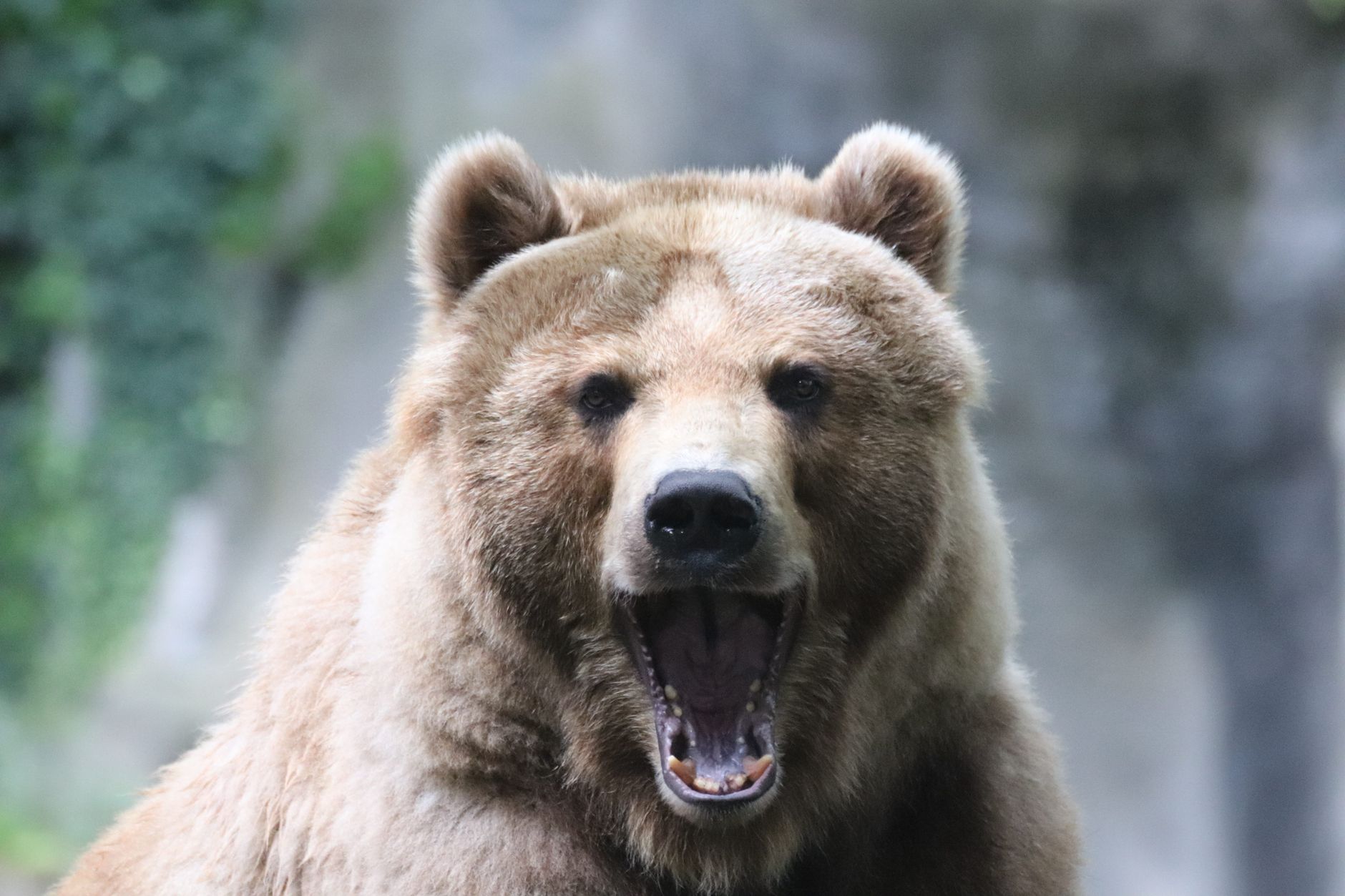
Understanding Bear Behavior and Why Screaming Isn’t the Answer
The question of whether screaming will scare a bear is complex and depends heavily on the bear’s species, its state of mind, and the circumstances of the encounter. A key principle in bear safety is understanding that bears are individuals with varying temperaments and experiences.
-
Habituation: Bears accustomed to human presence (e.g., near campgrounds or trails where food is readily available) may be less deterred by loud noises. In fact, they may associate screaming with food or potential vulnerability.
-
Defensive vs. Predatory: A bear acting defensively (protecting cubs or a food source) will react differently than one exhibiting predatory behavior. A defensive bear will likely stand its ground and react aggressively if it feels threatened, while a predatory bear may see you as prey and act aggressively if deterred from its hunt.
-
Species Matters: Different bear species (black bears, grizzly bears, polar bears) exhibit different behaviors. Grizzly bears (brown bears) are often more aggressive than black bears, particularly when protecting their cubs.
Therefore, a generic “scream” is rarely a reliable deterrent. It’s far more effective to focus on preventing encounters and knowing how to react in a bear-safe manner.

What colours are fish most attracted to?
Can you put your finger in a trout's mouth?
Is methylene blue anti bacterial?
Does aquarium salt raise pH in aquarium?
Proactive Strategies: Preventing Bear Encounters

Prevention is always the best medicine when it comes to bear encounters. These strategies minimize the likelihood of a confrontation:
- Make Noise: When hiking in bear country, consistently make noise (talking, singing, using bear bells) to alert bears to your presence. This gives them the opportunity to avoid you.
- Travel in Groups: Bears are less likely to approach a group of people.
- Store Food Properly: Use bear-resistant canisters or hang food at least 10 feet off the ground and 4 feet from any vertical support.
- Carry Bear Spray: Bear spray is a highly effective deterrent if used correctly. Know how to use it and keep it readily accessible.
- Be Aware of Your Surroundings: Pay attention to signs of bear activity (tracks, scat, claw marks). Avoid areas with dense vegetation where visibility is limited.
Responding to a Bear Encounter: What to Do Instead of Screaming
If you encounter a bear, your response should be dictated by the bear’s behavior.
- Identify the Bear’s Behavior: Is it defensive? Predatory? Calmly feeding?
- Stay Calm: Panic can exacerbate the situation.
- If the Bear Doesn’t Know You Are There: Slowly and quietly back away, keeping an eye on the bear.
- If the Bear Knows You Are There:
- Defensive Bear: Stand your ground. Speak to the bear in a calm, firm voice. Make yourself look large by raising your arms or holding up a jacket. Slowly back away if the bear allows.
- Predatory Bear: This is a rare but serious situation. Make yourself as large and intimidating as possible. Fight back aggressively using anything you have available as a weapon. Use bear spray if you have it.
The Potential Danger of Screaming
Screaming can have several negative consequences in a bear encounter:
- Provoking an Attack: A scream can be interpreted as a sign of weakness or a challenge, potentially triggering an aggressive response.
- Startling the Bear: Unexpected loud noises can startle a bear, causing it to react defensively.
- Unpredictability: The bear’s reaction is unpredictable; it might run, attack, or simply ignore you, but it’s best not to gamble on the most desirable outcome.
Effective Vocal Deterrents: Shouting and Other Noises
While screaming itself is often ineffective, a loud, assertive shout can sometimes deter a bear, especially a black bear. The key is the tone and intent behind the vocalization. A firm, loud voice conveying confidence is more likely to be effective than a panicked scream. Bear spray is still more effective.
- “Hey Bear!” Yelling this repeatedly can alert the bear to your presence and potentially encourage it to leave.
- Banging Pots and Pans: Creating loud, jarring noises can sometimes startle a bear away.
However, it’s crucial to remember that these methods are not foolproof and should be used in conjunction with other safety measures.
Bear Spray: The Most Effective Deterrent
Bear spray is generally considered the most effective deterrent against bears. It works by temporarily incapacitating the bear’s senses, giving you time to escape.
- How it Works: Bear spray contains capsaicin, a chemical derived from chili peppers, that irritates the bear’s eyes, nose, and throat.
- Proper Use: Aim at the bear’s face and deploy the spray in short bursts.
- Limitations: Bear spray has a limited range and can be affected by wind.
Table: Comparing Bear Deterrents
| Deterrent | Effectiveness | Pros | Cons |
|---|---|---|---|
| :———————– | :————————– | :——————————————— | :——————————————————– |
| Bear Spray | Very High | Highly effective; non-lethal | Limited range; affected by wind; requires proper training |
| Shouting | Moderate (Black Bears Only) | Can deter curious bears; readily available | May provoke defensive bears; less effective than spray |
| Screaming | Low | None | Likely to provoke or startle the bear |
| Making Other Noises (e.g., banging pots) | Moderate (Black Bears Only) | May deter curious bears; readily available | May provoke defensive bears; less effective than spray |
Frequently Asked Questions (FAQs)
If screaming isn’t effective, what specific vocalizations are recommended during a bear encounter?
Instead of screaming, focus on using a firm, loud voice. Yell phrases like “Hey bear!” or “Go away bear!” in a confident tone. This projects an image of strength and can sometimes deter a bear, particularly if it hasn’t identified you as a threat.
Does the species of bear (black bear vs. grizzly) influence whether screaming will be effective?
Yes, the species of bear matters significantly. Screaming is generally considered ineffective for both black bears and grizzly bears. Grizzly bears are generally more aggressive, making the strategy even less helpful. The safest approach is to carry bear spray and know how to use it.
If a bear is charging, is it better to scream or play dead?
If a bear is charging defensively (often indicated by flattened ears and huffing), playing dead is recommended for grizzly bears. For black bears, fighting back aggressively is often the best approach. Screaming is unlikely to be effective in either scenario. Bear spray is more effective than either for most people.
Can screaming attract other bears to the area?
While unlikely to attract bears from a significant distance, screaming might alert nearby bears to your presence. A curious or defensive bear might investigate the source of the noise, potentially escalating the situation.
Is it ever appropriate to scream during a bear encounter?
There are very few scenarios where screaming is the best option during a bear encounter. If you are already being attacked, screaming might attract help from other people, but it’s not a reliable deterrent for the bear itself.
How far away should I be from a bear before I consider using bear spray?
Bear spray is most effective when used at a range of 10-30 feet. Practice deploying the spray beforehand to get a feel for its range and trajectory.
What are the signs that a bear is about to attack?
Signs of an impending attack include the bear standing on its hind legs, huffing or woofing, flattening its ears, or charging. It is important to note that predatory bears may not display these signs before attacking.
Is it safe to hike alone in bear country?
Hiking alone in bear country increases your risk of a negative encounter. Traveling in groups is always recommended. However, if you must hike alone, carry bear spray, make noise, and be extra vigilant.
What are the key differences between defensive and predatory bear behavior?
Defensive bears are typically trying to protect themselves, their cubs, or a food source. They may display warning signs like stomping their feet or huffing. Predatory bears are hunting you as prey and may stalk you silently without warning signs.
How should I store food in bear country to prevent encounters?
Store food in bear-resistant canisters or hang it at least 10 feet off the ground and 4 feet from any vertical support. Never leave food unattended, even for a short period.
What should I do if a bear enters my campsite?
Stay inside your tent or vehicle if possible. Make noise by banging pots and pans or yelling. If the bear is persistent, use bear spray if necessary. Never approach or feed the bear.
How often should I replace my bear spray?
Bear spray has an expiration date. Replace it before the expiration date to ensure it’s effective. Practice deploying the spray in a safe area to familiarize yourself with its use.