

Will My Fish Survive the Winter?
Your fish’s winter survival depends on several key factors; however, with proper preparation and management of their environment, most pond and aquarium fish can thrive through the colder months. Learn how to ensure their well-being with these essential tips.
Understanding the Winter Challenges for Fish
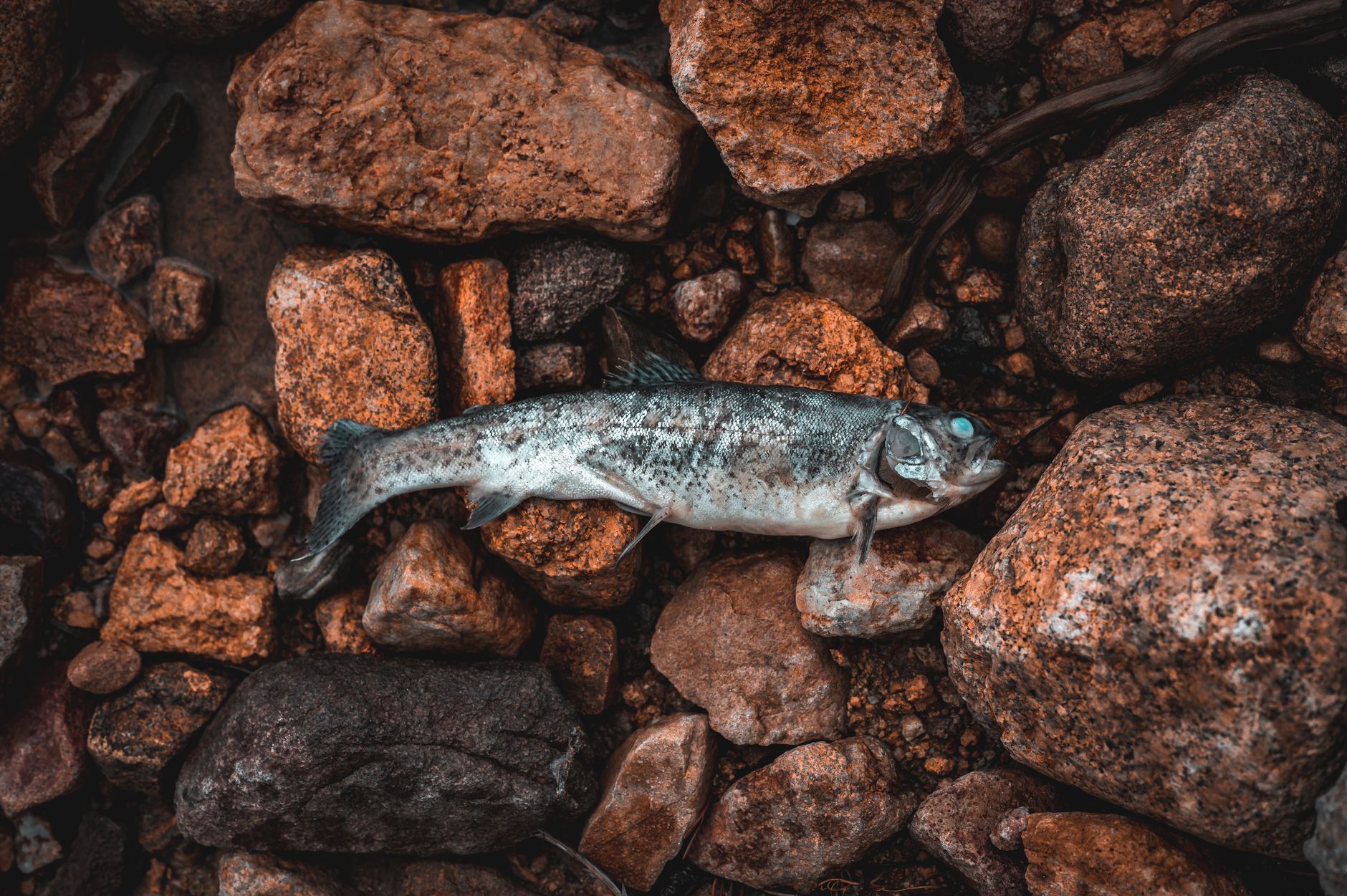
The question “Will my fish survive the winter?” is one that plagues many fish owners. As temperatures plummet, the aquatic environment undergoes significant changes that can drastically impact fish health and survival. Understanding these challenges is the first step in ensuring your finned friends make it through the season.
- Temperature Drops: The most obvious challenge is the decrease in water temperature. Fish are ectothermic (cold-blooded), meaning their body temperature is regulated by their environment. As water temperatures fall, their metabolism slows down.
- Oxygen Depletion: Cold water can hold more oxygen than warm water, but ice formation can prevent oxygen from entering the water. Furthermore, decaying organic matter at the pond’s bottom continues to consume oxygen, further reducing its availability.
- Ice Formation: Ice can trap harmful gases produced by decaying matter and prevent essential sunlight from penetrating the water, impacting plant life and oxygen production.
- Reduced Activity: Lower temperatures mean lower energy needs, but also less activity. Fish may become sluggish and less responsive to food, making them more vulnerable to disease.

Are fish heads good for the garden?
Can fish hear water?
What is cotton rot in fish?
What colours are fish most attracted to?
Optimizing Your Pond Environment for Winter

For pond fish, careful preparation is key to a successful winter. You can increase the likelihood that your fish will survive the winter by following these simple steps.
- Deepen Your Pond (If Possible): A deeper pond is less likely to freeze solid, providing a refuge for fish in the lower layers. Aim for a depth of at least 3 feet in the coldest climates.
- Maintain Open Water: Use a pond de-icer, aerator, or floating ball to keep a section of the surface ice-free. This allows for gas exchange, preventing toxic gases from building up under the ice and allowing vital oxygen to enter the water.
- Reduce Organic Matter: Before winter arrives, remove as much decaying leaves and other organic matter from the pond bottom as possible. This reduces the amount of oxygen consumed by decomposition.
- Stop Feeding When Water Temperatures Drop: When water temperatures consistently fall below 50°F (10°C), reduce or stop feeding your fish. Their metabolism slows down, and they will not be able to digest food properly. Undigested food can pollute the water.
- Protect from Predators: Predators, such as herons and raccoons, may still be active during winter. Protect your pond with netting or other barriers.
Preparing Your Aquarium for Winter
For aquarium fish, while the risk of freezing is typically not a concern indoors, stable conditions are still crucial for survival.
- Maintain a Stable Temperature: Use a reliable aquarium heater to maintain a consistent temperature appropriate for your species. Avoid drastic temperature fluctuations.
- Monitor Water Quality: Regularly test your water parameters (ammonia, nitrite, nitrate, pH) to ensure they remain within optimal ranges. Cold weather can sometimes disrupt the biological filter in your aquarium.
- Insulate Your Aquarium: Consider insulating your aquarium to conserve heat and reduce energy consumption. You can use foam insulation or wrap the tank with blankets (avoid covering the top, which needs ventilation).
- Minimize Stress: Avoid unnecessary disturbances to the aquarium during winter. This includes excessive cleaning or rearranging decorations. Stress can weaken the immune system and make fish more susceptible to disease.
Choosing Winter-Hardy Fish Species
The likelihood that your fish will survive the winter is significantly improved if you choose hardy species that are well-suited to colder temperatures. Goldfish and koi are popular pond fish that can tolerate cold water conditions.
| Fish Species | Cold Tolerance | Comments |
|---|---|---|
| Goldfish | High | Comet goldfish and Shubunkin goldfish are particularly hardy. |
| Koi | High | Koi can tolerate freezing conditions if the pond is deep enough and has an open water surface. |
| Rosy Red Minnow | Moderate | Can tolerate cooler waters, but ensure adequate oxygenation. |
| White Cloud Mountain Minnow | Moderate | Does well in unheated aquariums. Ideal for indoor settings. |
| Tropical Fish | Low | Requires a heater to maintain optimal temperatures. Consider moving them inside from outdoor ponds during winter. |
Common Mistakes That Can Kill Your Fish in Winter
Avoiding common mistakes is just as important as proper preparation. Here are some pitfalls to watch out for.
- Overfeeding: Feeding too much food during cold weather can lead to digestive problems and water pollution.
- Closing off Ventilation Entirely: Sealing the pond completely with plastic or other materials can trap harmful gases and suffocate your fish.
- Ignoring Water Quality: Neglecting water quality testing and maintenance can lead to toxic build-ups that harm your fish.
- Bringing fish inside improperly: Moving fish from a very cold outdoor pond to a heated indoor tank can cause shock due to the sudden temperature change. Acclimatize the fish gradually.
Frequently Asked Questions About Winter Fish Survival
Will my tropical fish in an outdoor pond survive the winter?
Generally, tropical fish cannot survive winter in an outdoor pond in most climates. They require warm water to thrive and will likely die if exposed to freezing or near-freezing temperatures for extended periods. Consider moving them indoors or rehoming them.
How do I know if my pond fish are getting enough oxygen during winter?
Monitor your fish for signs of oxygen deprivation, such as gasping at the surface. Ensuring you have a de-icer or aerator will help maintain sufficient oxygen levels in the water.
What temperature is too cold for goldfish?
Goldfish can tolerate surprisingly cold temperatures, but below 32°F (0°C) is generally too cold for extended periods, especially if the pond freezes solid. They can survive in near-freezing water if it’s well-oxygenated.
Can I break the ice on my pond to help my fish?
Avoid breaking the ice, as this can shock your fish due to the vibrations and sudden changes in water temperature. Instead, use a de-icer or aerator to keep a section of the surface open.
Should I move my aquarium to a warmer room in the house?
Moving your aquarium to a room with a stable temperature is beneficial. However, avoid placing it near a direct heat source, like a radiator, as this can cause temperature fluctuations.
What if my power goes out and my aquarium heater stops working?
If the power goes out, insulate your aquarium as much as possible with blankets or towels to retain heat. Consider using battery-powered air pumps to maintain oxygenation. Aim to keep the tank covered but still allow for some ventilation.
How often should I check on my pond fish during winter?
Check on your pond fish periodically, but avoid disturbing them unnecessarily. Look for signs of distress or disease, but minimize your interactions to reduce stress.
Are there any specific foods I should feed my fish before winter?
Before winter, feed your fish a high-quality food that is high in carbohydrates to help them build up energy reserves for the colder months. Gradually decrease feeding as the water temperature drops.
What if my fish develop a disease during winter?
Treating fish diseases during winter can be challenging due to the slow metabolism of the fish. Isolate the affected fish if possible and consult with a veterinarian or aquatic expert for advice.
How deep should my pond be to ensure fish survive the winter?
As a general guideline, ponds should be at least 3 feet (1 meter) deep in colder climates. This depth provides a refuge for fish below the freezing surface.
Can I use tap water to top off my pond during winter?
Avoid using tap water, as it can contain chemicals that are harmful to fish. If you must use tap water, treat it with a dechlorinator before adding it to the pond.
What are the warning signs that my fish are not doing well over the winter?
Signs include lethargy, loss of appetite, gasping at the surface, unusual swimming patterns, and visible signs of disease. If you see any of these signs, take action immediately to identify and address the problem to ensure your fish will survive the winter.