

Will Clorox Deter Raccoons? A Deep Dive
The answer is complex: while the strong smell of Clorox might offer a temporary deterrent to raccoons, it’s not a reliable or recommended long-term solution and can pose significant risks to both animals and the environment.
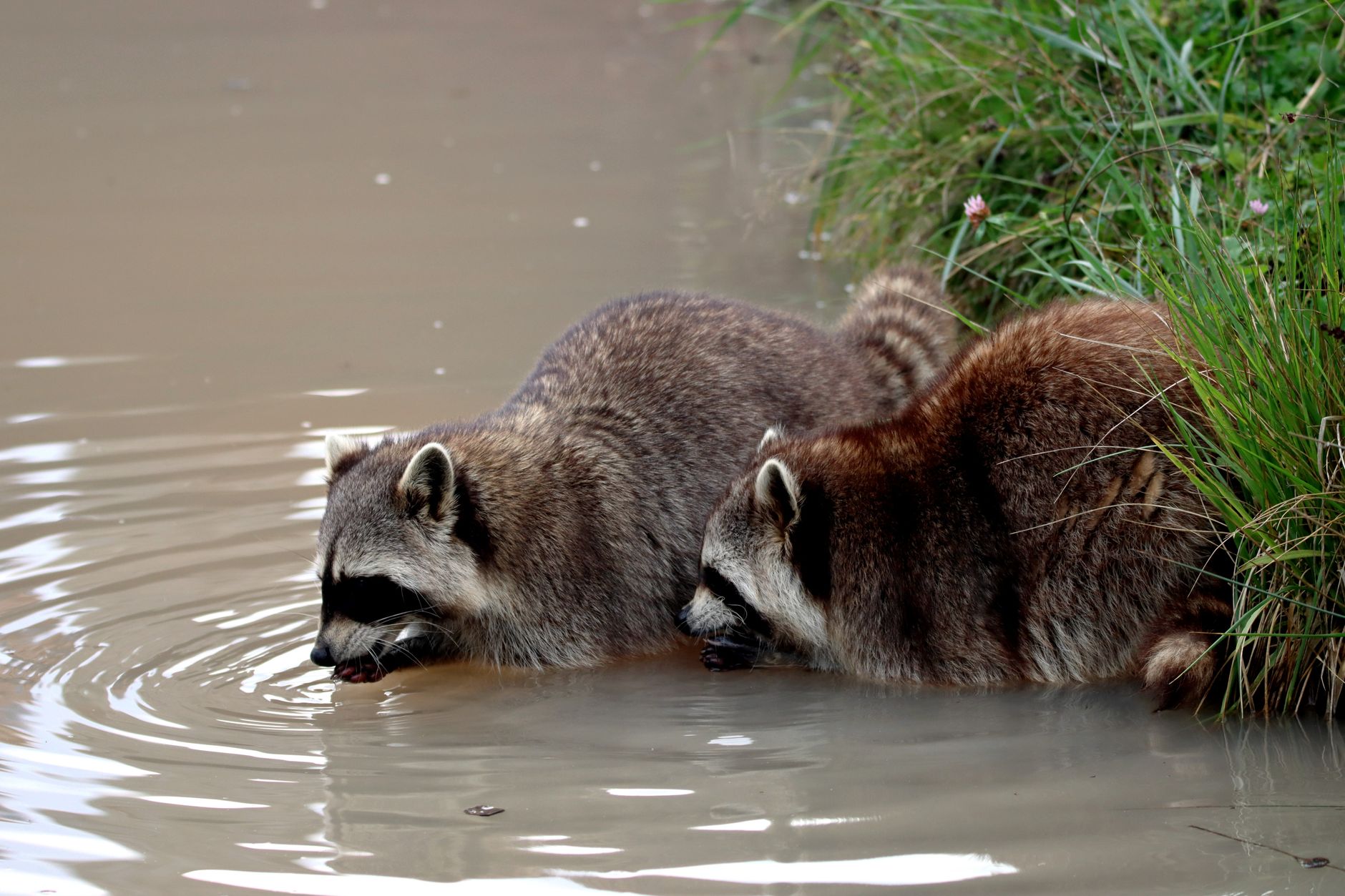
Raccoons: A Persistent Problem
Raccoons, with their masked faces and nimble paws, are often admired for their intelligence and adaptability. However, these traits can also make them unwelcome visitors around homes and gardens. Attracted by readily available food sources like garbage cans, pet food, and unsecured gardens, raccoons can cause significant damage. Dealing with them often requires a multifaceted approach, and the question frequently arises: Will Clorox deter raccoons?

What colours are fish most attracted to?
Can you put your finger in a trout's mouth?
Is methylene blue anti bacterial?
Does aquarium salt raise pH in aquarium?
The Allure and Danger of Chemical Repellents

The idea of using a readily available household cleaner like Clorox as a raccoon deterrent is tempting. Its strong odor is perceived by many as unpleasant, leading to the assumption that it would be effective in driving these animals away. However, the effectiveness and safety of such a method are highly questionable.
Why Clorox Might Seem Effective (Initially)
- Strong Odor: The pungent smell of Clorox is undeniably powerful. Many animals, including raccoons, have a keen sense of smell, and such a strong, unfamiliar odor might temporarily disrupt their foraging activities.
- Association with Danger: In some cases, the smell of Clorox might be associated with cleaning or other activities perceived as threatening, leading the raccoon to avoid the area briefly.
The Downside: Why Clorox is Not a Good Solution
- Temporary Effect: The effectiveness of Clorox as a deterrent is usually short-lived. Raccoons are intelligent and adaptable creatures. Once they realize the smell is not directly associated with harm, they will likely become desensitized and return.
- Environmental Concerns: Clorox is a harsh chemical. Using it outdoors can contaminate soil, water sources, and potentially harm other wildlife, including beneficial insects and pets.
- Health Risks: Direct contact with Clorox can cause skin irritation, burns, and respiratory problems for both humans and animals. Improper use poses a significant health risk.
- Ineffective against Hunger: A hungry raccoon motivated by a readily available food source is unlikely to be deterred by the smell of Clorox for long. They are driven by their need to find food.
- Ethical Considerations: Using potentially harmful substances to deter wildlife raises ethical concerns. A more humane and sustainable approach is always preferred.
Safer and More Effective Raccoon Deterrents
Instead of resorting to potentially harmful chemicals like Clorox, consider these safer and more effective strategies:
- Secure Food Sources: This is the most effective way to prevent raccoon problems.
- Use garbage cans with tight-fitting lids.
- Store pet food indoors.
- Clean up fallen fruit from trees.
- Avoid leaving food scraps outdoors.
- Habitat Modification: Make your property less attractive to raccoons.
- Trim overgrown bushes and trees.
- Seal off access points to crawl spaces and attics.
- Install fencing around gardens and compost piles.
- Motion-Activated Lights and Sprinklers: These devices can startle raccoons and discourage them from entering your property.
- Commercial Raccoon Repellents: Choose repellents specifically designed for raccoons and that are safe for the environment and other animals. Follow the manufacturer’s instructions carefully. Look for products containing ingredients like capsaicin (from chili peppers) or predator urine.
Comparison of Deterrent Methods
| Method | Effectiveness | Safety | Cost | Environmental Impact |
|---|---|---|---|---|
| :—————————- | :———— | :———– | :———- | :——————— |
| Clorox | Low (Temporary) | Low | Low | High |
| Secure Food Sources | High | High | Moderate | Low |
| Habitat Modification | High | High | Moderate | Low |
| Motion-Activated Lights/Sprinklers | Moderate | High | Moderate | Low |
| Commercial Repellents | Moderate | Varies | Moderate | Varies |
Common Mistakes
- Relying solely on one deterrent: A combination of methods is usually more effective.
- Inconsistent application: Repellents need to be reapplied regularly, especially after rain.
- Ignoring food sources: If food is readily available, raccoons are more likely to tolerate deterrents.
- Using too much Clorox: This increases the risk of environmental contamination and harm to animals.
Frequently Asked Questions (FAQs)
Will Clorox deter raccoons?
No, while the strong scent may act as a very temporary deterrent, Clorox is not a reliable solution for raccoon problems and poses significant safety risks.
Is it safe to spray Clorox around my yard to keep raccoons away?
Absolutely not. Spraying Clorox indiscriminately around your yard is unsafe and environmentally irresponsible. It can contaminate soil and water, harming other wildlife and potentially endangering pets and children.
Are there any natural alternatives to Clorox that are effective against raccoons?
Yes, several natural alternatives exist. These include products containing capsaicin (from chili peppers), peppermint oil, and predator urine. Remember to apply these according to the manufacturer’s instructions.
What is the best way to permanently get rid of raccoons?
The best approach is integrated pest management, focusing on removing food sources, modifying the habitat, and using humane deterrents. Trapping and relocating raccoons is generally not recommended as it can be stressful for the animals and may not solve the underlying problem.
Will mothballs deter raccoons?
While mothballs have been used as a deterrent, they contain naphthalene or paradichlorobenzene, which are toxic. They are not recommended for use outdoors as they can harm wildlife and contaminate the environment. They’re also illegal in many areas.
How can I raccoon-proof my garbage cans?
Use garbage cans with tight-fitting lids that can be securely fastened. You can also use bungee cords or clamps to further secure the lids. Another option is to store your garbage cans inside a shed or garage. Elevated placement of the can may also deter them, but ensure the elevation is secure.
What should I do if I find a raccoon in my attic?
Do not attempt to handle the raccoon yourself. Contact a professional wildlife removal service that specializes in humane trapping and removal. They can safely remove the animal and seal off any entry points to prevent future infestations.
Are raccoons dangerous to humans?
Raccoons can be dangerous if they feel threatened. They may bite or scratch, and they can carry diseases like rabies. Avoid direct contact with raccoons and never try to feed them.
What diseases do raccoons carry?
Raccoons can carry a number of diseases, including rabies, leptospirosis, and raccoon roundworm. These diseases can be transmitted to humans and pets through bites, scratches, or contact with raccoon feces. Be cautious around raccoons and take precautions to prevent exposure.
How can I prevent raccoons from digging in my garden?
Use fencing around your garden to create a barrier. You can also use netting or row covers to protect vulnerable plants. Another option is to spread coarse mulch or chicken wire on the soil surface to make it less attractive for digging. Commercial repellents can also be effective, provided they are applied regularly.
Is it illegal to trap and relocate raccoons?
The legality of trapping and relocating raccoons varies by state and local regulations. In many areas, it is illegal to relocate raccoons without a permit. Additionally, relocating raccoons can be harmful to the animals and disrupt local ecosystems. Check your local laws before attempting to trap and relocate raccoons.
What are the signs of a raccoon infestation?
Signs of a raccoon infestation can include overturned garbage cans, scattered debris, damaged gardens, noises in the attic or crawl space, and the presence of raccoon droppings. If you suspect a raccoon infestation, take steps to identify the entry point and implement preventative measures. Early detection is key to preventing significant damage.