

Will a Bear Attack You if it Sees You?
Seeing a bear doesn’t guarantee an attack, but it significantly increases the possibility depending on several factors. The bear’s species, its prior experiences with humans, its current mood and motivations, and your reaction all play a crucial role in determining whether the encounter will turn aggressive.
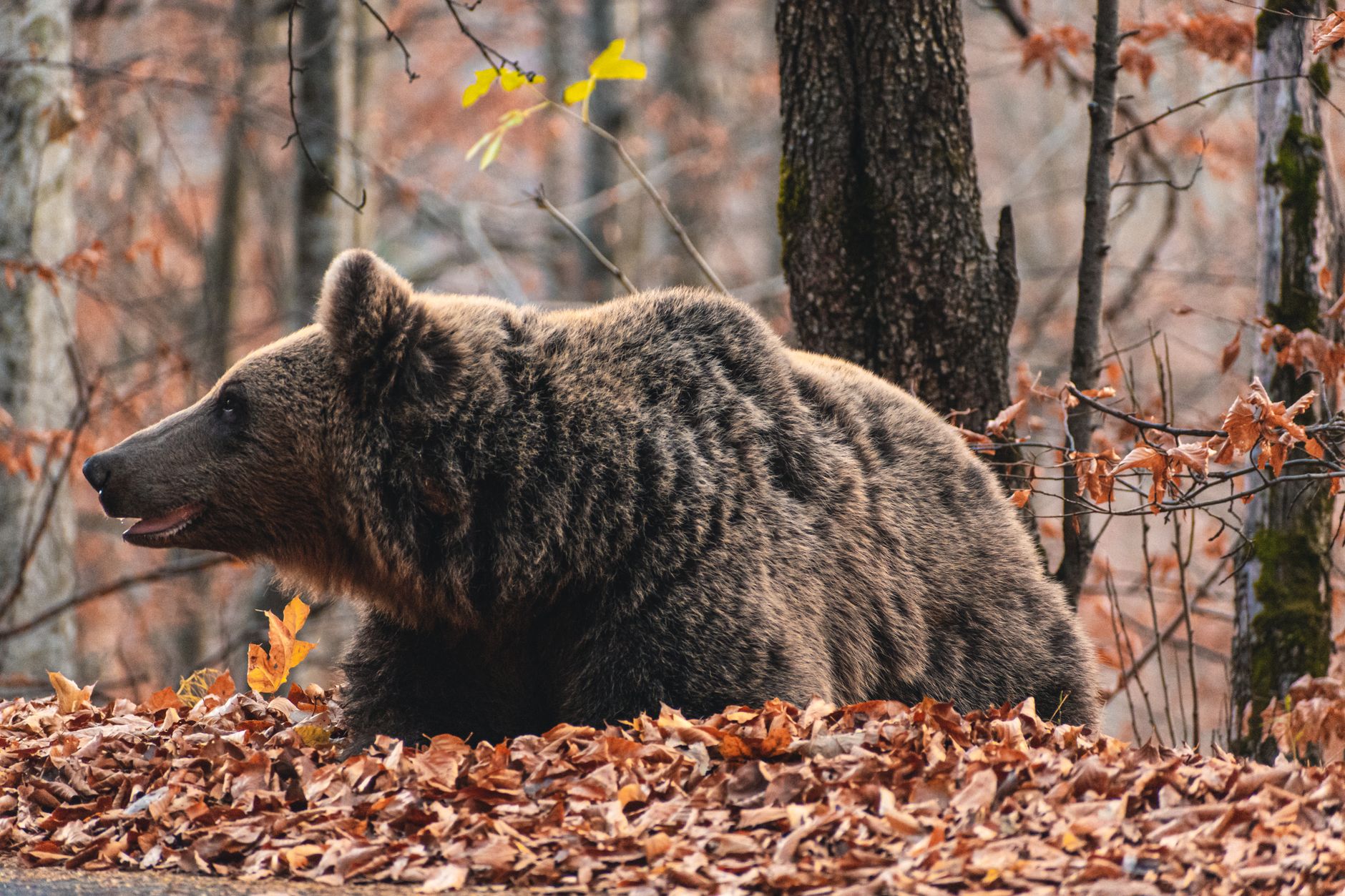
Understanding Bear Behavior: An Introduction
The wilderness can be a breathtaking place, but it’s also home to creatures far larger and more powerful than ourselves. Encounters with bears, in particular, can be daunting. Understanding bear behavior is the first step in minimizing the risk of a negative outcome. Will a bear attack you if it sees you? This question plagues many outdoor enthusiasts, and the answer, unfortunately, isn’t a simple yes or no. It’s a complex issue influenced by a multitude of factors.

What colours are fish most attracted to?
Can you put your finger in a trout's mouth?
Is methylene blue anti bacterial?
Does aquarium salt raise pH in aquarium?
Species Matters: Knowing Your Bears

Not all bears are created equal. Different species have different temperaments and typical behaviors.
- Black Bears: Generally, black bears are more timid and less likely to attack than other species, especially if you make yourself appear larger and make noise. However, habituated bears (those accustomed to humans and human food) can be an exception and may be bolder.
- Grizzly Bears (Brown Bears): Grizzlies are larger, more powerful, and more prone to aggression, particularly if they feel threatened or if they are protecting cubs or a food source.
- Polar Bears: Polar bears are apex predators in their icy habitat and should be considered extremely dangerous. Encounters are less frequent but typically more serious.
Key Factors Influencing Bear Attacks
Many variables influence whether a bear sighting escalates into an attack. It’s crucial to be aware of these factors to assess the risk accurately.
- Habituation: Bears that are accustomed to humans and human food are more likely to approach people and less likely to be deterred by typical deterrents like shouting.
- Food Conditioning: Bears that have obtained food from humans in the past may associate humans with food, making them more persistent and aggressive.
- Presence of Cubs: Mother bears are fiercely protective of their cubs and will defend them aggressively. Avoid getting between a mother bear and her cubs at all costs.
- Surprise Encounters: If you suddenly startle a bear, it may react defensively. Making noise while hiking can help prevent surprise encounters.
- Carrion (Animal Carcasses): Bears often defend carrion. If you encounter a carcass, leave the area immediately and report it to park authorities.
Defensive vs. Predatory Attacks
It’s important to distinguish between the two main types of bear attacks. Understanding the difference informs how you should react.
- Defensive Attacks: These are the most common type of attack and occur when a bear feels threatened. They are typically short-lived. The bear may swipe or bite but will often back off if you play dead (especially with grizzly bears).
- Predatory Attacks: These are much rarer but also much more serious. The bear views you as prey. Playing dead is generally not effective in this situation; instead, you must fight back aggressively.
Preventing Bear Attacks: Proactive Measures
Prevention is always the best strategy. Taking preventative measures can drastically reduce your risk of a bear encounter turning into an attack.
- Make Noise: Hike in groups and make noise to avoid surprising a bear. Singing, talking loudly, or using bear bells can be effective.
- Carry Bear Spray: Bear spray is a highly effective deterrent and should be carried by anyone venturing into bear country. Know how to use it correctly and keep it readily accessible.
- Store Food Properly: Store food in bear-resistant containers or hang it from a tree away from your campsite to prevent attracting bears. Never keep food in your tent.
- Be Aware of Your Surroundings: Pay attention to signs of bear activity, such as tracks, scat, or overturned logs. Avoid areas with dense vegetation where visibility is limited.
Responding to a Bear Encounter: What to Do
If you encounter a bear, your reaction is crucial. Here’s a general guide (remember that each situation is unique):
- Stay Calm: Panicking can escalate the situation. Assess the bear’s behavior and try to remain calm.
- Identify the Bear: Determine the species if possible and observe its behavior. Is it agitated? Does it have cubs nearby?
- Slowly Back Away: If the bear hasn’t noticed you, slowly back away, keeping an eye on it. Avoid sudden movements.
- If the Bear Notices You: Speak in a calm, firm voice. Let the bear know you are human and not a threat.
- If the Bear Approaches: Stand your ground. Make yourself look as large as possible by raising your arms or holding up a jacket.
- If the Bear Charges: Use bear spray if it’s charging defensively. Aim for the bear’s face. If it’s a predatory charge, fight back with everything you have.
- Playing Dead: If attacked by a grizzly and the attack appears defensive, drop to the ground, cover your neck with your hands, and play dead. If the attack persists or you suspect a predatory attack, fight back.
FAQ: Frequently Asked Questions
If a bear stands on its hind legs, does that mean it’s about to attack?
No, a bear standing on its hind legs does not necessarily indicate an imminent attack. It is more likely the bear is simply trying to get a better view or smell of its surroundings. However, you should still proceed with caution.
Is it better to run or stand still if a bear is approaching?
Running is generally not recommended. Bears are often faster than humans, and running may trigger a predatory chase response. It’s usually best to stand your ground and assess the situation, preparing to use bear spray or fight back if necessary.
How far away should I be from a bear to be safe?
There’s no magic number, but a general rule is to maintain a distance of at least 100 yards (300 feet). However, bear behavior can be unpredictable, so even at this distance, it’s crucial to remain vigilant and prepared.
Does bear spray really work?
Yes, bear spray is a highly effective deterrent when used correctly. Studies have shown it to be significantly more effective than firearms in stopping bear attacks. However, it’s essential to know how to use it properly and have it readily accessible.
What should I do if I encounter a bear with cubs?
The best course of action is to slowly and carefully back away from the area. Never approach a mother bear with cubs. If the bear becomes aggressive, use bear spray if necessary.
Are some colors more likely to attract bears than others?
There’s no definitive evidence to suggest that certain colors attract bears. However, it’s generally recommended to avoid wearing brightly colored clothing that might make you stand out more.
Is it safe to hike alone in bear country?
Hiking in a group is generally safer than hiking alone because it increases your chances of being detected by bears and reduces the risk of a surprise encounter. If you do hike alone, be extra vigilant and make plenty of noise.
Can bears climb trees?
Yes, most bears, especially black bears, are excellent climbers. Climbing a tree is not a guaranteed escape from a bear, especially a black bear.
What should I do if a bear enters my campsite?
Make noise to try to scare the bear away. If the bear is persistent, use bear spray if necessary. Ensure that all food and attractants are properly stored.
Does making noise while hiking guarantee a bear will avoid me?
No, making noise doesn’t guarantee a bear will avoid you, but it significantly reduces the risk of a surprise encounter. It gives the bear a chance to become aware of your presence and move away.
If a bear is eating, should I try to take a picture?
Absolutely not. Never approach a bear that is eating. It will be highly protective of its food source and much more likely to become aggressive.
What are the warning signs that a bear is becoming agitated?
Warning signs include: huffing, stomping its feet, swatting the ground, clacking its teeth, or staring intently at you. If you observe these behaviors, slowly back away and prepare to use bear spray if necessary.
Understanding bear behavior and taking appropriate precautions are crucial for safe travel in bear country. While the question of “Will a bear attack you if it sees you?” remains complex, being informed and prepared significantly reduces your risk of a negative encounter.