
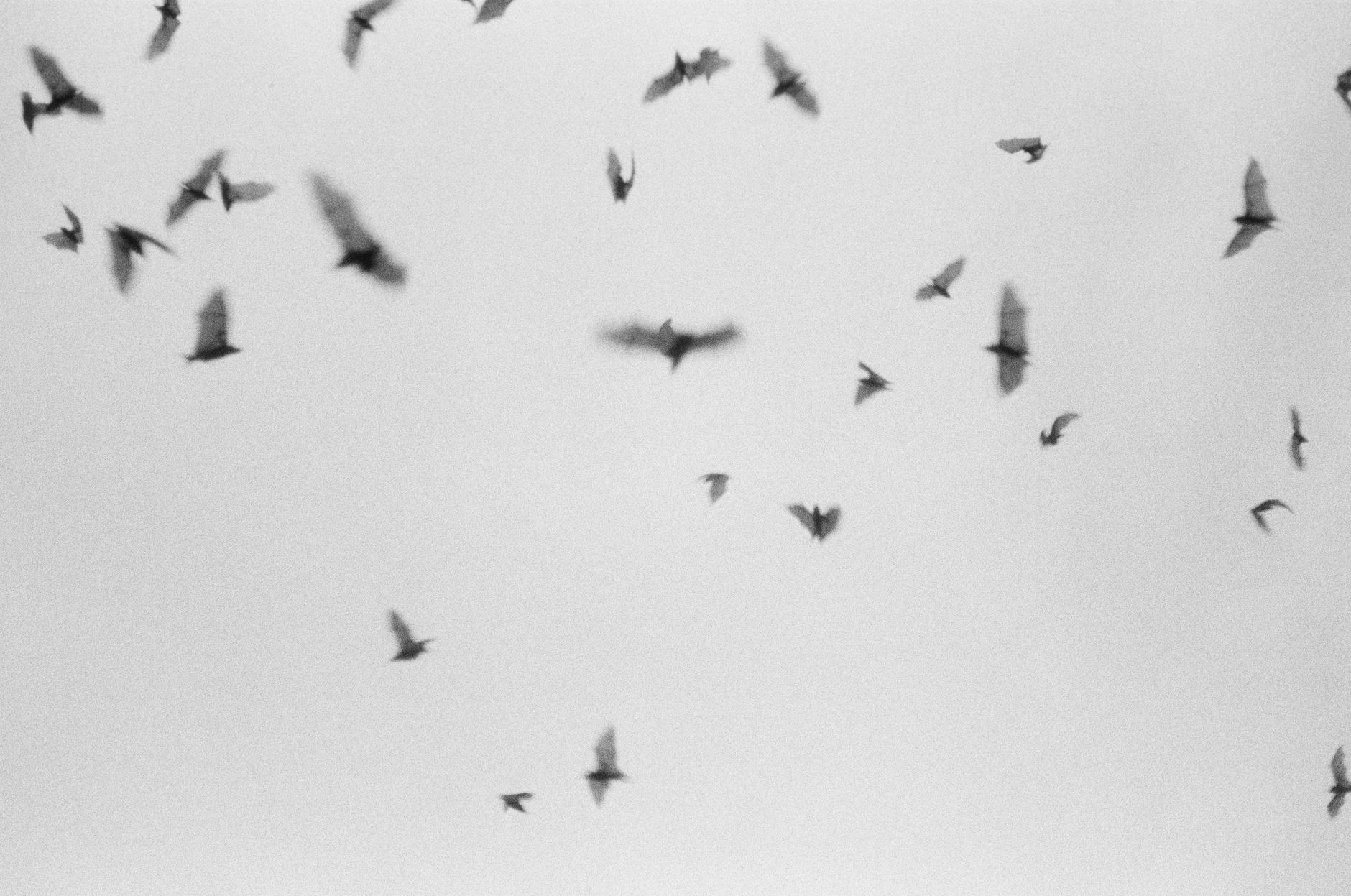
Will a Bat Fly at You? Busting Myths and Understanding Bat Behavior
In most circumstances, no, a bat will not intentionally fly at you. They are generally trying to avoid humans, and any perceived “attack” is usually a bat attempting to navigate in unfamiliar or confusing environments, or, in extremely rare cases, a desperate act of self-defense.

Understanding Bats: Essential Background
Bats, often misunderstood and feared, are vital components of healthy ecosystems. These nocturnal mammals play crucial roles in pollination, insect control, and seed dispersal. Unfortunately, common misconceptions perpetuate unnecessary fear and even lead to the persecution of these beneficial creatures. Understanding bat behavior is the key to dispelling myths and promoting peaceful coexistence.

What colours are fish most attracted to?
Can you put your finger in a trout's mouth?
Is methylene blue anti bacterial?
Does aquarium salt raise pH in aquarium?
Why Bats Appear to Fly Erratically

The perception that bats “fly at” people often stems from their erratic flight patterns, especially indoors. This seemingly erratic movement is usually due to a bat being disoriented. Several factors can contribute to this:
-
Echo Location Limitations: Bats use echolocation to navigate, emitting high-pitched sounds and interpreting the echoes that bounce back. In enclosed spaces with smooth walls, such as rooms, echoes can become muddled and make it difficult for a bat to accurately map its surroundings.
-
Panic and Stress: Being indoors is stressful for a bat. The animal will often be panicking and desperate to find an exit. This panic can lead to unpredictable and seemingly aggressive movements.
-
Air Currents: Bats are incredibly sensitive to air currents. Fluctuations in airflow, especially near open windows or doors, can disrupt their flight patterns.
Common Scenarios Where Encounters Occur
Understanding where and when you might encounter a bat can help prevent perceived “attacks”:
-
Attics and Buildings: Bats sometimes roost in attics, barns, or other structures. If disturbed, they may fly around inside, searching for an exit.
-
Around Lights: Insects are attracted to lights, which in turn attracts bats looking for a meal. This can lead to bats flying near people in lit areas.
-
Natural Habitats: Encounters are more likely in areas where bats naturally forage, such as near forests, rivers, or lakes, especially during twilight hours.
Debunking the Myths: Will a Bat Fly at You?
The common myth that bats intentionally fly into people’s hair is almost always false. A bat is unlikely to deliberately target a human. Any perceived contact is usually accidental. It’s far more likely the bat is trying to catch an insect flying near your head, or is simply trying to navigate away from you.
-
Rabies Concerns: While bats can carry rabies, the incidence of rabies in bats is relatively low. Furthermore, a rabid bat is often too sick to fly or bite. If you have been bitten or scratched by a bat, seek medical attention immediately. Prompt treatment with post-exposure prophylaxis is highly effective in preventing rabies.
-
Fear of the Unknown: Many people’s fear of bats stems from a lack of knowledge. Education is the best way to dispel these fears and promote coexistence.
What to Do If a Bat Enters Your Home
If a bat enters your home, remain calm and follow these steps:
- Isolate the Bat: Confine the bat to a single room by closing interior doors.
- Open Exits: Open windows and doors leading outside, turning off the lights to make it easier for the bat to find its way out. Bats are attracted to darkness.
- Observe (Safely): Watch the bat from a distance. Most bats will find their way out on their own.
- Contact Professionals: If the bat doesn’t leave after a reasonable amount of time, or if you suspect someone has been bitten or scratched, contact animal control or a wildlife rehabilitator.
Preventing Bat Encounters
Taking proactive measures can minimize the chances of unwanted bat encounters:
- Seal Entry Points: Inspect your home for cracks, holes, or other openings that bats could use to enter. Seal these with caulk, netting, or other appropriate materials.
- Install Bat Houses: Providing alternative roosting sites, such as bat houses, can encourage bats to stay away from your home.
- Reduce Outdoor Lighting: Minimizing outdoor lighting reduces insect attraction, which in turn reduces the likelihood of bats being drawn to your property.
The Importance of Bat Conservation
Bats are facing numerous threats, including habitat loss, disease (such as white-nose syndrome), and persecution. Conservation efforts are essential to protect these valuable animals and the ecosystems they support. You can support bat conservation by:
- Educating Yourself and Others: Learn more about bats and share your knowledge with others.
- Supporting Conservation Organizations: Donate to or volunteer with organizations dedicated to bat conservation.
- Protecting Bat Habitats: Advocate for the protection of bat roosting and foraging habitats.
The Future of Bats and Humans: Coexistence is Possible
By understanding bat behavior, dispelling myths, and taking proactive measures, we can foster a peaceful coexistence with these fascinating creatures. The benefits of bats – insect control, pollination, and seed dispersal – are too important to ignore. Embracing bats as valuable members of our ecosystem is essential for a healthy and sustainable future.
Frequently Asked Questions (FAQs)
Is it true that bats are blind?
No, bats are not blind. While some species rely heavily on echolocation, all bats can see. Some species even have excellent vision, particularly those that hunt during the day or twilight hours.
What should I do if I find a bat on the ground?
A bat found on the ground may be injured or ill. Do not attempt to handle the bat with your bare hands. Contact your local animal control or a wildlife rehabilitator for assistance. They can safely capture and assess the bat’s condition.
Are all bats rabid?
No, the vast majority of bats are not rabid. While bats can carry rabies, the incidence of rabies in the bat population is relatively low. However, it is still important to avoid contact with bats and seek medical attention if you are bitten or scratched.
What is echolocation and how does it work?
Echolocation is a sensory system used by bats to navigate and find food in the dark. Bats emit high-pitched sounds and then listen for the echoes that bounce back from objects in their environment. By analyzing these echoes, bats can determine the size, shape, distance, and movement of objects.
What is white-nose syndrome and why is it a threat to bats?
White-nose syndrome is a fungal disease that affects hibernating bats. The fungus grows on the bat’s nose and wings, causing them to arouse more frequently during hibernation, depleting their energy reserves and leading to death. It has devastated bat populations in North America.
How can I attract bats to my yard?
You can attract bats to your yard by providing them with roosting habitat, such as a bat house. Planting native plants that attract insects can also provide bats with a food source. Reducing or eliminating pesticide use will also benefit bats.
What are the benefits of having bats around?
Bats provide numerous benefits to humans and the environment. Insectivorous bats consume large quantities of insects, helping to control pest populations and reduce the need for pesticides. Pollinating bats play a vital role in the reproduction of many plants, including some commercially important crops.
What is the best way to remove a bat from my attic?
The best way to remove a bat from your attic is to use a one-way door or valve. This device allows bats to exit the attic but prevents them from re-entering. This should be done in the late summer or early fall to avoid disturbing young bats that may be present.
Is it legal to kill bats?
In many jurisdictions, it is illegal to kill bats. Bats are often protected by state and federal laws due to their important ecological roles and declining populations. Always check with your local wildlife agency before taking any action that could harm bats.
What is the difference between a fruit bat and an insectivorous bat?
Fruit bats, also known as megabats, primarily eat fruit, nectar, and pollen. Insectivorous bats, also known as microbats, primarily eat insects. Fruit bats are typically larger than insectivorous bats.
How long do bats live?
Some bat species can live for 20 to 30 years in the wild. Their longevity is remarkable for animals of their size.
Are bats dangerous to my pets?
Generally, bats pose minimal risk to pets. Pets are more likely to injure or kill a bat than vice versa. However, if a pet is bitten or scratched by a bat, consult with a veterinarian and your local health department due to the risk of rabies.