

Why Are Owls Active During Daylight Hours? Unveiling Diurnal Owl Behavior
Sometimes you see an owl during the day, and you might wonder why. Owls may be out during the day primarily due to hunger, disturbance of their nighttime habitat, or during breeding season when the demand for food is highest.
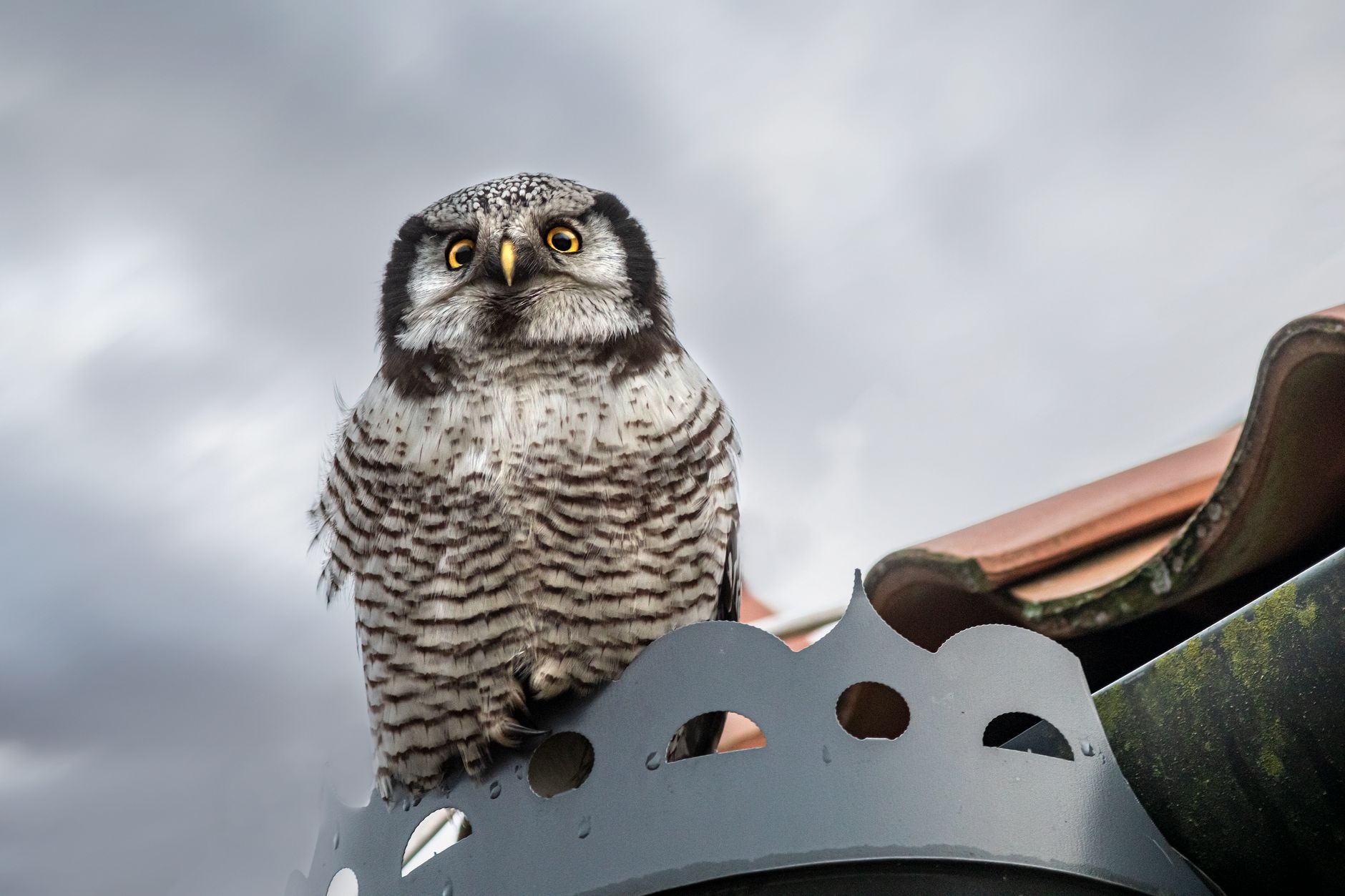
Owls, renowned for their nocturnal habits, often conjure images of shadowy figures gliding through moonlit forests. However, the reality of owl behavior is far more nuanced. While most owl species are indeed most active at night, diurnal, or daytime, owl sightings are not uncommon. Understanding why would owls be out during the day? requires delving into a complex interplay of ecological factors, individual owl circumstances, and the intricacies of their survival strategies.
Understanding Owl Nocturnality
Traditionally, owls have evolved as nocturnal hunters to exploit a niche where competition from other birds of prey, like hawks and eagles, is reduced. This allows them to target prey that are also more active during the night, such as rodents, insects, and other small mammals. Their specialized adaptations, including exceptional night vision and near-silent flight, further enhance their effectiveness in this dark environment.

Is distilled water good for goldfish?
What colours are fish most attracted to?
Can you put your finger in a trout's mouth?
Is methylene blue anti bacterial?
The Primary Reasons for Diurnal Owl Activity

There are several reasons why would owls be out during the day?:
-
Hunger and Prey Availability: If food is scarce, an owl may be forced to hunt during the day to secure a meal. This is particularly true during harsh winters or periods of drought when rodent populations decline. Juvenile owls, still honing their hunting skills, may also be seen during the day as they struggle to find food.
-
Disturbance of Habitat: Construction, deforestation, or other human activities can disrupt an owl’s preferred hunting grounds and roosting sites. Displaced owls may be forced to hunt during the day as they search for new territories or alternative food sources. Loud noises, such as fireworks, can also disrupt their sleep and cause them to become active during daylight.
-
Breeding Season and Parental Duties: During breeding season, the demand for food significantly increases as parent owls must feed their growing chicks. This added pressure can lead to diurnal hunting behavior, especially in species where the male owl is solely responsible for providing food for the entire family.
-
Injury or Illness: An injured or sick owl may be less efficient at hunting at night, making it more likely to be seen during the day. Daytime activity can be a sign of distress or an attempt to compensate for physical limitations.
Species-Specific Behavior
While many owl species are primarily nocturnal, some are more prone to diurnal activity than others.
-
Northern Hawk-Owl: This species is a dedicated diurnal hunter, often observed perched atop trees or poles, scanning for prey. Its hunting strategy involves keen eyesight and agile flight, making it well-suited for daytime hunting.
-
Short-Eared Owl: While generally crepuscular (active at dawn and dusk), the Short-Eared Owl can frequently be seen hunting during the day, particularly in open fields and grasslands. This behavior is partly dictated by the availability of prey in these habitats.
-
Snowy Owl: Famous for its striking white plumage, the Snowy Owl is predominantly diurnal, especially during the Arctic summer when the sun barely sets. This adaptation allows it to hunt lemmings and other prey in the treeless tundra.
Factors Affecting Diurnal Owl Sightings
Several environmental and ecological factors can influence the likelihood of observing an owl during the day:
- Season: Diurnal owl sightings are more common during the winter months when food scarcity is prevalent and during the breeding season when the demand for food increases.
- Habitat: Owls inhabiting open habitats, such as grasslands and meadows, are more likely to be seen during the day compared to those living in dense forests.
- Geographic Location: In regions with long daylight hours, such as the Arctic during summer, some owl species exhibit predominantly diurnal behavior.
Here are some comparative details:
| Feature | Nocturnal Owl | Diurnal Owl |
|---|---|---|
| Primary Activity | Night | Day |
| Vision Adaptation | Specialized for low-light conditions | Adapted for both day and low-light conditions |
| Hunting Strategy | Ambush predator, relying on stealth and sound | Pursuit predator, relying on eyesight |
| Example Species | Barn Owl, Great Horned Owl | Northern Hawk Owl, Snowy Owl |
FAQs
Why are owls usually nocturnal?
Owls are typically nocturnal because they have evolved to exploit a niche where competition from other birds of prey is reduced. Their specialized adaptations, such as exceptional night vision and silent flight, make them highly effective hunters in low-light conditions.
Is it rare to see an owl during the day?
While not common, seeing an owl during the day is not necessarily rare. It depends on the species, the time of year, and the specific environmental conditions. Some species, like the Northern Hawk-Owl, are regularly active during daylight hours.
What should I do if I see an owl during the day?
If you see an owl during the day, observe it from a respectful distance and avoid disturbing it. If the owl appears injured or distressed, contact your local wildlife rehabilitation center.
Are young owls more likely to be seen during the day?
Yes, young owls, especially those learning to hunt, are often seen during the day as they hone their skills and attempt to secure food. They may not be as efficient as adult owls at hunting at night.
Does climate change impact owl behavior and daylight activity?
Yes, climate change can indirectly impact owl behavior. Altered weather patterns can affect prey populations, forcing owls to adjust their hunting strategies, including hunting during the day.
Do urban environments contribute to daylight owl sightings?
Yes, the loss of natural habitats and increased human activity in urban environments can disrupt owl routines, leading them to be seen more frequently during the day as they search for food and shelter.
Is the Great Horned Owl ever seen during the day?
The Great Horned Owl is primarily nocturnal but can occasionally be seen during the day, especially during breeding season when food demands are high or if their habitat has been disturbed.
What is crepuscular activity in owls?
Crepuscular activity refers to being most active during twilight periods – dawn and dusk. Some owl species, such as the Short-Eared Owl, are primarily crepuscular hunters.
How does prey availability influence diurnal behavior in owls?
When prey is scarce or difficult to find at night, owls may be forced to hunt during the day to meet their energy needs. This is particularly true during the winter months or periods of environmental stress.
What are the physical adaptations that help owls hunt during the day?
Although nocturnal experts, some owls have vision adapted for both day and night. Northern Hawk Owls have a larger range of focus and movement, allowing them to hunt during the day.
How can human activities affect owl behavior?
Human activities such as deforestation, construction, and the use of pesticides can disrupt owl habitats, reduce prey populations, and alter their hunting patterns. These disruptions can lead to increased diurnal activity as owls search for new territories and food sources.
What role does competition with other predators play in owl activity times?
The competition with daytime predators like hawks and eagles influences owl activity, causing many species to adopt nocturnality as a strategy to avoid direct competition for prey. However, in some cases, the need for food can outweigh the risk of competition, leading to diurnal hunting.