
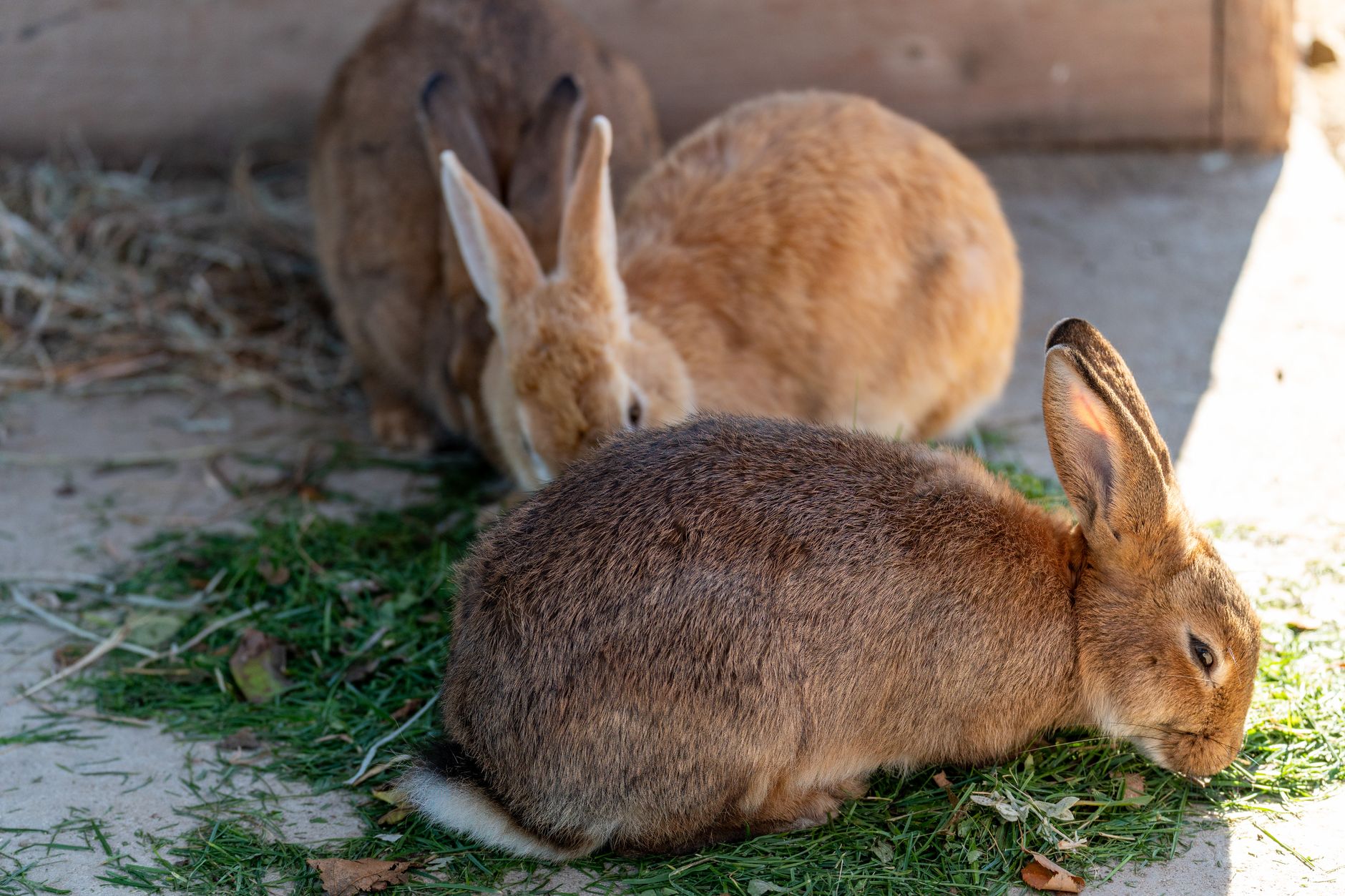
What Do Rabbits Eat the Most? Unveiling the Dietary Secrets of Your Bunny
Rabbits thrive on a diet primarily composed of hay, which should make up the bulk of their daily intake. This is supplemented with smaller amounts of fresh greens and high-quality pellets.
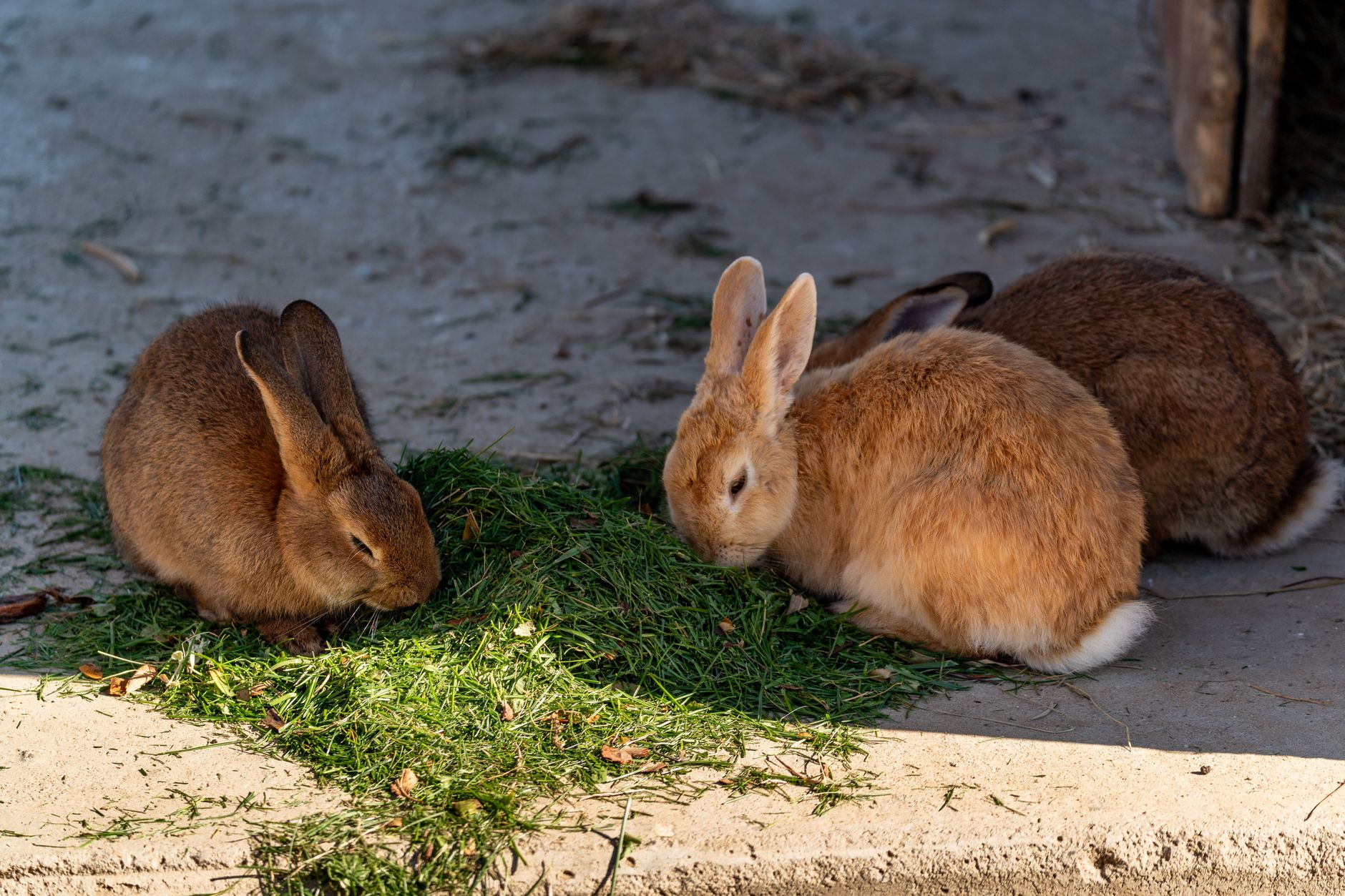
Understanding the Rabbit’s Digestive System
Rabbits possess a unique digestive system, particularly adapted for processing fibrous plant material. Unlike humans, they extract maximum nutrition through a process called cecotrophy. This involves consuming soft, nutrient-rich fecal pellets (cecotropes) directly from the anus, allowing them to absorb essential vitamins and minerals produced by beneficial bacteria in their cecum. Understanding this process is crucial to understanding what do rabbits eat the most? for optimal health.

What do California tiger salamanders eat?
What is the most invasive plant in Australia?
What is the GREY African clawed frog?
Is distilled water good for goldfish?
The Importance of Hay: The Cornerstone of a Healthy Diet
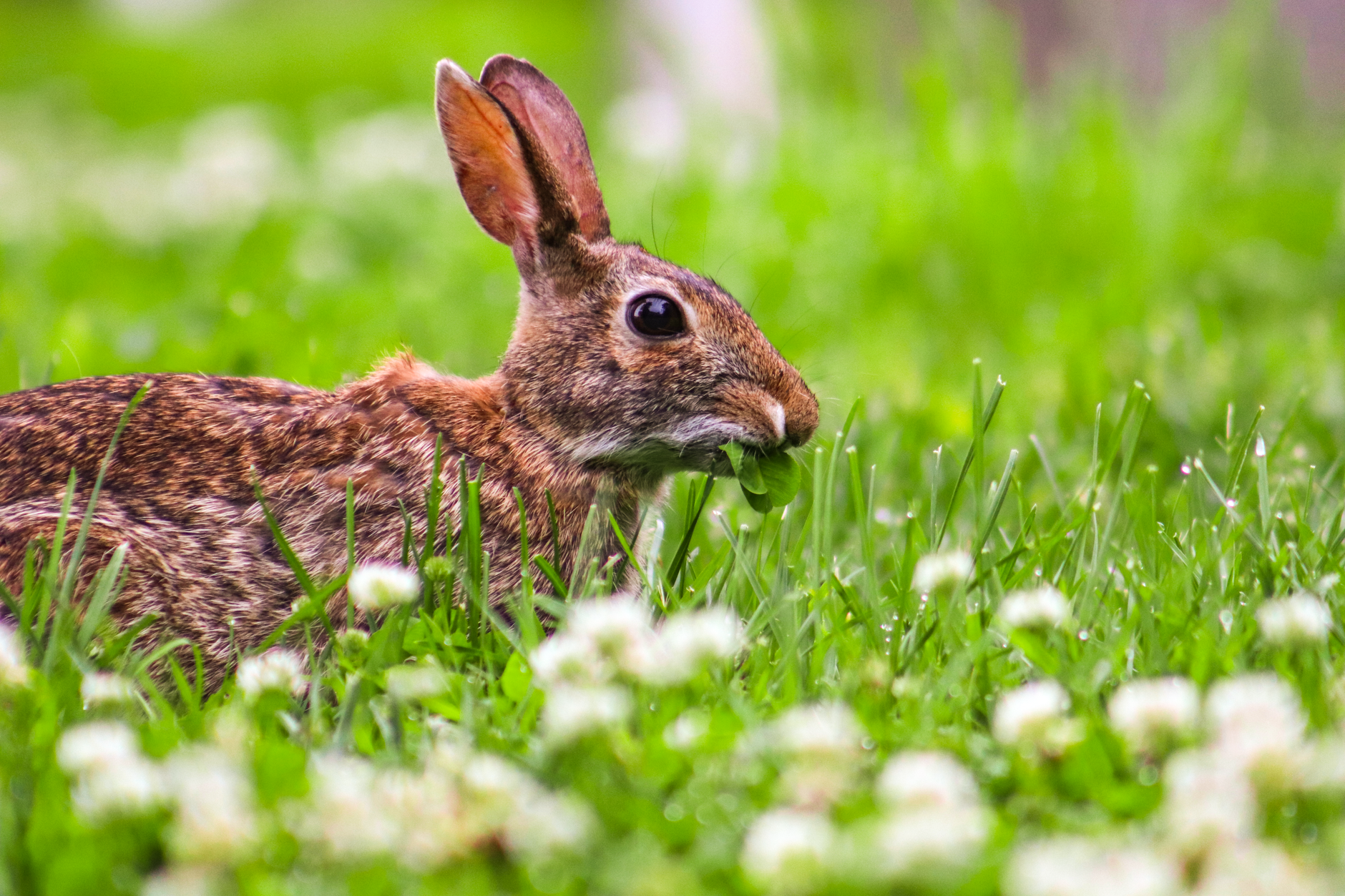
Hay is the single most important component of a rabbit’s diet. It provides the necessary fiber to keep their digestive system functioning properly and helps to prevent dental problems.
- Why Hay Matters: High-fiber diets prevent stasis (slowing down or stopping of the digestive tract), a potentially fatal condition in rabbits.
- Dental Health: Chewing hay for extended periods grinds down their continuously growing teeth, preventing malocclusion (misalignment of teeth).
Types of Hay:
- Timothy Hay: The most commonly recommended hay for adult rabbits.
- Orchard Grass Hay: A good alternative to Timothy hay.
- Oat Hay: A palatable option, but less nutritious than Timothy or Orchard grass.
- Alfalfa Hay: High in calcium and protein, suitable for young rabbits (under 6 months) but should be limited in adult rabbits to prevent kidney problems.
Fresh Greens: A Daily Delight
Fresh greens are an essential part of a balanced rabbit diet, providing vitamins, minerals, and moisture.
- Variety is Key: Offer a mix of at least three different types of greens daily.
- Safety First: Introduce new greens slowly to avoid digestive upset. Wash all greens thoroughly before feeding.
- Good Choices: Romaine lettuce, dark leaf lettuce, cilantro, parsley, basil, dandelion greens (pesticide-free), carrot tops, and kale (in moderation).
- Avoid: Iceberg lettuce (lacks nutritional value and can cause diarrhea), rhubarb leaves (toxic), and avocado (toxic).
Pellets: A Supplement, Not a Staple
High-quality rabbit pellets should be a supplement to hay and fresh greens, not the main component of their diet.
- Limit Quantity: Overfeeding pellets can lead to obesity and digestive problems. A general guideline is 1/4 cup of pellets per 5 pounds of body weight per day.
- Choose Wisely: Select pellets that are high in fiber (at least 18%) and low in protein and calcium. Avoid pellets with added seeds, nuts, or dried fruits.
- Ingredients Matter: Look for pellets where hay is the first ingredient listed.
Water: Always Available and Fresh
Fresh, clean water should always be available to your rabbit. Use a heavy ceramic bowl or a sipper bottle. Clean the bowl or bottle daily to prevent bacterial growth. Dehydration can quickly become a serious problem for rabbits.
Treats: Use Sparingly and Carefully
Treats should be given in very limited quantities and should consist of healthy options.
- Good Choices: Small pieces of fresh fruit (apple, banana, berries), unsweetened shredded coconut (very small amount), or a small piece of carrot.
- Avoid: Sugary treats, chocolate, crackers, bread, and other processed foods.
- Monitor Response: Watch for signs of digestive upset after introducing any new treat.
Common Mistakes in Rabbit Feeding
Many rabbit owners inadvertently make mistakes when feeding their rabbits, leading to health problems.
- Overfeeding Pellets: The most common mistake.
- Insufficient Hay: Neglecting the importance of hay as the primary food source.
- Feeding Unsafe Foods: Not researching which foods are toxic to rabbits.
- Sudden Dietary Changes: Introducing new foods too quickly.
- Lack of Fresh Water: Not providing constant access to clean water.
- Giving Too Many Sugary Treats: Contributing to obesity and dental problems.
Feeding Schedule Example
| Meal | Food | Amount | Frequency |
|---|---|---|---|
| Morning | Fresh Greens | 1-2 cups per 5lbs of body weight, mix of 3+ types | Daily |
| Pellets | 1/4 cup per 5lbs of body weight (high-fiber variety) | Daily | |
| Throughout Day | Hay (Timothy, Orchard) | Unlimited, always available | Replenish |
| Water | Fresh, clean water | Refill daily | |
| Occasionally | Treats (fruit, vegetable) | Small piece, no more than 1-2 times per week | As needed |
Frequently Asked Questions (FAQs)
What kind of hay is best for my adult rabbit?
Timothy hay is generally considered the best choice for adult rabbits. It provides the necessary fiber for healthy digestion and helps to wear down their teeth. Orchard grass hay is a good alternative.
Can I feed my rabbit iceberg lettuce?
No, you should avoid feeding your rabbit iceberg lettuce. It has very little nutritional value and can cause diarrhea due to its high water content.
How much pellets should I give my rabbit?
A general guideline is 1/4 cup of high-fiber pellets per 5 pounds of body weight per day. Overfeeding pellets can lead to obesity and digestive issues.
Is fruit good for rabbits?
Fruit can be given as an occasional treat, but it should be offered in very limited quantities due to its high sugar content. Small pieces of apple, banana, or berries are suitable options.
What are cecotropes, and why are they important?
Cecotropes are soft, nutrient-rich fecal pellets that rabbits produce and consume. They contain essential vitamins and minerals that the rabbit’s body needs, making them a vital part of their digestive process. This also influences what do rabbits eat the most?.
Can rabbits eat chocolate?
Absolutely not. Chocolate is toxic to rabbits and should never be given to them. It can cause serious health problems and even death.
How often should I change my rabbit’s water?
You should change your rabbit’s water daily to ensure it is fresh and clean. This helps to prevent the growth of bacteria and keeps your rabbit hydrated.
What are some signs that my rabbit isn’t eating properly?
Signs of improper eating habits in rabbits include decreased appetite, weight loss, diarrhea, or the absence of fecal pellets. If you notice any of these signs, consult with a veterinarian immediately.
Can I give my rabbit garden weeds?
Some garden weeds are safe for rabbits to eat, but it’s crucial to identify them correctly and ensure they haven’t been treated with pesticides or herbicides. Dandelion greens, for example, are generally safe. When in doubt, avoid offering garden weeds.
Is alfalfa hay good for adult rabbits?
Alfalfa hay is high in calcium and protein, making it more suitable for young, growing rabbits (under 6 months) rather than adult rabbits. Too much alfalfa hay in adult rabbits can lead to kidney problems.
What should I do if my rabbit stops eating?
If your rabbit stops eating, it’s a medical emergency and you should seek veterinary attention immediately. A lack of appetite can indicate a serious underlying health issue.
What do rabbits eat the most? when their health is optimal?
When rabbits are in optimal health, what do rabbits eat the most? is primarily hay. The remainder of their diet is properly balanced with high-quality pellets and fresh greens.