
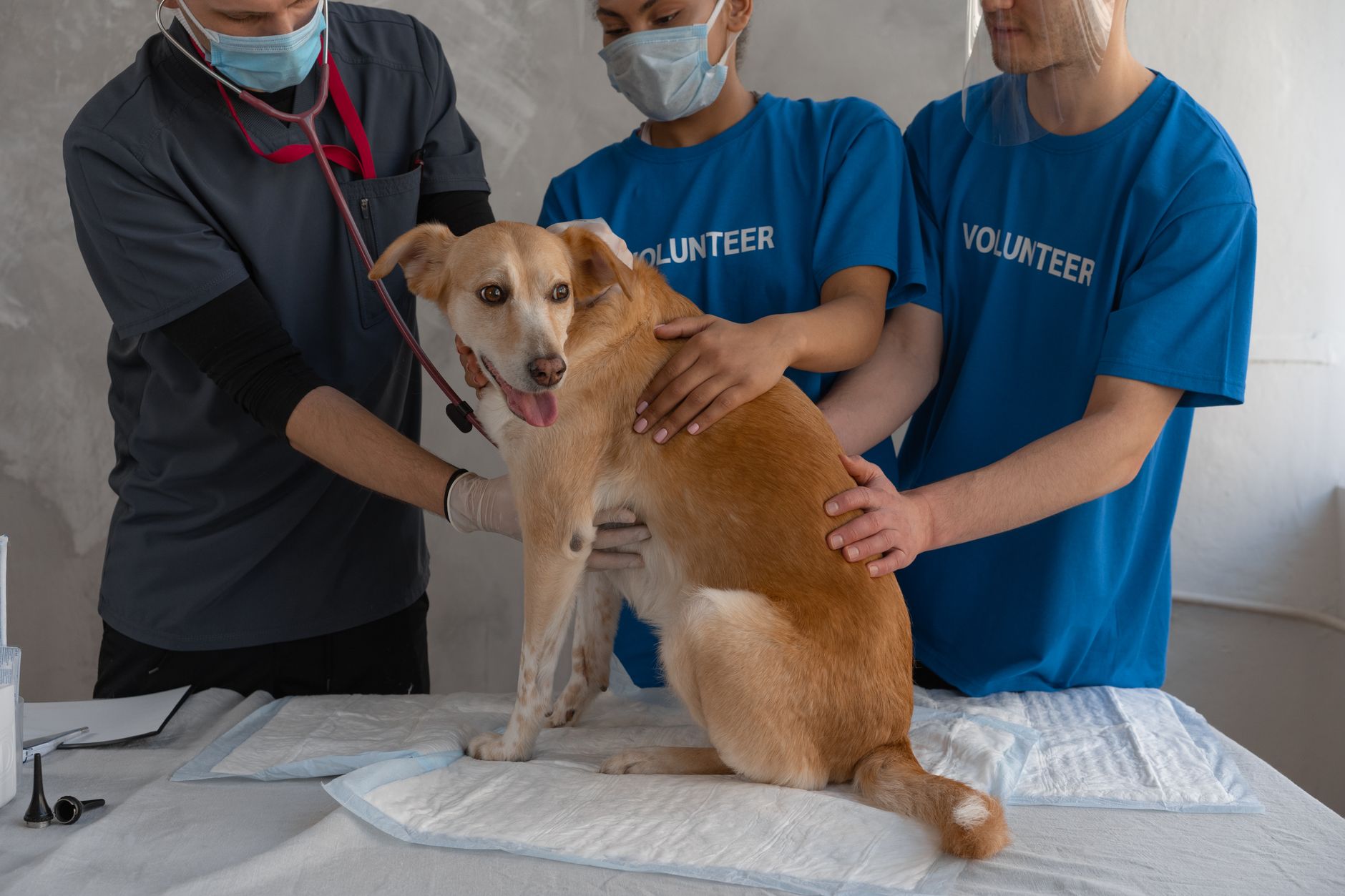
Why Helping Homeless Animals Matters: A Moral Imperative
Helping homeless animals is a crucial act of compassion that alleviates suffering, improves public health, and strengthens our communities. It’s not just about animal welfare, it’s about creating a more humane society.

Introduction: The Plight of the Unwanted
The problem of homeless animals is a global crisis, a heartbreaking reality that echoes in shelters, on streets, and in the silent cries of creatures yearning for a place to call home. Millions of animals, from companion dogs and cats to abandoned rabbits and even farm animals, face starvation, disease, and the constant threat of danger. Understanding the scale of this problem is the first step in addressing it. Why should we help homeless animals? The answer lies in our shared responsibility to protect the vulnerable and create a world where all living beings have the opportunity to thrive.
What colours are fish most attracted to?
Can you put your finger in a trout's mouth?
Is methylene blue anti bacterial?
Does aquarium salt raise pH in aquarium?
The Scope of the Problem

The sheer number of homeless animals is staggering. Shelters are often overcrowded, resources are stretched thin, and the fate of many animals hangs in the balance.
- Overpopulation: Unspayed and unneutered animals contribute to exponential growth, creating more unwanted litters than there are available homes.
- Abandonment: Economic hardship, changing lifestyles, and irresponsible ownership lead to pets being abandoned on the streets or surrendered to shelters.
- Natural Disasters: Hurricanes, wildfires, and other disasters displace animals, leaving them vulnerable and without resources.
The Benefits of Helping Homeless Animals
There are profound benefits to assisting homeless animals, impacting not only the animals themselves but also the community as a whole.
- Reduces Suffering: Providing food, shelter, and medical care alleviates the immediate suffering of animals living in harsh conditions.
- Improves Public Health: Controlling animal populations through spay/neuter programs reduces the spread of diseases that can be transmitted to humans.
- Strengthens Communities: Compassionate communities are safer and more supportive for all residents, human and animal alike.
- Emotional Well-being: Interacting with animals has been shown to reduce stress, lower blood pressure, and improve overall mental health.
How to Help Homeless Animals
There are many ways to make a difference in the lives of homeless animals, from small acts of kindness to significant commitments of time and resources.
- Adopt: Adopt, don’t shop! Give a homeless animal a loving home and a second chance at life.
- Foster: Provide temporary care for animals awaiting adoption, freeing up space in shelters and giving them a safe and comfortable environment.
- Donate: Support local animal shelters and rescue organizations with financial donations, food, supplies, and other resources.
- Volunteer: Donate your time to walk dogs, cuddle cats, clean kennels, and assist with adoption events.
- Spay/Neuter: Help prevent overpopulation by ensuring your own pets are spayed or neutered, and advocate for affordable spay/neuter programs in your community.
- Educate: Raise awareness about the plight of homeless animals and encourage responsible pet ownership.
Common Mistakes to Avoid
While well-intentioned, some actions can inadvertently harm homeless animals.
- Feeding Stray Animals Without a Plan: Providing food without securing veterinary care or long-term support can create dependence and exacerbate overpopulation.
- Supporting Puppy Mills and Backyard Breeders: Purchasing animals from these sources perpetuates cruelty and neglect.
- Releasing Unwanted Animals into the Wild: Domestic animals are often ill-equipped to survive in the wild and may suffer or disrupt the local ecosystem.
- Ignoring Local Animal Control Laws: Familiarize yourself with local regulations regarding animal care and reporting animal cruelty.
The Importance of Spay and Neuter Programs
Spay and neuter programs are arguably the most effective way to combat animal homelessness. These programs not only reduce the number of unwanted animals but also offer numerous health benefits for individual animals.
| Feature | Spaying (Females) | Neutering (Males) |
|---|---|---|
| Health Benefits | Reduced risk of uterine infections and mammary cancer | Reduced risk of prostate cancer and some behavioral issues |
| Population Control | Prevents unwanted pregnancies | Reduces roaming and aggression |
| Cost-Effectiveness | Cheaper than caring for multiple litters | More affordable in the long run than treating health problems |
Conclusion: A Call to Action
The question of why should we help homeless animals? has no singular, simple answer. It’s a confluence of ethical considerations, a recognition of our shared responsibility, and a commitment to building a more compassionate world. Every action, no matter how small, can make a difference. Let’s work together to alleviate the suffering of homeless animals and create a future where every animal has the opportunity to live a healthy, happy, and fulfilling life.
Frequently Asked Questions (FAQs)
What is the biggest challenge facing homeless animals today?
The biggest challenge is overpopulation. An abundance of animals and a limited number of loving homes create a persistent crisis of suffering, neglect, and limited resources for care.
How can I tell if an animal is truly homeless and needs my help?
Observe the animal’s condition. Signs of neglect include visible ribs, matted fur, skin conditions, and a fearful or withdrawn demeanor. If an animal seems lost or abandoned, contact your local animal control or rescue organization.
Is it safe to approach a stray animal?
Approaching stray animals can be risky, as their behavior is unpredictable. It’s best to observe from a distance and contact animal control or a local rescue group for assistance.
What are the ethical considerations of animal rescue?
Ethical considerations include respecting the animal’s autonomy, ensuring their welfare is the priority, and avoiding actions that could cause harm or disrupt their natural behavior. Responsible rescue also involves addressing the root causes of homelessness, such as overpopulation.
How do animal shelters prioritize which animals to help?
Shelters often prioritize based on factors like medical needs, temperament, and adoptability. They may also focus on animals at the highest risk of euthanasia due to overcrowding.
What is the difference between a rescue organization and an animal shelter?
Animal shelters are typically government-run facilities that house stray and surrendered animals. Rescue organizations are usually non-profit groups that focus on rescuing specific breeds or types of animals, often from high-kill shelters.
Can I start my own animal rescue organization? What does that entail?
Starting an animal rescue requires significant commitment, resources, and legal compliance. You’ll need to obtain non-profit status, establish policies and procedures, secure funding, and recruit volunteers.
What are the long-term effects of homelessness on animals?
Long-term homelessness can have devastating effects on an animal’s physical and mental health. They may suffer from malnutrition, disease, injuries, and psychological trauma.
What are the most effective strategies for reducing animal homelessness in a community?
Effective strategies include affordable spay/neuter programs, public education campaigns, stronger animal welfare laws, and community outreach programs.
How can I encourage my friends and family to support homeless animals?
Share information about the plight of homeless animals through social media, personal conversations, and by inviting them to volunteer at local shelters. Lead by example by adopting, fostering, or donating.
What are some common misconceptions about animal shelters and rescue organizations?
Some common misconceptions include that shelters are depressing places, that rescue animals are damaged goods, or that shelters are filled with aggressive animals. In reality, shelters are filled with loving animals waiting for a second chance.
What is the role of government in addressing animal homelessness?
Government plays a crucial role in enacting and enforcing animal welfare laws, funding animal control services, supporting spay/neuter programs, and regulating animal shelters.