

Why Jet Engines are Never Protected in the Front: Unveiling the Engineering Trade-offs
Jet engines aren’t protected at the front primarily because any protective structure would drastically reduce the engine’s efficiency and increase its weight, outweighing the benefits of protection against minor foreign object damage (FOD). This fundamental design choice reflects a crucial balance between performance and risk mitigation.

The Unshielded Inlet: A Deliberate Design Choice
The absence of protective shielding at the front of jet engines is a deliberate engineering decision predicated on optimizing performance. While intuitively, one might assume a protective screen or grid would be beneficial, the reality is far more complex. The design principles governing jet engine intake are inherently aerodynamic. Any obstruction, no matter how seemingly insignificant, can dramatically disrupt airflow, leading to a cascade of negative effects.

What colours are fish most attracted to?
Can you put your finger in a trout's mouth?
Is methylene blue anti bacterial?
Does aquarium salt raise pH in aquarium?
Aerodynamic Imperatives and Efficiency Losses
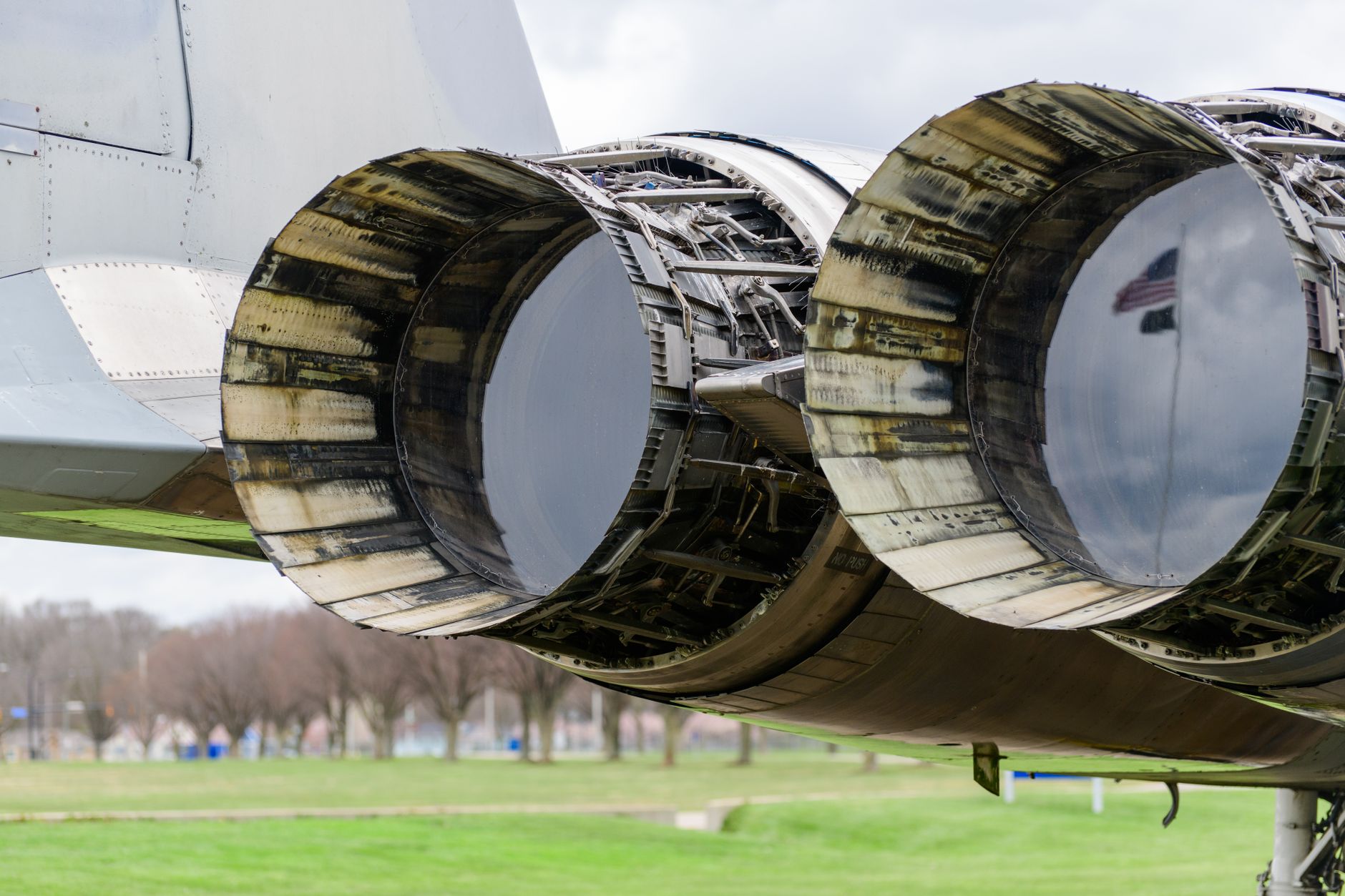
The primary goal of a jet engine inlet is to provide a smooth, uniform, and undisturbed stream of air to the compressor stage. This is crucial for efficient combustion and thrust generation.
- Turbulence: Even a fine mesh screen would create turbulence, which reduces the efficiency of the compressor and increases fuel consumption.
- Pressure Loss: Any obstruction causes a pressure drop in the incoming airflow, diminishing the overall thrust produced by the engine.
- Weight Penalty: Adding any protective structure increases the overall weight of the engine, further reducing the thrust-to-weight ratio and impacting aircraft performance.
The Risks of Foreign Object Damage (FOD)
Foreign Object Damage (FOD) is a significant concern in aviation. Debris such as birds, small rocks, tools, and even ice can be ingested into the engine, potentially causing damage to the compressor blades and other internal components. While FOD poses a real threat, the consequences are carefully weighed against the performance penalties of shielding.
Engine Design and Mitigation Strategies
Instead of front-end protection, jet engine manufacturers employ various strategies to mitigate FOD damage:
- Robust Blade Design: Compressor blades are designed to withstand impacts from small objects.
- Inlet Design Optimization: Carefully shaped inlets help deflect larger objects away from the engine core.
- Operational Procedures: Ground crews are trained to meticulously inspect the runway and surrounding areas for debris. Pilots are also trained to avoid bird strikes when possible.
- Centrifugal Force: The design relies on the high centrifugal force generated by the rotating blades to eject some smaller FOD particles outward.
- Material Selection: Using high-strength, lightweight materials like titanium alloys helps to improve the engine’s resistance to FOD.
Cost-Benefit Analysis
The decision of Why jet engines are never protected in the front? boils down to a cost-benefit analysis. The potential damage from FOD is weighed against the significant performance penalties (reduced efficiency, increased weight, higher fuel consumption) that would result from adding a protective screen. For commercial aircraft, the operational cost of fuel outweighs the relatively infrequent instances of significant FOD damage.
The Exception: Helicopters and Certain Military Applications
While most jet engines lack frontal protection, there are exceptions. Helicopters, operating in environments prone to FOD, sometimes use particle separators or screens. However, these are often incorporated internally to the engine rather than as a frontal shield, minimizing the impact on airflow. Similarly, some military aircraft operating from austere environments may employ similar, albeit carefully designed, FOD mitigation strategies. These are typically specialized solutions that accept some performance trade-offs for enhanced operational capability in demanding conditions.
Future Technologies
Research continues into advanced FOD mitigation technologies that minimize performance penalties. These include:
- Active FOD Detection Systems: Using sensors to detect incoming objects and trigger protective mechanisms.
- Adaptive Inlet Designs: Inlets that can adjust their shape to deflect FOD while maintaining optimal airflow.
- Advanced Materials: Developing new materials that are both lightweight and highly resistant to FOD.
| Feature | No Frontal Protection | With Frontal Protection |
|---|---|---|
| Efficiency | High | Lower |
| Weight | Low | Higher |
| Complexity | Lower | Higher |
| FOD Vulnerability | Present | Reduced |
| Fuel Consumption | Low | Higher |
| Maintenance | Lower Cost | Potentially Higher Cost |
Why jet engines are never protected in the front? is a complex engineering challenge requiring a delicate balance between performance, safety, and operational costs. The current design philosophy prioritizes efficiency and minimizes weight, relying on other mitigation strategies to manage the risk of FOD.
Frequently Asked Questions (FAQs) about Jet Engine Protection
Why is efficiency so important in jet engine design?
Efficiency is paramount because it directly impacts fuel consumption, which represents a significant portion of an airline’s operating costs. Even a small improvement in engine efficiency can translate to substantial savings over the lifespan of an aircraft. Furthermore, higher efficiency translates to lower emissions, contributing to a more environmentally friendly operation.
What types of FOD are most damaging to jet engines?
Large, hard objects like rocks, large birds, or metallic debris pose the greatest threat. These objects can cause significant damage to the compressor blades, leading to engine failure. Smaller, softer objects, like smaller birds or ice, are less likely to cause catastrophic damage but can still degrade engine performance over time.
How do inlet designs help mitigate FOD?
Inlet designs are carefully shaped to create a smooth, streamlined airflow into the engine. Some designs incorporate features that help deflect larger objects away from the engine core. For example, some inlets use a splitter vane to separate the boundary layer air (which may contain debris) from the main airflow.
What are the consequences of FOD ingestion?
The consequences of FOD ingestion can range from minor blade damage and performance degradation to catastrophic engine failure. Damaged blades can lead to imbalance, vibration, and further damage to other engine components. In severe cases, an engine failure can necessitate an emergency landing.
Are there any specific situations where FOD risk is higher?
Yes, certain situations increase the risk of FOD. These include:
- Takeoff and Landing: When the aircraft is closest to the ground.
- Operations in Austere Environments: Unpaved or poorly maintained runways.
- Areas with High Bird Populations: Bird strikes are a significant concern, especially during migration seasons.
How are jet engine blades designed to withstand FOD?
Compressor blades are typically made from high-strength materials like titanium alloys and are designed with specific airfoil shapes to maximize aerodynamic performance and withstand impacts. They may also be coated with protective materials to improve their resistance to erosion and corrosion.
What role do ground crews play in preventing FOD?
Ground crews play a crucial role in preventing FOD by conducting thorough inspections of the runway and surrounding areas before takeoff and landing. They remove any debris that could pose a threat to the aircraft. Regular maintenance and cleaning of the ramp area are also essential.
How does engine maintenance contribute to FOD prevention?
Regular engine maintenance helps to identify and address any potential issues that could increase the engine’s susceptibility to FOD damage. This includes inspecting and repairing any damaged blades, as well as ensuring that the engine’s internal components are clean and properly lubricated.
Are there any regulations regarding FOD prevention?
Yes, aviation authorities such as the FAA (Federal Aviation Administration) and EASA (European Union Aviation Safety Agency) have regulations and guidelines in place to address FOD prevention. These regulations cover various aspects, including runway inspections, maintenance procedures, and training for ground personnel.
Is it possible to retrofit existing jet engines with FOD protection?
While retrofitting existing engines with comprehensive frontal protection is generally not feasible due to the significant performance penalties, some modifications can be made to improve FOD resistance. These might include improvements to the inlet design or the addition of coatings to the compressor blades.
What are some examples of successful FOD prevention programs?
Many airlines and airports have implemented successful FOD prevention programs that have significantly reduced the incidence of FOD-related incidents. These programs typically involve a combination of runway inspections, employee training, and the use of specialized equipment for FOD removal.
How might future jet engine designs address the FOD challenge?
Future jet engine designs may incorporate advanced technologies such as active FOD detection systems, adaptive inlet designs, and new materials that are both lightweight and highly resistant to FOD. The goal is to minimize the risk of FOD damage without compromising engine performance.