

Why is the Kenai River So Blue? Unveiling the Glacial Secret
The Kenai River’s astonishingly vibrant blue hue is primarily due to the presence of glacial flour, finely ground rock particles suspended in the water, reflecting sunlight in a unique and breathtaking way. This article explores the science and beauty behind this natural phenomenon.

The Allure of the Kenai: A River Like No Other
The Kenai River, meandering through the heart of Alaska’s Kenai Peninsula, is renowned not only for its abundant salmon runs but also for its striking, almost surreal, blue color. This intense color, particularly noticeable on sunny days, has captivated anglers, photographers, and nature enthusiasts for generations. Understanding why is the Kenai River so blue requires delving into the river’s glacial origins and the physical properties of light.

Is distilled water good for goldfish?
What colours are fish most attracted to?
Can you put your finger in a trout's mouth?
Does aquarium salt raise pH in aquarium?
Glacial Origins: The Key Ingredient
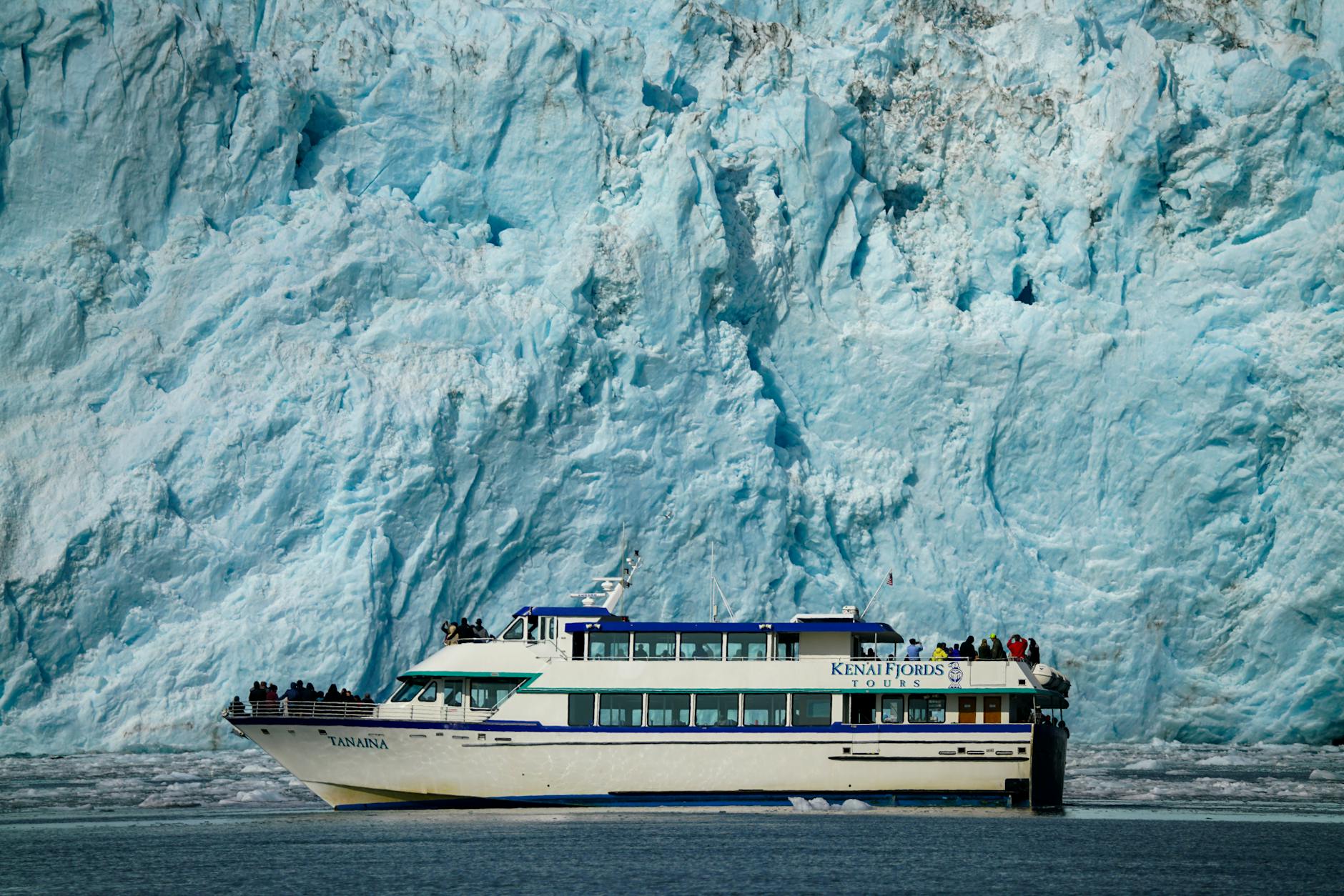
The Kenai River’s source lies in the Kenai Mountains, a range heavily sculpted by glaciers. These massive ice rivers, as they grind their way across the landscape, pulverize the underlying rock into an incredibly fine powder. This powder, known as glacial flour or rock flour, is composed of tiny particles of silt and clay. The water flowing from these glaciers, known as glacial meltwater, carries this sediment downstream.
The Science of Scattering: How Light Creates the Magic
The secret to the Kenai’s blue color lies in how light interacts with the glacial flour suspended in the water. When sunlight enters the water, it collides with these microscopic particles. This collision causes the light to scatter. Shorter wavelengths of light, such as blue and violet, are scattered more effectively than longer wavelengths, such as red and orange.
Therefore, the blue light is scattered in all directions, making the water appear predominantly blue to the human eye. This phenomenon is known as Rayleigh scattering, the same effect that makes the sky appear blue. The concentration of glacial flour determines the intensity of the color. The higher the concentration, the more intense the blue.
Factors Influencing the Intensity of the Blue
The intensity of the blue color in the Kenai River isn’t constant. Several factors can influence it, including:
- Season: Glacial melt is typically highest during the summer months, leading to a greater concentration of glacial flour in the river. This results in a more intense blue color.
- Weather: Sunny days enhance the scattering effect, making the blue color more vibrant. Cloudy days diminish the effect.
- Location: The concentration of glacial flour tends to decrease further downstream as the sediment settles out or is diluted by tributaries. Thus, the upper reaches of the river, closer to the glacial sources, typically exhibit the most intense blue.
- Water Level: Higher water levels, often caused by snowmelt or rainfall, can dilute the concentration of glacial flour, reducing the intensity of the blue color.
The Broader Impact of Glacial Flour
While the blue color is visually stunning, glacial flour also has ecological implications. The sediment reduces water clarity, limiting sunlight penetration. This can impact aquatic plant growth and, consequently, the food web. However, the fine particles also provide essential nutrients to the ecosystem.
The Kenai’s Iconic Blue: A Treasure to Protect
The Kenai River’s captivating blue color is a testament to the power of natural processes. Understanding why is the Kenai River so blue helps us appreciate the delicate balance between glacial activity, light scattering, and the river’s unique ecosystem. As glaciers continue to respond to climate change, monitoring the concentration of glacial flour in the Kenai River becomes crucial for understanding the potential impacts on this iconic Alaskan waterway. Preservation of the water quality in the Kenai River is essential for maintaining both its beauty and its ecological health.
Frequently Asked Questions (FAQs)
What exactly is glacial flour made of?
Glacial flour is primarily composed of finely ground rock particles, including silt and clay. The exact composition varies depending on the type of rock the glacier is grinding down, but it generally includes minerals like quartz, feldspar, and mica.
How does glacial flour affect the clarity of the Kenai River?
The suspended particles of glacial flour reduce water clarity by scattering light and preventing it from penetrating deeply. This decreased clarity can limit sunlight available for aquatic plant growth.
Is the blue color of the Kenai River harmful to fish?
While the reduced water clarity caused by glacial flour can affect the feeding habits of some fish species, the Kenai River supports a thriving fish population, including the world-famous salmon runs. The glacial flour also introduces essential minerals into the ecosystem.
Does the Kenai River have the bluest water in Alaska?
While many glacial rivers in Alaska exhibit a blue color, the Kenai River is particularly well-known for its vibrant hue due to the high concentration of glacial flour and its relatively stable water levels. The exact “bluest” river can be subjective and depend on the specific conditions at the time.
Can I see the Kenai River’s blue color year-round?
The intensity of the blue color varies throughout the year. It is typically most pronounced during the summer months when glacial melt is at its peak. During the winter, the color may be less intense.
What is the best time of day to see the Kenai River’s blue color?
The best time to view the Kenai River’s blue color is on a sunny day around midday. The bright sunlight enhances the scattering effect, making the blue appear more vibrant.
Is it safe to drink the water from the Kenai River?
While the Kenai River water may appear pristine, it is generally not recommended to drink it directly without proper treatment. The water can contain bacteria, viruses, and other contaminants that can pose health risks.
How does climate change affect the blue color of the Kenai River?
As glaciers melt at an accelerated rate due to climate change, the short-term effect is often an increase in glacial flour in rivers. However, as glaciers recede and eventually disappear, the long-term effect will be a reduction in glacial flour and a loss of the iconic blue color.
Are there other rivers in the world with a similar blue color caused by glacial flour?
Yes, many rivers that originate from glaciers exhibit a similar blue color due to the presence of glacial flour. Examples include rivers in the Canadian Rockies, New Zealand, and Iceland.
Does the blue color of the Kenai River affect the taste of the fish caught there?
The blue color itself does not affect the taste of the fish. The taste of fish is primarily influenced by their diet and the water quality in which they live.
What steps are being taken to protect the water quality of the Kenai River?
Various organizations and agencies are working to protect the water quality of the Kenai River through monitoring programs, watershed management plans, and public education initiatives. These efforts aim to reduce pollution, control erosion, and preserve the river’s ecological health.
Besides the blue color and salmon runs, what other attractions does the Kenai River offer?
The Kenai River area offers a wide range of recreational activities, including hiking, fishing, wildlife viewing, kayaking, and scenic boat tours. The surrounding Kenai National Wildlife Refuge provides ample opportunities for exploring the Alaskan wilderness. Why is the Kenai River so blue is just one of the many reasons this area is so popular.