

Why is the Eagle Sacred?
The eagle is sacred because it symbolizes power, freedom, and spiritual transcendence across many cultures. Its association with the sun and sky gods, coupled with its majestic flight and keen vision, elevates it to a revered position as a bridge between the earthly and divine realms.
Introduction: A Symbol Across Millennia
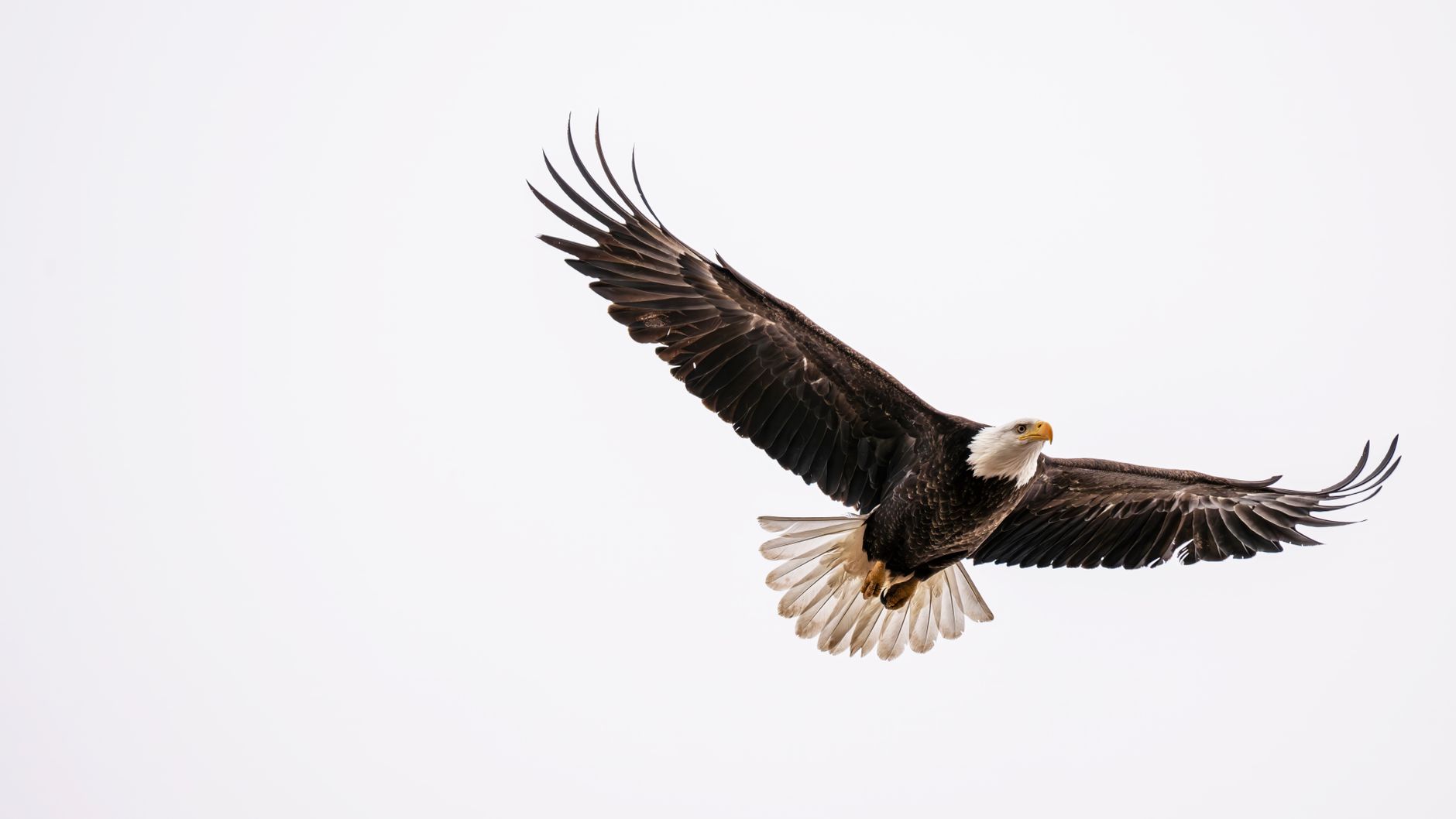
The image of the eagle, soaring effortlessly above the earth, has captivated humanity for millennia. This magnificent bird has transcended its avian existence to become a potent symbol, imbued with layers of meaning that vary across cultures and historical periods. From ancient empires to modern nations, the eagle represents strength, courage, and divine connection. But why is the eagle sacred? This question delves into the rich tapestry of mythology, religion, and cultural beliefs that have shaped our perception of this apex predator. Exploring these diverse perspectives reveals a fascinating story of how a creature of the natural world has been elevated to the realm of the sacred.

What colours are fish most attracted to?
Can you put your finger in a trout's mouth?
Is methylene blue anti bacterial?
Does aquarium salt raise pH in aquarium?
Eagle Symbolism in Ancient Civilizations

The eagle’s association with the sacred is deeply rooted in ancient civilizations. Its characteristics made it a natural fit for representing powerful deities and rulers.
- Ancient Greece: The eagle was the symbol of Zeus, king of the gods. It was believed to carry his thunderbolts and was often depicted at his side. Its sharp vision was seen as a reflection of Zeus’s all-seeing power.
- Ancient Rome: The Roman legions adopted the eagle as their standard, the Aquila, symbolizing military might and imperial authority. Losing the Aquila in battle was a profound disgrace.
- Ancient Egypt: The goddess Nekhbet, a protector of Upper Egypt, was depicted as a white vulture, often confused with an eagle in later interpretations. While a vulture, her role as a protector and divine figure contributed to the association of raptors with sacred power.
- Mesopotamia: The eagle appears in Mesopotamian art and mythology, frequently associated with kingship and divine protection.
These examples highlight how the eagle’s perceived attributes – strength, power, and keen vision – aligned with the qualities valued by ancient societies and their rulers.
The Eagle in Religious Traditions
The eagle’s sacred status extends beyond ancient mythology and into various religious traditions.
- Christianity: The eagle is often associated with Saint John the Evangelist, symbolizing his soaring spiritual insight. It also represents Christ’s ascension to heaven.
- Native American Cultures: Numerous Native American tribes hold the eagle in high regard. Its feathers are used in sacred ceremonies and are considered powerful medicine. The eagle is seen as a messenger between humans and the Great Spirit.
- Indigenous Australians: In some Aboriginal cultures, eagles, particularly wedge-tailed eagles, are totemic animals with spiritual significance. They are linked to ancestral beings and are often featured in Dreamtime stories.
The eagle’s presence in these diverse religious contexts underscores its universal appeal as a symbol of spiritual connection and transcendence.
The Eagle and Sovereignty
The eagle has frequently been used as a symbol of national identity and sovereignty. This is particularly evident in modern nations.
- United States: The bald eagle, chosen as the national bird of the United States in 1782, represents freedom, strength, and independence. It appears on the Great Seal and currency.
- Mexico: The golden eagle is a central symbol in Mexican culture, derived from an Aztec legend. It appears on the Mexican flag, perched on a cactus devouring a serpent.
- Germany: The eagle has been used as a symbol of German power for centuries, appearing on its coat of arms in various forms.
The use of the eagle as a national symbol reflects its enduring association with power, authority, and national pride. This association directly contributes to answering why is the eagle sacred.
The Eagle as a Symbol of Vision and Prophecy
Beyond power and sovereignty, the eagle is often linked to vision, insight, and prophecy. Its keen eyesight and ability to soar high above the world are interpreted as symbols of spiritual clarity and foresight. Shamans and spiritual leaders often identify with the eagle, seeking its wisdom and guidance. The eagle’s ability to see things from a higher perspective is seen as a metaphor for gaining a broader understanding of the world and one’s place within it. This ability to see the bigger picture solidifies its place as a sacred creature.
Frequently Asked Questions (FAQs)
Why is the eagle considered a symbol of freedom?
The eagle’s ability to soar effortlessly through the sky, unburdened by earthly constraints, makes it a natural symbol of freedom. Its independence and ability to traverse vast distances reinforces this association. The eagle’s uninhibited flight embodies the spirit of liberty.
How do Native American cultures view the eagle?
Native American cultures hold the eagle in profound reverence. They see it as a messenger between humans and the Great Spirit, a symbol of strength, courage, and wisdom. Eagle feathers are used in sacred ceremonies and are considered powerful medicine.
What is the significance of the bald eagle in the United States?
The bald eagle is the national bird of the United States, representing freedom, strength, and independence. Its selection as the national symbol reflects the values upon which the nation was founded. It symbolizes American ideals of liberty and self-determination.
How does the eagle’s role in mythology contribute to its sacred status?
The eagle’s association with powerful deities in various mythologies, such as Zeus in Greek mythology, elevates its status to that of a sacred animal. Its role as a companion or representative of gods reinforces its connection to the divine. These mythological connections cemented its place in the pantheon of sacred creatures.
What is the meaning of the eagle in Christian symbolism?
In Christianity, the eagle is often associated with Saint John the Evangelist, symbolizing his soaring spiritual insight and his ability to understand the divine mysteries. It also represents Christ’s ascension to heaven. This association aligns it with religious narratives of enlightenment and divinity.
Does the eagle’s physical characteristics contribute to its sacred status?
Yes, the eagle’s impressive physical characteristics, such as its sharp eyesight, powerful talons, and majestic wingspan, contribute to its awe-inspiring presence and its association with power and strength. These attributes amplify the reverence it inspires. Its very being conveys majesty and power, fueling its sacred status.
How does the eagle represent sovereignty and national identity?
Many nations have adopted the eagle as a national symbol, representing sovereignty, power, and national pride. Its presence on flags, seals, and currency reinforces its association with national identity and the strength of the nation it represents.
What is the significance of the eagle’s connection to the sun in some cultures?
In some cultures, the eagle is associated with the sun, symbolizing illumination, clarity, and divine power. This connection reinforces its status as a sacred animal, linking it to the source of life and energy. This association aligns the eagle with primal forces.
How does the eagle’s flight pattern contribute to its symbolic meaning?
The eagle’s soaring flight, high above the earth, is seen as a symbol of spiritual transcendence and the ability to rise above earthly concerns. Its effortless movement through the sky embodies freedom and the pursuit of higher ideals. Its flight becomes a metaphor for spiritual elevation.
Why do shamans and spiritual leaders often identify with the eagle?
Shamans and spiritual leaders often identify with the eagle because it represents vision, wisdom, and the ability to see things from a higher perspective. They seek its guidance and power to gain a deeper understanding of the world and their place within it. The eagle becomes a guide to the spiritual realm.
How has the eagle’s image been used in art and literature to convey its sacred status?
The eagle has been depicted in art and literature throughout history as a symbol of power, divinity, and spiritual transcendence. These artistic representations reinforce its sacred status and contribute to its enduring appeal. These depictions solidified its place in our collective consciousness.
In what ways is the conservation of eagles connected to their sacred status?
Protecting eagle populations is crucial for preserving not only a majestic species but also a powerful symbol of cultural and spiritual significance. Conservation efforts recognize the importance of maintaining the eagle’s presence in the natural world, both for ecological balance and for honoring its sacred role. Protecting eagles preserves not only a species but a potent symbol.