

Why is My Bearded Dragon’s Tail Twitching? Understanding the Causes and Solutions
The twitching of a bearded dragon’s tail base can indicate various underlying issues ranging from simple excitement to more serious health concerns. Understanding why your bearded dragon’s tail is twitching is crucial for its well-being, allowing you to address potential problems promptly.
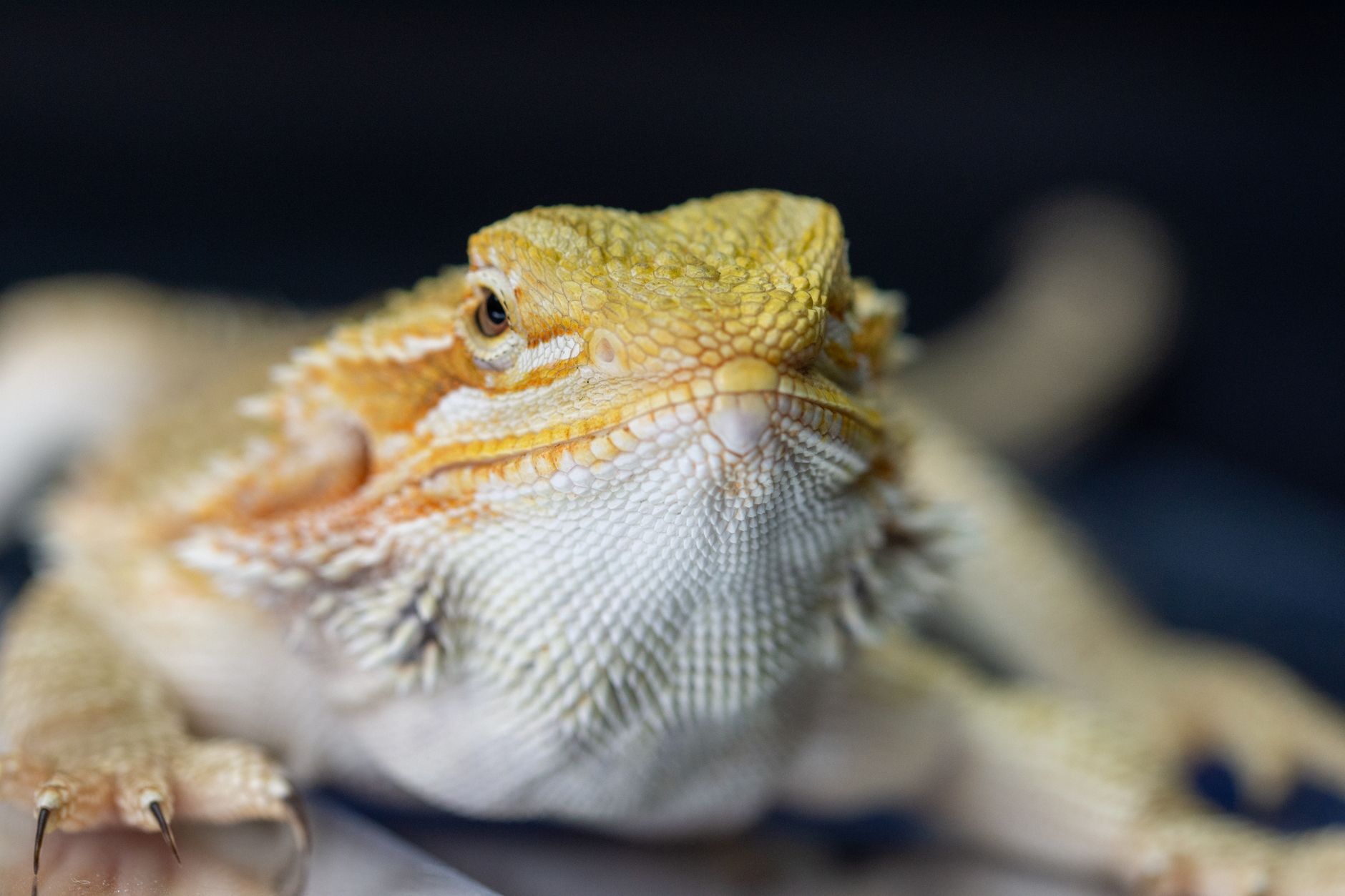
Introduction: Deciphering the Tail Twitches
Bearded dragons are expressive creatures, and their tails, while not prehensile, play a crucial role in communication and balance. Observing your bearded dragon’s behavior, including the movements of its tail, is essential for identifying potential health problems early on. A twitching tail base is not always a cause for alarm, but it should always be investigated.

What colours are fish most attracted to?
Can you put your finger in a trout's mouth?
Is methylene blue anti bacterial?
Does aquarium salt raise pH in aquarium?
Understanding Normal Tail Behavior
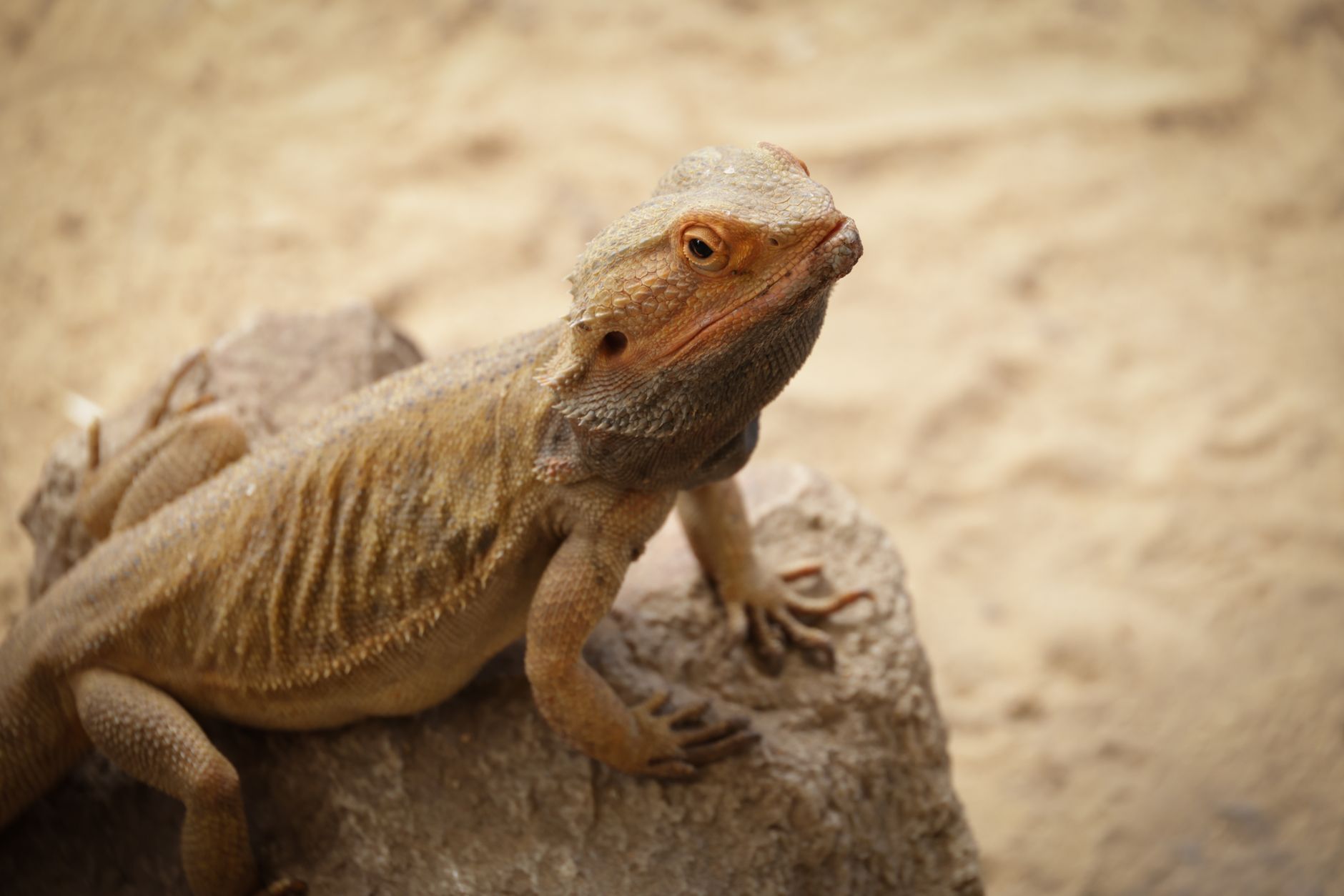
Before delving into the reasons behind a twitching tail base, it’s vital to understand what constitutes normal tail behavior for a bearded dragon.
- Relaxed: A relaxed tail will lie flat or gently curve without any sudden or jerky movements.
- Agitated: When agitated or threatened, a bearded dragon might whip its tail back and forth.
- Curious: A slight wag or tap of the tail can indicate curiosity or interest in something.
Any movement outside of these typical behaviors warrants closer observation.
Potential Causes of Tail Twitching
Why is the base of my bearded dragon’s tail twitching? There are several possible explanations, which can range from benign to serious. Here are some of the most common causes:
- Excitement/Stimulation: This is often the most innocent cause. A new environment, the presence of food, or interaction with other dragons can trigger excitement and lead to tail twitching.
- Muscle Spasms: Involuntary muscle contractions, often due to dehydration or electrolyte imbalances, can cause the tail to twitch.
- Parasites: Internal or external parasites can irritate the dragon and cause discomfort, leading to twitching.
- Calcium Deficiency (Metabolic Bone Disease – MBD): A lack of calcium can weaken bones and muscles, resulting in tremors and twitching, particularly in the tail and limbs.
- Nerve Damage: Injury to the tail or spine can result in nerve damage, leading to involuntary muscle contractions.
- Impaction: Constipation or impaction can put pressure on nerves in the lower abdomen, causing tail twitching.
- Stress: Like many reptiles, bearded dragons are sensitive to environmental stress. Inadequate temperatures, overcrowding, or aggressive tank mates can cause stress-related twitches.
Identifying the Underlying Cause
Determining the cause of the twitching requires careful observation and, in some cases, veterinary intervention. Consider the following:
- Frequency and Duration: How often and how long does the twitching last?
- Associated Symptoms: Are there any other symptoms, such as lethargy, loss of appetite, difficulty moving, or changes in stool?
- Environmental Factors: Are there any changes in the dragon’s environment, such as temperature, lighting, or enclosure mates?
- Diet: Is the dragon receiving a balanced diet with appropriate calcium supplementation?
Diagnosing the Problem
If the twitching is persistent or accompanied by other symptoms, a vet visit is crucial. The vet may perform the following:
- Physical Examination: To assess the dragon’s overall health and look for any signs of injury or disease.
- Fecal Exam: To check for internal parasites.
- Blood Tests: To evaluate calcium levels and organ function.
- X-rays: To look for bone abnormalities or impaction.
Treatment Options
Treatment will depend on the underlying cause of the tail twitching. Some common treatments include:
- Calcium Supplementation: Correcting a calcium deficiency with supplements and proper UVB lighting.
- Hydration: Ensuring adequate hydration through soaking and offering fresh water.
- Parasite Medication: Administering appropriate medication to eliminate parasites.
- Dietary Adjustments: Providing a balanced diet with appropriate amounts of protein, vegetables, and fruits.
- Pain Management: Prescribing pain medication if nerve damage or injury is suspected.
- Environmental Modifications: Improving the dragon’s enclosure by ensuring adequate temperature gradients, proper lighting, and a stress-free environment.
Preventing Tail Twitching
Prevention is always better than cure. You can minimise the likelihood of tail twitching by:
- Providing a Proper Environment: Ensure the enclosure is appropriately sized with the correct temperature gradients, humidity, and UVB lighting.
- Feeding a Balanced Diet: Offer a varied diet consisting of insects, vegetables, and fruits, supplemented with calcium and vitamin D3.
- Regular Veterinary Check-ups: Schedule regular check-ups with a reptile veterinarian to identify and address potential health problems early on.
- Maintaining Hygiene: Keep the enclosure clean to prevent the buildup of harmful bacteria and parasites.
- Minimizing Stress: Avoid overcrowding, handling the dragon roughly, or exposing it to loud noises.
When to Seek Veterinary Advice
Although minor, infrequent twitches might be harmless, it’s crucial to seek veterinary attention if:
- The twitching is frequent or prolonged.
- The twitching is accompanied by other symptoms, such as lethargy, loss of appetite, or difficulty moving.
- The dragon appears to be in pain.
- You are unsure of the cause of the twitching.
Prompt veterinary care can significantly improve the dragon’s chances of recovery and prevent further complications. Why is the base of my bearded dragon’s tail twitching? If you are worried, it is always better to seek the opinion of an expert.
Frequently Asked Questions (FAQs)
Why does my bearded dragon twitch its tail when I pick it up?
Tail twitching upon handling can indicate several things. It could be excitement or anticipation, especially if your dragon associates being picked up with positive experiences like feeding or exploration. However, it could also be a sign of stress or discomfort. If the twitching is accompanied by other signs of stress, such as hissing or a darkened beard, try handling the dragon more gently and for shorter periods.
Can dehydration cause tail twitching in bearded dragons?
Yes, dehydration can definitely contribute to tail twitching. Dehydration can lead to electrolyte imbalances, which can cause muscle spasms and tremors. Ensure your bearded dragon has access to fresh water at all times, offer leafy greens with high water content, and consider soaking the dragon in shallow, lukewarm water to help rehydrate it.
My bearded dragon’s tail is twitching and it’s also shedding. Is this normal?
The shedding process can sometimes cause mild discomfort, and the twitching might be related to this discomfort. However, it’s essential to rule out other potential causes, such as dehydration or calcium deficiency, as shedding can exacerbate these issues. Make sure the dragon has a humid hide to aid in shedding.
Could a low UVB light be the reason my bearded dragon’s tail is twitching?
Yes, inadequate UVB lighting can indirectly lead to tail twitching by affecting calcium absorption. UVB light is essential for the synthesis of vitamin D3, which is necessary for the absorption of calcium from the diet. Calcium deficiency (MBD) can cause muscle tremors and twitching, including in the tail. Ensure your UVB bulb is appropriate for your dragon’s size and is replaced every 6-12 months.
Is it possible that impaction is causing my bearded dragon’s tail to twitch?
Yes, impaction is a possible cause of tail twitching. A blockage in the digestive tract can put pressure on nerves in the lower abdomen and tail region, leading to twitching. Offer your dragon a fiber-rich diet, ensure adequate hydration, and provide a warm bath to encourage bowel movements. If the impaction is severe, veterinary intervention may be required.
What are the symptoms of Metabolic Bone Disease (MBD) besides tail twitching?
Besides tail twitching, other symptoms of MBD include: swollen limbs, difficulty walking, lethargy, loss of appetite, soft jaw, tremors, and spinal deformities. MBD is a serious condition that requires prompt veterinary attention.
Can parasites cause my bearded dragon’s tail to twitch?
Yes, both internal and external parasites can cause tail twitching. Internal parasites can irritate the digestive tract and affect nutrient absorption, leading to electrolyte imbalances that cause twitching. External parasites, such as mites, can cause irritation and discomfort, leading to twitching as the dragon tries to relieve the itch.
How can I tell if my bearded dragon is stressed?
Signs of stress in bearded dragons include: darkened beard, loss of appetite, lethargy, hiding excessively, aggression, and erratic movements, including tail twitching. Identifying and addressing the source of stress is crucial for the dragon’s well-being.
What is the best way to ensure my bearded dragon gets enough calcium?
The best way to ensure adequate calcium intake is to provide a balanced diet consisting of calcium-dusted insects and calcium-rich vegetables. Additionally, ensure the dragon has access to appropriate UVB lighting for vitamin D3 synthesis. Regular supplementation with a calcium supplement is also generally recommended.
How often should I take my bearded dragon to the vet for check-ups?
It is generally recommended to take your bearded dragon to a reptile veterinarian at least once a year for a routine check-up. More frequent visits may be necessary if the dragon is showing signs of illness or if it has a history of health problems.
What temperature should my bearded dragon’s basking spot be?
The basking spot temperature for a bearded dragon should be between 100-110°F (38-43°C). This temperature is essential for proper digestion and immune function. Use a reliable thermometer to monitor the temperature and adjust the heat source as needed.
Is a single instance of tail twitching a cause for immediate concern?
No, a single isolated instance of tail twitching is likely not a cause for immediate concern. Observe the dragon for any other symptoms or recurring twitching. If the twitching persists or is accompanied by other signs of illness, seek veterinary advice. Why is the base of my bearded dragon’s tail twitching? Sometimes it’s just a minor muscle spasm that will resolve itself.