

Why is my mare kicking out when ridden?
Your mare’s kicking out when ridden is likely a sign of discomfort, pain, or resistance, often stemming from ill-fitting tack, underlying medical conditions, or training issues. Addressing the underlying cause is crucial for both her well-being and your safety.

Understanding the Underlying Causes of Kicking in Mares
Understanding why is my mare kicking out when ridden? involves delving into a range of potential physical and behavioral issues. The kicking, in this context, is a form of communication. The mare is telling you something is wrong, and it’s up to us as responsible horse owners to decipher the message. Identifying and rectifying the root cause will lead to a happier, more cooperative partnership with your mare.

What colours are fish most attracted to?
Can you put your finger in a trout's mouth?
Is methylene blue anti bacterial?
Does aquarium salt raise pH in aquarium?
Physical Discomfort: A Primary Suspect
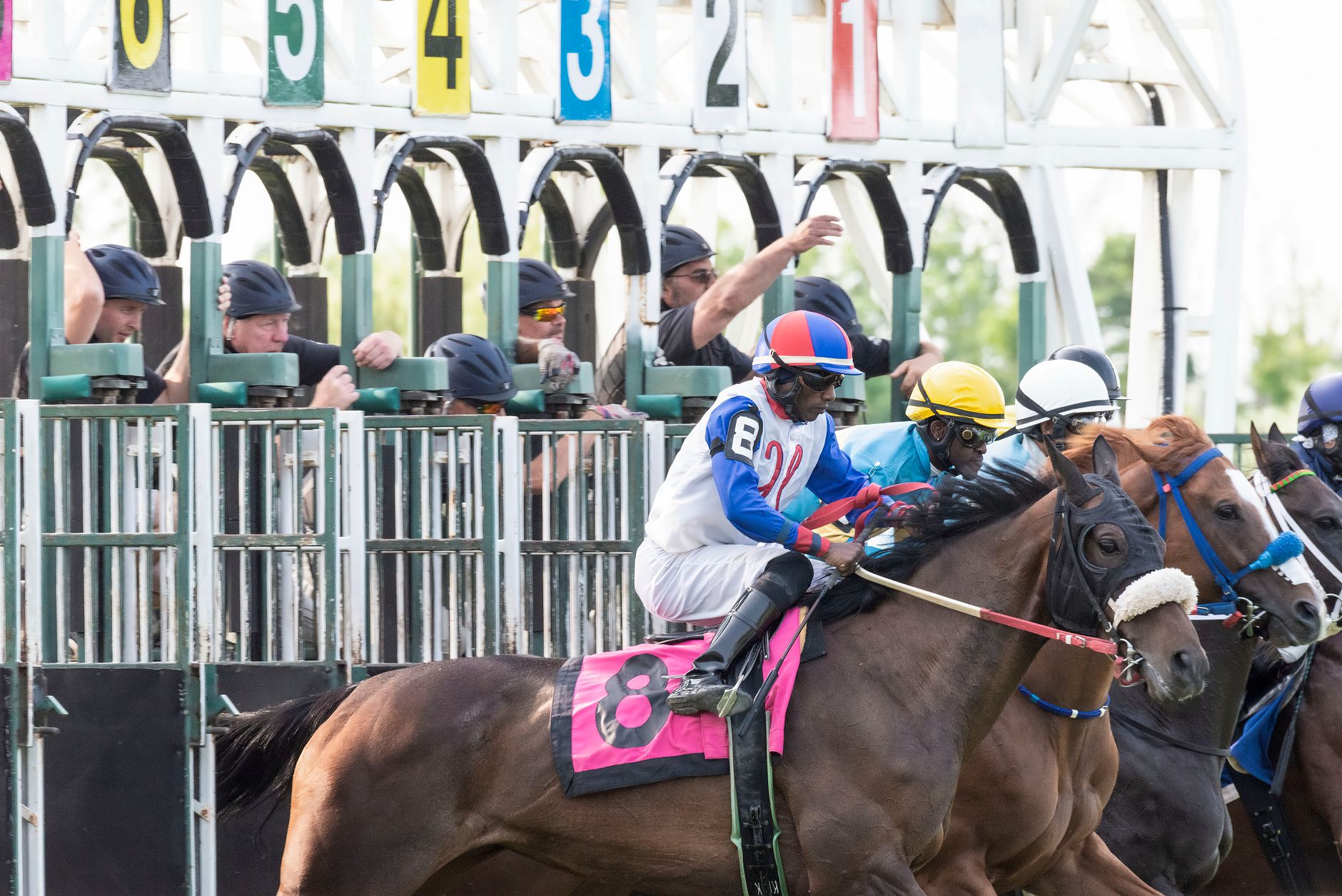
One of the most common reasons why is my mare kicking out when ridden? is pain or discomfort. This can manifest in several ways:
- Saddle Fit: An ill-fitting saddle is a leading cause. It can pinch, rub, or create pressure points on her back.
- Back Pain: Existing back problems, whether from injury, arthritis, or conformation issues, can be exacerbated by riding.
- Dental Issues: Sharp points or other dental problems can cause discomfort, leading to head tossing and kicking out.
- Lameness: Subtle lameness in a hind limb can cause the mare to kick out in an attempt to alleviate the discomfort.
- Ovarian Pain/Cycling Issues: During estrus, hormonal changes can cause pain or discomfort in the ovaries, resulting in resistance under saddle.
Tack and Equipment: A Common Culprit
The equipment you use plays a significant role in your mare’s comfort.
- Bit Problems: Incorrect bit size, a harsh bit, or an inexperienced rider using too much rein pressure can all cause resentment and kicking.
- Girth Issues: A tight girth, especially if not fitted correctly, can pinch and cause discomfort, leading to kicking, especially at the canter.
- Chafing: Check the girth, saddle pad, and bridle for areas where they might be rubbing or chafing.
Behavioral Resistance: Training and Temperament
Sometimes, the kicking isn’t due to pain but rather a behavioral issue:
- Resistance to Work: The mare may simply be resistant to the task being asked of her. This can be due to boredom, fatigue, or a lack of understanding.
- Fear and Anxiety: A mare that is scared or anxious may kick out as a defense mechanism.
- Rider Inconsistency: Inconsistent or unclear cues from the rider can confuse the mare and lead to resistance.
- Learned Behavior: If a mare has learned that kicking out will get her out of work, she may continue the behavior, even if the original cause is no longer present.
Rule Out Underlying Medical Issues
It’s essential to rule out any underlying medical issues that could be contributing to the kicking:
- Veterinary Examination: A thorough veterinary examination, including a lameness evaluation, is crucial to identify any physical problems.
- Diagnostic Imaging: X-rays, ultrasounds, or other imaging techniques may be necessary to diagnose back problems or other internal issues.
- Blood Work: Blood tests can help identify infections, inflammation, or other underlying medical conditions.
Addressing the Problem: A Step-by-Step Approach
Successfully resolving the issue of why is my mare kicking out when ridden? requires a systematic approach:
- Rule Out Pain: The first step is to consult with a veterinarian to rule out any underlying medical issues.
- Check Tack Fit: Have a qualified saddle fitter assess the fit of your saddle. Ensure the bit is appropriate for your mare’s mouth and your riding ability.
- Evaluate Riding Technique: Consider taking lessons with a qualified instructor to improve your riding technique and ensure you are giving clear and consistent cues.
- Revisit Training: Go back to basics with your training. Focus on clear communication and positive reinforcement.
- Address Behavioral Issues: If the kicking is behavioral, work with a qualified equine behaviorist or trainer to address the underlying cause of the resistance.
Prevention is Key
Preventing kicking in the first place is always preferable to trying to fix the problem later:
- Regular Veterinary and Farrier Care: Regular check-ups can help identify and address potential problems before they become serious.
- Proper Saddle Fit: Ensure your saddle fits correctly and is regularly checked by a qualified saddle fitter.
- Consistent Training: Consistent and positive training can help build trust and communication with your mare.
- Pay Attention to Your Mare’s Body Language: Learn to recognize the early signs of discomfort or resistance so you can address them before they escalate into kicking.
Table of Potential Causes and Solutions
| Potential Cause | Possible Solution |
|---|---|
| Ill-fitting Saddle | Saddle fitting consultation, saddle adjustments/replacement |
| Back Pain | Veterinary examination, physical therapy, medication |
| Dental Issues | Dental check-up and floating |
| Bit Discomfort | Try a different bit, adjust rein pressure |
| Girth Pinching | Use a wider girth, check girth placement |
| Rider Inconsistency | Riding lessons, focus on clear cues |
| Behavioral Resistance | Training with a qualified equine behaviorist or trainer |
| Ovarian Pain/Cycling Issues | Veterinary examination, hormonal therapy if appropriate |
Frequently Asked Questions (FAQs)
What are the first steps I should take if my mare starts kicking out?
The very first step is always to rule out any physical pain. Contact your veterinarian for a thorough examination. Simultaneously, have your saddle fit checked by a qualified professional. Don’t assume it’s behavioral until you’ve eliminated physical causes.
How can I tell if my mare’s kicking is due to pain or behavior?
Pain-related kicking is often consistent and predictable, occurring in specific situations, like when pressure is applied to a certain area. Behavioral kicking may be more random and related to resistance to a particular exercise. A veterinary exam is crucial to differentiate between the two.
What are the signs of a saddle fit problem?
Signs of a poor saddle fit include: dry spots under the saddle after riding, white hairs in the saddle area, sores or rubs, and your mare being generally uncomfortable or resistant when being saddled.
What types of bits are generally considered more gentle?
Generally, snaffle bits with a single joint and a smooth mouthpiece are considered more gentle than leverage bits like curb bits or bits with complex mouthpieces. However, gentleness also depends on the rider’s hands.
Can a mare’s heat cycle cause her to kick out?
Yes, absolutely. Hormonal changes during a mare’s estrus cycle can cause increased sensitivity and pain in the ovaries, leading to resistance under saddle, including kicking.
What type of veterinary tests might be performed to determine the cause of the kicking?
Veterinary tests may include a lameness evaluation, back palpation, diagnostic imaging (X-rays, ultrasound), and blood work to rule out any underlying medical conditions.
If the kicking is behavioral, how long might it take to correct the issue?
The timeline for correcting behavioral kicking varies widely depending on the mare’s temperament, the severity of the problem, and the consistency of the training. It can take weeks, months, or even longer with consistent and patient training techniques.
Are there any specific exercises that might help reduce kicking behavior?
Lunging with side reins can help develop topline muscle and improve suppleness, potentially alleviating back pain. Groundwork exercises that focus on respect and responsiveness can also be beneficial for addressing behavioral issues.
Can diet affect my mare’s tendency to kick out?
While diet is less directly related to kicking compared to pain or tack fit, a diet that is too high in energy can contribute to increased excitability and potentially exacerbate behavioral issues.
Is it ever appropriate to punish a mare for kicking out?
Punishment is generally not recommended as it can create fear and anxiety, making the problem worse. Focus on identifying and addressing the underlying cause of the kicking and using positive reinforcement techniques.
Should I always assume the worst if my mare kicks out?
No, don’t immediately assume the worst. However, take the behavior seriously and investigate the potential causes. Start with a thorough veterinary examination and saddle fit assessment.
What should I do if I’ve tried everything and my mare is still kicking out?
If you’ve exhausted all options and your mare is still exhibiting kicking behavior, it’s essential to seek guidance from a highly experienced and qualified equine professional, such as a veterinary behaviorist, or a trainer specializing in problem horses. They can offer a fresh perspective and develop a tailored approach.