
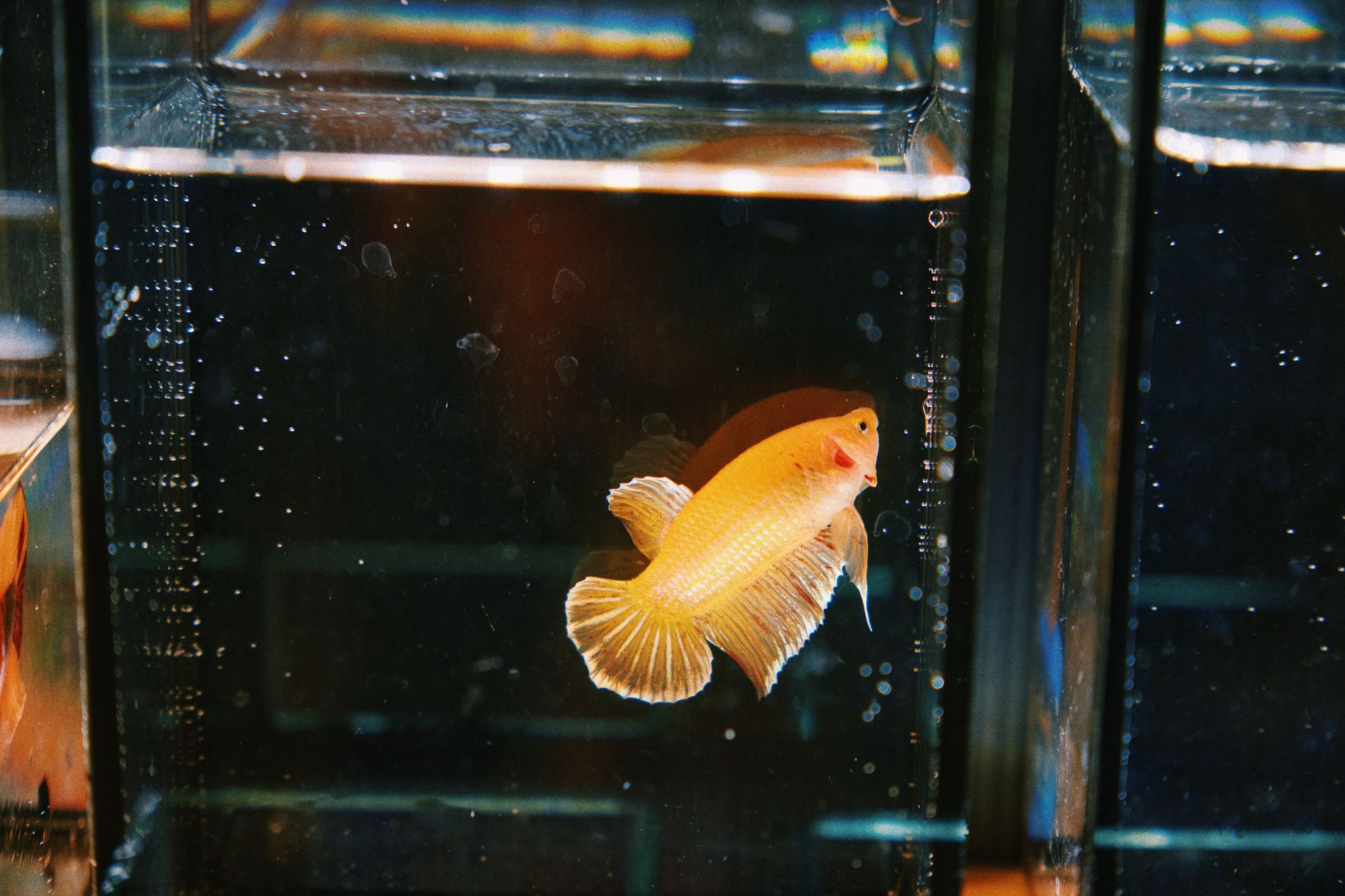
Why Is My Guppy Floating Tail Up? A Deep Dive into Swim Bladder Disorder and More
Guppies floating tail up is often a sign of swim bladder disorder, an ailment affecting buoyancy control. However, several other factors, including poor water quality, constipation, and even genetic predisposition, can cause this frustrating condition, necessitating careful observation and a swift response.

Guppies, with their vibrant colors and lively personalities, are a popular choice for aquarium enthusiasts. However, these delightful fish are susceptible to various health issues, one of the most concerning being the inability to maintain proper buoyancy. Seeing your guppy struggling, floating tail up, is a distress signal, prompting immediate action. Let’s explore the potential causes and solutions to restore your guppy’s well-being.
Understanding Swim Bladder Disorder
Swim bladder disorder, also known as swim bladder disease, isn’t a specific disease but rather a symptom of an underlying problem. The swim bladder is an internal, gas-filled organ that helps fish control their buoyancy. When it’s not functioning correctly, a fish may struggle to stay upright, float excessively, sink to the bottom, or, in this case, float tail up.
What colours are fish most attracted to?
Can you put your finger in a trout's mouth?
Is methylene blue anti bacterial?
Does aquarium salt raise pH in aquarium?
Common Causes of Tail-Up Floating

Several factors can contribute to swim bladder disorder and the resulting tail-up floating:
- Constipation: This is a frequent culprit. Overfeeding or feeding the wrong type of food can lead to constipation, putting pressure on the swim bladder.
- Poor Water Quality: Ammonia, nitrite, and nitrate buildup can weaken your guppy’s immune system, making it more susceptible to infections affecting the swim bladder.
- Bacterial Infections: Infections can directly inflame or damage the swim bladder.
- Parasitic Infections: Internal parasites can also affect the swim bladder’s function.
- Physical Injury: A physical trauma, such as being roughly handled during a water change or bumping into decorations, can damage the swim bladder.
- Genetic Predisposition: Some guppy lines are simply more prone to swim bladder problems than others.
- Sudden Temperature Changes: Rapid fluctuations in water temperature can stress the fish and disrupt swim bladder function.
Diagnosing the Problem
To determine the cause of why is my guppy floating tail up?, observe your fish carefully. Look for other symptoms besides the buoyancy issue, such as:
- Loss of appetite
- Lethargy
- Swollen abdomen
- Clamped fins
- Erratic swimming
- Visible sores or lesions
Consider recent changes to the tank, such as a new decoration, a change in food, or a recent water change. Checking your water parameters with a test kit is crucial to rule out water quality issues.
Treatment Options
The treatment depends on the underlying cause. Here are some common approaches:
- Improve Water Quality: Perform a partial water change (25-50%) to reduce ammonia, nitrite, and nitrate levels. Ensure proper filtration.
- Adjust Diet: If constipation is suspected, try feeding your guppy shelled peas (remove the shell first) or daphnia. These are high in fiber and can help clear the digestive tract. Fasting your guppy for 1-2 days can also be beneficial.
- Medication: If a bacterial infection is suspected, consider using a broad-spectrum antibiotic specifically formulated for fish. Follow the instructions carefully. For parasites, use an appropriate antiparasitic medication. Consult a veterinarian experienced with fish for accurate diagnosis and treatment.
- Raise the Water Temperature (Slightly): Gradually increasing the water temperature by a few degrees (within the guppy’s acceptable range) can help boost the immune system and aid in healing.
- Isolate the Affected Fish: Separate the affected guppy into a quarantine tank to prevent the potential spread of infection to other fish and to allow for more focused treatment.
Prevention is Key
Preventing swim bladder disorder is always better than treating it. Here are some preventive measures:
- Maintain excellent water quality: Perform regular water changes and monitor water parameters.
- Feed a balanced diet: Offer a variety of high-quality foods, including flakes, pellets, and live or frozen foods. Avoid overfeeding.
- Quarantine new fish: Before introducing new fish to your main tank, quarantine them for several weeks to observe them for any signs of illness.
- Avoid sudden temperature changes: Use a reliable heater and thermometer to maintain a stable water temperature.
- Handle fish with care: Avoid rough handling during water changes or when moving decorations.
Why Is My Guppy Floating Tail Up? Diet Solutions
Addressing constipation is a crucial first step if why is my guppy floating tail up? is due to diet. Offer blanched, shelled peas. The fiber helps clear the digestive tract.
Why Is My Guppy Floating Tail Up? Water Quality Concerns
If poor water quality is suspected as the reason why is my guppy floating tail up?, immediate action is needed. Test the water for ammonia, nitrites, and nitrates. Perform a significant water change (25-50%) and ensure the filter is functioning properly.
Why Is My Guppy Floating Tail Up? Observation Checklist
When you observe why is my guppy floating tail up?, carefully check the following:
- Appetite
- Fecal matter
- Physical injuries
- Swimming behavior
| Symptom | Possible Cause | Action |
|---|---|---|
| Loss Appetite | Constipation, Infection, Stress | Fast, Pea Treatment, Medicate, Reduce Stress |
| Swollen Belly | Constipation, Infection | Pea treatment, Medicate, Check water |
| Erratic Swim | Infection, Physical Trauma, Genetics | Medicate, Quarantine, Improve water quality |
Frequently Asked Questions (FAQs)
Is swim bladder disorder contagious?
No, swim bladder disorder itself is not contagious. However, if the underlying cause is a bacterial or parasitic infection, that infection could be contagious to other fish in the tank. This is why isolating the affected fish is always recommended.
How long does it take for a guppy with swim bladder disorder to recover?
The recovery time varies depending on the cause and severity of the condition. If the issue is simply constipation, improvement may be seen within a few days of dietary changes. More severe cases involving infections may take several weeks of treatment. If genetics are at play, the guppy may never fully recover but can still lead a comfortable life with supportive care.
Can a guppy with swim bladder disorder still breed?
It’s generally not recommended to breed a guppy with swim bladder disorder, especially if the cause is genetic. Breeding a sick fish can pass on the genetic predisposition to its offspring. Also, the stress of breeding can further weaken the affected guppy.
What is the ideal water temperature for guppies?
The ideal water temperature for guppies is between 72°F and 82°F (22°C and 28°C). Maintaining a consistent temperature within this range is essential for their overall health and can help prevent swim bladder issues caused by temperature stress.
What type of food is best for guppies?
Guppies are omnivores and thrive on a varied diet. High-quality flake food should form the base of their diet, supplemented with live or frozen foods like brine shrimp, daphnia, and bloodworms. Avoid overfeeding and offer small amounts multiple times a day.
How often should I change the water in my guppy tank?
A general guideline is to perform a 25-50% water change every 1-2 weeks. However, the frequency depends on the size of your tank, the number of fish, and the efficiency of your filter. Regular testing of water parameters will help determine the optimal water change schedule.
My guppy is floating tail up, but otherwise seems healthy. What should I do?
Even if your guppy seems otherwise healthy, floating tail up is still a sign of a problem. Start by checking the water quality and adjusting the diet. If the issue persists after a few days, consider the possibility of a mild infection and consider a quarantine tank.
Can stress cause swim bladder disorder?
Yes, stress can definitely contribute to swim bladder disorder. Factors like overcrowding, aggressive tank mates, and sudden changes in the environment can weaken the guppy’s immune system and make it more susceptible to illness. Minimize stress to maintain a healthy environment.
Are some guppy breeds more prone to swim bladder disorder than others?
Yes, some fancy guppy breeds with larger fins or more deformed body shapes may be more prone to swim bladder issues. These breeds are often selectively bred for appearance, potentially compromising their overall health and genetic strength.
How do I know if my guppy has a bacterial infection?
Signs of a bacterial infection in guppies can include:
- Lethargy
- Loss of appetite
- Clamped fins
- Swollen abdomen
- Ulcers or sores
- Fuzzy growths
If you suspect a bacterial infection, seek the help of a vet or aquarist shop to get the right treatment.
What is the best way to quarantine a sick guppy?
A quarantine tank should be a separate, cycled tank with its own filter and heater. Use water from the main tank to fill the quarantine tank to minimize stress on the fish. Monitor the water parameters in the quarantine tank and perform water changes as needed. This prevents diseases from spreading in the main tank.
What if my guppy doesn’t recover from swim bladder disorder?
Unfortunately, some cases of swim bladder disorder are chronic or irreversible. If your guppy doesn’t recover despite your best efforts, focus on providing supportive care to ensure its quality of life. This may involve adjusting the water level to make it easier for the guppy to reach the surface for air and providing food that is easily accessible.