
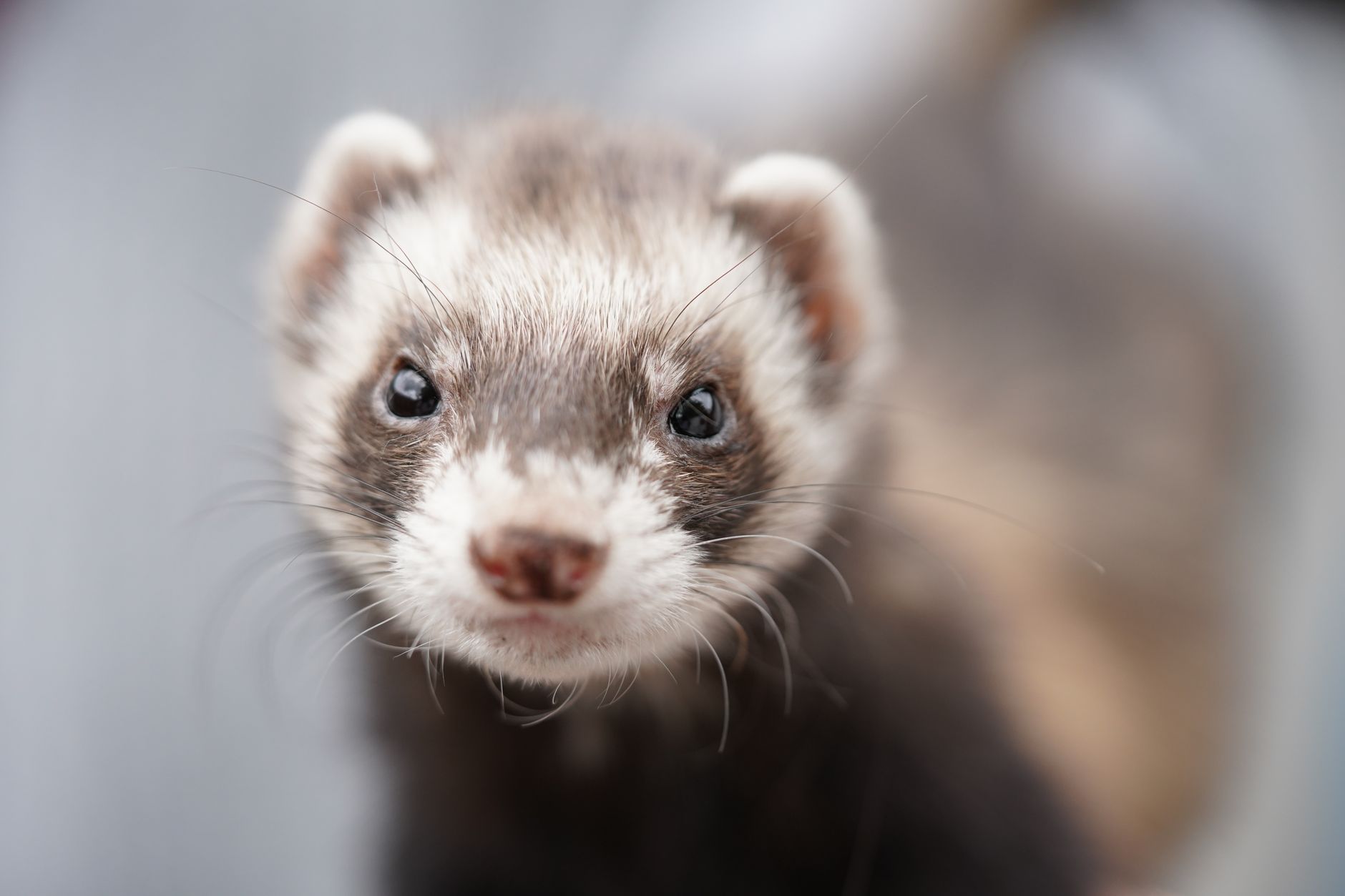
Why is My Ferret Less Active?
Your ferret’s sudden decrease in activity could indicate several issues, ranging from natural aging to underlying health problems. Evaluating the duration, accompanying symptoms, and environmental factors is crucial in understanding why your ferret is less active.

Understanding Ferret Activity Levels
Ferrets are naturally energetic and playful creatures, known for their “ferret frenzy” bouts of intense activity followed by periods of deep sleep. Understanding their typical behavior is crucial for noticing deviations. A healthy ferret will exhibit these characteristics:
- A strong prey drive manifested in playful hunting and digging.
- Engaged interaction with their environment, including exploring toys and tunnels.
- Regular and consistent sleep patterns with periods of high activity in between.
- Curiosity towards new objects and sounds.
If your ferret deviates from this norm, it’s important to investigate further.
What colours are fish most attracted to?
Can you put your finger in a trout's mouth?
Is methylene blue anti bacterial?
Does aquarium salt raise pH in aquarium?
Age as a Factor in Activity
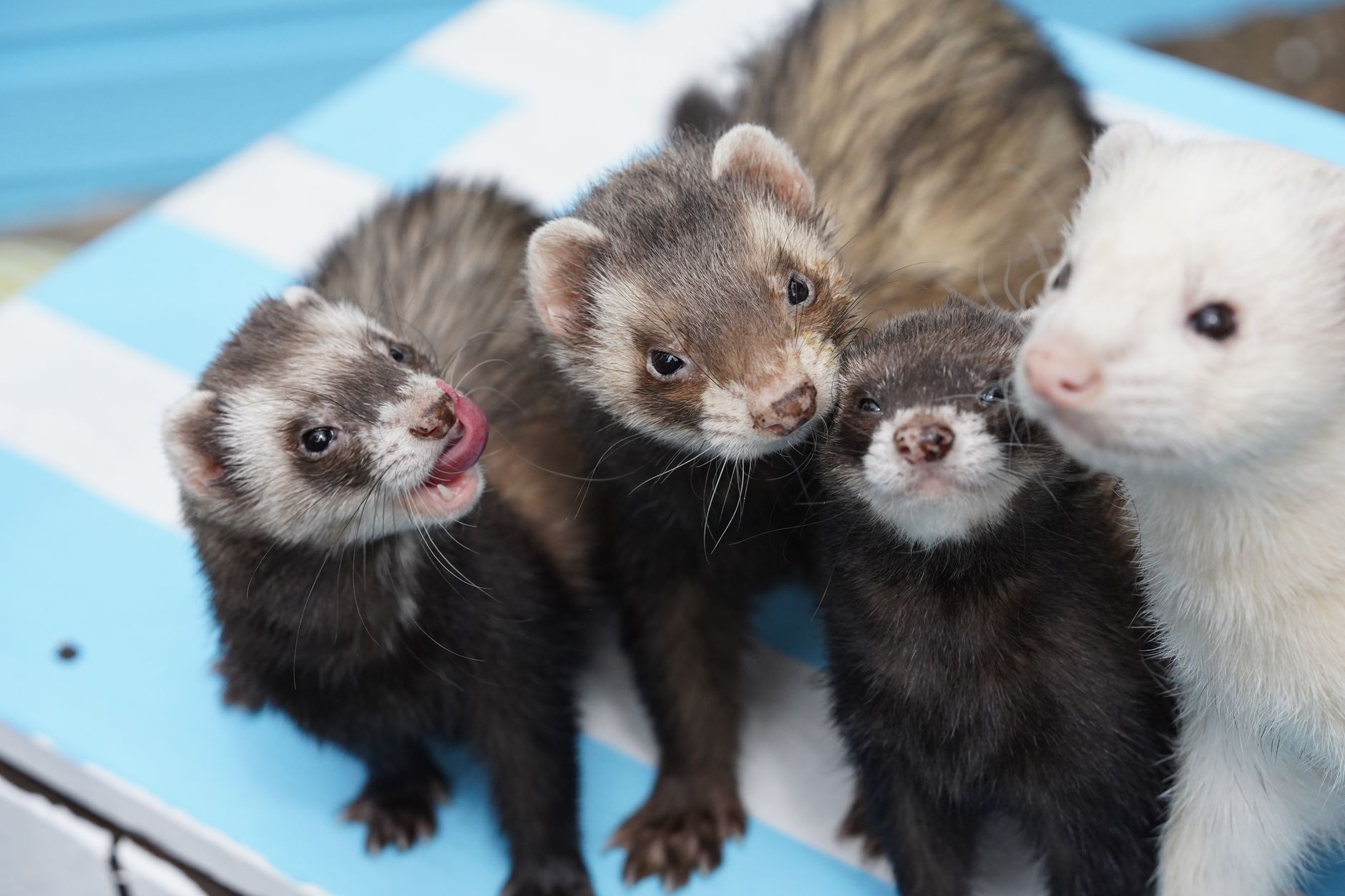
As ferrets age, their activity levels naturally decrease. Senior ferrets (5 years and older) often sleep more and play less vigorously. This is a normal part of aging, similar to other pets. However, it’s important to differentiate between normal aging and signs of underlying illness.
- Senior Ferret Behavior: Observe if the reduced activity is gradual and accompanied by other age-related changes like greying fur or reduced agility.
- Sudden Decline: A sudden and significant drop in activity, especially in younger ferrets, requires immediate veterinary attention.
- Modifications: Adapting their environment to accommodate their changing needs may involve providing softer bedding, low-entry litter boxes, and ensuring food and water are easily accessible.
Potential Health Issues
Several medical conditions can contribute to decreased activity in ferrets. Prompt diagnosis and treatment are essential for improving your ferret’s well-being.
- Insulinoma: This is a common endocrine disorder in ferrets where the pancreas produces excessive insulin, leading to low blood sugar (hypoglycemia). Symptoms include lethargy, weakness, seizures, and a “starry-eyed” appearance.
- Adrenal Gland Disease: Another prevalent endocrine problem causing hormonal imbalances. Common symptoms include hair loss, itchy skin, increased aggression, and decreased activity.
- Heart Disease: Cardiac issues can cause fatigue and lethargy, making your ferret less inclined to play.
- Respiratory Infections: Infections like the flu or pneumonia can cause weakness and decreased activity.
- Gastrointestinal Problems: Blockages, parasites, or other digestive issues can lead to discomfort and lethargy. Look for changes in appetite, stool consistency, or vomiting.
- Dental Disease: Pain from dental problems can affect appetite and energy levels.
Environmental Factors Affecting Activity
Sometimes, the reason why your ferret is less active is linked to their surroundings.
- Temperature: Ferrets are sensitive to extreme temperatures. Overheating can cause lethargy and heatstroke, while cold temperatures can lead to shivering and decreased activity.
- Cage Size and Enrichment: A small, barren cage can lead to boredom and inactivity. Provide ample space, toys, tunnels, and opportunities for exploration.
- Diet: An inadequate diet can lead to nutritional deficiencies and decreased energy levels. Ferrets require a high-quality, meat-based diet.
- Daylight: Extended periods of exposure to daylight can cause adrenal disease in ferrets and should be avoided by maintaining a consistent light cycle or using blackout curtains.
What to do if you suspect a problem.
- Monitor and Record: Keep a daily record of your ferret’s activity levels, appetite, stool consistency, and any other symptoms.
- Veterinary Visit: Schedule a veterinary appointment as soon as possible. Be prepared to provide a detailed history of your ferret’s behavior.
- Diagnostic Tests: Your veterinarian may recommend blood tests, urine tests, X-rays, or ultrasounds to help diagnose the underlying cause.
- Treatment: Follow your veterinarian’s recommendations carefully. Treatment may include medication, surgery, or dietary changes.
Diet and Nutritional Needs
Ferrets are obligate carnivores, meaning they require a diet primarily consisting of meat. Ensuring your ferret receives a balanced and nutritious diet is crucial for maintaining their energy levels and overall health.
- High-Quality Ferret Food: Choose a ferret food with a high protein content (30-40%), moderate fat (18-30%), and low fiber (less than 3%).
- Avoid Sweets: Ferrets cannot process sugars effectively, and sweets can contribute to insulinoma.
- Occasional Treats: Offer meat-based treats in moderation.
- Fresh Water: Always provide fresh, clean water.
Enrichment Strategies to Stimulate Activity
A stimulating environment is essential for keeping your ferret active and engaged. Boredom can lead to inactivity and even depression.
- Toys: Provide a variety of toys, such as balls, tunnels, squeaky toys, and puzzle toys.
- Playtime: Dedicate time each day for interactive playtime with your ferret.
- Exploration: Allow your ferret to explore supervised areas outside of their cage.
- Companionship: Consider getting another ferret as a companion, but be sure to introduce them gradually.
- Digging Box: Ferrets love to dig. Provide a digging box filled with rice, beans, or fabric scraps.
Common Mistakes Owners Make
- Ignoring Subtle Signs: Many owners fail to recognize the early signs of illness, which can lead to delayed treatment.
- Improper Diet: Feeding ferrets inappropriate food can lead to nutritional deficiencies and health problems.
- Lack of Enrichment: Neglecting to provide a stimulating environment can lead to boredom and inactivity.
- Not Seeking Veterinary Care: Delaying veterinary care can allow underlying health problems to worsen.
- Inconsistent Light Cycles: Exposing ferrets to long periods of daylight can lead to adrenal disease.
Summary Table: Possible Causes of Reduced Ferret Activity
| Cause | Symptoms | Action |
|---|---|---|
| Age | Gradual decrease in activity, greying fur, reduced agility | Provide comfortable bedding, accessible food and water, regular vet checkups |
| Insulinoma | Lethargy, weakness, seizures, “starry-eyed” appearance | Immediate veterinary care, blood glucose monitoring, medication |
| Adrenal Gland Disease | Hair loss, itchy skin, increased aggression, decreased activity | Veterinary diagnosis, hormone therapy, surgery |
| Heart Disease | Fatigue, lethargy, coughing, difficulty breathing | Veterinary cardiology consultation, medication |
| Respiratory Infection | Coughing, sneezing, nasal discharge, decreased activity | Veterinary diagnosis, antibiotics, supportive care |
| GI Problems | Vomiting, diarrhea, loss of appetite, decreased activity | Veterinary diagnosis, parasite treatment, dietary changes |
| Dental Disease | Drooling, difficulty eating, bad breath, decreased activity | Veterinary dental cleaning, pain medication |
| Temperature Extremes | Lethargy, panting (overheating), shivering (cold) | Regulate temperature, provide cooling/heating measures |
| Cage Size/Enrichment | Boredom, inactivity, destructive behavior | Provide larger cage, toys, tunnels, playtime |
| Poor Diet | Weakness, weight loss, dull coat | Improve diet with high-quality ferret food |
Frequently Asked Questions (FAQs)
What are the early signs of insulinoma in ferrets?
The early signs of insulinoma in ferrets can be subtle and easily overlooked. Look for episodes of lethargy, weakness, and a “starry-eyed” appearance. Your ferret might also seem clumsy or uncoordinated. Catching these signs early is crucial for managing the disease effectively.
How can I tell if my ferret is just sleeping more or is actually lethargic?
It’s important to distinguish between normal ferret sleep patterns and true lethargy. Healthy ferrets will have periods of intense activity interspersed with deep sleep. Lethargy is characterized by a general lack of energy, disinterest in activities they usually enjoy, and prolonged periods of inactivity even when awake.
What is adrenal gland disease in ferrets and how does it affect activity?
Adrenal gland disease is a common endocrine disorder affecting ferrets, causing hormonal imbalances that can lead to a range of symptoms. One common symptom is a noticeable decrease in activity levels, along with hair loss, itchy skin, and sometimes increased aggression.
Can a change in diet cause my ferret to be less active?
Yes, a significant change in diet can definitely impact your ferret’s activity level. Switching to a food that is lower in protein or higher in carbohydrates than their previous diet can lead to decreased energy and lethargy. Ensuring your ferret gets high-quality, meat-based nutrition is crucial for maintaining optimal activity.
What temperature range is ideal for ferrets to maintain their normal activity levels?
Ferrets thrive in moderate temperatures. The ideal temperature range for ferrets is between 65°F and 75°F (18°C and 24°C). Temperatures outside of this range can cause discomfort and lead to decreased activity.
My ferret is less active in the winter; is this normal?
While some seasonal variation in activity can be normal, a significant decrease in activity during the winter months could indicate a problem. Make sure your ferret’s enclosure is warm and draft-free. If the lethargy persists, consult a veterinarian.
How often should I play with my ferret to keep them active?
To maintain optimal activity levels, you should aim to play with your ferret for at least 1-2 hours per day, split into shorter sessions. Interactive play is crucial for their physical and mental well-being.
What kind of toys are best for stimulating activity in ferrets?
Ferrets are intelligent and curious creatures that enjoy a variety of toys. Toys that stimulate their natural instincts, such as tunnels, balls, puzzle toys, and squeaky toys, are all excellent choices. Rotating toys regularly will help prevent boredom and keep them engaged.
How can I tell if my ferret’s decreased activity is due to pain?
Identifying pain in ferrets can be challenging, as they are often good at hiding it. Look for subtle changes in behavior, such as decreased appetite, reluctance to move, changes in posture, or increased irritability. If you suspect your ferret is in pain, a veterinary examination is essential.
Is it normal for older ferrets to be less active?
Yes, it is normal for older ferrets (5+ years) to be less active than younger ferrets. As they age, they may sleep more and play less vigorously. However, it’s important to differentiate between normal aging and signs of underlying illness.
What blood tests should I request from my vet to determine why my ferret is less active?
When you bring your ferret to the veterinarian due to decreased activity, common blood tests should include a complete blood count (CBC) to assess overall health and detect infections, a chemistry panel to evaluate organ function (liver, kidneys, pancreas), and a blood glucose test to rule out insulinoma. Additional tests may be recommended based on your ferret’s symptoms.
How important is a regular vet checkup for a ferret experiencing decreased activity?
Regular veterinary checkups are absolutely crucial for ferrets, especially those experiencing decreased activity. A thorough physical examination and appropriate diagnostic tests can help identify underlying medical conditions early, leading to prompt treatment and improved outcomes. Annual checkups are generally recommended for healthy ferrets, but more frequent visits may be necessary for older ferrets or those with health problems.