
Why is my Chinchilla Losing Whiskers?
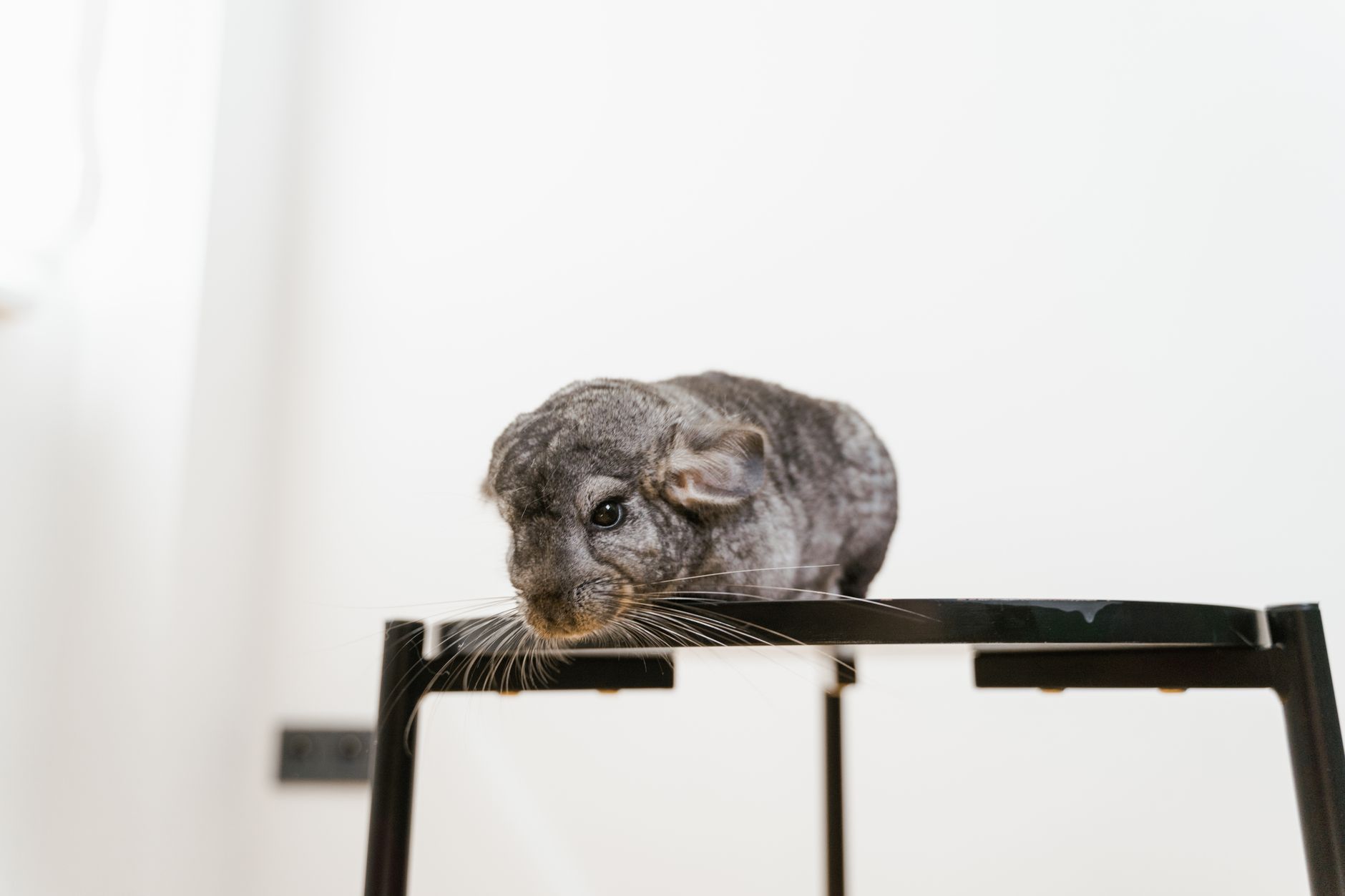
Why is my chinchilla losing whiskers? Chinchilla whisker loss can stem from various causes, ranging from normal shedding to more serious underlying conditions like fungal infections or stress. Understanding the potential reasons behind this phenomenon is crucial for ensuring your chinchilla’s health and well-being.

The Importance of Chinchilla Whiskers
Chinchilla whiskers, or vibrissae, are far more than just decorative facial features. They are highly sensitive sensory tools that play a crucial role in your chinchilla’s navigation and environmental awareness.
- Spatial Awareness: Chinchillas have poor eyesight, especially in dimly lit environments. Their whiskers help them navigate by detecting changes in air currents and feeling their surroundings. This is particularly important in the wild, where they need to move quickly through rocky terrain.
- Sensory Perception: The whiskers are connected to highly sensitive nerve endings. These nerves transmit information about the size, shape, and texture of objects, allowing the chinchilla to determine if a space is large enough to pass through or if an object is edible.
- Social Interaction: Whiskers can also play a part in social interactions between chinchillas. They can use them to communicate with other chinchillas in their social group.

What colours are fish most attracted to?
Can you put your finger in a trout's mouth?
Is methylene blue anti bacterial?
Does aquarium salt raise pH in aquarium?
Common Causes of Chinchilla Whisker Loss
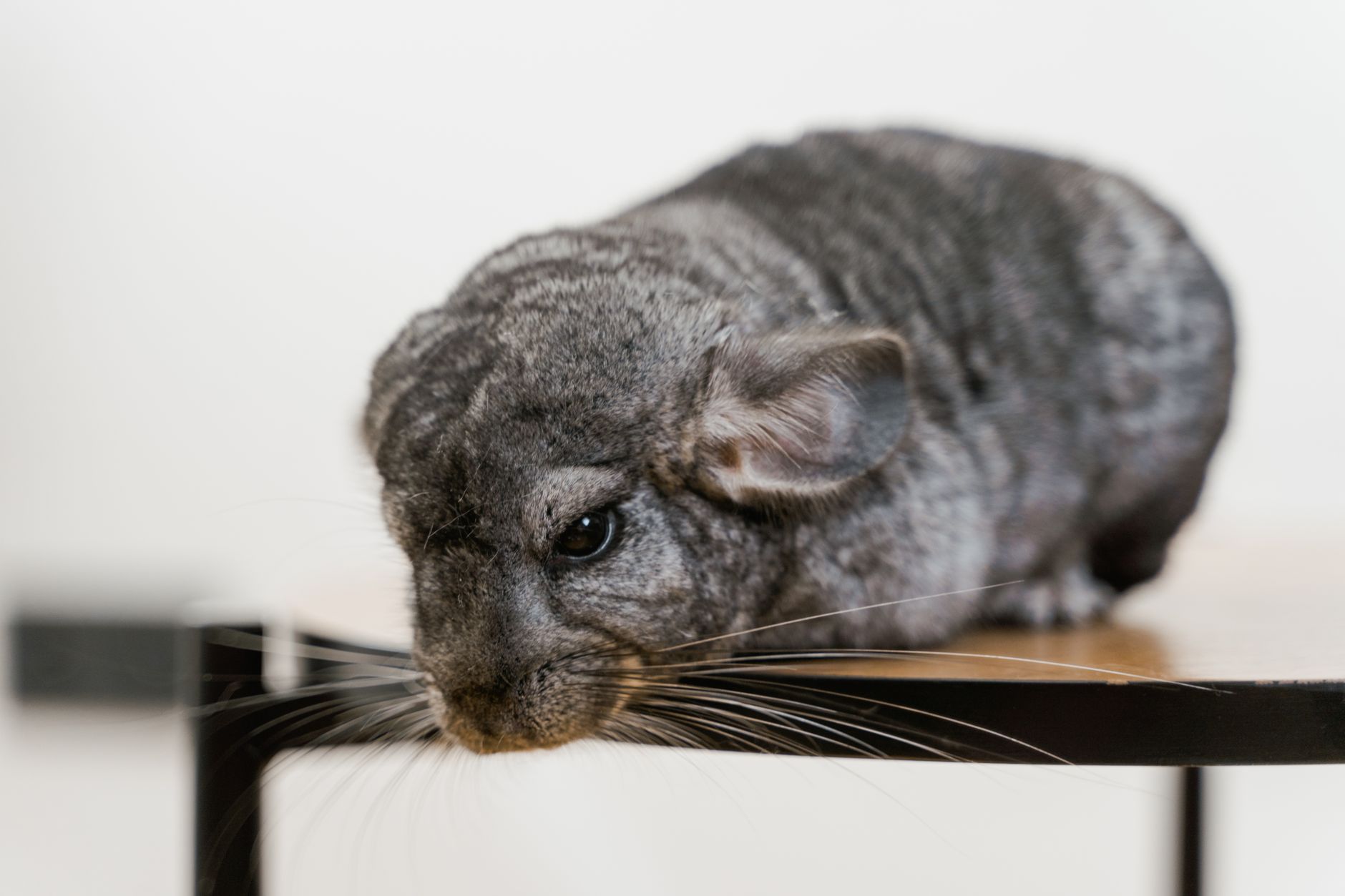
Understanding the reasons behind whisker loss is the first step in addressing the problem. Several factors can contribute to this issue, some more serious than others.
- Normal Shedding: Like all mammals, chinchillas shed their fur and whiskers periodically. This is a natural process, and typically, you’ll only notice a few whiskers lost at a time. If your chinchilla is otherwise healthy and active, shedding is likely the cause.
- Barbering: Barbering is a behavioral issue where chinchillas chew on the fur and whiskers of themselves or other chinchillas. This can be due to stress, boredom, overcrowding, or social hierarchy issues. Barbering usually presents with patches of missing fur and shortened or missing whiskers.
- Fungal Infections: Ringworm and other fungal infections can affect the skin and fur of chinchillas, leading to whisker loss. These infections are often accompanied by other symptoms, such as red, irritated skin, hair loss, and scaly patches.
- Nutritional Deficiencies: While less common, a poor diet lacking essential vitamins and minerals can contribute to poor coat health, including whisker loss. Ensure your chinchilla is receiving a high-quality chinchilla diet.
- Stress: Chinchillas are sensitive creatures and can experience stress due to various factors such as changes in environment, loud noises, or lack of proper care. Stress can manifest in various ways, including fur and whisker loss.
- Age: Older chinchillas may experience some degree of whisker loss as part of the natural aging process.
Diagnosing the Cause
If you notice your chinchilla is losing whiskers, a thorough assessment is crucial. Consider the following:
- Observe Your Chinchilla’s Behavior: Is your chinchilla scratching excessively? Are they interacting normally with other chinchillas, or do you see barbering behavior?
- Examine the Skin: Look for any signs of redness, inflammation, scabs, or hair loss around the whisker area and other parts of the body.
- Evaluate the Diet: Ensure your chinchilla is receiving a high-quality chinchilla pellet diet supplemented with appropriate treats and hay.
- Consult a Veterinarian: If you suspect a more serious underlying condition, such as a fungal infection or nutritional deficiency, consult with a veterinarian experienced in treating chinchillas.
Preventing and Treating Whisker Loss
The best approach to managing whisker loss depends on the underlying cause.
- Address Barbering: If barbering is the culprit:
- Ensure adequate cage space for all chinchillas.
- Provide plenty of enrichment, such as chew toys, dust baths, and climbing structures.
- Separate barbering chinchillas from their victims, if possible.
- Treat Fungal Infections: A veterinarian can diagnose and prescribe antifungal medications (topical or oral) to treat ringworm or other fungal infections.
- Improve Nutrition: Ensure your chinchilla has access to fresh water, high-quality chinchilla pellets, and a limited number of appropriate treats.
- Reduce Stress: Identify and eliminate potential stressors in your chinchilla’s environment.
- Regular Health Checks: Regular veterinary checkups can help identify and address any underlying health issues early on.
Creating an Optimal Environment for Your Chinchilla
A happy, healthy chinchilla is less likely to experience whisker loss.
- Spacious Cage: Provide a large cage with multiple levels for climbing and exploring.
- Dust Baths: Allow your chinchilla access to regular dust baths (2-3 times a week) to maintain a healthy coat.
- Enrichment: Provide a variety of chew toys, tunnels, and other enrichment items to keep your chinchilla entertained and stimulated.
- Socialization: If you have multiple chinchillas, ensure they are properly socialized and get along well.
Frequently Asked Questions (FAQs)
Can stress cause my chinchilla to lose whiskers?
Yes, stress is a significant factor in chinchilla whisker loss. Chinchillas are highly sensitive animals, and changes in their environment, loud noises, or lack of proper care can all trigger stress. This can lead to fur plucking and whisker loss as a coping mechanism.
Is it normal for my chinchilla to lose a few whiskers occasionally?
Yes, a small amount of whisker loss is usually normal due to natural shedding. Just like their fur, chinchilla whiskers shed periodically. If your chinchilla is otherwise healthy and the whisker loss is minimal, there’s likely no cause for concern.
How can I tell if my chinchilla’s whisker loss is due to barbering?
Barbering is characterized by uneven or stubby whiskers, as the chinchilla (or another chinchilla) chews them off. You might also notice patches of missing or shortened fur on your chinchilla’s body. Observing your chinchillas’ interactions can help confirm if barbering is occurring.
What are the signs of a fungal infection in a chinchilla?
Signs of a fungal infection, such as ringworm, include circular patches of hair loss, red and irritated skin, scaly lesions, and excessive scratching. These symptoms may appear on the face, ears, or other parts of the body.
What type of diet is best for preventing whisker loss in chinchillas?
A diet consisting primarily of high-quality chinchilla pellets is essential. These pellets should be formulated to meet the specific nutritional needs of chinchillas. Supplement with grass hay for fiber and offer limited amounts of safe treats like rose hips or dried herbs.
How often should I give my chinchilla a dust bath?
Chinchillas should have access to a dust bath 2-3 times per week. Dust baths help absorb excess oils and keep their fur clean and healthy. Use special chinchilla dust, not sand or other abrasive materials.
What should I do if I suspect my chinchilla has a fungal infection?
If you suspect a fungal infection, it’s crucial to consult a veterinarian experienced in treating chinchillas. They can perform a diagnostic test and prescribe appropriate antifungal medication. Early treatment is important to prevent the infection from spreading.
Can a lack of Vitamin C cause whisker loss in chinchillas?
While Vitamin C deficiency is more common in guinea pigs, a general nutritional deficiency could contribute to poor coat health including whisker loss in chinchillas. Ensure your chinchilla’s pellet food is fresh and properly formulated, and consult your veterinarian about possible supplements if you suspect a deficiency.
How do I reduce stress in my chinchilla’s environment?
Minimize loud noises, sudden movements, and changes in their environment. Provide a safe and comfortable cage with plenty of hiding places. Ensure they have regular access to dust baths and enrichment to keep them entertained. If you have multiple chinchillas, ensure they have enough space and resources to avoid competition and stress.
At what age do chinchillas tend to start losing more whiskers?
There isn’t a specific age at which chinchillas universally start losing more whiskers. However, like many animals, older chinchillas may experience some degree of hair and whisker thinning as part of the natural aging process.
Is there a connection between teeth problems and whisker loss in chinchillas?
While not a direct cause, dental problems can sometimes contribute to stress and poor overall health in chinchillas. This stress could indirectly lead to fur and whisker plucking. Dental issues can also make it difficult for chinchillas to groom properly, leading to poor coat condition.
How long does it take for chinchilla whiskers to grow back?
The time it takes for chinchilla whiskers to grow back can vary depending on the underlying cause of the loss. In general, whiskers grow relatively slowly. If the whisker loss is due to shedding or mild barbering, you may see regrowth within a few weeks to a month. However, if the loss is due to a more serious condition, such as a fungal infection, regrowth may take longer until the underlying issue is resolved.