
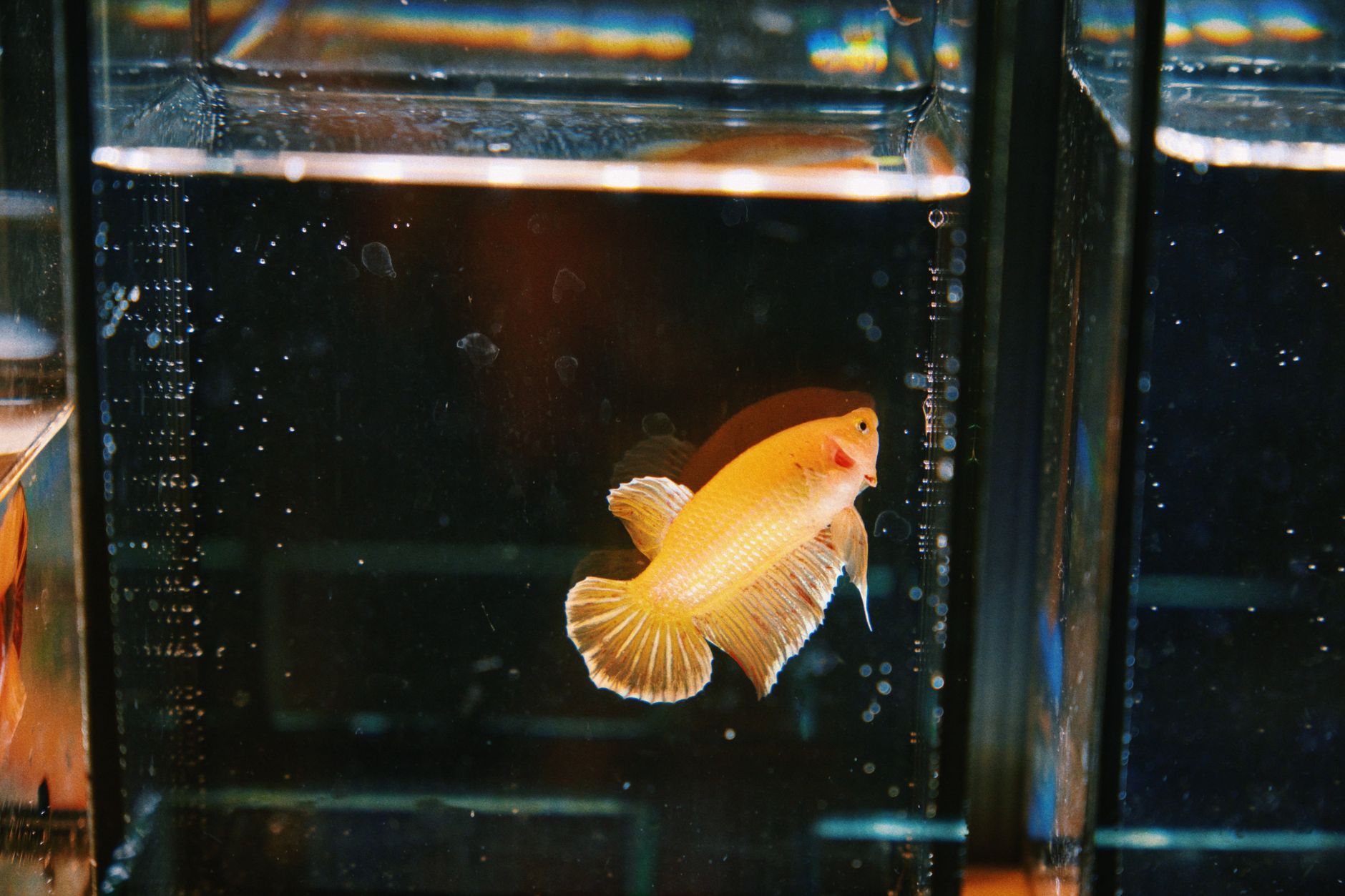
Why Is My Betta Blowing Bubbles? Unveiling the Mystery of Bubble Nests
The appearance of bubbles in your betta fish tank often signals a specific behavior: your male betta is likely building a bubble nest, a floating cluster of bubbles created as part of their reproductive process. Why is my betta blowing bubbles? The most common reason is to prepare a nest for potential eggs.

Understanding Bubble Nests: A Betta’s Display of Fatherhood
Betta bubble nests are fascinating displays of a male betta’s instinctive behavior. They’re more than just random bubbles; they’re carefully constructed platforms intended to protect fertilized eggs.

What colours are fish most attracted to?
Can you put your finger in a trout's mouth?
Is methylene blue anti bacterial?
Does aquarium salt raise pH in aquarium?
The Science Behind the Bubbles

Male bettas use their mouths to gulp air, cover it with saliva, and then release it to form a bubble. The saliva helps the bubbles stick together, creating a stable nest. This behavior is triggered by several factors, most importantly water conditions and the presence (or perceived presence) of a potential mate.
The Importance of Bubble Nests in Betta Reproduction
Bubble nests serve several crucial functions:
- Egg Protection: They provide a safe haven for fertilized eggs, keeping them near the surface where oxygen levels are higher.
- Fry Protection: After the eggs hatch, the male betta will diligently retrieve any fry that fall from the nest, spitting them back into the bubbly structure.
- Temperature Regulation: The nest helps maintain a stable temperature for the developing eggs.
Factors Influencing Bubble Nest Construction
Several factors can influence whether or not a betta builds a bubble nest:
- Water Quality: Clean, warm water (around 80°F) is crucial.
- Environment: A calm surface, with minimal water flow, is preferred.
- Solitude: While the presence of a female can stimulate nest building, excessive disturbance can inhibit it.
- Age and Maturity: Younger bettas may not be ready to build nests, while older bettas may be less active.
- Genetics: Some bettas are simply more inclined to build nests than others.
When Bubble Nests Aren’t the Whole Story: Other Causes of Bubbles
While bubble nests are the primary reason for bubbles on the surface of a betta tank, it’s essential to rule out other potential causes:
- Poor Water Quality: Excessive surface agitation from filters or decorations can cause protein buildup, creating bubbles. Regular water changes are crucial.
- New Tank Syndrome: In newly established tanks, bacteria blooms can sometimes lead to bubbles.
- Excessive Food: Uneaten food decomposing in the tank can contribute to bubble formation.
Troubleshooting Bubble Nesting Issues
If your betta isn’t building a bubble nest, or if the nest disappears, consider these troubleshooting tips:
- Improve Water Quality: Perform regular water changes (25-50% weekly).
- Maintain a Stable Temperature: Use a heater to keep the water temperature consistent.
- Reduce Water Flow: Adjust your filter to minimize surface agitation.
- Provide Visual Stimulation: While direct contact with a female betta is often not recommended without breeding experience, simply seeing another betta in a divided tank can stimulate nest building. (Ensure divider is opaque if aggression is noted).
- Add Floating Plants: Provide cover and a sense of security.
Comparing Bubble Nests with Other Surface Film
| Feature | Bubble Nest | Protein Film |
|---|---|---|
| Appearance | Organized, distinct bubbles; clustered | Thin, iridescent sheen; may have scattered bubbles |
| Cause | Natural reproductive behavior | Poor water quality, protein buildup |
| Stability | Relatively stable | Breaks easily |
| Action | Encourage and observe | Address water quality issues immediately |
Frequently Asked Questions About Betta Bubble Nests
Why is my betta blowing bubbles, but I don’t have a female betta?
Even without a female present, male bettas often build bubble nests. It’s an instinctive behavior triggered by favorable conditions, not necessarily the presence of a mate. He’s essentially practicing for when a female is available.
Is it bad if my betta doesn’t blow bubbles?
Not necessarily. Some bettas simply aren’t as inclined to build nests as others. As long as your betta is healthy, active, and eating well, the absence of a bubble nest is usually not a cause for concern. Check your water parameters and temperature to ensure optimal conditions.
My betta built a bubble nest, but then it disappeared. What happened?
Several factors could contribute to a disappearing bubble nest. These include changes in water temperature, increased water flow, disturbances in the tank, or even the betta accidentally breaking it. It could also indicate a temporary fluctuation in his hormone levels.
Should I remove the bubble nest?
No, generally you should not remove the bubble nest unless you are doing a complete tank clean and re-setup. Let it be unless it is affecting the water quality. Removing it can stress your betta. If you decide to remove it during a tank clean, be as gentle as possible so the betta is less stressed.
What does the size of the bubble nest indicate?
The size of the bubble nest doesn’t necessarily correlate with the betta’s health or reproductive potential. Some bettas build small, compact nests, while others create large, elaborate structures. It’s more about individual preference and environmental factors.
Can female bettas build bubble nests?
Rarely, female bettas may attempt to build rudimentary bubble nests, but it’s far less common and significantly smaller than those built by males. It often occurs when they are full of eggs and hormonal. It is not a cause for alarm.
How long does it take for a betta to build a bubble nest?
It can vary. Some bettas can build a small nest in a few hours, while others may take several days to construct a larger one. The speed depends on the betta’s individual motivation, the water conditions, and the availability of suitable materials.
What materials do bettas use to build bubble nests besides saliva?
While saliva is the primary component, bettas may also incorporate small pieces of debris, such as plant matter or substrate particles, to reinforce the nest. Providing floating plants can give them materials to work with.
What should I do if I want to breed my betta and he’s building a bubble nest?
If you are ready to breed bettas, a bubble nest is a good sign. You’ll need a separate breeding tank with shallow water, plenty of hiding places for the female, and optimal water conditions. Research betta breeding extensively before attempting it. It can be difficult.
Is my betta more aggressive when he has a bubble nest?
Yes, male bettas can become more territorial and aggressive when they have a bubble nest. They are protecting their potential offspring and will defend the nest against any perceived threats.
How often do bettas build bubble nests?
There’s no set schedule. Some bettas build nests frequently, while others do so sporadically. It depends on their individual temperament, the environment, and their overall health.
My betta used to blow bubbles, but he stopped. Is he sick?
Not necessarily. The cessation of bubble nest building doesn’t automatically indicate illness. However, if your betta is also showing other signs of illness, such as lethargy, loss of appetite, or changes in appearance, then it’s important to investigate further and consult with a veterinarian experienced with fish. It could be as simple as the water being too cold, or other tank issues.