
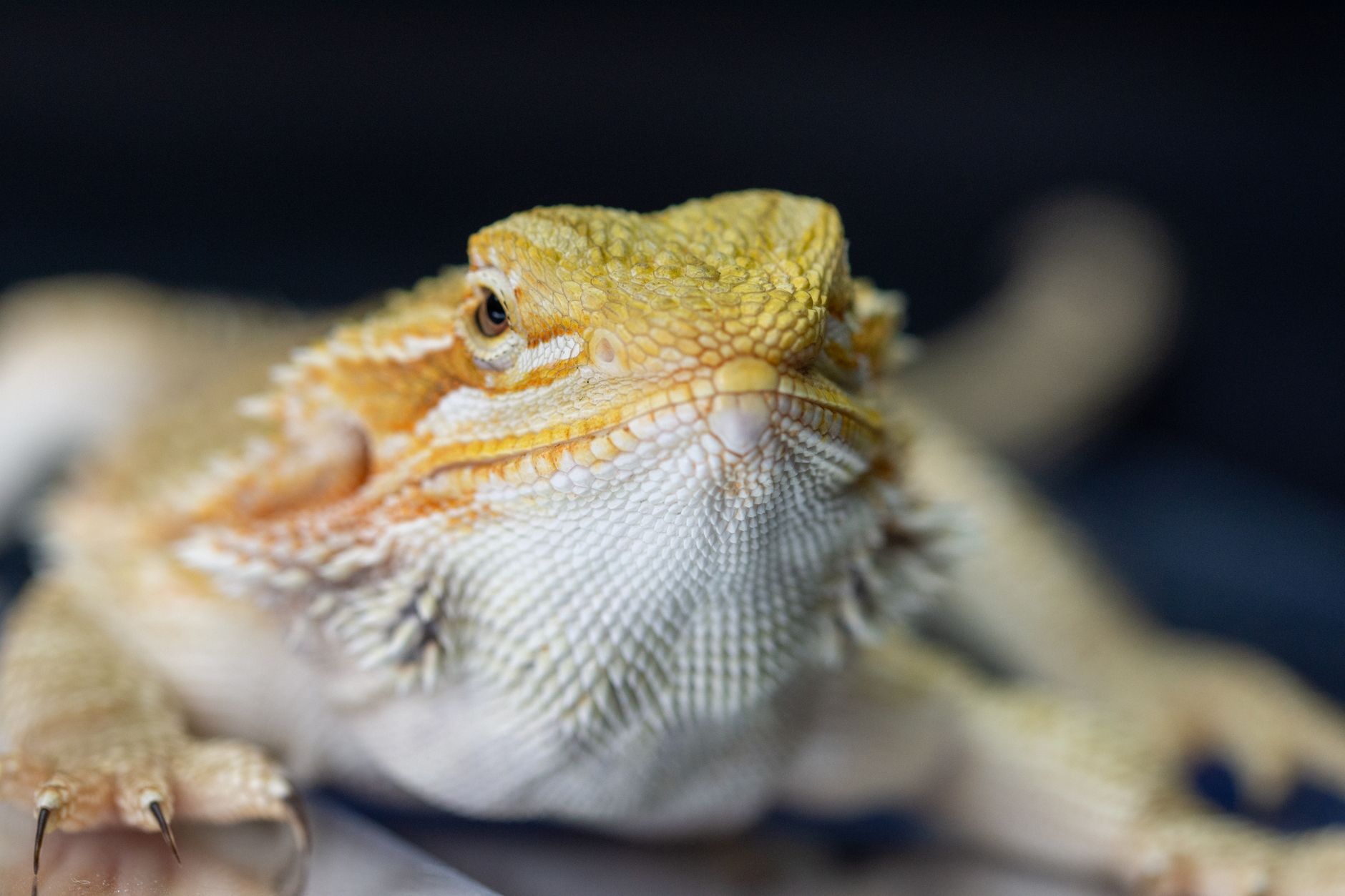
Why is My Baby Beardie So Dark? Understanding Your Bearded Dragon’s Color Changes
Why is my baby beardie so dark? A baby bearded dragon turning dark is often a sign of stress, illness, or thermoregulation issues; understanding the potential causes is crucial for providing optimal care and ensuring your young reptile’s well-being.
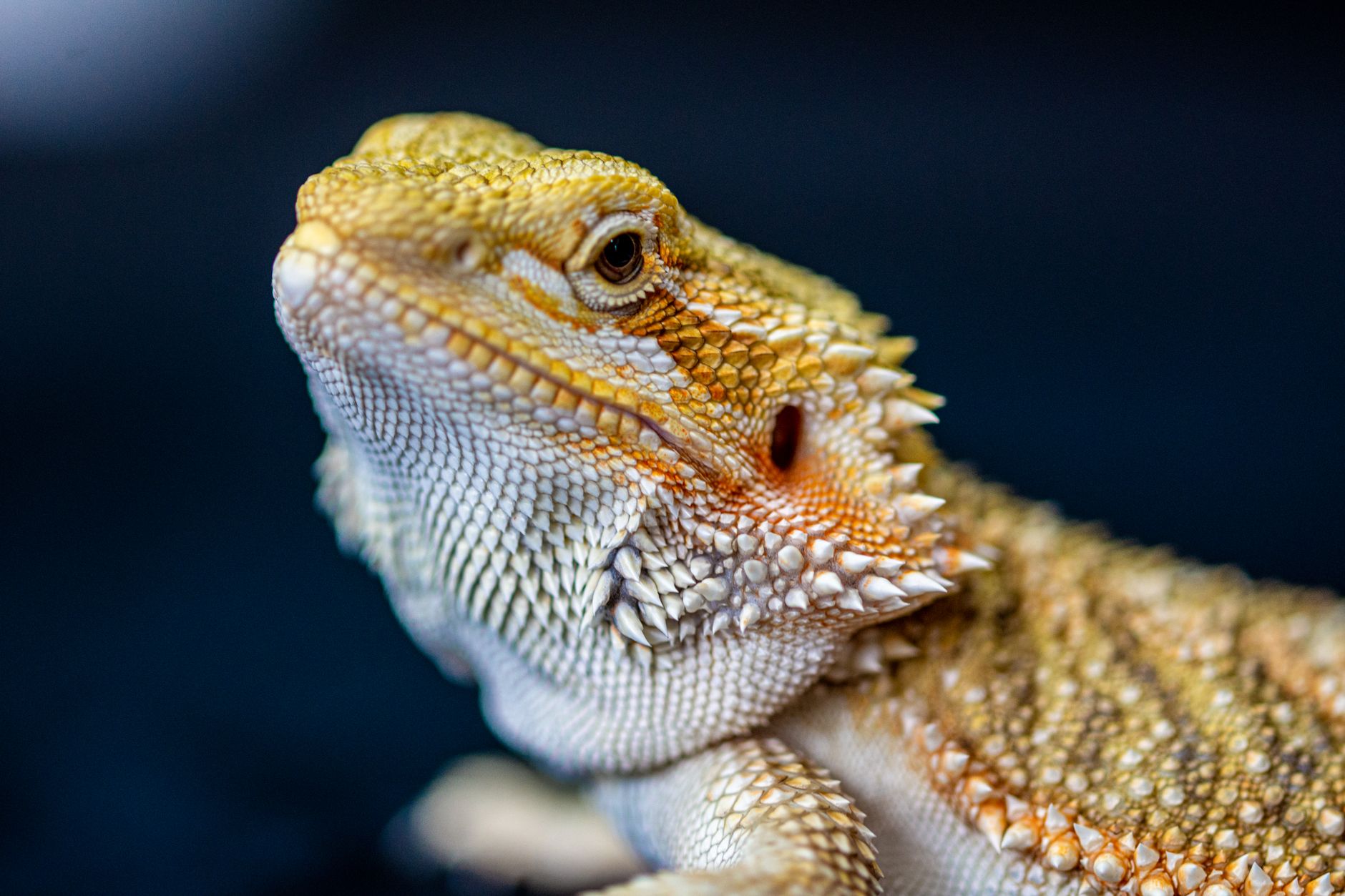
Bearded dragons, especially young ones, are prone to rapid color changes. These changes, often dramatic, can be alarming to new owners. Understanding why your baby beardie is exhibiting this behavior is essential for their health and happiness. Color is a vital communication tool for these fascinating reptiles, reflecting their mood, temperature, and overall well-being. Ignoring these signals could lead to serious health complications.
Background: The Importance of Color in Bearded Dragons
Bearded dragons use color changes to communicate various things. This is especially pronounced in babies, as they’re still developing their internal regulatory mechanisms.
- Thermoregulation: Darker colors absorb more heat, allowing the beardie to warm up quickly.
- Communication: Changes in color can signal aggression, submission, or even a willingness to mate (though this is less relevant for babies).
- Camouflage: While less prominent in captivity, color changes can offer a degree of camouflage.

What colours are fish most attracted to?
Can you put your finger in a trout's mouth?
Is methylene blue anti bacterial?
Does aquarium salt raise pH in aquarium?
Potential Causes of Dark Coloration

Several factors can contribute to a baby beardie turning dark. These are typically related to environmental issues, stress, or underlying health concerns.
- Temperature Imbalance: Insufficient basking temperatures are a primary cause.
- Stress: New environments, handling, or the presence of other animals can trigger stress.
- Illness: Underlying infections or parasites can manifest as color changes.
- Shedding: The skin darkening before shedding is normal in small sections.
- Nighttime Coloration: Bearded dragons naturally darken at night to conserve heat.
Diagnosing the Issue
To determine why your baby beardie is so dark, a systematic approach is needed.
- Check the Enclosure’s Temperature Gradient: Ensure adequate basking and cool zones. Use a digital thermometer for accurate readings.
- Observe Behavior: Note if the darkness is constant or intermittent. Is the beardie eating, basking, and behaving normally otherwise?
- Assess Stressors: Identify and minimize potential sources of stress in the environment.
- Monitor Appetite and Feces: A sudden loss of appetite or changes in stool can indicate illness.
Addressing Temperature Issues
Temperature is critical for a baby beardie’s health and impacts coloration the most.
- Basking Spot: Should reach 105-110°F. Use a basking bulb and ensure proper distance.
- Cool Side: Should be around 80-85°F.
- Nighttime Temperature: Should not drop below 65°F.
Alleviating Stress
Reducing stress is paramount for a happy and healthy beardie.
- Minimize Handling: Avoid excessive handling, especially during the initial adjustment period.
- Provide Hiding Spots: Offer a secure hide where the beardie can retreat when feeling threatened.
- Proper Enclosure Size: Ensure the enclosure is adequately sized for the beardie’s age and expected growth.
- Avoid Overcrowding: If housing multiple beardies (not recommended for babies), ensure sufficient space and resources to prevent competition.
When to Consult a Vet
If the darkness persists despite addressing temperature and stress factors, or if accompanied by other symptoms, consult a veterinarian specializing in reptiles immediately.
- Lethargy: Unusual inactivity or weakness.
- Loss of Appetite: Refusal to eat for more than a day or two.
- Changes in Feces: Diarrhea, constipation, or blood in the stool.
- Respiratory Issues: Wheezing, open-mouth breathing, or nasal discharge.
Preventing Future Occurrences
Proactive care is key to preventing future instances of your baby beardie being so dark.
- Regular Health Checks: Monitor weight, appetite, and behavior closely.
- Proper Husbandry: Maintain optimal temperature gradients, humidity levels, and enclosure cleanliness.
- Stress Reduction: Minimize handling, provide hiding spots, and avoid overcrowding.
- Quarantine New Additions: Before introducing a new beardie to an existing group, quarantine it for several weeks to prevent the spread of disease.
Frequently Asked Questions (FAQs)
Is it normal for my baby beardie to be darker in the morning?
Yes, it is generally normal for a baby bearded dragon to be slightly darker in the morning. This is because their bodies are still warming up and absorbing heat. As the day progresses and they bask, their color should lighten. If the darkness persists throughout the day, investigate other potential causes.
How long does it take for a baby beardie to adjust to a new home?
It can take anywhere from a few days to a couple of weeks for a baby beardie to fully adjust to a new environment. During this time, they may exhibit signs of stress, including darkening of their skin. Provide a secure and stable environment to help them acclimate more quickly.
Can improper lighting cause my baby beardie to turn dark?
Yes, inadequate UVB lighting is a common culprit. UVB light is essential for vitamin D3 synthesis, which is crucial for calcium absorption. Without sufficient UVB, beardies can develop metabolic bone disease (MBD), which can manifest as lethargy and darkening of the skin. Ensure your beardie has a proper UVB bulb and replace it as recommended by the manufacturer (usually every 6-12 months).
Why is my baby beardie so dark after handling?
Handling can be stressful for baby beardies, especially if they are not accustomed to it. The darkness is a sign that they are feeling anxious or threatened. Minimize handling, and when you do handle them, do so gently and for short periods.
What’s the ideal humidity level for a baby bearded dragon?
While bearded dragons are desert reptiles, babies need slightly higher humidity levels than adults. Aim for around 30-40% humidity in the enclosure. Use a hygrometer to monitor the humidity levels and adjust as needed.
Can parasites cause my baby beardie to turn dark?
Yes, internal parasites can contribute to a baby beardie’s darkened skin and overall poor health. Parasites can impair nutrient absorption, leading to weakness and stress. If you suspect parasites, consult a veterinarian for diagnosis and treatment.
My baby beardie is shedding and is turning dark. Is this normal?
Yes, darkening of the skin in patches is often a sign that your baby beardie is about to shed. The skin underneath the old layer can appear darker. Ensure proper humidity to aid in the shedding process.
What type of substrate is best for my baby beardie to avoid health issues?
Avoid loose substrates like sand for baby bearded dragons. They can ingest these, leading to impaction. Solid substrates like reptile carpet, paper towels, or tile are safer options.
How often should I feed my baby bearded dragon?
Baby bearded dragons have a high metabolism and require frequent feeding. Offer insects 2-3 times a day, supplemented with fresh greens. As they grow, the frequency of insect feedings can be reduced.
What types of insects are best for baby bearded dragons?
Crickets, dubia roaches, and black soldier fly larvae (BSFL) are excellent choices for baby bearded dragons. Ensure the insects are appropriately sized (no larger than the space between the beardie’s eyes). Gut-load the insects with nutritious foods before feeding them to your beardie.
What is brumation, and how does it affect coloration?
Brumation is a period of dormancy that bearded dragons experience, usually during the colder months. During brumation, they may become lethargic, eat less, and exhibit darker coloration. Baby beardies might not brumate during their first year, but some may show signs of reduced activity.
Why is my baby beardie so dark even when basking?
If your baby beardie remains dark even when basking under appropriate temperatures, it’s a strong indication of a more serious underlying problem such as illness, severe stress, or internal parasites. Seek immediate veterinary care. A bearded dragon that cannot regulate its temperature even when provided ideal conditions needs to be examined by a herpetological veterinarian.