

Why is it Called a Moor? Unraveling the Etymological History
The term “moor” originates from the Old English word “mōr,” meaning open land or waste land, a description fitting the characteristics of these often barren and untamed landscapes. Therefore, Why is it called a moor? Because its name directly reflects its physical appearance and perceived lack of agricultural value.
Tracing the Roots of “Moor”: A Linguistic Journey
The word “moor” has a long and fascinating history, stretching back centuries and encompassing various linguistic influences. Understanding this history provides valuable insight into Why is it called a moor? and how our perception of these landscapes has evolved over time.
- Proto-Germanic Origins: The journey begins with the Proto-Germanic word “mauraz,” which referred to a wet, boggy area. This initial association with wetness is crucial because many moorlands are indeed characterized by high levels of moisture.
- Old English “Mōr”: This Proto-Germanic term evolved into the Old English “mōr,” already carrying the sense of open land, heath, or waste land. It’s important to note that at this stage, the word had a broader application than it does today. It wasn’t solely reserved for the specific type of landscape we now recognize as a moor.
- Middle English and Beyond: The term remained relatively stable throughout Middle English and beyond, continuing to be used to describe uncultivated, often elevated land. However, the specific connotations and associations with moorlands as we understand them today became more firmly established during this period.
Therefore, etymologically, Why is it called a moor? can be answered by its origins from languages that describes open uncultivated land.

What colours are fish most attracted to?
Can you put your finger in a trout's mouth?
Is methylene blue anti bacterial?
Does aquarium salt raise pH in aquarium?
Moorland Characteristics and their Connection to the Name
The physical characteristics of moorland play a significant role in understanding Why is it called a moor? The term’s origins are intrinsically linked to the landscape’s features.
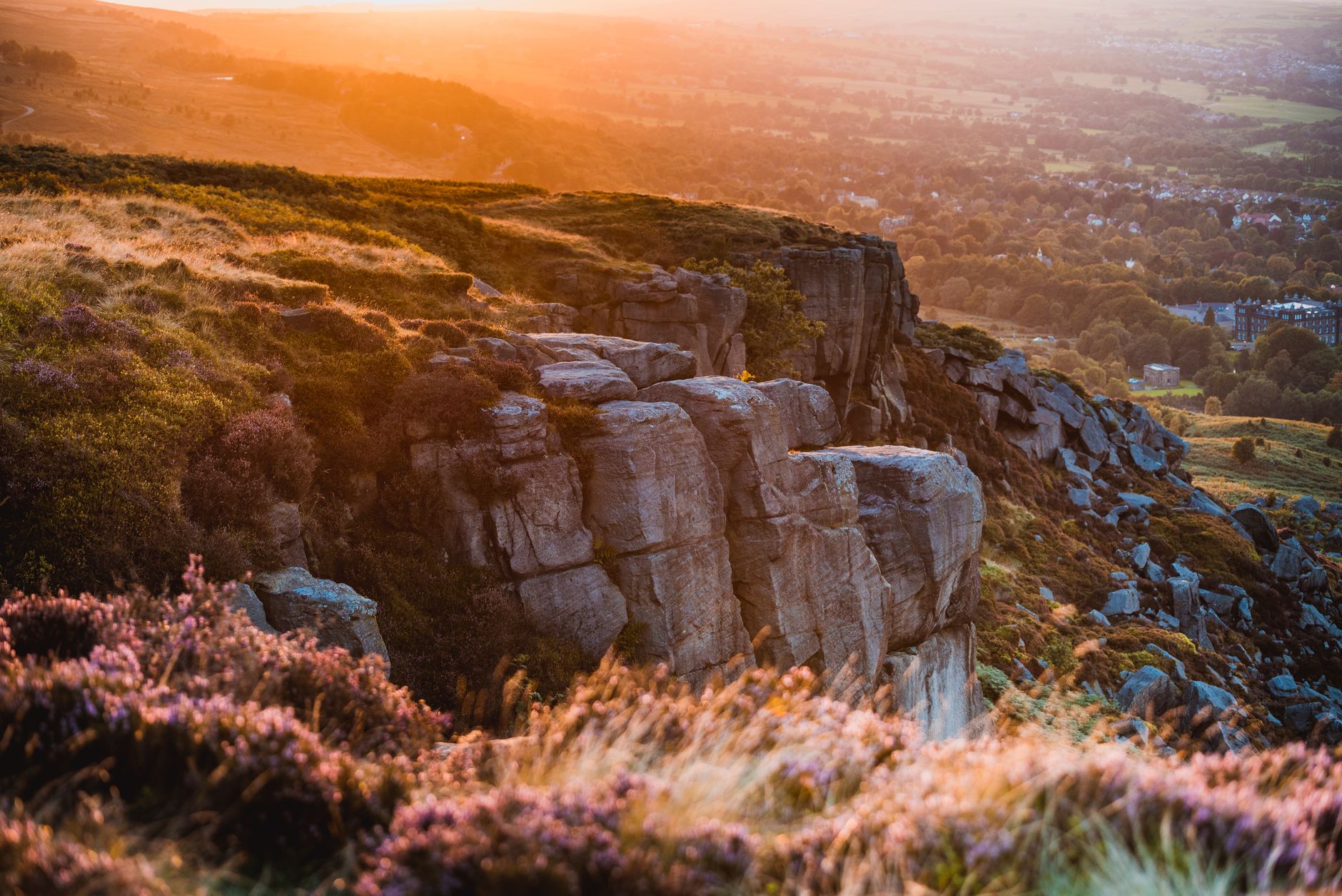
- Open and Undulating Terrain: Moors are often characterized by vast, open expanses, lacking the dense tree cover found in forests. This sense of openness directly reflects the Old English meaning of “mōr” as open land.
- Acidic Soils: Moorland soils are typically acidic and nutrient-poor, making them unsuitable for many types of agriculture. This contributes to the perception of moors as waste lands – areas deemed unproductive for farming.
- Peat Formation: The presence of peat, formed from accumulated decayed vegetation, is another defining feature. This contributes to the damp and boggy nature of many moors, reinforcing the link to the original Proto-Germanic meaning.
- Dominant Vegetation: Heather, gorse, and other hardy, low-growing plants are typical moorland vegetation. This vegetation is well-adapted to the harsh conditions but doesn’t offer the same economic value as timber-producing forests.
Essentially, the lack of agricultural potential and the wild, untamed nature of the landscape contribute to the reasons Why is it called a moor?. The name is an accurate reflection of the landscape’s perceived worthlessness for conventional farming.
Cultural and Historical Perceptions of Moors
Throughout history, moors have often been viewed with a mix of awe, fear, and disdain. These perceptions have further shaped the connotations associated with the word “moor,” influencing Why is it called a moor?
- Romanticism and the Sublime: In the Romantic era, moors began to be appreciated for their wild beauty and sense of desolation. Writers and artists celebrated their dramatic landscapes and association with freedom and untamed nature. This shift in perception, however, didn’t necessarily change the name.
- Folklore and Legend: Moors are often steeped in folklore and legends, frequently associated with mythical creatures, ghosts, and other supernatural phenomena. These stories contributed to the perception of moors as dangerous and mysterious places.
- Economic Significance: Despite being deemed unproductive for traditional agriculture, moors have historically provided resources such as grazing land for sheep, peat for fuel, and game for hunting. These economic uses, though important, didn’t negate the general perception of moors as marginal lands.
Why is it called a moor? in this context moves beyond a simple description of the land. Instead, it incorporates the historical and cultural associations, linking the name to the landscape’s perceived challenges and the cultural narratives attached to it.
Moors vs. Heaths: Distinguishing Between Similar Landscapes
While the terms “moor” and “heath” are sometimes used interchangeably, there are subtle distinctions between them. Understanding these differences provides further context for Why is it called a moor? and how the term is applied.
| Feature | Moor | Heath |
|---|---|---|
| Elevation | Often higher, upland areas | Typically lower, lowland areas |
| Soil Acidity | Generally more acidic | Generally more acidic |
| Peat Depth | Often significant peat deposits | Peat deposits may be present but thinner |
| Vegetation | Heather, cotton grass, peat moss | Heather, gorse, bracken |
| Rainfall | Typically higher rainfall | Typically lower rainfall |
In essence, moors are often more elevated, wetter, and have deeper peat deposits than heaths. While both are acidic, open landscapes dominated by similar vegetation, these subtle differences in physical characteristics contribute to the distinct naming conventions. So, Why is it called a moor? can also be partially explained by its distinction from a heath.
Frequently Asked Questions (FAQs)
What is the precise definition of a moor today?
A moor is generally defined as an open, uncultivated, upland area characterized by acidic soils, peat formation, and vegetation dominated by heather, gorse, and other hardy, low-growing plants. The specific characteristics can vary depending on location, but these are the defining features.
Is there a difference between a moor and a bog?
While moors and bogs can overlap, a bog is specifically a wetland characterized by the accumulation of dead plant material, forming peat. Moors can contain bogs, but not all moors are exclusively bogs. Many moors are drier than bogs, though still characterized by high moisture levels.
Are moors only found in the United Kingdom?
No, moors are found in various parts of the world, including Europe, North America, and Asia. While the term is particularly associated with the UK, similar landscapes exist globally, though they may be called by different names locally.
What is the ecological importance of moors?
Moors play a crucial role in carbon storage, water regulation, and biodiversity. They provide habitat for a variety of rare and endangered species and act as natural reservoirs for water. Their preservation is essential for maintaining environmental balance.
How are moors being protected today?
Many moors are designated as protected areas, such as National Parks and Sites of Special Scientific Interest (SSSIs). Conservation efforts focus on managing grazing, controlling burning, and restoring degraded peatlands to enhance their ecological value.
What are the main threats to moors?
The main threats include agricultural intensification, afforestation with non-native trees, overgrazing, burning, and climate change. These activities can degrade moorland habitats, reduce biodiversity, and release stored carbon into the atmosphere.
Can moors be restored?
Yes, moorland restoration is possible through various techniques, including blocking drainage ditches, re-vegetating bare peat, and controlling invasive species. These efforts can help to raise water tables, promote peat formation, and restore biodiversity.
What role does burning play in moorland management?
Traditionally, controlled burning has been used to manage heather and other vegetation on moors, promoting new growth and providing habitat for game birds. However, uncontrolled or poorly managed burning can be detrimental, damaging peat and releasing carbon.
Are moors used for agriculture?
Historically, moors have been used for extensive grazing of sheep and other livestock. However, intensive agriculture is generally not suitable due to the poor soil quality and wet conditions.
What is the economic value of moors beyond agriculture?
Beyond agriculture, moors can generate revenue through tourism, recreation, and sporting activities such as game shooting. Their ecological value, including carbon storage and water regulation, also provides significant economic benefits.
How does climate change affect moors?
Climate change can exacerbate existing threats to moors, leading to increased drought risk, altered vegetation patterns, and increased risk of wildfires. Changes in rainfall patterns can also affect peat formation and water regulation.
Why are moors often depicted as bleak or desolate?
The perception of moors as bleak or desolate stems from their lack of tree cover, acidic soils, and challenging environmental conditions. Historically, their perceived lack of agricultural value also contributed to this view. However, increasingly moors are seen as beautiful and valuable landscapes.