

Why is Haiti’s Soil Bad? The Devastating Impact of Erosion and Deforestation
Haiti’s soil is severely degraded due to centuries of unsustainable agricultural practices, deforestation, and inadequate land management, leading to widespread erosion and reduced fertility. This impacts food security, exacerbates poverty, and increases vulnerability to natural disasters.
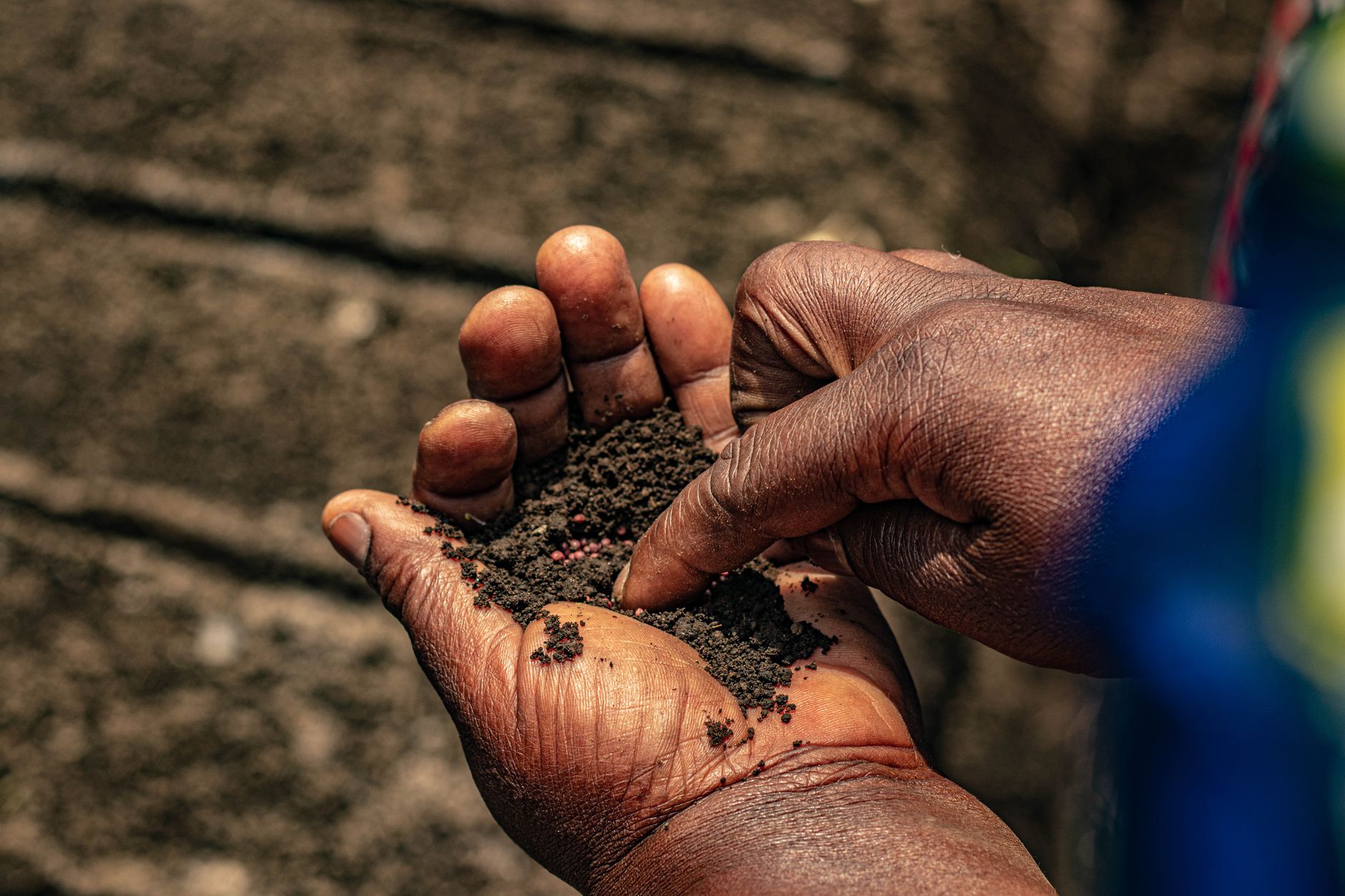
A Legacy of Environmental Challenges
Haiti’s environmental woes are deep-rooted and interconnected. Understanding the historical context is crucial to grasping the present-day challenges regarding soil quality. Decades of unsustainable agricultural practices, coupled with widespread deforestation, have stripped the land of its protective cover, leaving it vulnerable to erosion.

What colours are fish most attracted to?
Can you put your finger in a trout's mouth?
Is methylene blue anti bacterial?
Does aquarium salt raise pH in aquarium?
The Devastating Effects of Deforestation

Deforestation is perhaps the most significant contributor to Haiti’s soil degradation. Trees play a vital role in maintaining soil structure and preventing erosion. Their roots bind the soil together, while their canopy provides shade and reduces the impact of rainfall. The removal of trees has had catastrophic consequences.
- Loss of topsoil
- Increased runoff
- Decreased water infiltration
- Reduced soil fertility
Unsustainable Agricultural Practices
Traditional agricultural methods, often driven by necessity, have also contributed to soil degradation. These practices include:
- Monoculture: Planting the same crop repeatedly depletes the soil of essential nutrients.
- Overgrazing: Excessive livestock grazing removes vegetation cover, leading to soil compaction and erosion.
- Lack of Soil Conservation Techniques: Failing to implement practices like terracing, contour plowing, and crop rotation exacerbates erosion.
The Impact of Erosion
Erosion is a major problem facing Haiti. Rainfall washes away valuable topsoil, leaving behind infertile subsoil. This loss of topsoil reduces crop yields and forces farmers to cultivate marginal lands, further accelerating deforestation and soil degradation. Why is Haiti’s soil bad? Largely because the valuable topsoil has been eroded away.
The Interplay of Poverty and Environmental Degradation
Poverty and environmental degradation are deeply intertwined in Haiti. Limited economic opportunities drive people to exploit natural resources for survival, contributing to deforestation and unsustainable agricultural practices. This, in turn, exacerbates poverty, creating a vicious cycle.
The Role of Climate Change
Climate change is adding further stress to Haiti’s already fragile environment. Increased rainfall intensity and prolonged droughts contribute to increased erosion and land degradation. This makes it even more challenging for farmers to maintain soil fertility and productivity. The changing climate directly impacts why is Haiti’s soil bad?.
Addressing the Crisis: Sustainable Solutions
Reversing the trend of soil degradation requires a multifaceted approach that addresses the root causes of the problem. This includes:
- Reforestation efforts: Planting trees to restore forest cover and protect against erosion.
- Promoting sustainable agricultural practices: Encouraging crop rotation, terracing, and other soil conservation techniques.
- Investing in education and awareness: Educating farmers about sustainable land management practices.
- Creating economic opportunities: Providing alternative livelihoods to reduce reliance on unsustainable resource extraction.
- Improving land governance: Establishing clear land tenure rights to incentivize sustainable land management.
Comparing Soil Degradation Factors
| Factor | Description | Impact on Soil Quality |
|---|---|---|
| Deforestation | Removal of trees and vegetation | Loss of topsoil, increased erosion |
| Monoculture | Repeated planting of the same crop | Nutrient depletion, reduced soil fertility |
| Overgrazing | Excessive livestock grazing | Soil compaction, erosion |
| Climate Change | Increased rainfall intensity and droughts | Increased erosion, reduced water retention |
| Lack of Terracing | Absence of terracing on slopes | Increased erosion |
The Urgent Need for Action
The degradation of Haiti’s soil has far-reaching consequences for the country’s economy, food security, and overall well-being. Addressing this crisis requires a concerted effort from the government, civil society, and the international community. Without immediate and sustained action, the situation will only worsen, further jeopardizing the livelihoods of millions of Haitians. The ongoing crisis highlights why is Haiti’s soil bad? and the urgent need for sustainable solutions.
Frequently Asked Questions (FAQs)
What specific types of erosion are most prevalent in Haiti?
Sheet erosion, rill erosion, and gully erosion are all common in Haiti. Sheet erosion involves the gradual removal of a thin layer of topsoil, while rill erosion creates small channels in the soil. Gully erosion is the most severe form, resulting in deep channels that can render land unusable.
How does soil erosion affect water quality in Haiti?
Erosion leads to sedimentation of rivers and streams, reducing water quality. This sediment can also clog irrigation canals and damage infrastructure. In addition, eroded soil often carries pollutants such as pesticides and fertilizers, which further contaminate water sources.
What are some examples of successful reforestation projects in Haiti?
Several reforestation projects have shown promising results. These projects often involve community participation and focus on planting native tree species. Some examples include initiatives by non-governmental organizations that provide farmers with seedlings and training in sustainable forestry practices.
Why is terracing an important soil conservation technique?
Terracing creates a series of level platforms on slopes, reducing the steepness of the land and slowing down the flow of water. This reduces erosion and allows water to infiltrate the soil, improving water retention and reducing runoff.
What is the role of international aid in addressing soil degradation in Haiti?
International aid can play a crucial role in supporting reforestation efforts, promoting sustainable agriculture, and providing technical assistance. However, it’s important that aid programs are designed in consultation with local communities and are aligned with national priorities.
How can farmers improve soil fertility without relying on synthetic fertilizers?
Farmers can improve soil fertility by using organic amendments such as compost, manure, and cover crops. These materials add nutrients to the soil and improve its structure, enhancing its ability to retain water and support plant growth.
What are some of the challenges in implementing sustainable agricultural practices in Haiti?
Challenges include a lack of access to credit, limited access to training and information, and insecure land tenure. Overcoming these challenges requires a concerted effort from the government, civil society, and the international community.
How does the lack of infrastructure contribute to soil degradation?
Poor infrastructure, such as roads and irrigation systems, hinders access to markets and limits the ability of farmers to adopt sustainable practices. Improved infrastructure is essential for promoting economic development and reducing pressure on natural resources.
What role does education play in addressing soil degradation?
Education is critical for raising awareness about the importance of soil conservation and promoting sustainable land management practices. Educated farmers are more likely to adopt practices that protect the soil and improve its fertility.
How are climate change and soil degradation linked in Haiti?
Climate change exacerbates soil degradation by increasing the frequency and intensity of extreme weather events such as droughts and heavy rainfall. These events can damage soil structure and increase erosion rates.
What are the long-term consequences of continued soil degradation in Haiti?
Continued soil degradation will lead to decreased agricultural productivity, increased poverty, and increased vulnerability to natural disasters. It could also lead to mass migration and further political instability.
What can individuals do to support efforts to improve soil quality in Haiti?
Individuals can support organizations working on reforestation and sustainable agriculture in Haiti. They can also advocate for policies that promote environmental protection and sustainable development. Supporting businesses that source products sustainably from Haiti is another impactful way to contribute.