

Why Does My Floor Make a Lot of Noise?
The noises your floor makes, from creaks to squeaks, are generally caused by the friction and movement of floor components rubbing against each other, typically due to factors like humidity changes, subfloor issues, or settling. Understanding why your floor makes a lot of noise involves identifying the specific cause to determine the best solution.
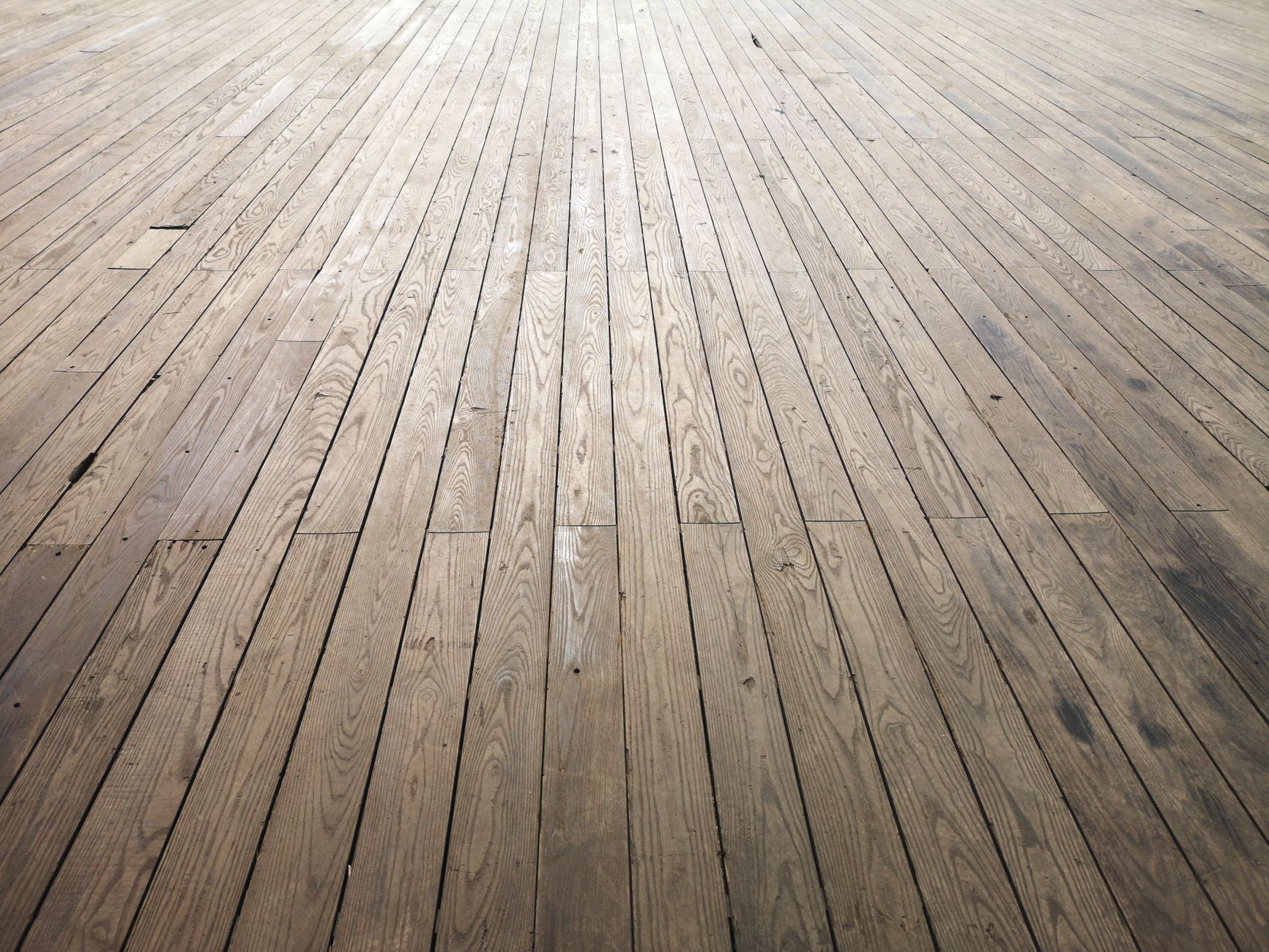
Understanding the Symphony of Sounds Underfoot
Floors are not static entities; they are dynamic systems responding to environmental changes, structural shifts, and the daily pressures we exert upon them. The sounds emanating from your flooring can range from subtle creaks to alarming groans, each acting as a diagnostic clue pointing towards underlying issues. Understanding these clues is the first step in quieting the clamor beneath your feet.

What colours are fish most attracted to?
Can you put your finger in a trout's mouth?
Is methylene blue anti bacterial?
Does aquarium salt raise pH in aquarium?
The Culprits Behind the Creaks and Groans
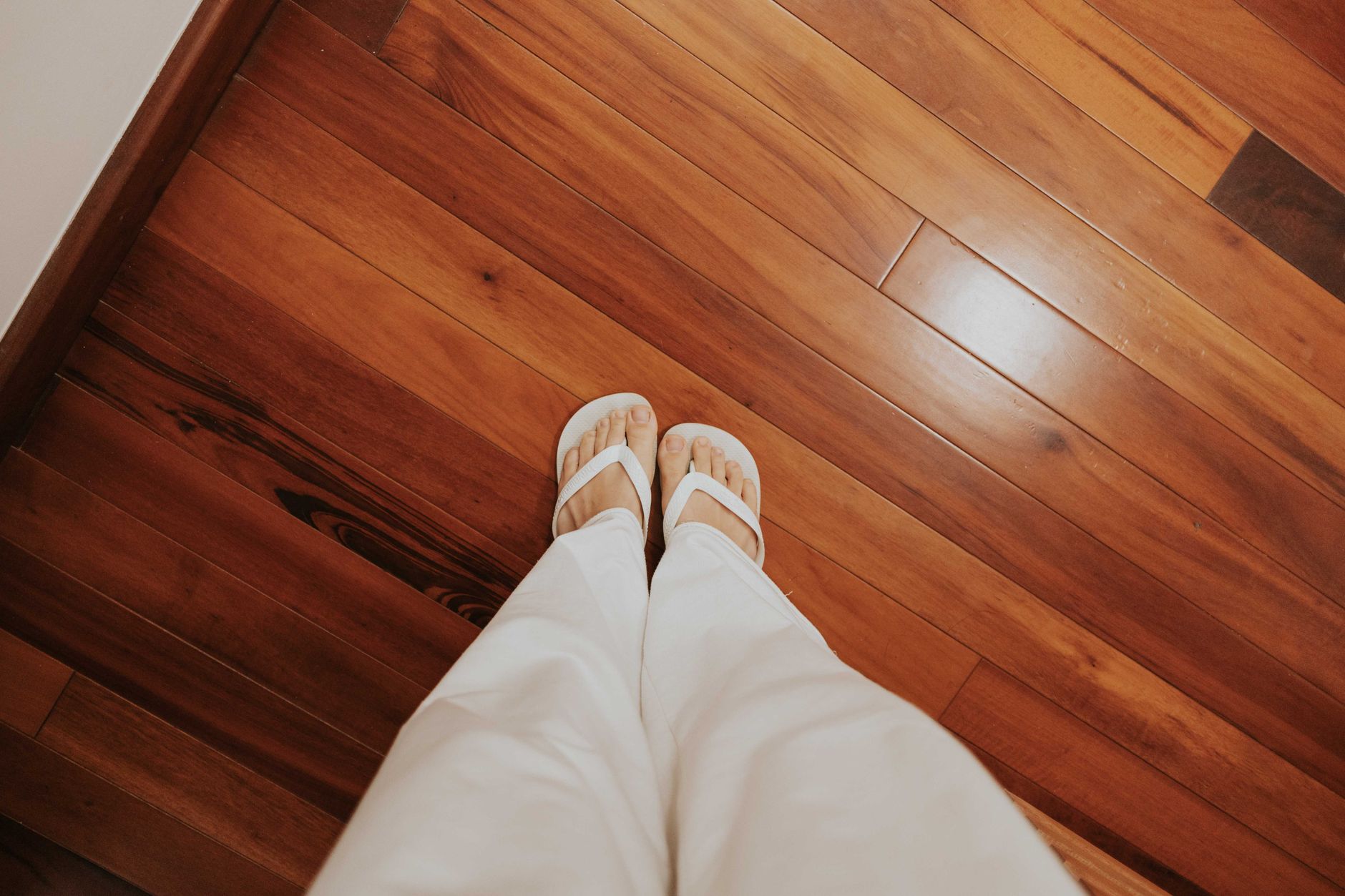
Several factors can contribute to noisy floors. Identifying the root cause is essential for effective troubleshooting and repair. Here are some common culprits:
- Humidity Fluctuations: Wood flooring expands and contracts with changes in humidity. This expansion and contraction can cause boards to rub against each other or against the subfloor, resulting in creaking. This is a very common cause of seasonal floor noise.
- Subfloor Problems: The subfloor provides the foundation for your flooring. If the subfloor is uneven, loose, or damaged, it can lead to movement and noise. Common issues include loose nails, warped plywood, or inadequate support.
- Loose Fasteners: Nails or screws securing the flooring to the subfloor can loosen over time, creating space for movement and subsequent noise.
- Friction Between Flooring Components: In hardwood floors, tongue-and-groove boards rubbing together are a common source of squeaks. With laminate or engineered wood, the interlocking mechanisms can sometimes generate noise if they become loose or damaged.
- Settling and Structural Shifts: As a house settles, minor structural shifts can occur. These shifts can put stress on the flooring, leading to creaking or groaning sounds.
- Improper Installation: If the flooring wasn’t installed correctly in the first place, it’s more prone to noise issues. This could include inadequate spacing for expansion, insufficient fastening, or using the wrong type of underlayment.
Diagnosing the Source of the Noise
Pinpointing the source of the noise is crucial. Here’s a step-by-step approach:
- Listen Carefully: Pay attention to where the noise is coming from. Is it localized to a specific area or more widespread? Does it happen only when someone walks in a particular spot?
- Apply Pressure: Gently apply pressure to different areas of the floor to see if you can replicate the noise. This can help you isolate the specific location.
- Inspect the Subfloor (if possible): If you have access to the subfloor from below (e.g., through a basement or crawl space), inspect it for signs of damage, looseness, or water damage.
- Check for Loose Fasteners: Look for nail heads that are popping up or screws that are not flush with the surface of the flooring.
- Consider the Season: If the noise is worse during certain times of the year, it’s likely related to humidity changes.
Solutions for a Quieter Floor
The solution will depend on the cause of the noise. Here are some common remedies:
- Addressing Humidity Issues: Use a humidifier or dehumidifier to maintain a consistent humidity level in your home.
- Tightening Loose Fasteners: Drive loose nails or screws deeper into the subfloor or replace them with longer, sturdier fasteners. Consider using screws instead of nails for a more secure hold.
- Adding Shims: If the subfloor is uneven, you can use shims to provide additional support and eliminate movement.
- Lubricating Squeaky Boards: Apply powdered graphite or talcum powder between boards to reduce friction and eliminate squeaks.
- Reinforcing the Subfloor: If the subfloor is weak or damaged, consider adding additional layers of plywood or reinforcing it with supports from below.
- Professional Repair: In some cases, the problem may be too complex to handle yourself. Consult with a flooring professional for assistance.
Prevention is Key
Preventing noisy floors is often easier than fixing them. Here are some preventative measures:
- Proper Installation: Ensure that your flooring is installed correctly, following manufacturer’s instructions and best practices.
- Maintaining Consistent Humidity: Keep the humidity levels in your home consistent to minimize expansion and contraction of wood flooring.
- Regular Inspections: Periodically inspect your floors for signs of damage or looseness.
- Use Proper Underlayment: Choose an appropriate underlayment for your flooring type to provide cushioning and reduce noise transmission.
Advantages of a Quiet Floor
A quiet floor is more than just a matter of comfort; it can also contribute to the overall value and enjoyment of your home.
- Increased Comfort: Eliminating annoying floor noises creates a more peaceful and relaxing living environment.
- Improved Home Value: A well-maintained, quiet floor is a sign of a well-cared-for home, which can increase its value.
- Reduced Stress: Constant creaking and squeaking can be a source of stress and irritation. Quieting your floors can help reduce stress levels.
Common Mistakes When Addressing Noisy Floors
Trying to fix noisy floors without understanding the underlying cause can lead to frustration and wasted time. Here are some common mistakes to avoid:
- Ignoring the Subfloor: The subfloor is the foundation of your flooring. Addressing the noise without inspecting the subfloor is like treating the symptoms without addressing the disease.
- Using the Wrong Fasteners: Using the wrong type of nails or screws can actually make the problem worse.
- Over-Tightening Fasteners: Over-tightening fasteners can strip the wood and make the problem even worse.
- Failing to Address Humidity: If humidity is the cause of the noise, simply tightening fasteners won’t solve the problem.
- Ignoring Professional Advice: If you’re unsure how to fix the problem, don’t hesitate to consult with a flooring professional.
FAQs About Noisy Floors
Why is my hardwood floor so noisy in the winter?
The most likely reason your hardwood floor is noisy in the winter is due to lower humidity levels. As temperatures drop and heating systems are used, the air becomes drier, causing the wood to contract. This contraction creates gaps between the boards, leading to increased friction and noise. Consider using a humidifier to combat this.
How do I fix a squeaky floor under carpet?
Fixing a squeaky floor under carpet can be tricky. The best approach is to locate the source of the squeak by pressing down on the carpet. Then, use screws designed for carpet (they have a special head that sinks below the carpet fibers) to secure the subfloor to the joists from above. Be sure to find the joists first using a stud finder.
Can humidity cause laminate floors to be noisy?
Yes, humidity can definitely cause laminate floors to be noisy. While laminate isn’t as susceptible to expansion and contraction as solid wood, excessive moisture can still cause the core of the laminate planks to swell, leading to buckling and squeaking. Proper acclimation before installation is crucial.
Is it normal for new hardwood floors to make noise?
A little bit of noise in new hardwood floors is somewhat normal as the floor adjusts to its environment. However, excessive noise could indicate improper installation or subfloor issues. Keep an eye on it and consult with your installer if the noise persists or worsens after a few weeks.
What is the best lubricant to use for squeaky wood floors?
Powdered graphite or talcum powder are excellent lubricants for squeaky wood floors. They help to reduce friction between boards. Apply sparingly into the cracks between the boards.
My floor only creaks in one spot. What does that mean?
If your floor only creaks in one specific spot, it likely indicates a localized issue with the subfloor or a loose fastener. Inspect the area for signs of damage, looseness, or protruding nails.
How can I tell if the noise is coming from the subfloor or the flooring itself?
Try to isolate the noise. If the noise sounds hollow or deep, it’s more likely coming from the subfloor. If it’s a higher-pitched squeak, it’s probably coming from the flooring itself.
What is the role of underlayment in reducing floor noise?
Underlayment acts as a sound barrier, cushioning the flooring and absorbing impact noise. Using a high-quality underlayment can significantly reduce noise transmission.
Can I fix a squeaky floor from underneath the house?
Yes, fixing a squeaky floor from underneath the house (e.g., from a basement or crawl space) can be very effective. You can reinforce the subfloor by adding shims between the joists and the subfloor or by screwing the subfloor directly to the joists.
Why does my floating floor make a tapping sound when I walk on it?
A tapping sound on a floating floor usually indicates that the floor is not properly acclimated or that there is insufficient expansion space around the perimeter of the room. The floor is expanding and contracting and hitting against the walls.
Is it possible to eliminate all floor noise?
While it’s often possible to significantly reduce floor noise, completely eliminating it may not be realistic. Floors are dynamic systems and will inevitably make some noise due to normal settling and environmental changes.
When should I call a professional about my noisy floor?
You should call a professional if you’re unable to identify the source of the noise, if the problem is widespread, or if you’re uncomfortable making repairs yourself. A professional flooring contractor can accurately diagnose the problem and recommend the most effective solution. Knowing why your floor makes a lot of noise can prevent bigger issues later on.