
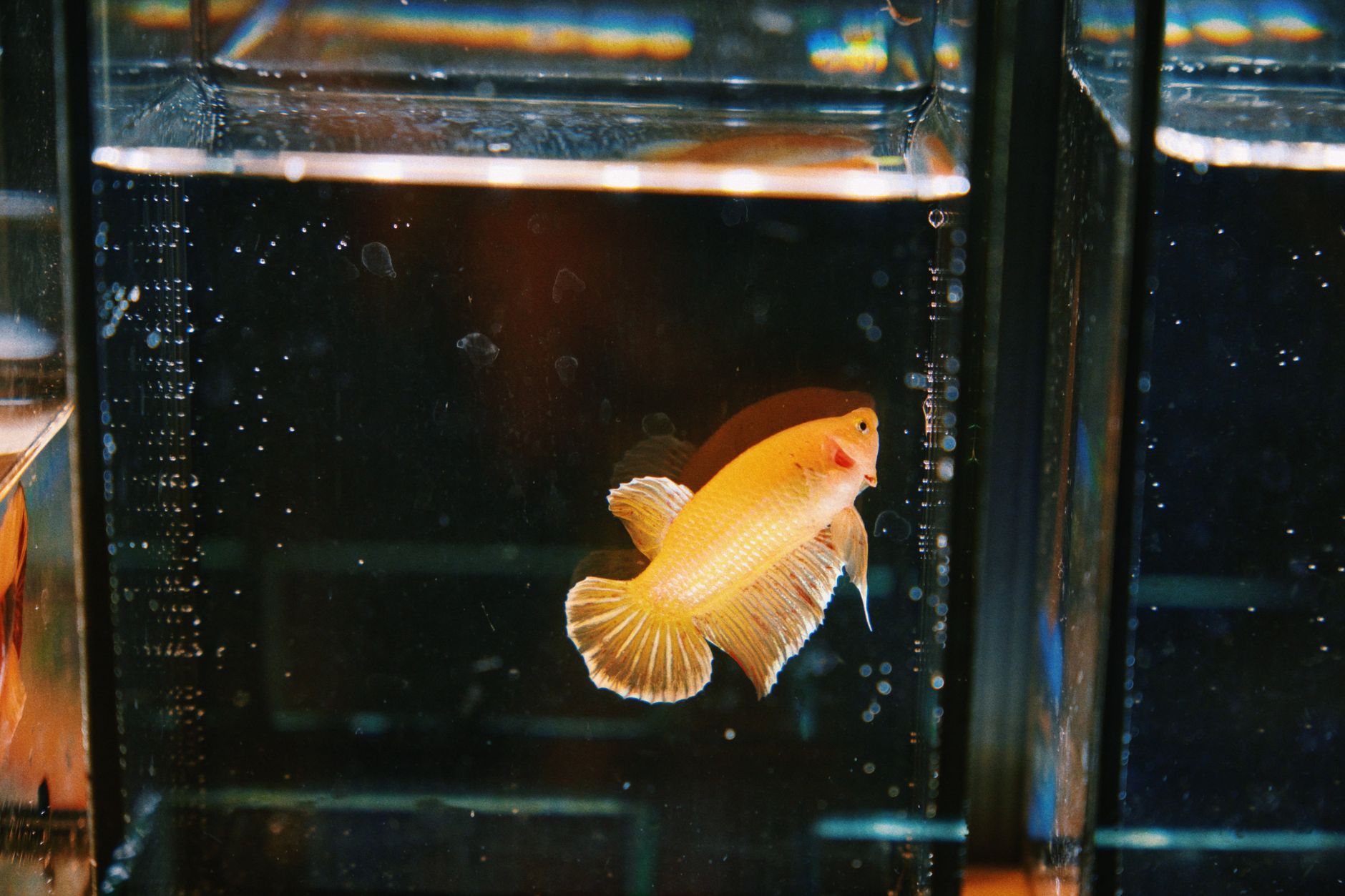
Why Does My Betta Fish Keep Laying Down? Understanding and Addressing the Behavior
Why does my betta fish keep laying down? This behavior in betta fish can indicate a variety of underlying issues, ranging from poor water quality and illness to old age or even simple rest; carefully observing your fish and their environment is crucial for accurate diagnosis and effective treatment.

Betta fish, also known as Siamese fighting fish, are renowned for their vibrant colors and flowing fins. But when your once-active betta begins spending excessive time resting on the bottom of the tank, it’s natural to be concerned. Understanding the potential causes behind this behavior is essential for ensuring your betta’s health and well-being. This article will delve into the common reasons why does my betta fish keep laying down, providing you with the knowledge to diagnose the issue and implement appropriate solutions.
Understanding the Causes: A Comprehensive Guide
Several factors can contribute to a betta fish spending more time lying down. These can be broadly categorized into environmental, health-related, and age-related issues. Identifying the specific cause is the first step toward resolving the problem.

How intelligent are fish?
Are fish heads good for the garden?
Can fish hear water?
What is cotton rot in fish?
Environmental Factors
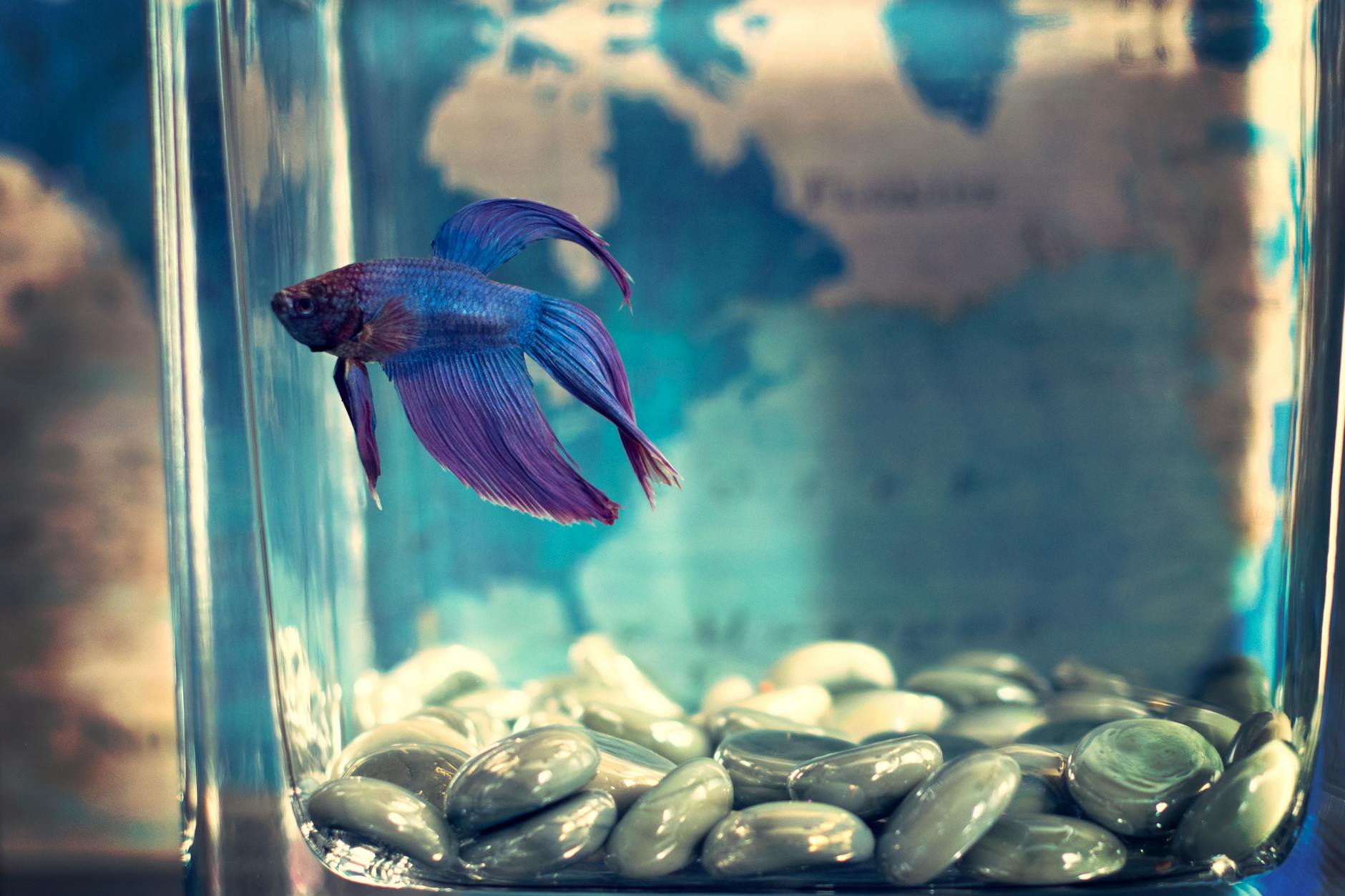
The environment within your betta’s tank plays a crucial role in its overall health and activity level. Suboptimal conditions can quickly lead to stress and illness, manifesting as lethargy and a tendency to lie down.
- Water Quality: Poor water quality is perhaps the most frequent culprit. High levels of ammonia, nitrite, or nitrate can be toxic to betta fish, causing them to become weak and inactive. Regular water changes and proper filtration are vital.
- Water Temperature: Betta fish are tropical creatures and thrive in warm water, ideally between 78°F and 82°F. Water that is too cold can slow their metabolism, making them sluggish and prone to lying down. A reliable heater is essential.
- Tank Size: While bettas can survive in small tanks, they are much happier and healthier in larger tanks (5 gallons or more). Cramped conditions can cause stress and limit their ability to swim and exercise.
- Inadequate Enrichment: A barren tank with no hiding places or decorations can lead to boredom and stress. Providing plants, caves, and other enrichment items can encourage activity and reduce stress.
Health-Related Issues
Numerous diseases and infections can cause a betta fish to become lethargic and lie down. Early detection and treatment are critical for successful recovery.
- Fin Rot: A common bacterial infection that affects the fins, causing them to become frayed, discolored, and eventually rot away. Poor water quality is often a contributing factor.
- Swim Bladder Disorder (SBD): Affects the swim bladder, which controls buoyancy. A fish with SBD may have difficulty staying upright, sinking to the bottom or floating uncontrollably.
- Ich (White Spot Disease): A parasitic infection characterized by small white spots on the body and fins. Affected fish may rub against objects in the tank and become lethargic.
- Internal Parasites: Can cause weight loss, lethargy, and abdominal swelling. Fecal examination can help diagnose parasitic infections.
Age-Related Issues
Like all living creatures, betta fish experience a decline in health and activity as they age. An older betta may simply be less active and more prone to lying down.
- Natural Decline: As bettas age, they may become weaker and less energetic. Their fins may become more tattered, and they may spend more time resting.
- Organ Failure: In older fish, organ failure can lead to a decline in overall health and energy levels.
Steps to Take When Your Betta is Lying Down
If you notice your betta fish spending excessive time lying down, take the following steps:
- Assess Water Quality: Test the water for ammonia, nitrite, and nitrate. Perform a partial water change (25-50%) if levels are elevated.
- Check Water Temperature: Ensure the water temperature is within the ideal range of 78°F to 82°F. Adjust the heater if necessary.
- Observe for Symptoms: Look for any signs of illness, such as fin rot, white spots, or abnormal swimming behavior.
- Consider Tank Size and Enrichment: Make sure the tank is large enough and provides adequate enrichment.
- Consult a Veterinarian: If the problem persists or your betta shows signs of illness, consult a veterinarian with experience in fish care.
Prevention is Key
Preventing these issues in the first place is crucial. Consider these preventative measures:
- Regular Water Changes: Perform partial water changes (25-50%) once or twice a week to maintain good water quality.
- Proper Filtration: Use a filter that is appropriate for the size of your tank.
- Maintain Water Temperature: Use a reliable heater and monitor the water temperature regularly.
- Provide a Healthy Diet: Feed your betta a high-quality betta pellet food.
- Observe for Signs of Illness: Monitor your betta regularly for any signs of illness.
- Quarantine New Fish: Quarantine new fish for several weeks before introducing them to your main tank.
Common Misconceptions
It’s important to dispel some common misconceptions about betta fish care:
- Bettas can live in small bowls: While they can survive in bowls, they thrive in larger tanks with proper filtration and heating.
- Bettas don’t need water changes: Regular water changes are essential for maintaining good water quality.
- Bettas can be housed with other fish: Male bettas are territorial and should not be housed with other male bettas. They may also be aggressive towards other fish with long, flowing fins.
How to Create the Perfect Betta Environment
Creating the perfect environment for your betta can significantly improve their overall health and reduce the chances of them exhibiting lethargic behaviours.
Here’s a table summarizing ideal conditions:
| Feature | Ideal Condition |
|---|---|
| Tank Size | 5 gallons or larger |
| Water Temperature | 78°F – 82°F |
| pH | 6.5 – 7.5 |
| Filtration | Gentle filter appropriate for tank size |
| Water Changes | 25-50% weekly |
| Decorations | Plants, caves, smooth rocks (avoid sharp edges) |
| Tank Mates | Only if appropriate for temperament and tank size |
Frequently Asked Questions (FAQs)
Why does my betta fish keep laying down even after a water change?
Even after a water change, your betta might still be laying down because the underlying problem may not be immediately resolved. It could be that the water parameters (pH, ammonia, nitrite) are still not optimal, or the fish may be suffering from an illness that requires more than just clean water to heal. Continued observation and further investigation into potential health issues are necessary.
Is it normal for my betta fish to rest on the bottom sometimes?
Yes, it is normal for betta fish to rest on the bottom occasionally, especially if they are sleeping or conserving energy. However, if your betta is constantly lying down and showing other signs of lethargy, it’s a cause for concern and requires further investigation.
What does swim bladder disorder look like in a betta fish?
Swim Bladder Disorder (SBD) manifests in various ways. Your betta may struggle to maintain a normal swimming position, floating uncontrollably at the surface, sinking to the bottom, or swimming on their side. It can also cause a swollen abdomen and difficulty eating.
How often should I change the water in my betta tank?
The frequency of water changes depends on the size of your tank and the number of fish. Generally, a 25-50% water change once or twice a week is recommended for tanks under 10 gallons. Larger tanks may require less frequent water changes.
How can I tell if my betta is old?
Signs of aging in bettas include fading color, decreased activity, tattered fins, and a general slowing down. They may also develop cataracts or other age-related health problems. Keep in mind lifespan of a betta is usually 2-5 years, depending on care and genetics.
What are the signs of fin rot in a betta fish?
Fin rot typically presents as frayed, discolored, or blackened edges on the fins. In severe cases, the fins may be significantly shortened or even completely eroded. It’s often accompanied by lethargy and loss of appetite.
Can stress cause my betta fish to lay down?
Yes, stress can definitely contribute to a betta lying down. Stress weakens the immune system, making the fish more susceptible to illness and leading to lethargy and inactivity. Factors like poor water quality, overcrowding, or aggression from tank mates can cause stress.
What is the best way to treat fin rot in a betta fish?
Treatment for fin rot typically involves improving water quality with frequent water changes and using medication specifically designed to treat bacterial infections. Melafix and Bettafix are common over-the-counter treatments, but their effectiveness is debated. More severe cases may require antibiotics prescribed by a veterinarian.
My betta is lying down but still eating, is it still serious?
While eating is a positive sign, a betta lying down consistently is still a concern. It suggests the fish has some energy reserves but is likely dealing with an underlying issue. You still need to investigate water quality, potential diseases, and other stress factors.
Is it possible my betta is just sleeping?
Yes, it is possible. Bettas do sleep, and they often rest on the bottom or near the surface while doing so. Distinguish sleep from lethargy by observing if the fish responds to stimuli. A sleeping betta will usually react to movement or light.
What type of plants are best for a betta tank?
Good plant choices for a betta tank include Anubias, Java fern, and Amazon sword. These plants are hardy, require low light, and provide hiding places for your betta. Avoid plants with sharp edges that could damage your betta’s fins.
Why does my betta fish keep laying down after I added a new tank mate?
Introducing a new tank mate can cause stress to your betta fish. Bettas are territorial and often become stressed when another fish is introduced into their environment, even if the new tank mate is non-aggressive. Watch for aggression, ensure adequate space, and consider removing the new tank mate if the behavior persists.