
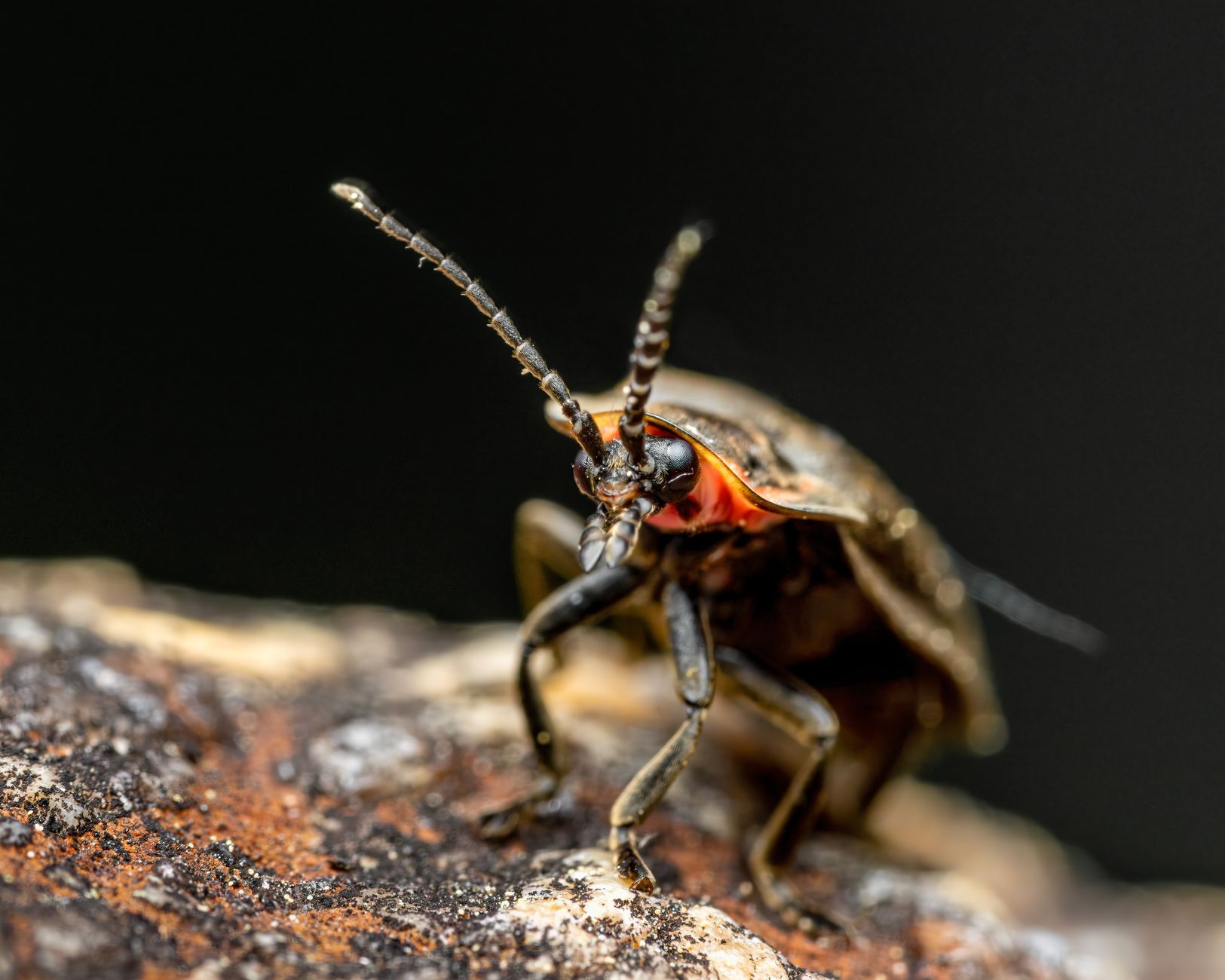
Can Tree Frogs Eat Fireflies? The Glowing Truth
While the lure of a glowing meal might seem irresistible, tree frogs consuming fireflies can be a dangerous, and often lethal, mistake. This article delves into the reasons why these captivating insects pose a threat to our amphibious friends.

Introduction: Fireflies, Frogs, and a Deadly Glow
The seemingly simple question of whether can tree frogs eat fireflies unveils a complex interplay of predator-prey relationships, defense mechanisms, and evolutionary adaptations. Fireflies, also known as lightning bugs, are beloved for their bioluminescent displays, signals used for mating. However, these charming displays also serve as a warning: many firefly species contain lucibufagins, defensive steroids that can be toxic to predators.
The relationship between amphibians and insects is a crucial element of many ecosystems. Frogs, including tree frogs, are opportunistic feeders, meaning they’ll eat a variety of insects that cross their path. But not all insects are created equal, and some, like the firefly, pack a surprisingly potent defense. Understanding the dangers of lucibufagins is vital for appreciating the risks faced by frogs in environments where fireflies are prevalent.

Can dwarf frogs live on land?
What do California tiger salamanders eat?
What is the GREY African clawed frog?
Is distilled water good for goldfish?
The Chemistry of Caution: Lucibufagins Explained

Lucibufagins are steroidal pyrones found in many firefly species. These compounds are highly unpalatable and toxic, deterring predators from making fireflies a regular part of their diet. The concentration of lucibufagins varies among firefly species, with some being more dangerous than others.
- Defense Mechanism: Lucibufagins act as a powerful deterrent. When a predator, like a tree frog, consumes a firefly containing these compounds, it can experience a range of adverse effects.
- Toxicity Levels: The level of toxicity depends on the amount of lucibufagins ingested and the size and sensitivity of the predator.
- Species Variation: Different firefly species produce varying quantities of lucibufagins. This makes some species much more dangerous than others.
Tree Frog Biology and Dietary Habits
Tree frogs are arboreal amphibians, meaning they primarily live in trees. Their diet mainly consists of insects, including crickets, moths, flies, and other small invertebrates. They are opportunistic feeders, capturing prey that comes within reach using their long, sticky tongues.
- Arboreal Lifestyle: Tree frogs are well-adapted to living in trees, with specialized toe pads that allow them to grip smooth surfaces.
- Diet: As insectivores, tree frogs play an important role in controlling insect populations.
- Hunting Strategy: They typically employ a sit-and-wait strategy, ambushing prey as it passes by.
The Consequences: What Happens When Tree Frogs Eat Fireflies?
When a tree frog consumes a firefly containing lucibufagins, the consequences can range from mild discomfort to death. The severity of the reaction depends on several factors, including the size of the frog, the species of firefly, and the number of fireflies consumed.
- Mild Symptoms: Vomiting, excessive salivation, and lethargy.
- Severe Symptoms: Muscle spasms, seizures, cardiac arrest, and death.
- Long-Term Effects: Even if the frog survives the initial poisoning, it may suffer long-term organ damage.
Evolutionary Adaptations: Learning to Avoid the Glow
While some frogs succumb to the toxic effects of fireflies, others have evolved strategies to avoid or tolerate lucibufagins. Some frog populations have learned to avoid eating fireflies altogether, while others may have developed some level of resistance to the toxin.
- Learned Avoidance: Some frog populations have learned through experience to avoid eating fireflies, recognizing the bright glow as a warning sign.
- Physiological Resistance: In some cases, frogs may have developed physiological adaptations that allow them to tolerate small amounts of lucibufagins.
Protecting Tree Frogs: Minimizing the Risks
Understanding the risks associated with firefly consumption is essential for protecting tree frog populations. Conservation efforts should focus on maintaining healthy habitats and reducing exposure to pesticides, which can weaken frogs and make them more susceptible to the effects of lucibufagins.
- Habitat Preservation: Protecting forests and wetlands provides essential habitat for both tree frogs and fireflies.
- Pesticide Reduction: Reducing the use of pesticides minimizes the exposure of frogs to harmful chemicals.
- Education and Awareness: Educating the public about the dangers of firefly consumption can help reduce the risk of accidental poisoning.
Alternatives to Fireflies: A Healthier Diet for Tree Frogs
Providing tree frogs with a varied and healthy diet is crucial for their well-being. Captive tree frogs should be fed a diet of commercially available insects, such as crickets, mealworms, and fruit flies, which are safe and nutritious.
- Crickets: A staple food for many tree frogs.
- Mealworms: A good source of protein and fat.
- Fruit Flies: Ideal for smaller tree frog species.
- Gut Loading: Feeding insects nutritious food before offering them to the frogs enhances their nutritional value.
Frequently Asked Questions (FAQs)
Can all species of fireflies harm tree frogs?
Not all firefly species contain the same levels of lucibufagins. Some species have higher concentrations and are more dangerous, while others may pose less of a threat. However, it’s generally best to assume that all fireflies are potentially harmful.
What should I do if I suspect my tree frog has eaten a firefly?
If you suspect your tree frog has eaten a firefly, it’s crucial to contact a veterinarian or a herpetologist immediately. Look for symptoms such as vomiting, excessive salivation, muscle spasms, or lethargy. Time is of the essence in mitigating the effects of the toxin.
Are wild tree frogs more susceptible to firefly poisoning than captive ones?
Wild tree frogs might have some learned avoidance behaviors, but they are still at risk, especially younger frogs with less experience. Captive frogs, if accidentally exposed, are equally susceptible, as they likely haven’t developed any avoidance mechanisms.
Is there an antidote for lucibufagin poisoning?
Unfortunately, there is no specific antidote for lucibufagin poisoning. Treatment focuses on supportive care, such as administering fluids, controlling seizures, and monitoring heart function.
Do other animals besides tree frogs suffer from lucibufagin poisoning?
Yes, other animals, including birds, lizards, and even some mammals, can be affected by lucibufagins. The toxin can be harmful to any predator that consumes fireflies.
Can tree frogs build a tolerance to firefly toxins over time?
While some populations might develop a slight resistance, it’s unlikely they can build a significant tolerance to lucibufagins without experiencing negative health effects. The risks generally outweigh any potential benefits.
Do baby tree frogs suffer more severe effects from eating fireflies?
Yes, smaller frogs are generally more vulnerable to the toxic effects of lucibufagins. Their smaller body mass means that even a small dose of the toxin can have a significant impact.
Are some firefly species more toxic than others?
Yes, different species of fireflies contain varying amounts of lucibufagins. The Photinus genus is generally considered to be among the most toxic.
How can I prevent my pet tree frog from eating fireflies?
The best way to prevent your pet tree frog from eating fireflies is to ensure its enclosure is secure and that no fireflies can enter. Feed it a varied diet of commercially available insects instead.
Are there any benefits to tree frogs eating fireflies?
There are no known benefits to tree frogs eating fireflies. The risks associated with lucibufagin poisoning far outweigh any potential nutritional value.
Can fireflies be used as a natural pest control method if they are poisonous to tree frogs?
While fireflies do prey on some pests, relying on them for pest control is not a practical or ethical solution due to the risks they pose to tree frogs and other wildlife. Using fireflies for pest control is not generally recommended.
Are tree frogs the only predator of fireflies?
No, tree frogs are not the only predators of fireflies. Other animals, such as birds, spiders, and even other insects, also prey on fireflies. However, like tree frogs, these predators can also be affected by the toxic effects of lucibufagins.