
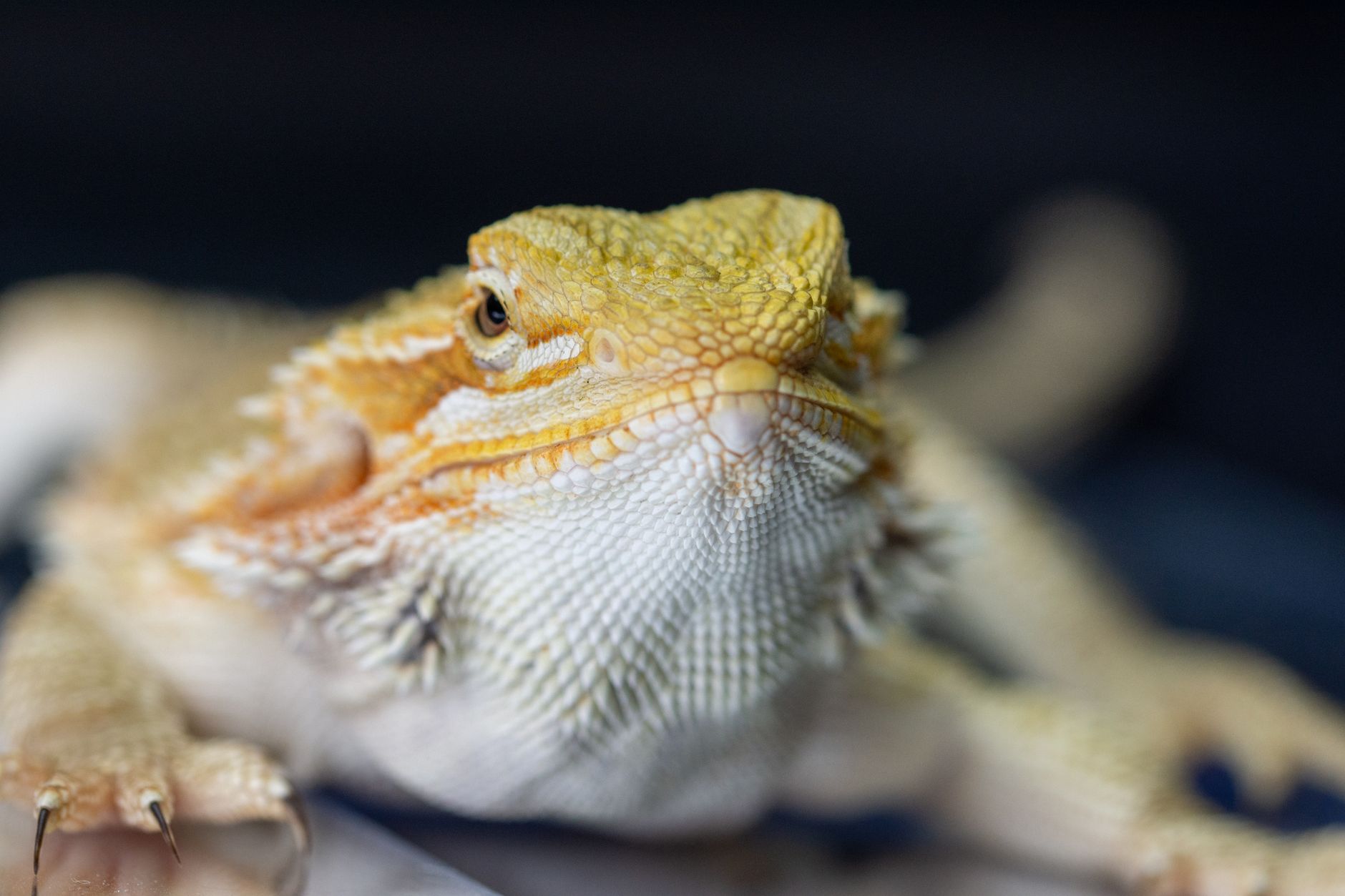
Why Does My Beardie Puff Up? Unveiling the Secrets Behind the “Beard”
Beardie puffing is a complex behavior, often signaling stress, territoriality, or even excitement. Understanding the underlying reasons why your beardie puffs up is crucial for ensuring their well-being.
Understanding the Beardie Puff: A Biological Overview
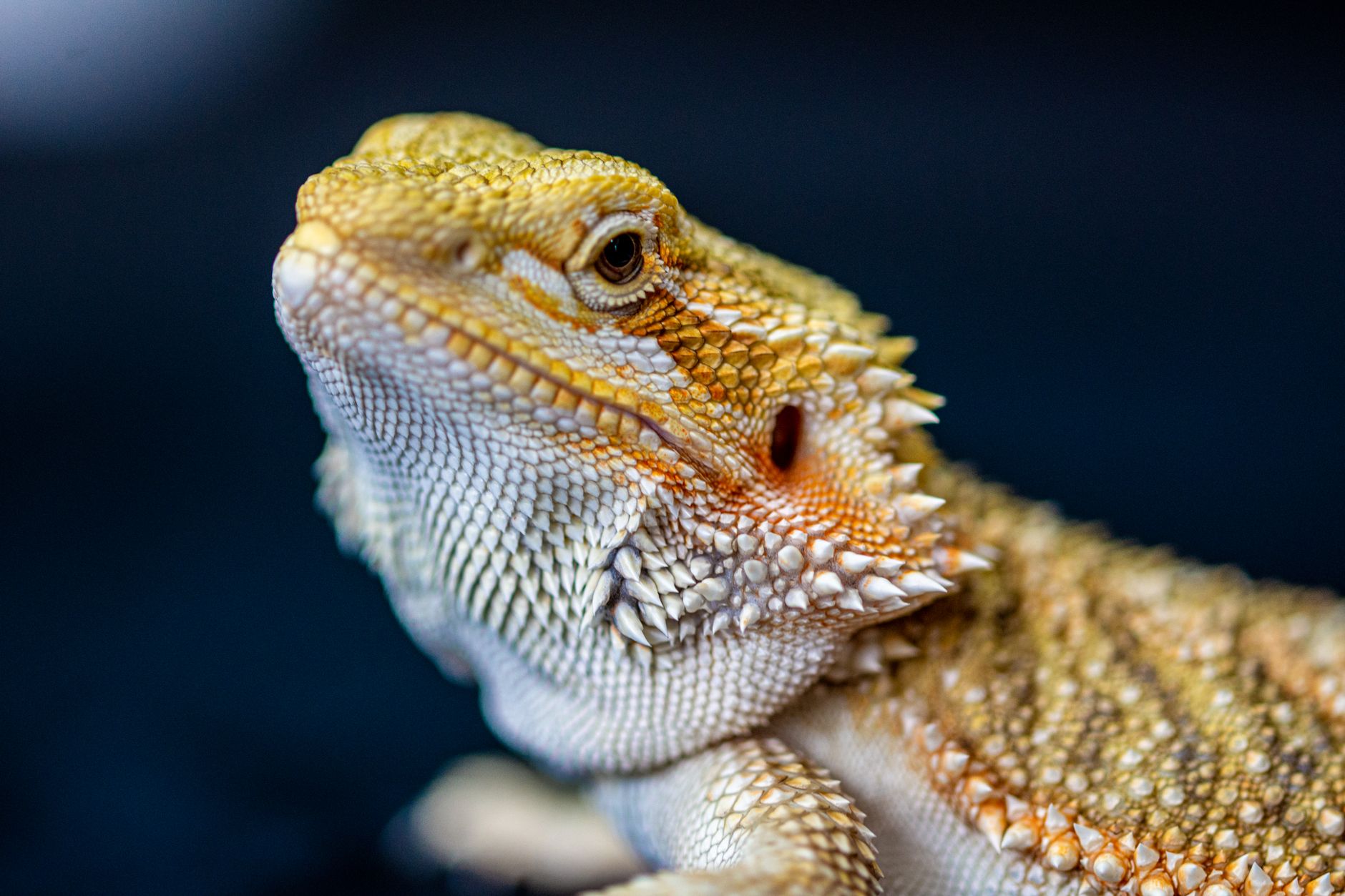
Bearded dragons, or Pogona vitticeps, are fascinating reptiles native to Australia. Their name comes from the spiny scales under their chin that resemble a beard. When a beardie feels threatened, excited, or needs to regulate its temperature, it can inflate this “beard,” making it appear larger and more intimidating. This display is not merely cosmetic; it’s a complex form of communication and physiological regulation. Why does my beardie puff up? The answer is multifaceted and dependent on the context.

What colours are fish most attracted to?
Can you put your finger in a trout's mouth?
Is methylene blue anti bacterial?
Does aquarium salt raise pH in aquarium?
Common Reasons for Puffing: Deciphering Your Beardie’s Signals

Several factors can trigger a beardie to puff up its beard. Observing your beardie’s behavior and the surrounding environment can help you determine the underlying cause.
- Threat or Fear: This is the most common reason. If your beardie feels threatened by a predator (even a perceived one, like a loud noise or a new object), it will puff up its beard to appear larger and scare away the threat. Darkening of the beard often accompanies this.
- Dominance Display: Male beardies, in particular, will puff up their beards to assert dominance over other males or to attract a female during mating season. This often involves head-bobbing and displaying a bright, vibrant beard.
- Temperature Regulation: Beardies are ectothermic, meaning they rely on external sources to regulate their body temperature. Puffing up the beard can help them absorb heat from the environment, especially if the beard is darkened.
- Excitement: Sometimes, beardies will puff up their beards out of excitement, such as when they see food or are anticipating a positive interaction. This is usually accompanied by other signs of excitement, such as alertness and active movement.
- Illness or Discomfort: In some cases, a beardie may puff up its beard if it is feeling unwell or experiencing discomfort. This is less common than the other reasons, but it’s important to rule out any underlying health issues if the puffing is persistent or accompanied by other symptoms.
Distinguishing Between Normal and Problematic Puffing
It’s important to differentiate between normal, occasional puffing and puffing that could indicate a problem. Consider these factors:
- Frequency: Is your beardie puffing up frequently, or only occasionally in specific situations? Frequent puffing could suggest chronic stress or an underlying health issue.
- Duration: How long does the puffing last? Brief puffing in response to a specific stimulus is usually normal, while prolonged puffing could be a sign of something more serious.
- Accompanying Symptoms: Are there any other symptoms, such as lethargy, loss of appetite, weight loss, or changes in stool? These could indicate an underlying health problem.
- Beard Color: A blackened beard, especially when combined with puffing, strongly suggests stress, fear, or illness. A bright orange or yellow beard, on the other hand, is often a sign of excitement or dominance.
Creating a Stress-Free Environment
Reducing stress is key to minimizing unnecessary puffing. Here are some tips:
- Provide Adequate Space: Ensure your beardie has a large enough enclosure to move around comfortably.
- Maintain Proper Temperature Gradient: Create a basking spot and a cooler zone within the enclosure so your beardie can regulate its temperature effectively.
- Offer Hiding Places: Provide plenty of hiding spots where your beardie can retreat when it feels stressed or overwhelmed.
- Handle with Care: Handle your beardie gently and avoid sudden movements or loud noises.
- Avoid Overcrowding: If you have multiple beardies, ensure they have enough space to avoid territorial disputes. Separating them may be necessary.
- Proper Lighting: UVB and basking lamps are essential for your beardie’s health and well-being, and can greatly reduce stress related puffing and black bearding.
- Consistent Routine: Beardies thrive on routine. Regular feeding and handling schedules help reduce anxiety.
Monitoring and Seeking Veterinary Care
Regularly observe your beardie’s behavior and physical condition. If you notice any changes that concern you, consult with a veterinarian experienced in reptiles.
| Symptom | Possible Cause | Action |
|---|---|---|
| Frequent Puffing | Stress, territoriality, illness | Assess environment, reduce stressors, consult a vet if persistent. |
| Darkened Beard | Fear, stress, pain | Identify and remove source of stress, seek veterinary care if accompanied by other symptoms. |
| Loss of Appetite | Illness, stress, impaction | Check enclosure temperature, offer a variety of foods, consult a vet if persistent. |
| Lethargy | Illness, improper temperature | Adjust enclosure temperature, monitor behavior, consult a vet if lethargy persists. |
| Weight Loss | Parasites, illness, malnutrition | Check for parasites, improve diet, consult a vet. |
Frequently Asked Questions About Beardie Puffing
What does it mean when my beardie’s beard turns black?
A black beard is almost always a sign of stress, fear, or discomfort. It indicates that your beardie is feeling threatened or unwell. Identify and remove the source of stress or seek veterinary care if the black beard is persistent or accompanied by other symptoms. Why does my beardie puff up and darken their beard? Because it is in distress.
Is it normal for my beardie to puff up its beard when I handle it?
It depends on the context. Occasional puffing when handled might indicate nervousness, especially if your beardie is not used to being handled. However, if it’s consistently puffing up and displaying other signs of stress, it might be best to limit handling and work on building trust.
My beardie only puffs up its beard when another beardie is nearby. Is this normal?
Yes, this is a common territorial behavior. Male beardies often puff up their beards to assert dominance over other males. Separating them may be necessary to prevent stress and fighting.
Can beardies puff up their beards to regulate their temperature?
Yes, beardies can use their beards to help regulate their body temperature. Puffing up the beard can increase its surface area, allowing it to absorb more heat from the environment.
My beardie is shedding, and it’s puffing up its beard more than usual. Is this related?
Shedding can be a stressful time for beardies, and they may puff up their beards more frequently as a result. Ensure they have proper humidity and objects to rub against to aid in shedding.
What can I do to help my beardie feel less stressed?
Provide a secure and stimulating environment with plenty of hiding places, appropriate temperature gradients, and opportunities for enrichment. Handle your beardie gently and avoid sudden movements or loud noises.
My beardie seems to puff up its beard whenever I clean its enclosure. Should I be concerned?
Cleaning the enclosure can be disruptive to your beardie, and it may puff up its beard out of stress. Try to clean the enclosure quickly and efficiently, and provide a hiding place where your beardie can retreat during the process.
How can I tell if my beardie’s puffing is due to illness?
If the puffing is accompanied by other symptoms, such as lethargy, loss of appetite, weight loss, or changes in stool, it’s important to consult with a veterinarian experienced in reptiles.
Is it possible for a female beardie to puff up her beard?
Yes, both male and female beardies can puff up their beards. While it’s more common in males for territorial displays, females can also puff up their beards when feeling threatened or stressed.
My baby beardie puffs up a lot. Is that a concern?
Baby beardies are naturally more skittish and prone to stress, so frequent puffing is not uncommon. However, ensure their environment is properly set up and that they are not being exposed to any unnecessary stressors.
What are some common stressors for beardies?
Common stressors include loud noises, sudden movements, changes in their environment, overcrowding, improper temperature gradients, and inadequate hiding places.
How often should I handle my beardie?
This varies from beardie to beardie. Start with short, gentle handling sessions and gradually increase the duration as your beardie becomes more comfortable. Observe its behavior and avoid handling if it appears stressed. The key is to build trust and create positive associations with handling.