

Why Does Deer Poop Clump Up? Exploring the Mysteries of Deer Fecal Matter
Deer poop, also known as deer scat, often appears in distinct pellet-like clumps rather than one continuous mass because of their efficient digestive process and the fiber-rich diet of the deer. This pellet formation is normal and healthy for deer.
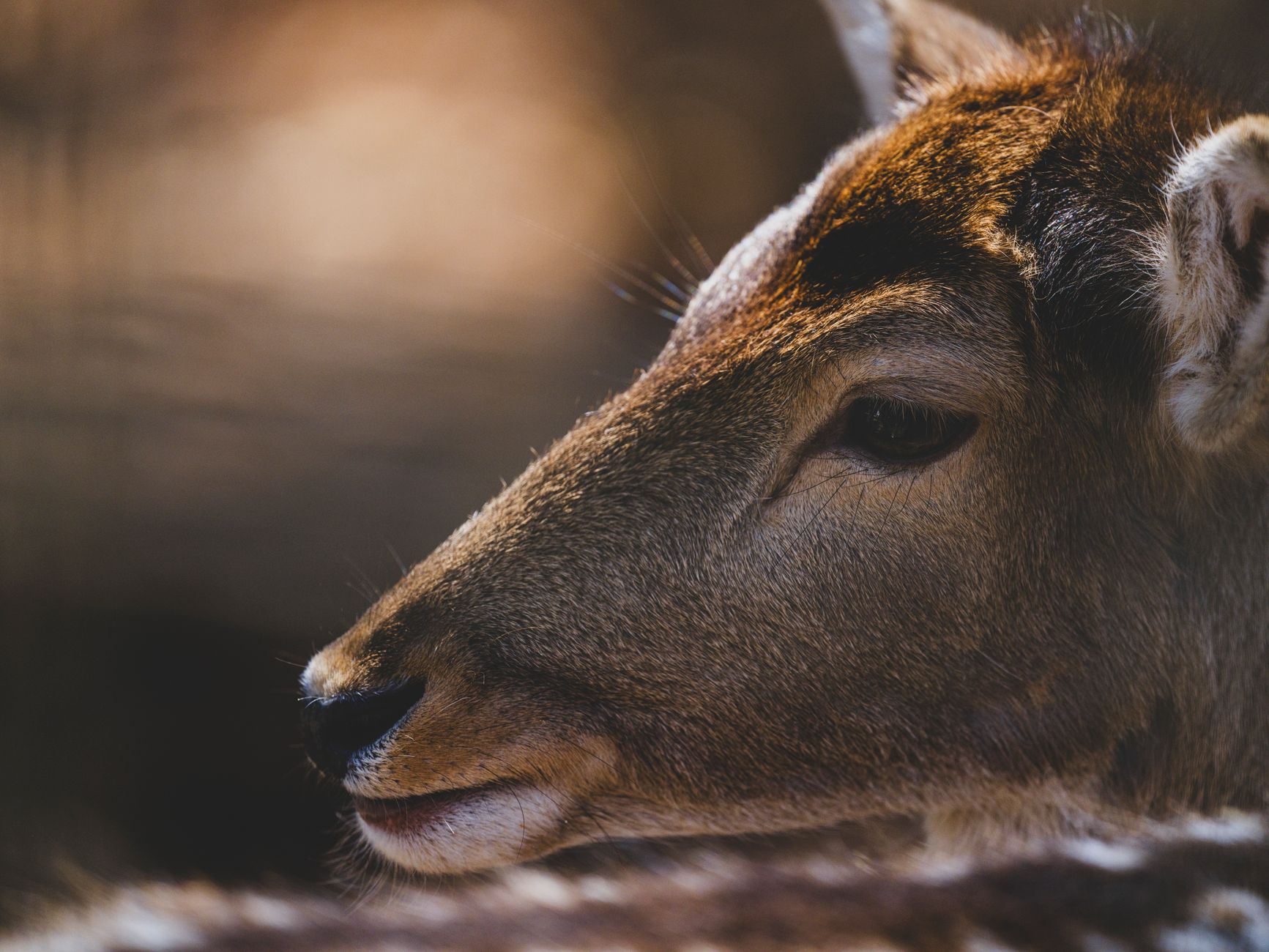
Understanding Deer Digestion: The Key to Clumped Scat
Deer are ruminants, meaning they have a multi-chambered stomach designed to extract nutrients from tough plant matter. This unique digestive system significantly influences the form and consistency of their fecal matter. The clumping, as opposed to diarrhea, is an indicator of a well-functioning system. Why does deer poop clump up? The answer is in the breakdown process.
What colours are fish most attracted to?
Can you put your finger in a trout's mouth?
Is methylene blue anti bacterial?
Does aquarium salt raise pH in aquarium?
The Ruminant Digestive Process

The ruminant digestive system, unlike the human system, involves a multi-step process in a multi-chambered stomach. Let’s break down the process:
- Rumen: The largest chamber, where bacteria and other microorganisms ferment plant material.
- Reticulum: Traps larger particles and forms boluses (cud) that are regurgitated for further chewing.
- Omasum: Absorbs water and other nutrients from the digested material.
- Abomasum: The “true” stomach, where gastric juices break down the remaining material.
This lengthy and rigorous digestion process dries out the fecal matter considerably.
Diet’s Influence on Scat Consistency
A deer’s diet primarily consists of grasses, forbs, shrubs, and occasionally tree bark. The high fiber content of these foods plays a crucial role. The undigested fiber binds together, contributing to the pellet-like or clumped appearance of their droppings. Seasonal changes in diet can influence the size and texture of the scat. During the winter when food is scarce, the pellets may be smaller and harder.
Factors Affecting Clumping
While clumped scat is generally a sign of a healthy deer, several factors can influence its consistency and appearance. These include:
- Age: Young deer may have softer scat due to a less developed digestive system.
- Health: Illness or parasites can disrupt digestion, leading to diarrhea.
- Stress: Stressful events can also affect the digestive process and change the consistency of the scat.
Recognizing Normal vs. Abnormal Scat
It’s important to distinguish between normal clumped scat and abnormal droppings, which can indicate health problems.
| Feature | Normal Scat | Abnormal Scat |
|---|---|---|
| Consistency | Firm, pellet-like, clumped | Loose, watery, or mucus-covered |
| Color | Dark brown to black | Unusual color (e.g., green, yellow) |
| Odor | Mild, earthy | Foul or unusually strong odor |
| Contents | Primarily undigested plant matter | Blood, mucus, or undigested food particles |
Is Deer Poop Dangerous?
While generally not considered highly dangerous, deer scat can contain bacteria and parasites that could potentially cause illness in humans or pets. It is always wise to practice good hygiene after contact.
- Avoid direct contact with deer scat.
- Wash your hands thoroughly after being in areas where deer frequent.
- Keep pets away from deer droppings.
Deer Populations and Scat Abundance
The prevalence of deer scat is also tied to the deer population in a given area. Overpopulation can lead to increased deer activity and thus, more scat. Understanding deer populations through scat surveys can provide valuable insights into their health and behavior.
Frequently Asked Questions (FAQs)
Is it normal for deer poop to be different colors?
Yes, variations in color are normal. The color of deer scat can change depending on what they are eating. A diet rich in green foliage will result in darker droppings, while a diet consisting mainly of dry grasses can lead to lighter-colored scat.
Does the size of deer pellets indicate anything specific?
The size of deer pellets can be influenced by the deer’s age and diet. Younger deer tend to have smaller pellets. If a deer is eating a particularly fibrous diet, the pellets may be larger. However, significant and consistent variations from the norm could indicate underlying health issues.
Why does deer poop clump up more in the winter?
Why does deer poop clump up? It does so even more in the winter months. As the vegetation available to deer diminishes in the winter, they tend to browse on drier and woodier material, higher in fiber. This, coupled with decreased water intake during colder periods, tends to result in drier and more tightly clumped pellets.
Can I use deer poop as fertilizer?
Yes, deer poop can be used as fertilizer. However, it’s best to compost it first to reduce the risk of spreading any potential pathogens. Composting also helps to break down the nutrients, making them more readily available for plants.
How can I tell if a deer is sick from its poop?
Look for significant changes in consistency and appearance. Diarrhea, unusually colored droppings, or the presence of blood or mucus are all red flags. If you observe these signs consistently, it may indicate that the deer is sick and could potentially spread disease.
Is deer poop the same as rabbit poop?
While deer and rabbit scat may look similar at first glance, there are key differences. Rabbit poop is typically rounder and more spherical than deer pellets. Deer pellets are more elongated and cylindrical. Also, rabbit droppings tend to be drier and less odorous.
What should I do if my dog eats deer poop?
If your dog eats deer poop, it’s best to monitor them for any signs of illness, such as vomiting, diarrhea, or loss of appetite. Deer scat can contain parasites or bacteria that can make your dog sick. Contact your veterinarian if you are concerned.
Can deer scat attract other animals?
Yes, deer scat can attract other animals, particularly insects and rodents. These animals are drawn to the organic matter in the scat, and it can provide them with a source of food or nesting material.
How long does deer poop last in the environment?
The length of time that deer poop lasts in the environment depends on factors like climate, moisture, and soil composition. In moist environments, it will decompose more quickly, typically within a few weeks to a few months. In drier climates, it may persist for longer.
Does deer poop smell?
Deer poop generally has a mild, earthy odor that isn’t particularly offensive. However, if the deer is sick or has a dietary imbalance, the scat may have a stronger, more unpleasant odor.
Can I get sick from touching deer poop?
While the risk is relatively low, it’s possible to get sick from touching deer poop, as it can contain bacteria and parasites. To minimize the risk, avoid direct contact and wash your hands thoroughly with soap and water after being in areas where deer frequent.
How can I prevent deer from pooping in my yard?
Preventing deer from pooping in your yard involves deterring them from entering in the first place. Using deer-resistant plants, installing fencing, and employing motion-activated sprinklers or lights can help. There are also commercial deer repellents available that can be effective.