

Why Does Brown Algae Grow? Unveiling the Mysteries of Phaeophyceae
Brown algae growth is primarily driven by an abundance of nutrients like nitrates and phosphates, coupled with sufficient sunlight and suitable water conditions; nutrient imbalances in aquatic environments are often the root cause of its proliferation.

Understanding Brown Algae: A Marine Ecosystem Staple
Brown algae, belonging to the class Phaeophyceae, are a diverse group of primarily marine, multicellular organisms. From the towering kelp forests to the encrusting forms on rocky shores, they play a critical role in coastal ecosystems. Why does brown algae grow? Understanding this question requires looking at its ecological niche and the factors that encourage its development.

What colours are fish most attracted to?
Can you put your finger in a trout's mouth?
Is methylene blue anti bacterial?
Does aquarium salt raise pH in aquarium?
The Nutrient Connection: Fueling Brown Algae Growth
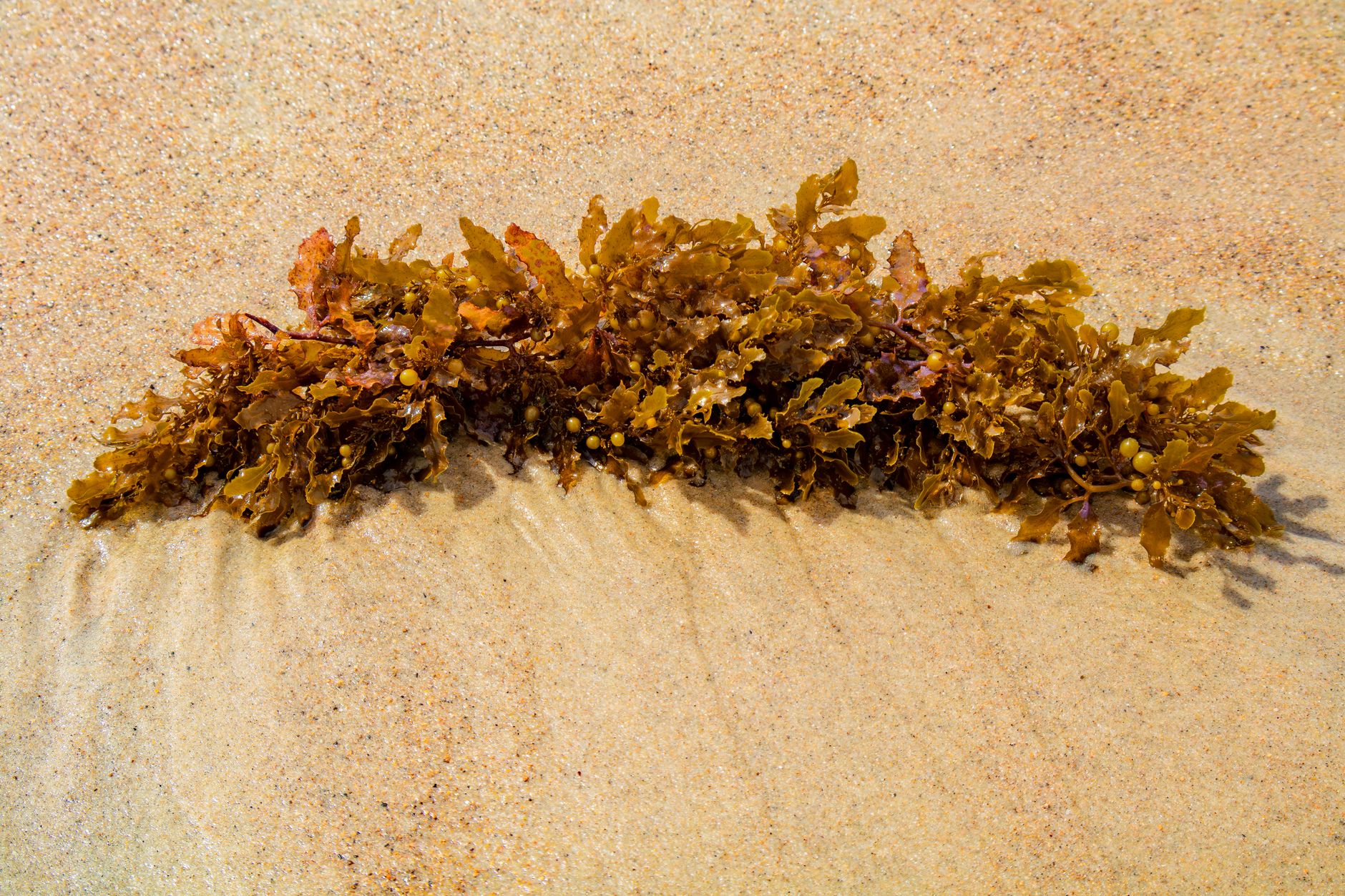
The most significant driver of brown algae growth is the availability of essential nutrients.
- Nitrates (NO3-): A critical form of nitrogen, essential for building proteins and other cellular components.
- Phosphates (PO43-): Needed for DNA, RNA, and energy transfer molecules like ATP.
- Silicates (SiO44-): Though not directly used by all brown algae, silicates are crucial for diatoms, which can indirectly influence brown algae growth through competition for other resources or by altering water chemistry.
Excessive nutrient levels, often originating from agricultural runoff, sewage discharge, or industrial pollution, create ideal conditions for brown algae blooms. This process is known as eutrophication.
Light’s Role in Photosynthesis
Like all photosynthetic organisms, brown algae require sunlight to convert carbon dioxide and water into energy (sugars) and oxygen. The depth to which sunlight penetrates the water column, known as the photic zone, dictates where brown algae can thrive.
- Sunlight Intensity: Brown algae have pigments, such as fucoxanthin, that allow them to efficiently capture light at different depths, enabling them to outcompete other algae in certain environments.
- Water Clarity: Murky or turbid water reduces light penetration, limiting growth.
Water Parameters: Temperature, Salinity, and Flow
Specific water conditions also influence brown algae growth.
- Temperature: Different species have different temperature optima. Some prefer colder waters, while others flourish in warmer regions.
- Salinity: Brown algae are generally marine, but some species can tolerate brackish water.
- Water Flow: Adequate water flow provides a constant supply of nutrients and oxygen, removes waste products, and prevents the buildup of harmful toxins.
Distinguishing Between Beneficial and Harmful Growth
While brown algae are a natural and essential part of marine ecosystems, excessive growth can have detrimental effects.
| Feature | Beneficial Growth | Harmful Growth (Blooms) |
|---|---|---|
| Extent | Moderate, balanced with other organisms | Excessive, dominating the ecosystem |
| Impact | Supports biodiversity, provides habitat | Outcompetes other species, reduces biodiversity |
| Cause | Natural nutrient cycling, stable environment | Nutrient pollution, environmental imbalance |
| Water Quality | Clear and healthy | Turbid, oxygen-depleted |
Control and Prevention Strategies
Addressing the issue of excessive brown algae growth requires a multifaceted approach.
- Reducing Nutrient Input: Implementing stricter regulations on agricultural runoff, sewage treatment, and industrial discharges.
- Restoring Natural Ecosystems: Replanting vegetation along waterways to filter pollutants and reduce erosion.
- Biological Control: Introducing natural predators or competitors of brown algae, though this must be done cautiously to avoid unintended consequences.
- Monitoring and Research: Continuously monitoring water quality and conducting research to better understand the factors driving brown algae growth.
Frequently Asked Questions (FAQs)
What specific types of pollution contribute most to brown algae growth?
The primary pollutants are those containing high levels of nitrogen and phosphorus, such as agricultural fertilizers, sewage discharge, and industrial wastewater. These introduce excess nutrients into waterways, fueling rapid algae growth.
Can climate change influence brown algae growth?
Yes, climate change can have a significant impact. Warmer water temperatures can favor certain species of brown algae, and altered rainfall patterns can increase nutrient runoff. Ocean acidification may also indirectly affect brown algae by impacting the availability of other essential elements.
Are there any benefits to brown algae growth?
Absolutely. Brown algae are a vital part of marine food webs, providing food and habitat for a wide range of organisms. Kelp forests, for example, support immense biodiversity. They also play a role in carbon sequestration, helping to mitigate climate change.
How can I tell the difference between brown algae and other types of algae?
Brown algae are typically brown or olive-green in color due to the presence of fucoxanthin, a pigment that masks the green chlorophyll. They also tend to be larger and more complex than other types of algae, often forming branching structures or blades.
Is brown algae toxic to humans or animals?
While some species of algae can produce toxins, brown algae are generally not considered toxic. However, large blooms can indirectly harm aquatic life by depleting oxygen levels in the water.
What are some common examples of brown algae?
Some common examples include: Kelp (various species, such as Macrocystis pyrifera), Rockweed (Fucus species), and Sargassum. Each plays a unique role in its respective ecosystem.
How do brown algae reproduce?
Brown algae exhibit both sexual and asexual reproduction. Sexual reproduction involves the fusion of sperm and eggs, while asexual reproduction can occur through fragmentation or the formation of spores.
Are there commercial uses for brown algae?
Yes, brown algae are harvested for various commercial purposes. They are used as a source of alginate, a thickening agent used in food and cosmetics, as well as fertilizer and animal feed. Some species are also consumed as food, particularly in Asian cuisines.
What is the role of grazing animals in controlling brown algae growth?
Grazing animals, such as snails, sea urchins, and certain fish, can help control brown algae growth by consuming them. However, overfishing or other disturbances that reduce grazer populations can lead to excessive algae growth.
How does wave action affect brown algae growth?
Wave action can both benefit and hinder brown algae growth. Moderate wave action provides a constant supply of nutrients and oxygen, while strong waves can dislodge algae from their substrates. Different species are adapted to different levels of wave exposure.
What is the connection between brown algae and “red tides”?
“Red tides” are typically caused by dinoflagellates, not brown algae. While both are types of algae that can form blooms, they are distinct organisms with different characteristics and causes. However, brown algae blooms can sometimes coexist with or follow red tides.
If my aquarium is experiencing brown algae growth, what should I do?
In aquariums, brown algae growth is often a sign of excess silicates or insufficient light. Reduce silicate levels by using appropriate filtration media, ensure adequate lighting, and maintain proper water parameters. Introducing algae-eating snails or other herbivores can also help. Understanding why does brown algae grow is key to managing it effectively.