

Why Do Dogs Lick You? Decoding Canine Kisses
Dogs lick us for a variety of reasons, ranging from affection and social bonding to seeking attention and gathering information about our environment and even our emotional state. Understanding these motivations deepens our bond with our canine companions.
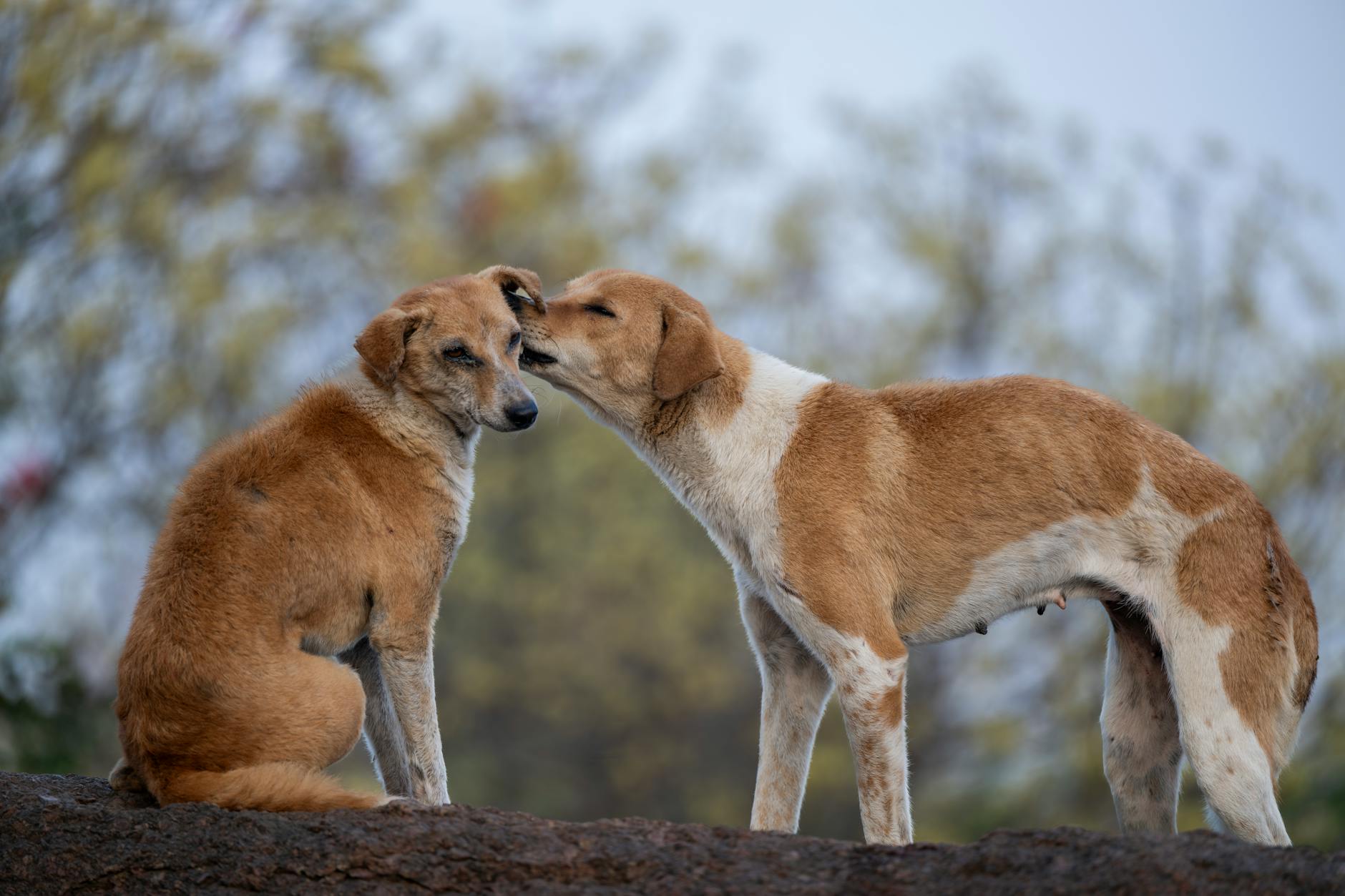
Understanding the Lick: A Deep Dive into Canine Behavior
Why do dogs lick you? This seemingly simple question opens a window into the complex world of canine communication and social interaction. Licking is a fundamental behavior in dogs, starting in puppyhood and continuing throughout their lives. Its meaning, however, evolves as the dog matures.
What colours are fish most attracted to?
Can you put your finger in a trout's mouth?
Is methylene blue anti bacterial?
Does aquarium salt raise pH in aquarium?
The Roots of Licking: Puppyhood and Beyond

Licking begins early in a dog’s life. Puppies instinctively lick their mothers to stimulate nursing and receive nurturing. This early association links licking with comfort and security. As dogs mature, this behavior transforms into a multifaceted form of communication. Here’s a breakdown:
- Stimulating Nursing: Puppies lick their mother’s face to encourage milk production.
- Grooming: Mothers lick their puppies to keep them clean and bond with them.
- Seeking Attention: Puppies learn that licking elicits a response from their mothers.
Licking as Communication: Beyond Affection
While affection is often a primary reason, it’s crucial to understand that licking serves several communicative purposes.
- Affection: This is probably the most common interpretation. A dog licking you can be akin to a human hug or kiss.
- Attention-Seeking: Dogs quickly learn that licking gets them attention, whether positive or negative. If you react, even to scold them, they’ve achieved their goal.
- Appeasement: In certain situations, licking can be a sign of submission or appeasement, especially in interactions with dominant dogs or humans.
- Taste and Smell: Dogs have a highly developed sense of smell. Licking allows them to gather information about you, your environment, and even your emotional state (detecting changes in your sweat, for instance).
- Exploration: Dogs explore their world through taste and smell, so licking can be a way of investigating something new or interesting.
The Science Behind the Slobber: Sensory Information
A dog’s saliva contains enzymes that help them break down food and detect certain compounds. When they lick you, they’re not just showing affection; they’re also collecting information. This “taste test” helps them understand your recent activities, your mood, and even your health. Consider this information gathering table:
| Sensory Input | Information Gathered |
|---|---|
| Sweat | Emotional State (stress, excitement) |
| Lotions/Soaps | Ingredients, Brand Identification |
| Skin Salts | Hydration levels, Recent Activities |
Addressing Excessive Licking: When to Seek Help
While licking is generally normal, excessive licking can be a sign of underlying issues, such as:
- Anxiety: Anxious dogs may lick themselves or others as a form of self-soothing.
- Obsessive-Compulsive Disorder (OCD): Some dogs develop repetitive licking behaviors that are difficult to stop.
- Medical Conditions: In rare cases, excessive licking can be a sign of a medical problem, such as skin irritation or gastrointestinal issues.
- Boredom: Insufficient mental and physical stimulation can lead to excessive licking.
If you’re concerned about your dog’s licking behavior, consult with a veterinarian or a certified dog trainer to rule out any underlying medical or behavioral issues.
Teaching Alternative Behaviors: Redirecting the Lick
If you find the licking unpleasant or it’s becoming excessive, you can teach your dog alternative behaviors.
- Ignore the licking: If the licking is attention-seeking, ignoring it can be effective.
- Redirect their attention: Offer a toy or engage them in a different activity.
- Teach a “leave it” command: This can be used to stop the licking behavior.
- Provide plenty of exercise and mental stimulation: This can help reduce anxiety and boredom, which can contribute to excessive licking.
Why Do The Dogs Lick You? A Summary
Ultimately, why do dogs lick you? They lick for a combination of affection, attention-seeking, information gathering, and even appeasement. Understanding the context of the licking is key to interpreting its meaning.
Frequently Asked Questions (FAQs) About Dog Licking
What does it mean when a dog licks your feet?
Licking your feet is often a sign of submission or respect. Since your feet carry a strong scent, it could also be a way for your dog to gather information about where you’ve been and what you’ve been doing. They also might enjoy the salty taste of your skin after a long day.
Why do dogs lick your face?
Face licking is usually a sign of affection and excitement. It’s a way for your dog to greet you and show their love. This behavior harkens back to puppyhood, when puppies would lick their mother’s face to solicit food.
Is dog saliva dangerous?
While dog saliva contains bacteria, it’s generally not dangerous for healthy adults. However, it’s best to avoid letting dogs lick open wounds or your mouth. People with compromised immune systems should also take precautions.
Why does my dog lick the air?
Air licking can be a sign of nausea, dental problems, or even a partial seizure. If your dog is frequently licking the air, it’s best to consult with a veterinarian to rule out any medical issues.
Can excessive licking be a sign of anxiety?
Yes, excessive licking can be a sign of anxiety or stress. Anxious dogs may lick themselves, you, or objects as a form of self-soothing.
Why do dogs lick wounds?
Dog saliva contains enzymes with mild antibacterial properties. However, excessive licking can actually hinder healing and introduce bacteria into the wound. It is best to discourage this behavior with bandages, or by using a pet safe topical that is not pleasing to the taste.
How do I stop my dog from licking me?
The best way to stop your dog from licking you is to ignore the behavior. If you react, even negatively, you’re giving them the attention they’re seeking. You can also redirect their attention to a toy or a different activity. Positive reinforcement is also key.
Why do dogs lick other dogs?
Dogs lick other dogs as a sign of social bonding, grooming, or to establish hierarchy. Subordinate dogs often lick dominant dogs as a sign of respect.
Is there a breed more prone to licking than others?
While licking is a common behavior in all breeds, some breeds, such as Labradors and Retrievers, may be more prone to licking due to their oral fixation. This, however, is heavily dependent on the individual dog’s personality.
Does my dog lick me to show dominance?
While licking can sometimes be a sign of appeasement, it’s generally not a sign of dominance towards humans. Dominance usually involves other behaviors, such as guarding resources or pushing past you in doorways.
Why does my dog only lick one person in the family?
A dog may only lick one person in the family because they have a stronger bond with that individual. This could be due to that person spending more time with the dog, providing more attention, or being the primary caregiver. Dogs also often latch onto one person in particular because they respond to the behavior and reinforce it.
What if my dog starts licking me suddenly and they never have before?
Sudden changes in behavior, including new or increased licking, can be a sign of a medical issue. A vet can check for anything from dental problems to a skin condition or even neurological issues. If a medical condition is ruled out, an increase in stress is also a common culprit.