

Why Do Squirrels Wag Their Tails So Fast? The Secrets Revealed
Squirrels’ rapid tail wags are a fascinating form of communication. The primary reason why squirrels wag their tails fast is to signal alarm, aggression, or excitement, often serving as a visual warning to other squirrels about potential dangers or territorial disputes.

Introduction: Beyond the Bushy Tail
The bushy tail of a squirrel is more than just an aesthetic feature; it’s a vital communication tool. From slow, deliberate flicks to rapid, almost frantic movements, the tail conveys a wealth of information. Understanding the nuances of these tail signals provides invaluable insight into squirrel behavior and their complex social interactions. While various factors influence tail movements, understanding why squirrels wag their tails fast specifically is crucial.

What colours are fish most attracted to?
Can you put your finger in a trout's mouth?
Is methylene blue anti bacterial?
Does aquarium salt raise pH in aquarium?
The Language of the Tail: More Than Just Wags
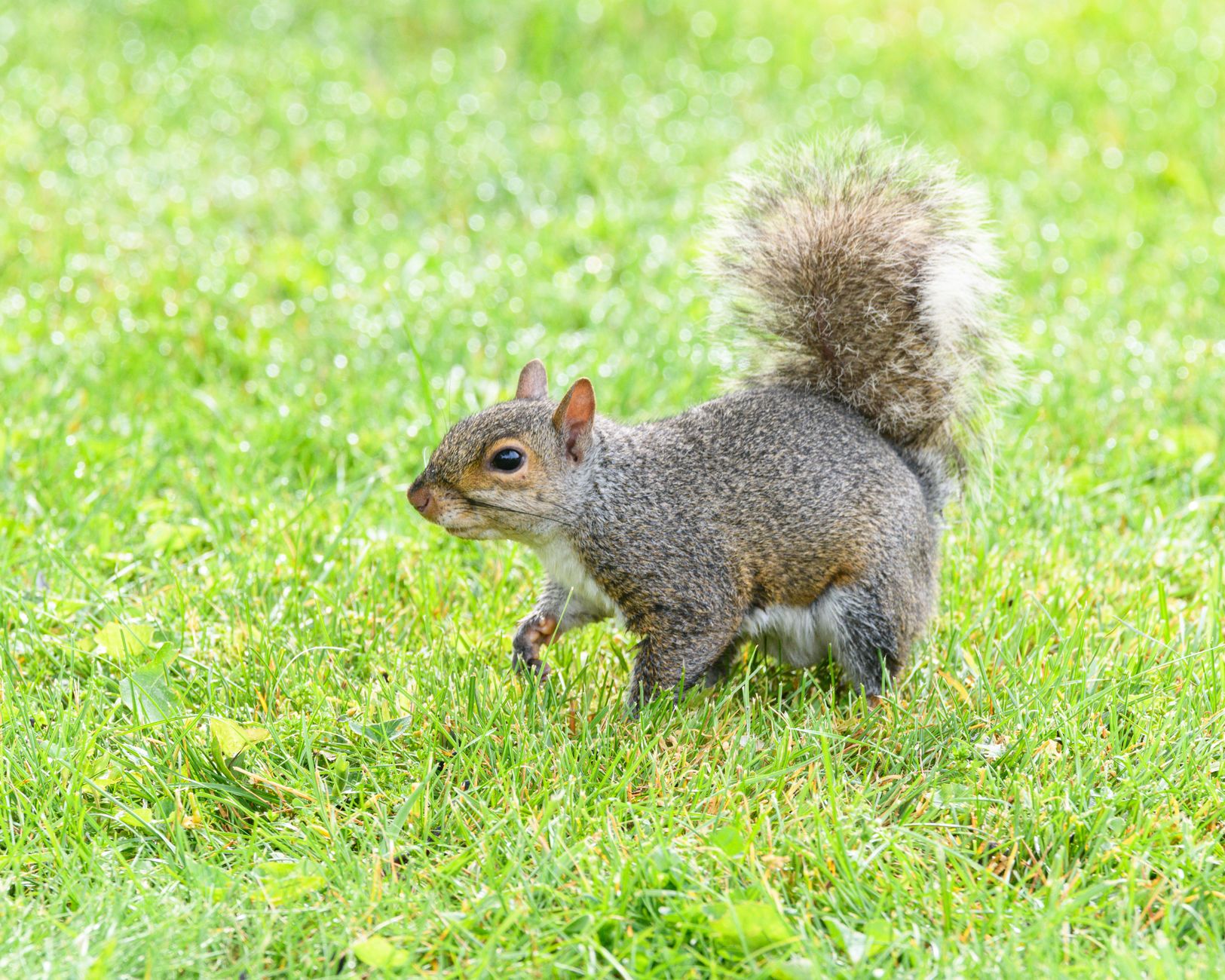
Squirrel tails aren’t simply there for balance; they are integral to their communication system. Like a flag signaling messages across a distance, the tail’s position, movement, and fullness all contribute to the information being conveyed. Squirrels use their tails to express a range of emotions and intentions, from alerting others to danger to establishing dominance. It’s a visual language far more sophisticated than many realize. The speed of the wag is a critical component.
Why the Speed Matters: Interpreting the Fast Wag
Why do squirrels wag their tails fast compared to other, slower tail movements? The answer lies in the urgency and intensity of the message.
- Alarm Signals: A rapid tail wag is often the first indication of a perceived threat. This could be a predator, a disruptive human presence, or any sudden change in the environment. The speed of the wag emphasizes the immediacy of the danger.
- Territorial Defense: Squirrels are fiercely territorial, and a fast tail wag can be a display of aggression towards intruders. The more intense the threat, the faster and more erratic the tail movement.
- Excitement or Frustration: While often associated with negativity, a fast tail wag can also indicate excitement. For example, a squirrel finding a cache of nuts might wag its tail rapidly in anticipation. Similarly, a squirrel unable to reach a food source might exhibit a frustrated fast tail wag.
- Communication Across Distance: A faster wag is more visible and grabs attention more quickly, helping broadcast a message over greater distances in environments with obstacles.
Decoding the Context: Beyond the Wag Itself
While the speed of the wag is important, it’s crucial to consider the context in which it occurs. Factors like the squirrel’s posture, vocalizations, and the behavior of other squirrels in the area all contribute to a more complete understanding.
Here’s a breakdown of factors influencing interpretation:
- Body Language: Is the squirrel standing tall and alert, or crouched low and nervous?
- Vocalizations: Is the squirrel chirping, barking, or making other noises?
- Environmental Factors: Is there a known predator in the area? Is another squirrel approaching?
- Other Squirrels’ Reactions: How are other squirrels responding to the tail wag? Are they fleeing, freezing, or displaying similar behavior?
The Benefits of Tail Wagging
Squirrel tail wagging offers several crucial benefits:
- Enhanced Communication: Allows squirrels to communicate complex messages quickly and efficiently.
- Predator Avoidance: Provides early warning of danger, increasing chances of survival.
- Territorial Defense: Helps maintain territory and resources.
- Social Cohesion: Contributes to the overall social structure and stability of squirrel populations.
Common Misconceptions About Squirrel Tail Wagging
- All Tail Wags Mean Danger: As discussed, tail wagging can also signify excitement or frustration.
- Speed is the Only Factor: As noted, context is crucial.
- Absence of Tail Wagging Means Safety: A squirrel might be perfectly still to avoid detection, not necessarily because there’s no danger.
Frequently Asked Questions About Squirrel Tail Wagging
Is the direction of the tail wag important?
While speed is the primary indicator, the direction can also play a role. Subtle shifts in direction might emphasize the location of a threat or the intended recipient of the message. Generally, lateral wags are more common, but vertical or circular movements might convey specific nuances.
Do all squirrels wag their tails in the same way?
While the basic principles are the same, individual squirrels might have their own “dialects” or variations in tail wagging. These can be influenced by factors such as age, experience, and social status. Younger squirrels may exhibit less precise tail movements, while dominant squirrels may have more assertive displays.
Why do squirrels sometimes flick their tails slowly?
A slow tail flick often indicates mild irritation, curiosity, or a lack of immediate threat. It can also be a signal that the squirrel is aware of something in its environment but not overly concerned. Think of it as a less urgent version of the fast wag.
Can humans understand squirrel tail language?
With careful observation and an understanding of the context, humans can learn to interpret some of the basic meanings behind squirrel tail wags. Paying attention to the speed, direction, and accompanying behaviors can provide valuable insights.
Do squirrels wag their tails at each other or also at predators?
Squirrels will wag their tails both at each other and at potential predators. The message differs depending on the target. To other squirrels, it might be a warning, a territorial claim, or an invitation to play. To predators, it’s often a display of awareness and a signal that the squirrel is not an easy target.
What role does the tail’s fur play in communication?
The fur on the tail amplifies the visual signal. A bushy tail makes the wag more noticeable, especially from a distance. The color patterns on the tail can also contribute to the message. For example, a striped tail might enhance the visual effect of the wag.
Is tail wagging genetically determined or learned behavior?
Tail wagging is likely a combination of both. The basic instinct to wag the tail is probably genetically programmed, but the specific nuances and interpretations are learned through observation and social interaction. Young squirrels learn from observing their parents and other members of their community.
Do squirrels wag their tails more in certain environments?
Yes, squirrels are likely to wag their tails more frequently in environments with higher predator density, more competition for resources, or greater levels of human activity. Urban squirrels, for example, may exhibit more frequent tail wagging due to the constant presence of potential threats and disturbances.
Why do squirrels sometimes flatten their tails against their backs?
Flattening the tail against the back can indicate submission, fear, or an attempt to appear smaller and less threatening. It’s often seen when a squirrel is confronted by a dominant individual or a predator. This is the opposite of the flared, bushy tail used for display.
Does tail wagging drain energy from the squirrel?
While tail wagging requires some energy expenditure, it’s likely a relatively small amount compared to other activities such as foraging or running. The benefits of effective communication far outweigh the energy cost. The energy expenditure is minimal compared to the importance of conveying the message.
Are there any diseases or injuries that can affect a squirrel’s tail wagging ability?
Yes, injuries to the tail, such as fractures or nerve damage, can impair a squirrel’s ability to wag its tail properly. Certain diseases can also affect muscle control and coordination, potentially impacting tail movements. Any significant change in a squirrel’s tail wagging behavior should be investigated as a possible sign of injury or illness.
Why do squirrels in different regions sometimes display slightly different tail wagging patterns?
Regional variations in tail wagging patterns can arise due to differences in environment, predator types, and social structures. Squirrels in different regions may have adapted their communication signals to better suit their local conditions. These variations highlight the adaptability and complexity of squirrel behavior.