
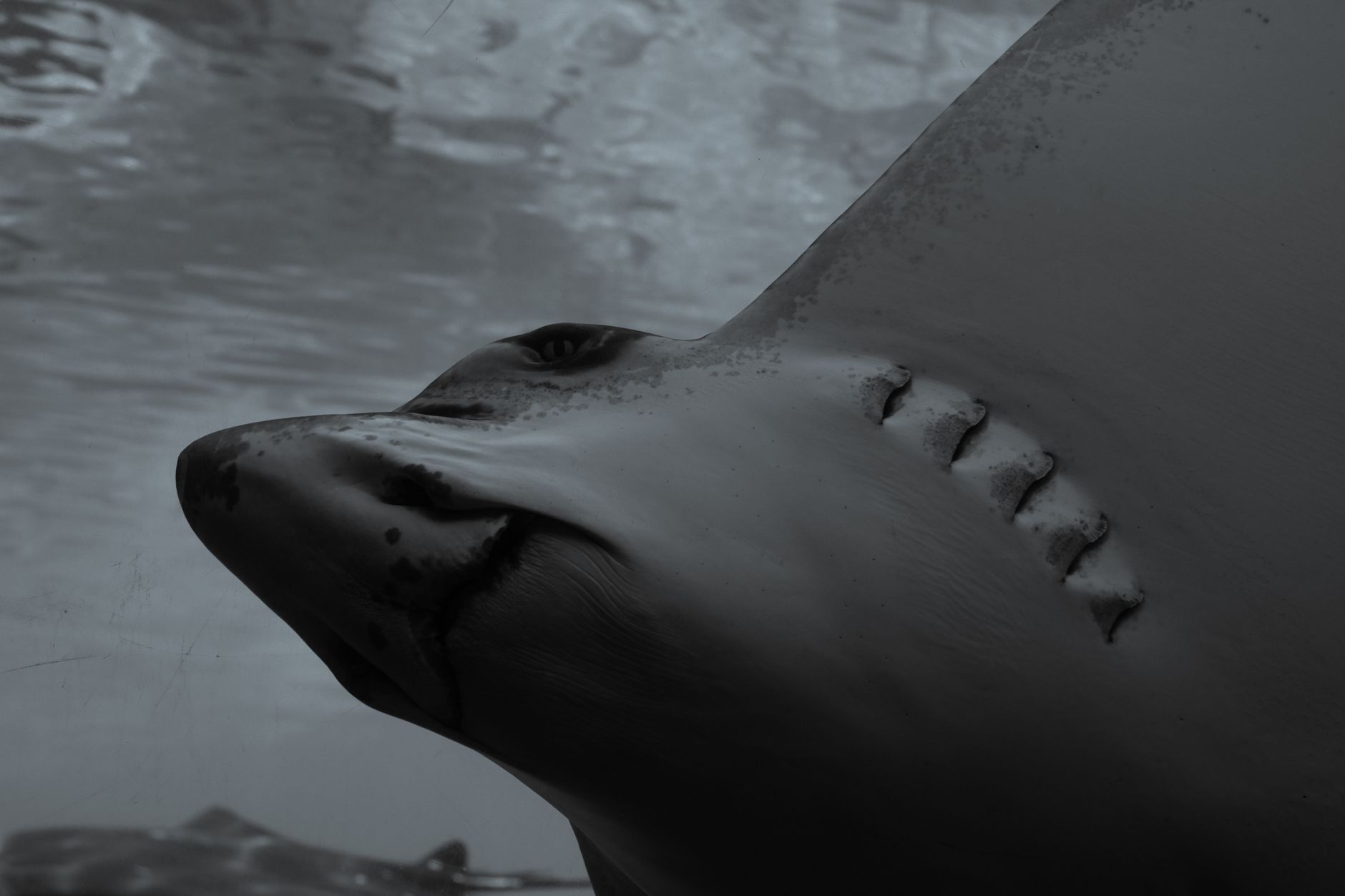
Why Do Remora Attach To Sharks? The Symbiotic Dance of Survival
Why do remora attach to sharks? Remoras attach to sharks, and other marine animals, primarily for transportation, protection from predators, and access to a consistent food source, making it a beneficial symbiotic relationship for the remora.

A Hitchhiker’s Guide to the Ocean: Remora and Shark Symbiosis
The vast ocean, a realm of constant competition and adaptation, is also a stage for fascinating partnerships. One of the most intriguing is the relationship between remoras and sharks. These seemingly disparate creatures have forged a symbiotic bond, a classic example of commensalism where one benefits and the other is neither significantly harmed nor helped. Understanding why do remora attach to sharks? involves exploring the complex interplay of survival strategies in a challenging environment.

What colours are fish most attracted to?
Can you put your finger in a trout's mouth?
Is methylene blue anti bacterial?
Does aquarium salt raise pH in aquarium?
The Remora: Anatomy and Adaptation

Remoras, also known as suckerfish, belong to the family Echeneidae. What sets them apart is their unique oval-shaped sucking disc on their head, a highly modified dorsal fin. This disc allows them to adhere to various marine animals, most notably sharks, but also rays, sea turtles, and even boats.
- Sucking Disc: Composed of ridged plates that create suction.
- Streamlined Body: Reduces drag and allows for efficient swimming.
- Opportunistic Feeders: Adaptable diet consisting of scraps and parasites.
The Benefits for Remora: A Multifaceted Advantage
The advantages for the remora are significant and directly answer why do remora attach to sharks?. This symbiotic partnership is crucial for the remora’s survival.
- Transportation: Sharks provide remoras with free transportation across vast distances, expanding their foraging range and aiding in their dispersal to new habitats.
- Food Source: Remoras feed on scraps left over from the shark’s meals. They also consume ectoparasites on the shark’s skin, further contributing to their dietary needs.
- Protection: Being attached to a large predator like a shark offers remoras a level of protection from smaller predators. Few animals would risk approaching a shark to prey on a remora.
The Shark’s Perspective: A Tolerant Host
The shark’s role in this relationship is largely passive. While there’s little evidence to suggest sharks actively benefit from the presence of remoras, they don’t appear to be significantly harmed either. The attachment of a remora is unlikely to impede a shark’s movement or feeding. In some cases, the removal of parasites by the remora might even provide a small benefit, though this remains largely unproven.
The Attachment Process: A Suction-Cup Masterpiece
The process of a remora attaching to a shark is a marvel of biological engineering. The remora approaches the shark and uses its sucking disc to create a powerful vacuum seal. The ridges within the disc interlock with the shark’s skin, providing a secure and stable attachment. Detachment is also controlled by the remora, allowing it to move freely to feed or find a new host if necessary.
Here’s a simplified breakdown:
- Approach: The remora swims towards the shark.
- Contact: The sucking disc makes contact with the shark’s skin.
- Attachment: The remora flexes its disc, creating suction.
- Secure Grip: Ridges within the disc interlock, ensuring a firm hold.
Beyond Sharks: Other Hosts and Habitats
While sharks are the most well-known hosts for remoras, they are not the only ones. Remoras have been observed attached to:
- Rays
- Sea turtles
- Marine mammals (dolphins, whales)
- Boats and other artificial structures
This adaptability highlights the remora’s opportunistic nature and its ability to thrive in various marine environments. It emphasizes that the remora’s success isn’t solely tied to sharks; they are adaptable hitchhikers.
Why Do Remora Attach to Sharks?: The Evolutionary Perspective
From an evolutionary standpoint, the remora’s adaptation is a prime example of natural selection. The ancestors of modern remoras likely possessed rudimentary attachment mechanisms that provided slight advantages. Over millions of years, these mechanisms became increasingly refined, leading to the highly specialized sucking disc we see today. The ability to attach to sharks conferred significant survival benefits, allowing remoras to thrive and diversify.
The Future of the Remora-Shark Relationship
The future of this symbiotic relationship is intertwined with the health of our oceans. Overfishing, pollution, and climate change all pose threats to both sharks and remoras. Understanding and protecting these species is crucial for maintaining the delicate balance of marine ecosystems. The intricate connection between the two highlights the importance of conservation efforts that consider the interconnectedness of all marine life.
Frequently Asked Questions About Remoras and Sharks
How strong is a remora’s suction?
A remora’s suction is remarkably strong, capable of withstanding considerable force. While precise measurements vary depending on the remora’s size and species, it’s generally accepted that they can hold onto their hosts even in strong currents and during rapid movements. The internal structure of the disc, combined with the creation of a vacuum seal, makes the attachment incredibly secure.
Do remoras hurt sharks?
Generally, remoras do not hurt sharks. The attachment process is usually painless, and the presence of a remora is unlikely to cause any significant harm. In some cases, remoras may even provide a minor benefit by removing parasites from the shark’s skin. However, heavy infestations of remoras could potentially cause irritation, though this is rare.
Are there different types of remoras?
Yes, there are several different species of remoras, each with slight variations in appearance and behavior. Some common species include the Common Remora (Echeneis naucrates), the Sharksucker (Echeneis neucratoides), and the Whalesucker (Remilegia australis). These species often exhibit preferences for different hosts and habitats.
Do remoras only attach to sharks?
No, remoras are not exclusive to sharks. While sharks are their most common hosts, remoras have been observed attached to a wide variety of marine animals, including rays, sea turtles, marine mammals, and even boats. This adaptability allows them to thrive in diverse marine environments.
How do remoras find sharks?
The exact mechanisms are not fully understood, but it’s likely that remoras use a combination of sensory cues to locate sharks. They may be able to detect the presence of sharks through chemical signals in the water, as well as visual and auditory cues. Once they are in the vicinity of a shark, they can use their swimming ability to approach and attach themselves.
What do remoras eat?
Remoras are opportunistic feeders with a varied diet. They primarily feed on scraps of food left over from the shark’s meals, as well as ectoparasites found on the shark’s skin. They may also consume small crustaceans and other invertebrates. This diverse diet allows them to thrive in a variety of marine environments.
Do remoras ever detach from sharks?
Yes, remoras can detach from sharks at will. They often detach to feed or explore their surroundings. They are capable of swimming independently and can reattach to the same shark or find a new host.
How long do remoras live?
The lifespan of remoras varies depending on the species and environmental conditions. However, most remoras are believed to live for several years in the wild. Factors such as predation, food availability, and disease can all influence their lifespan.
Are remoras related to other fish?
Yes, remoras are related to other fish. They belong to the family Echeneidae, which is part of the order Perciformes, a large and diverse group of ray-finned fishes. This broader classification helps scientists understand their evolutionary history and relationships to other marine species.
Can remoras be used in aquaculture?
There has been some interest in using remoras in aquaculture, particularly to control parasites on farmed fish. However, this application is still in the early stages of development, and there are challenges to overcome, such as ensuring the remoras have adequate food and preventing them from escaping.
Are remoras endangered?
Currently, most remora species are not considered to be endangered. However, threats such as overfishing, habitat destruction, and pollution could potentially impact their populations in the future. Monitoring and conservation efforts are essential to ensure the long-term survival of these fascinating creatures.
What is the evolutionary history of remoras?
The evolutionary history of remoras is a fascinating area of research. Scientists believe that remoras evolved from bottom-dwelling fishes that developed rudimentary attachment mechanisms. Over millions of years, these mechanisms became increasingly refined, leading to the highly specialized sucking disc we see today. Fossil evidence and genetic studies provide valuable insights into the evolutionary origins of these unique fish. Ultimately, the question Why do remora attach to sharks? ties back into their evolution that promoted increased survival rates.