

Why Do Rabbits Flop On Their Side? Unveiling the Mystery
Rabbits flop on their side as a display of extreme relaxation and comfort, indicating they feel safe and secure in their environment; it’s essentially the rabbit equivalent of spreading out on a beach towel to soak up the sun. Understanding why do rabbits flop on their side provides valuable insight into their well-being and emotional state.
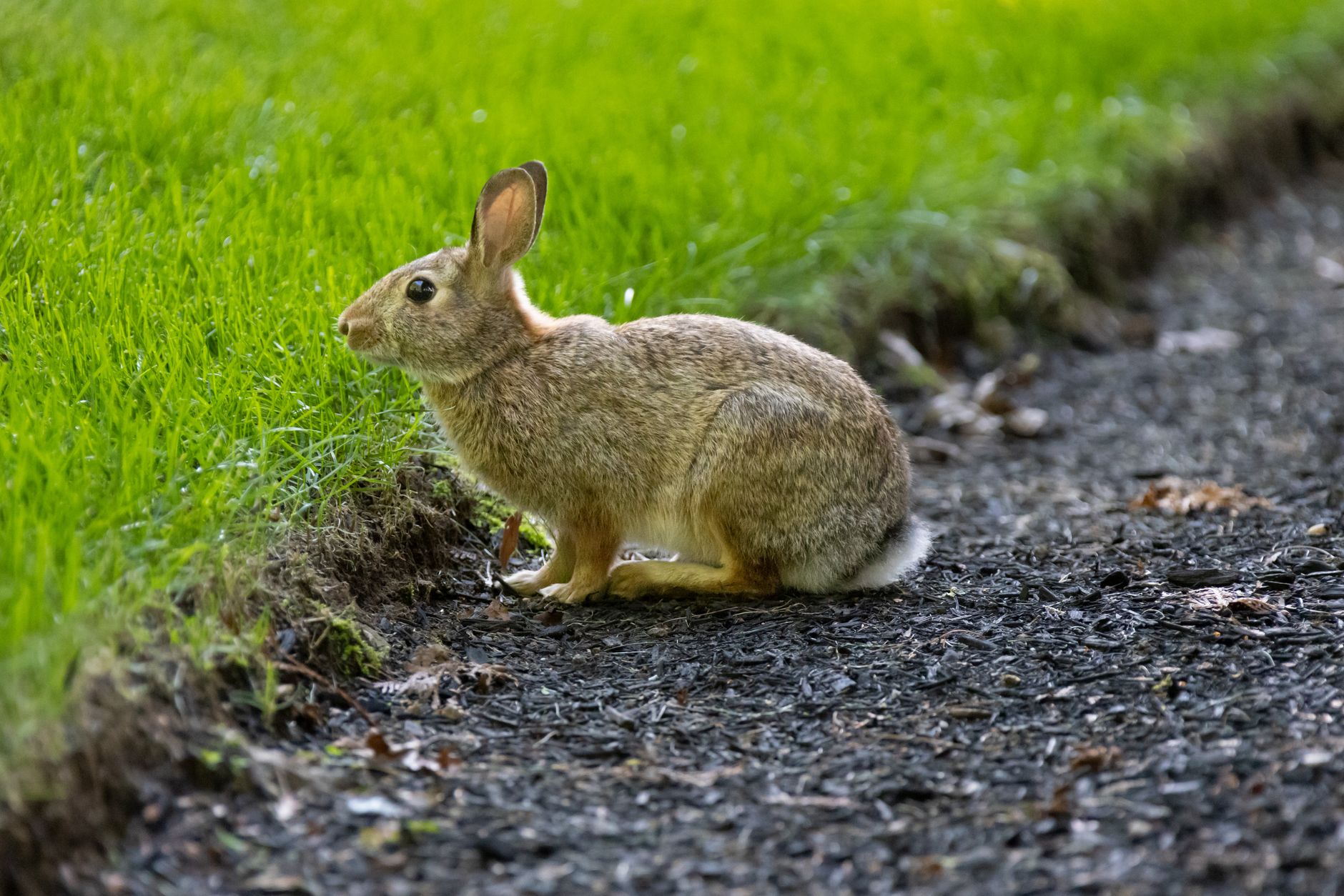
The Art of the Flop: Deciphering Rabbit Behavior
The act of flopping, where a rabbit suddenly throws itself onto its side, often startling unsuspecting owners, is a fascinating behavior rooted in trust, safety, and contentment. This seemingly dramatic action is, in reality, a highly evolved signal indicating that the rabbit feels entirely secure and relaxed in its surroundings. Understanding the nuances of this behavior helps us better care for our lagomorph companions.

What colours are fish most attracted to?
Can you put your finger in a trout's mouth?
Is methylene blue anti bacterial?
Does aquarium salt raise pH in aquarium?
The Evolutionary Roots of the Rabbit Flop

Rabbits, as prey animals, are constantly on high alert. This inherent vigilance dictates their every move. The vulnerability inherent in lying on one’s side, exposing their vulnerable underbelly, makes the flop a significant display of trust. Wild rabbits rarely, if ever, exhibit this behavior openly due to predation risks. The fact that domesticated rabbits feel safe enough to flop near their human caregivers is a testament to the bond they share. This ties directly into why do rabbits flop on their side.
Physiological Benefits of a Good Flop
Beyond the emotional aspects, flopping serves a physiological purpose. Rabbits have a relatively high body temperature and a limited ability to sweat. By lying on their side, they increase the surface area exposed to the cooler floor, aiding in thermoregulation, particularly during warmer months. This is especially true for rabbits with thick fur. The exposed abdomen allows heat to dissipate more efficiently.
The Perfect Flop: Creating a Safe Environment
For a rabbit to feel comfortable enough to flop, several conditions must be met:
- Safety: The rabbit must feel completely safe and secure in its environment. This includes the absence of perceived threats, such as loud noises, sudden movements, or the presence of unfamiliar animals.
- Comfort: A comfortable surface is essential. Rabbits prefer soft, clean bedding, such as blankets, towels, or rugs.
- Trust: A strong bond with their human caregiver is crucial. Rabbits are more likely to flop in the presence of someone they trust and feel safe with.
- Relaxation: The rabbit must be in a relaxed state, free from stress or anxiety.
Decoding Different Types of Flops
While the classic flop involves a sudden and dramatic collapse onto the side, there are variations. A “half-flop” might involve lying down with the hind legs stretched out, indicating a comfortable state but perhaps not quite as relaxed as a full flop. Observing these subtle differences can provide valuable insight into your rabbit’s overall well-being.
Common Misconceptions About Rabbit Flopping
It’s crucial to differentiate a normal, healthy flop from signs of illness or injury. If a rabbit is flopping repeatedly, appears lethargic, refuses to eat, or exhibits any other unusual symptoms, a veterinary visit is warranted. A rabbit who is ill may lie listlessly on their side, but this is distinctly different from the relaxed posture of a happy flop. Never assume that a rabbit lying on its side is necessarily content. Proper observation is key.
The Importance of Observation
Paying close attention to your rabbit’s body language, including the frequency and style of their flops, is an important part of responsible rabbit ownership. It allows you to better understand their individual personality, preferences, and overall health. Understanding why do rabbits flop on their side helps in providing optimal care.
Preventing Stress That Inhibits Flopping
Creating a stress-free environment is crucial for encouraging natural rabbit behaviors like flopping. This includes:
- Providing a stable and predictable routine.
- Minimizing loud noises and sudden movements.
- Offering plenty of enrichment opportunities, such as toys and tunnels.
- Ensuring a clean and comfortable living space.
Flopping vs. Signs of Illness: A Critical Distinction
Here’s a table to help differentiate between a healthy flop and signs of potential illness:
| Feature | Healthy Flop | Signs of Illness |
|---|---|---|
| Posture | Relaxed, limbs extended, eyes may be closed or half-closed | Stiff, tense, hunched, difficulty breathing |
| Breathing | Slow, steady, and quiet | Rapid, labored, or noisy breathing |
| Appetite | Normal | Decreased or absent appetite |
| Activity Level | Normal | Lethargic, unresponsive, or unusually inactive |
| Responsiveness | Responds to stimuli | Unresponsive or slow to respond |
| Droppings | Normal shape and consistency | Diarrhea, constipation, or absence of droppings |
Conclusion: Appreciating the Rabbit Flop
The rabbit flop is more than just a quirky behavior; it’s a window into their emotional world, a testament to the bond they share with their caregivers, and a vital indicator of their overall well-being. By understanding the nuances of this behavior, we can create environments that foster trust, security, and ultimately, a happy and healthy life for our beloved rabbit companions. Comprehending why do rabbits flop on their side enhances our ability to care for these fascinating creatures.
Frequently Asked Questions
Why do rabbits flop on their side out of nowhere?
Rabbits often flop suddenly because they feel completely safe and secure and want to relax deeply. The suddenness is often a sign of complete surrender to their environment and lack of perceived threat. They feel comfortable enough to let go.
Is it normal for my rabbit to flop on their side?
Yes, it is absolutely normal for rabbits to flop on their side. It’s a sign of contentment and indicates that they feel safe and relaxed. It’s one of the most endearing behaviors that rabbit owners cherish.
Should I be worried if my rabbit suddenly flops?
Generally, no, you shouldn’t be worried if your rabbit suddenly flops. It is a normal and healthy behavior. However, always observe them closely for any other signs of illness or distress, as detailed in the table above.
What does it mean when a rabbit stretches out and flops?
Stretching out before flopping indicates deep relaxation and a feeling of security. They are essentially preparing themselves for a comfortable rest and demonstrating a high level of trust in their surroundings.
Why is my rabbit only flopping in certain areas?
Rabbits flop where they feel most safe and comfortable. This could be their favorite spot in the house, near their favorite person, or on a specific type of bedding. Observe their preferences to identify their safe zones.
Can a rabbit flop be mistaken for a seizure?
While a flop involves a sudden movement, it is distinctly different from a seizure. Rabbits in a flop remain relaxed and responsive, whereas rabbits experiencing a seizure will exhibit involuntary muscle contractions, loss of consciousness, and other neurological symptoms.
How can I encourage my rabbit to flop more often?
To encourage flopping, provide a safe, comfortable, and enriching environment. Spend quality time with your rabbit, offer soft bedding, and minimize stress. Consistency in routine also helps.
Do all rabbits flop?
While flopping is a common behavior, not all rabbits do it. Some rabbits are simply more reserved or cautious than others. The absence of flopping doesn’t necessarily indicate a problem, as long as the rabbit displays other signs of contentment.
My rabbit is flopping and breathing fast, is this normal?
While flopping is normal, rapid breathing is not. It could indicate overheating, stress, or an underlying health issue. Monitor your rabbit closely and consult a veterinarian if the rapid breathing persists.
Why does my rabbit sometimes twitch when they flop?
Twitching can occur during sleep cycles or even as the rabbit settles into a relaxed position after flopping. As long as it is not excessive or accompanied by other concerning symptoms, it is usually nothing to worry about.
Is it okay to touch my rabbit when they are flopped on their side?
While many rabbits enjoy being petted when flopped, it’s essential to respect their boundaries. Approach them gently and observe their reaction. If they seem uncomfortable, give them space.
Does the environment affect a rabbit’s willingness to flop?
Absolutely. A clean, quiet, and predictable environment is crucial for encouraging flopping. A noisy, chaotic, or unpredictable environment can make rabbits feel stressed and less likely to exhibit this relaxed behavior. The answer to why do rabbits flop on their side depends heavily on the environment.