

Why Do Male Seahorses Carry Babies? Exploring the Extraordinary Role Reversal
Why do male seahorses carry babies? Male seahorses carry babies because the females deposit their eggs into a specialized pouch on the male’s abdomen, where he fertilizes and incubates them, providing protection and nutrients until they hatch. This unique adaptation increases the chances of offspring survival and represents a fascinating example of sex-role reversal in the animal kingdom.
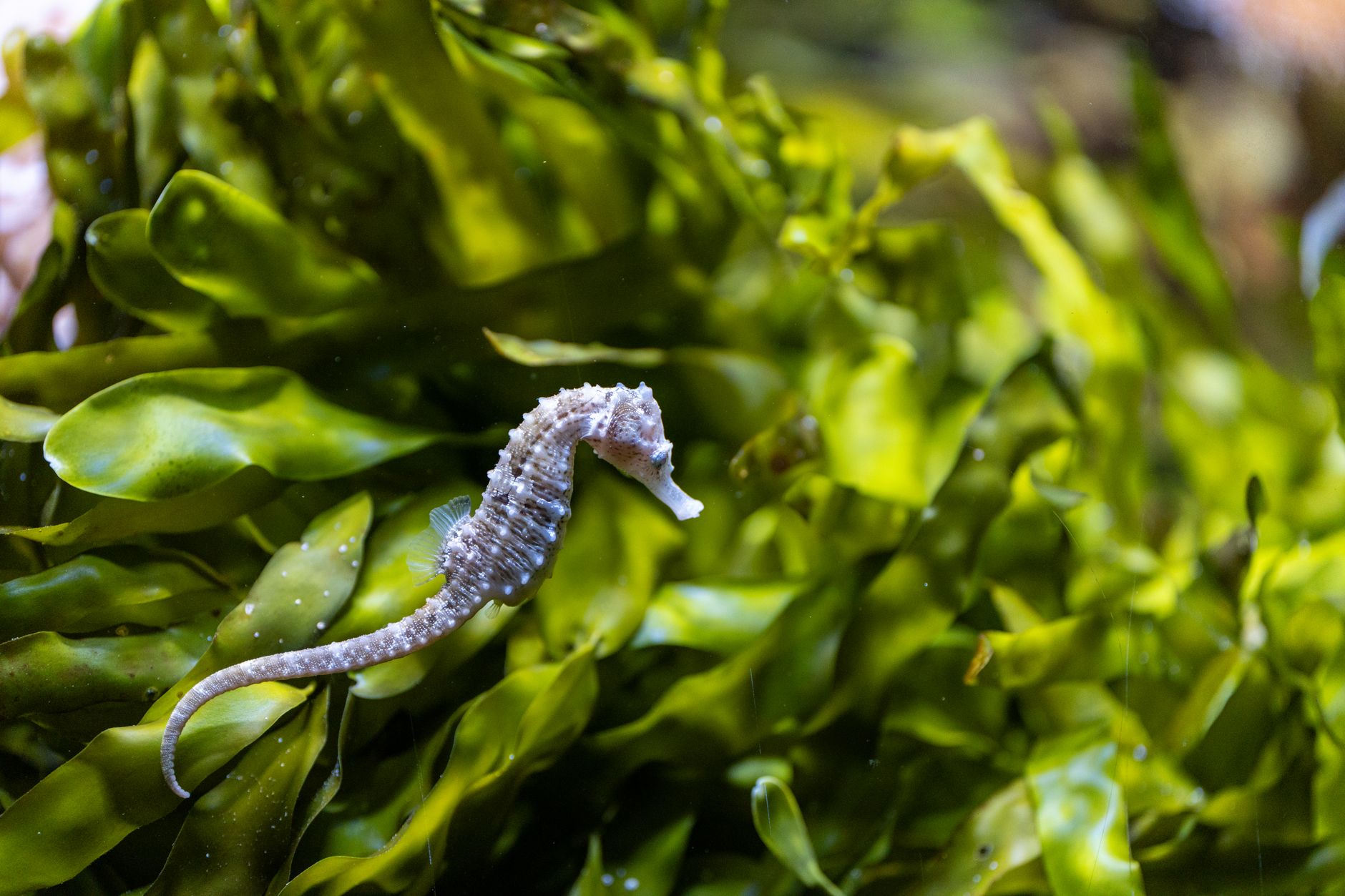
A World Turned Upside Down: Seahorse Parental Roles
In the vast majority of animal species, the female bears the primary responsibility for gestation. However, seahorses defy this norm. The sight of a male seahorse, swollen with developing young, is a testament to a remarkable evolutionary strategy. Understanding why this role reversal occurred requires delving into the intricacies of their biology and ecological niche.
What colours are fish most attracted to?
Can you put your finger in a trout's mouth?
Is methylene blue anti bacterial?
Does aquarium salt raise pH in aquarium?
The Transfer: How the Process Works
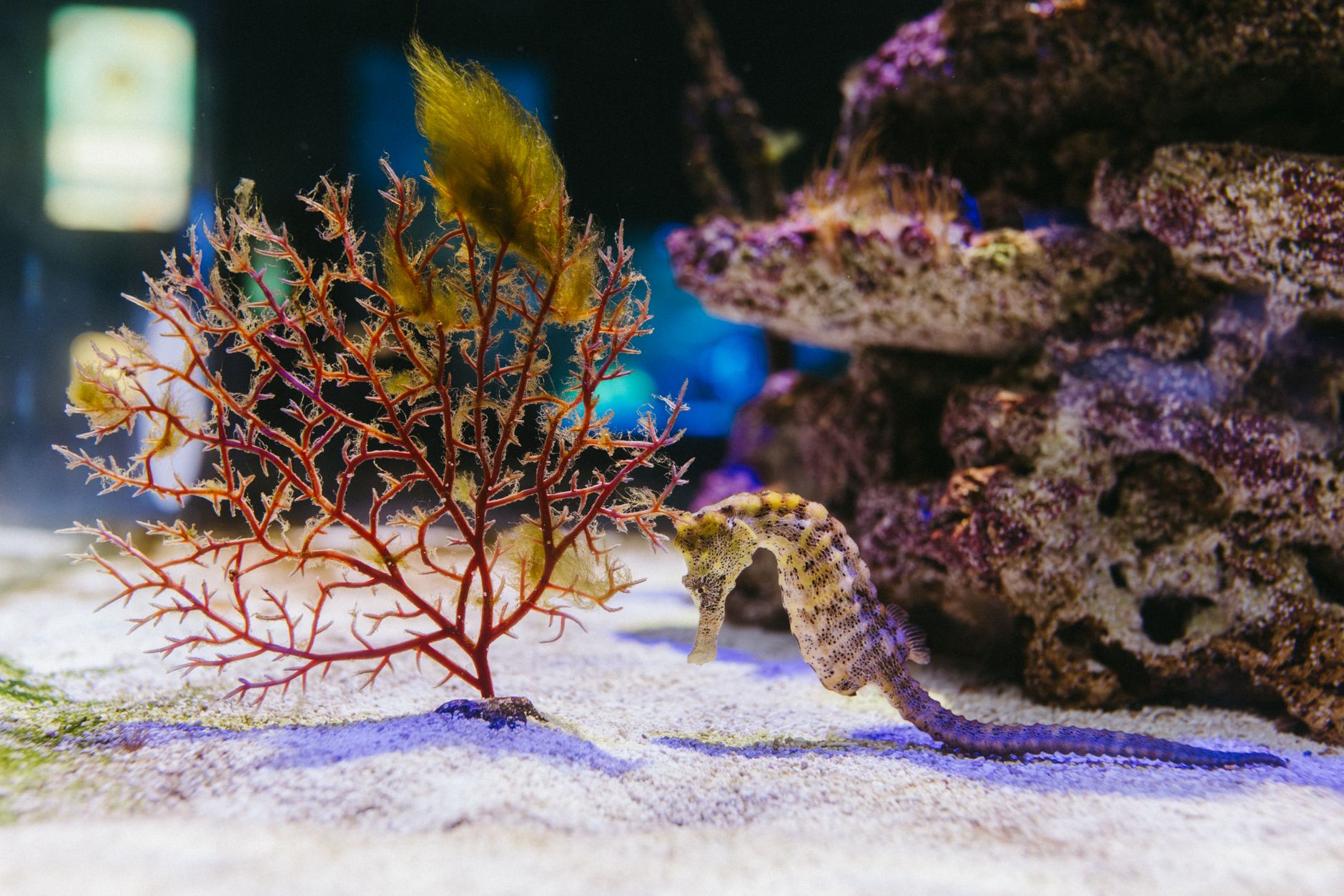
The transfer of eggs from the female to the male is a carefully orchestrated dance. The process unfolds as follows:
- Courtship: Seahorses engage in elaborate courtship rituals, strengthening their pair bond. This dance involves color changes, synchronized swimming, and clacking sounds.
- Egg Transfer: The female deposits her eggs into the male’s brood pouch, a specialized pouch located on his abdomen. This pouch is similar to a kangaroo’s pouch, providing a safe and nurturing environment.
- Fertilization: The male simultaneously fertilizes the eggs within his pouch.
- Incubation: He then seals the pouch and incubates the eggs for a period ranging from weeks to months, depending on the species.
The Pouch: A Sanctuary of Survival
The male seahorse’s pouch is far more than just a holding space. It’s a complex organ, providing the developing embryos with:
- Oxygen: A network of blood vessels within the pouch supplies oxygen to the growing embryos.
- Nutrients: While early research suggested the pouch primarily provided structural support and oxygen, more recent findings indicate the male may also contribute nutrients and immune support.
- Protection: The pouch offers a safe haven from predators and environmental stressors.
- Waste Removal: The pouch also facilitates the removal of waste products from the developing embryos.
- Osmoregulation: The pouch environment can regulate salinity, helping the young adapt before release into the open ocean.
Evolutionary Advantages: Why Males Take on This Burden
Why do male seahorses carry babies? The evolutionary benefits of this unusual arrangement are multifaceted:
- Increased Reproductive Rate: By transferring the eggs to the male, the female can rapidly produce another batch of eggs, increasing the overall reproductive output of the pair.
- Certainty of Paternity: The male is assured that he is fertilizing his own offspring, reducing the risk of investing resources in unrelated young.
- Female Energy Conservation: Gestation is energetically costly. By offloading this burden onto the male, the female conserves energy for egg production.
- Pouch Environment Optimization: Males may be able to better regulate the environment within the pouch, creating optimal conditions for embryo development.
Not Just Seahorses: Related Syngnathids
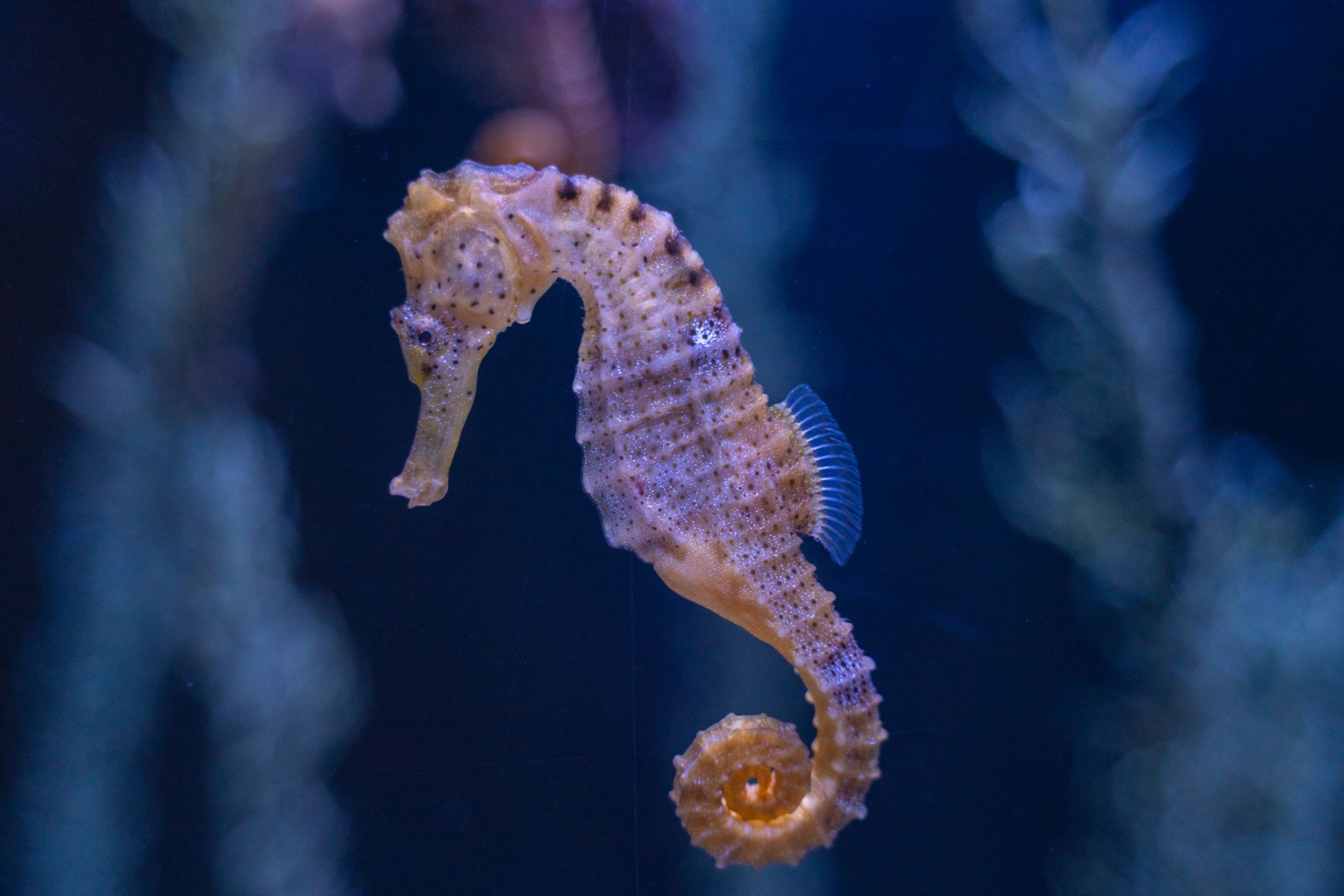
Seahorses belong to the family Syngnathidae, which also includes pipefishes and seadragons. While the pouch is most developed in seahorses, other syngnathids exhibit various degrees of male parental care. Some pipefish species, for example, carry their eggs attached to their ventral surface or inside a specialized brood pouch that’s less developed than a seahorse’s.
Conservation Concerns
Seahorse populations face numerous threats, including habitat loss, overfishing, and the traditional medicine trade. The unique reproductive strategy of seahorses makes them particularly vulnerable to these pressures. Protecting seahorse habitats and regulating trade are crucial for ensuring their survival.
Interesting Seahorse Facts
Here’s a table of interesting facts about seahorses:
| Fact | Description |
|---|---|
| Diet | Seahorses are carnivores that primarily feed on small crustaceans, such as copepods. |
| Camouflage | Seahorses are masters of camouflage, able to blend seamlessly with their surroundings. They can change color to match their environment. |
| Prehensile Tail | They possess a prehensile tail that allows them to grip onto seaweed and coral, preventing them from being swept away by currents. |
| Monogamy | Many seahorse species are monogamous, forming pair bonds that can last for several breeding seasons. |
| Global Distribution | Seahorses are found in tropical and temperate waters around the world. |
| No Teeth | Seahorses do not have teeth. They suck their food through their snout. |
Frequently Asked Questions (FAQs)
What happens after the male seahorse gives birth?
After the male seahorse gives birth, he may rest briefly before preparing for another brood. The female will then deposit another batch of eggs into his pouch, and the cycle continues. Some species mate for life and breed continuously, while others breed seasonally.
Do male seahorses always carry the eggs successfully?
No, unfortunately, not all pregnancies are successful. Factors such as stress, poor water quality, and predation can lead to the loss of the brood. Additionally, the male may reabsorb the eggs if conditions become unfavorable.
Are there any other animals where males carry the young?
Yes, there are other examples of male parental care in the animal kingdom. Some frog species, certain fish (like jawfish), and even some insects exhibit male brooding behavior. However, the seahorse’s method, with the specialized pouch, is one of the most advanced forms of male pregnancy.
How long does a male seahorse incubate the eggs?
The incubation period varies depending on the seahorse species, but it typically ranges from two to four weeks. During this time, the male will carefully regulate the environment within his pouch.
What do baby seahorses eat when they are born?
Baby seahorses, also known as fry, are tiny versions of their parents. They feed on small plankton and other microscopic organisms. They are completely independent from birth and receive no further parental care.
Do seahorses have a long lifespan?
The lifespan of a seahorse varies depending on the species, but most live for one to five years in the wild. Captive seahorses may live longer with proper care.
How do seahorses choose their mates?
Seahorses choose their mates through elaborate courtship rituals. They engage in a “dance” that can last for several days, strengthening their pair bond and ensuring compatibility. This dance includes synchronized swimming, color changes, and other displays of affection.
What is the biggest threat to seahorse populations?
The biggest threats to seahorse populations are habitat loss, overfishing, and the traditional medicine trade. Seahorses are often caught as bycatch in fishing nets, and their habitats are being destroyed by coastal development and pollution.
Are seahorses endangered?
Many seahorse species are considered vulnerable or endangered due to the threats mentioned above. Conservation efforts are crucial to protecting these fascinating creatures.
How many babies can a male seahorse carry?
The number of babies a male seahorse can carry varies greatly depending on the species and the size of the male. Some species may carry only a few dozen eggs, while others can carry over a thousand.
Can male seahorses get pregnant without a female?
No, a male seahorse cannot get pregnant without a female depositing her eggs into his pouch. The female provides the eggs, and the male fertilizes them.
Why is the male seahorse caring for babies so important?
Why do male seahorses carry babies? Because it increases the chances of offspring survival, offering both protection and a controlled environment. This unique adaptation allows the female to focus on producing more eggs, leading to a higher overall reproductive rate for the pair. The male’s commitment contributes significantly to the continuation of their species, highlighting a remarkable evolutionary success.