

Why Do Lions Spray Urine? The Pungent Truth
Lions spray urine primarily as a form of social communication, using the scent to mark territory, establish dominance, and signal reproductive status. It’s essentially a complex form of “written” communication for these magnificent predators.

Introduction: The Aromatic World of the Lion
The African savanna, a realm of powerful predators and elusive prey, is governed by more than just strength and speed. A crucial element in the lion’s social and territorial dynamics is the potent, unmistakable odor of urine. This isn’t merely a matter of biological necessity; Why do lions spray urine? is a question that delves into the intricate world of feline communication, dominance hierarchies, and reproductive strategies. Understanding this behavior allows us to gain a deeper appreciation for the complex social lives of these apex predators.

What colours are fish most attracted to?
Can you put your finger in a trout's mouth?
Is methylene blue anti bacterial?
Does aquarium salt raise pH in aquarium?
The Scent-Marking Mechanism
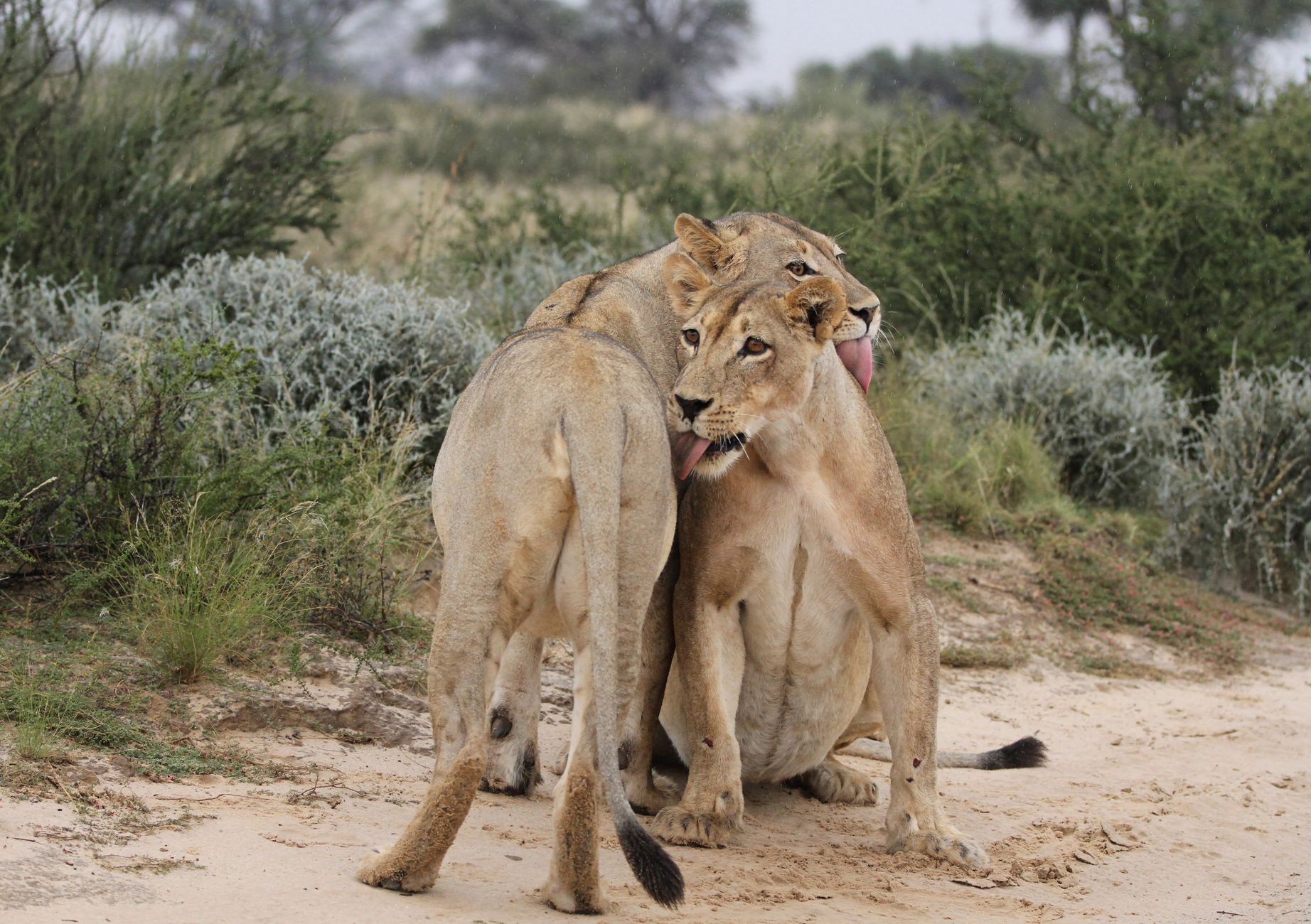
Urine spraying is a specialized behavior. It’s not simply urination for waste elimination. Instead, it’s a deliberate act of scent marking.
- Lions, especially males, engage in this behavior to communicate with other lions.
- The process involves backing up to an object (a bush, rock, or tree), lifting the tail, and spraying a stream of urine onto the surface.
- This elevated spraying ensures the scent lingers and disperses effectively in the air.
The Chemical Composition of Lion Urine
Lion urine isn’t just water and waste. It contains a complex cocktail of chemicals, including pheromones, which act as crucial signaling molecules.
- These pheromones convey information about the individual lion, including its sex, age, reproductive status, and even social status.
- The precise chemical composition of the urine can vary depending on the lion’s health, diet, and hormonal state.
- Different pheromones might signal different messages, allowing lions to communicate a range of information.
Territorial Imperative: Marking Home
One of the primary reasons Why do lions spray urine? is territorial marking.
- Lions are fiercely territorial animals, and they use urine spraying to define and defend their territories.
- The urine scent acts as a signal to other lions, warning them to stay away or risk confrontation.
- Male lions, in particular, are responsible for patrolling and marking the boundaries of their pride’s territory, often spraying urine on prominent landmarks.
Dominance Display: Asserting Authority
Urine spraying also plays a critical role in establishing and maintaining dominance hierarchies within a pride.
- Dominant males spray more frequently and in more conspicuous locations, reinforcing their status.
- Subordinate males may spray less often or in less visible areas, acknowledging the dominance of the alpha male.
- The scent of the urine can also intimidate rivals and prevent challenges to the alpha male’s position.
Reproductive Signaling: A Call to Mates
Another significant reason Why do lions spray urine? involves reproduction.
- Female lions in estrus (heat) will spray urine more frequently, signaling their readiness to mate to potential partners.
- The urine contains pheromones that attract males from long distances, ensuring successful breeding.
- Males may also spray urine to mask the scent of other males, increasing their chances of mating with receptive females.
Common Spraying Locations
Lions aren’t indiscriminate about where they spray. They strategically choose locations to maximize the impact of their scent markings.
- Boundary Markers: Along the edges of their territory to warn off intruders.
- Prominent Landmarks: Trees, rocks, and bushes that are easily visible and accessible.
- Overlapping Areas: Where territories of different prides overlap, leading to frequent scent marking disputes.
The Social Significance of Scent
Beyond individual communication, urine spraying contributes to the overall social cohesion of a pride.
- By marking territory and signaling dominance, lions reinforce their group identity and establish clear social boundaries.
- The shared scent of the pride helps members recognize each other and maintain a sense of unity.
- It also reduces the likelihood of conflicts within the pride, as individuals understand their respective roles and positions.
Factors Influencing Spraying Frequency
Several factors can influence how often a lion sprays urine.
- Territorial Disputes: Increased spraying occurs when neighboring prides encroach on territory.
- Changes in Pride Dynamics: Shifts in dominance hierarchy can lead to changes in spraying behavior.
- Breeding Season: Both males and females spray more frequently during the mating season.
- Availability of Prey: Scarcity of prey can lead to more territorial defenses, resulting in more spraying.
The Ecological Impact
While primarily a social behavior, urine spraying also has ecological implications.
- It helps regulate lion populations by influencing territorial boundaries and access to resources.
- It can also impact the behavior of other animals in the ecosystem, such as hyenas and wild dogs, who may avoid areas marked by lions.
- The scent markings contribute to the complex web of communication and interaction that characterizes the African savanna.
Frequently Asked Questions (FAQs)
Why is lion urine so smelly?
Lion urine is particularly pungent due to the high concentration of ammonia and other volatile compounds, particularly pheromones. These compounds are essential for transmitting information, and their strong odor ensures the message is effectively delivered.
Do all lions spray urine, or is it just males?
Both male and female lions spray urine, but males typically spray more frequently than females. Males use it extensively for territory marking and dominance displays, while females use it more for reproductive signaling.
How far can lions detect the scent of urine?
Lions have an excellent sense of smell and can detect the scent of urine from a considerable distance, potentially up to several kilometers depending on wind conditions and terrain.
Do cubs spray urine?
Lion cubs start learning urine spraying behavior as they mature. While they may not spray as strategically or frequently as adults, the behavior is typically developed by the time they reach adolescence.
What other animals spray urine?
Urine spraying is common in many mammal species, including other wild cats, canids (dogs and wolves), and ungulates (deer and antelope). Each species uses it for a variety of purposes, including territory marking, mate attraction, and communication.
Is urine spraying the same as urination?
No, urine spraying is a distinct behavior from urination. Spraying is a deliberate act of scent marking, involving specific posture and targeting, whereas urination is primarily for waste elimination.
Why do lions spray urine on trees?
Trees and other prominent objects act as visual and olfactory markers, ensuring that the scent is easily detectable and widely dispersed by the wind. This helps maximize the effectiveness of the scent marking.
What happens if a lion enters another pride’s territory?
If a lion enters another pride’s territory and is detected, it can lead to aggressive confrontations. The defending pride will likely attempt to drive out the intruder to protect their resources and territory.
Do lions spray urine on their prey?
Lions generally do not spray urine directly on their prey. Their focus during a hunt is on catching and consuming the animal. Urine spraying is primarily a social and territorial behavior.
How does urine spraying help lions survive?
Urine spraying contributes to survival by helping lions secure resources, maintain social stability, and attract mates. By effectively marking territory and communicating with other lions, they reduce competition and increase their chances of reproductive success.
Can humans smell lion urine?
Yes, humans can smell lion urine, although our sense of smell is far less sensitive than that of a lion. The strong ammonia-like odor is often noticeable in areas where lions are present.
Why do lions sometimes scrape the ground after spraying urine?
Scraping the ground after spraying urine is a behavioral enhancement of scent marking. This action likely helps to further spread the scent and create a visual marker, amplifying the message being conveyed.