
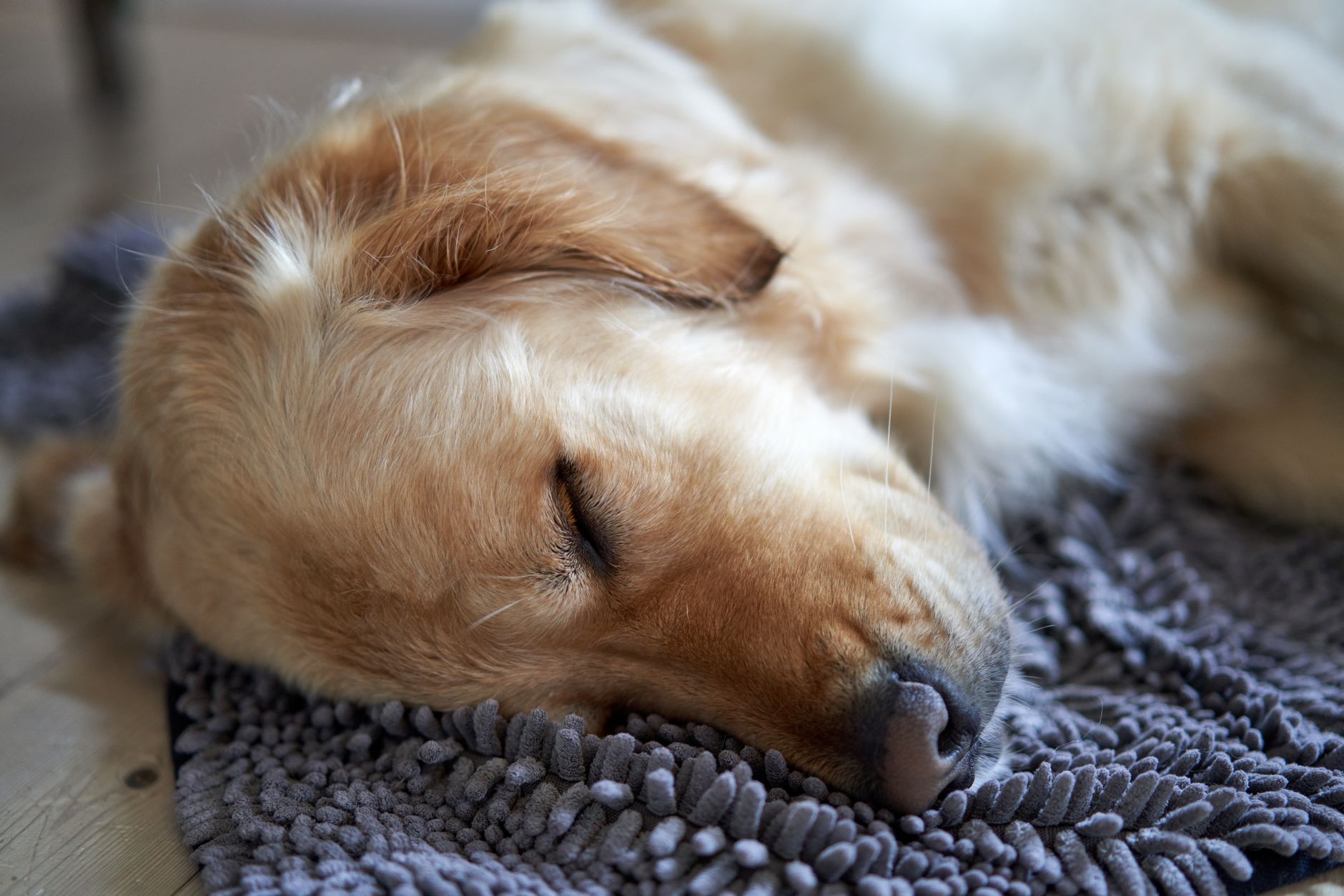
Why Do Dogs Twitch and Jerk in Their Sleep?
Why do dogs twitch and jerk in their sleep? Dogs twitch and jerk in their sleep primarily due to muscle contractions during the REM (Rapid Eye Movement) stage of sleep, often associated with dreaming and normal neurological processing.

Understanding Canine Sleep: More Than Just Rest
We’ve all seen it: our beloved canine companions, seemingly lost in slumber, suddenly start twitching their paws, whimpering, or even barking softly. Why do dogs twitch and jerk in their sleep? This common occurrence often elicits curiosity and sometimes concern from pet owners. To understand this behavior, we need to delve into the fascinating world of canine sleep cycles and the underlying neurological processes at play.

Is distilled water good for goldfish?
What colours are fish most attracted to?
Can you put your finger in a trout's mouth?
Is methylene blue anti bacterial?
The Stages of Doggy Dreams

Just like humans, dogs cycle through different stages of sleep, including:
- Slow-Wave Sleep (SWS): A period of deep, restful sleep characterized by slow brainwave activity. During SWS, the body repairs tissues and consolidates memories.
- Rapid Eye Movement (REM) Sleep: This stage is associated with dreaming and is characterized by rapid eye movements, increased brain activity, and muscle atonia (temporary paralysis). However, this paralysis isn’t complete, and occasional muscle twitches and jerks are normal.
The Neurological Basis of Sleep Twitches
The twitching and jerking observed during REM sleep are thought to be caused by:
- Motor Cortex Activation: The motor cortex, responsible for controlling movement, is active during REM sleep. These signals are typically suppressed by the brainstem, preventing us (and our dogs) from acting out our dreams. However, this suppression isn’t perfect, leading to occasional muscle twitches.
- Dream-Related Activity: Many experts believe that these twitches and jerks are directly related to the content of the dog’s dreams. A dog dreaming of chasing a rabbit might twitch its legs, while one dreaming of being petted might wag its tail slightly.
- Neurological Development: Puppies tend to twitch more than adult dogs because their nervous systems are still developing. The pathways that inhibit muscle movement during REM sleep are not yet fully mature, leading to more frequent and pronounced twitches.
Distinguishing Normal Twitches from Abnormal Movements
While occasional twitching and jerking during sleep are generally harmless, it’s important to be able to differentiate them from more serious neurological conditions. Here’s a table to help:
| Feature | Normal Sleep Twitches | Abnormal Seizures |
|---|---|---|
| Timing | Occurs primarily during REM sleep, usually short episodes | Can occur at any time, often lasts longer |
| Consciousness | Dog appears to be asleep and easily awakened | Dog may be unresponsive, disoriented, or confused |
| Muscle Activity | Isolated twitches and jerks, often localized | Rhythmic, uncontrolled movements affecting the entire body, paddling, foaming at the mouth |
| Posture | Relaxed posture | Stiff or rigid posture |
| After Effects | Dog returns to normal behavior immediately after waking | Dog may be disoriented, tired, or confused for some time afterward |
If you observe any of the signs of abnormal seizures, it’s crucial to consult with your veterinarian immediately.
When to Worry: Red Flags and Potential Concerns
While the majority of twitching and jerking is harmless, certain situations warrant a visit to the vet. These include:
- Sudden Increase in Frequency or Intensity: A significant change in the frequency or intensity of twitches could indicate an underlying neurological issue.
- Accompanying Symptoms: If the twitching is accompanied by other symptoms such as loss of consciousness, stiffness, paddling movements, or foaming at the mouth, it could be a sign of a seizure.
- Unusual Behavior Before or After Twitching: If your dog exhibits unusual behavior before or after the twitching episodes, such as excessive drooling or confusion, it’s important to seek veterinary advice.
- Older Dogs with New Onset Twitching: If an older dog suddenly starts twitching in their sleep, it’s wise to rule out any age-related neurological conditions.
Creating a Comfortable Sleep Environment
Even if your dog’s sleep twitches are normal, you can still create a more comfortable and restful sleep environment for them:
- Provide a Comfortable Bed: Ensure your dog has a comfortable and supportive bed in a quiet, draft-free location.
- Establish a Routine: Consistent bedtime routines can help regulate your dog’s sleep-wake cycle and promote restful sleep.
- Avoid Disturbances: Minimize noise and other distractions during your dog’s sleep time.
- Consider a Calming Aid: In some cases, a calming aid such as a pheromone diffuser or calming treats may help reduce anxiety and promote relaxation.
The question, Why do dogs twitch and jerk in their sleep? often doesn’t require intervention. But remaining vigilant and informed will help you recognize potential issues and provide the best care for your furry companion.
Frequently Asked Questions (FAQs)
If my dog is twitching a lot in their sleep, should I wake them up?
Generally, it’s best not to wake your dog up if they’re twitching during sleep. Waking them abruptly can startle or disorient them, especially if they’re in the middle of a dream. It’s usually best to let them wake up naturally. However, if you are concerned about seizure activity, gently try to rouse them. If they are unresponsive or stiff, seek immediate veterinary help.
Do all dogs dream?
While we can’t know for sure what dogs experience when they sleep, evidence suggests that they do dream, similar to humans. Brainwave patterns during REM sleep are remarkably similar in dogs and humans, indicating that dogs are likely processing memories and emotions during this stage.
Is twitching in puppies normal?
Yes, twitching is very common and often more pronounced in puppies compared to adult dogs. This is because their nervous systems are still developing, and the mechanisms that inhibit muscle movement during REM sleep are not yet fully mature.
Could my dog be having a seizure even if they’re sleeping?
Yes, it’s possible for a dog to have a seizure while sleeping. Seizures during sleep can be more subtle than those that occur when the dog is awake, so it’s important to carefully observe your dog’s movements and behavior. Look for signs like rhythmic movements, stiffness, loss of consciousness, or excessive drooling.
What can I do to help my dog sleep better?
To improve your dog’s sleep, establish a consistent sleep schedule, provide a comfortable bed in a quiet area, and ensure they get plenty of exercise during the day. You can also consider using a calming aid such as a pheromone diffuser or calming treats to promote relaxation.
Is it true that smaller dogs dream more than larger dogs?
Some anecdotal evidence suggests that smaller dogs may dream more frequently than larger dogs, but this isn’t definitively proven. The size of the dog doesn’t necessarily correlate with the intensity of the dreams, either.
Can certain breeds be more prone to twitching in their sleep?
There is no definitive evidence to suggest that specific breeds are more prone to twitching in their sleep. However, certain breeds may be more prone to specific neurological conditions that could cause abnormal movements during sleep.
Is there a connection between a dog’s diet and their sleep behavior?
Diet can indirectly affect a dog’s sleep. A balanced diet that meets their nutritional needs can contribute to overall health and well-being, which can improve sleep quality. Avoid feeding your dog large meals right before bedtime.
Can stress or anxiety cause increased twitching during sleep?
Yes, stress and anxiety can contribute to increased twitching and restlessness during sleep. Dogs who are anxious may have difficulty relaxing and may experience more frequent muscle twitches and jerks.
Are there any medications that can cause twitching as a side effect?
Yes, some medications can cause twitching or muscle spasms as a side effect. If your dog is taking medication and you notice increased twitching, talk to your veterinarian.
Is it possible to tell what my dog is dreaming about by their movements?
While we can’t know for sure, it’s plausible that a dog’s movements during REM sleep reflect the content of their dreams. If your dog is twitching their legs, they might be dreaming of running or chasing something. If they are wagging their tail, they might be dreaming of being petted or playing.
Why do dogs twitch and jerk in their sleep, sometimes even barking or making noises? Is that something to worry about?
The combination of twitching, jerking, barking, and noises, when occurring during sleep, are typically normal indicators of REM sleep and dreaming. As previously covered, these are due to the brainstem’s incomplete paralysis of motor signals during the dream state. Unless these activities are prolonged, repetitive, or accompanied by other concerning symptoms such as stiffness or unresponsiveness, there is usually no cause for concern. Why do dogs twitch and jerk in their sleep? The answer, more often than not, lies in the beautiful mystery of their dreaming minds.