

Can Bird Flu Be Transferred to Humans by Eating Chicken?
While the risk is low, it is not entirely zero. Properly cooked chicken poses a significantly reduced risk, but can bird flu be transferred to humans by eating chicken under certain rare circumstances, especially if the poultry is consumed raw or undercooked.
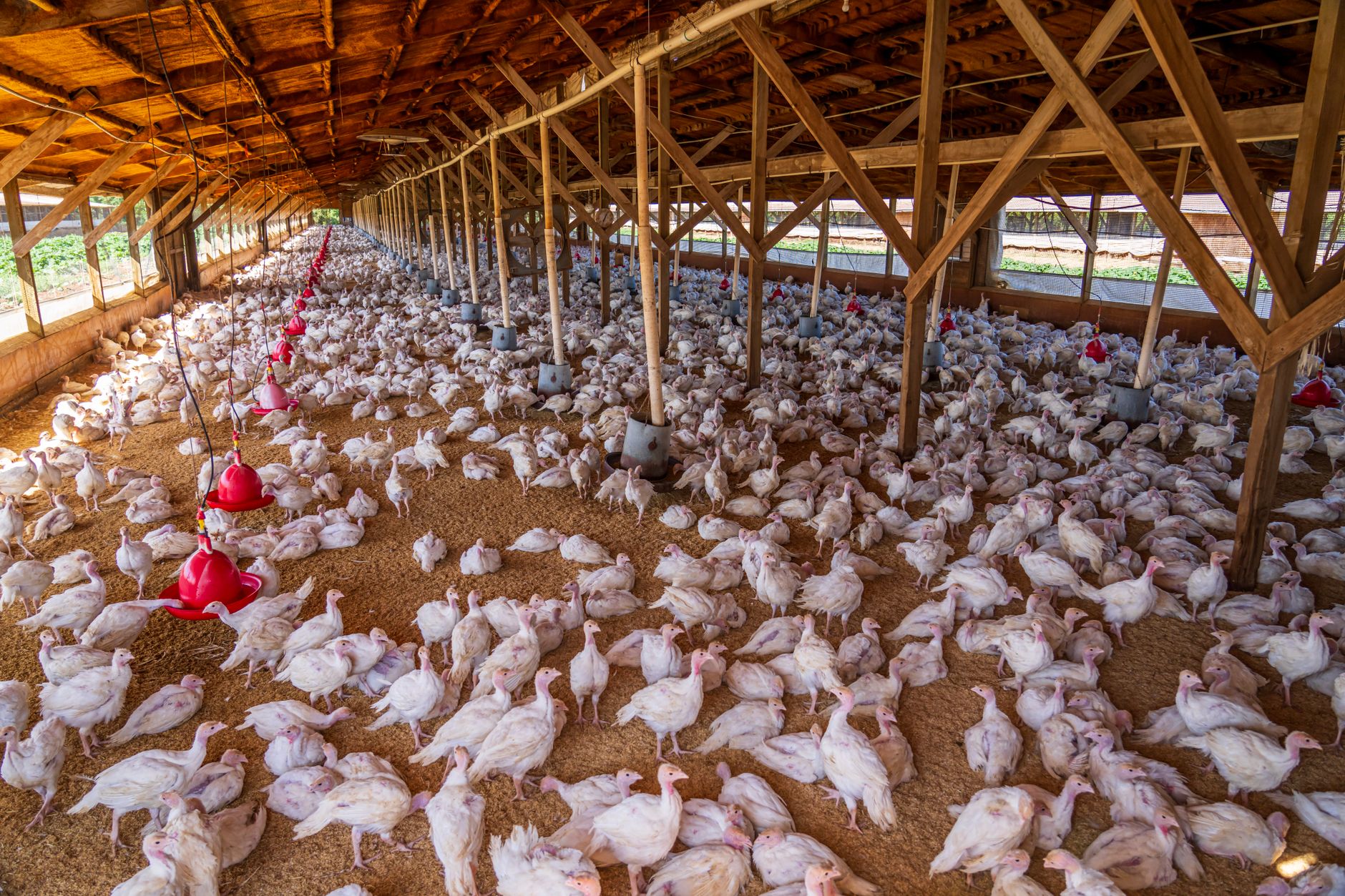
Understanding Avian Influenza (Bird Flu)
Avian influenza, commonly known as bird flu, refers to a group of influenza viruses that primarily infect birds. These viruses are broadly classified into two categories based on their ability to cause disease in poultry: low pathogenic avian influenza (LPAI) and highly pathogenic avian influenza (HPAI). While LPAI viruses typically cause mild symptoms or no symptoms in birds, HPAI viruses can cause severe illness and high mortality rates.
The Risk of Bird Flu Transmission to Humans

The primary concern regarding bird flu is its potential to cross the species barrier and infect humans. While human infections are relatively rare, they can be severe and even fatal. Most human cases have occurred after close contact with infected live or dead birds, or contaminated environments.
How Bird Flu Could Potentially Spread Through Chicken Consumption
The virus must be present in the chicken at the time of slaughter and not rendered inert by proper cooking. This is unlikely but theoretically possible in a few ways:
- Contamination During Processing: If a processing plant handles both infected and non-infected birds, cross-contamination could occur. However, rigorous hygiene practices aim to minimize this risk.
- Undercooked Chicken: If chicken is not cooked to a sufficient internal temperature, the virus may survive. The Centers for Disease Control and Prevention (CDC) and other health organizations recommend cooking poultry to an internal temperature of 165°F (74°C) to kill any harmful viruses and bacteria.
- Raw Consumption: Eating raw or partially cooked chicken carries the highest risk of bird flu transmission, as the virus remains active. This practice is strongly discouraged.
The Importance of Proper Cooking
Cooking chicken to the recommended internal temperature is crucial for killing bird flu viruses, as well as other harmful pathogens like Salmonella and Campylobacter. The high heat denatures the viral proteins, rendering the virus inactive and unable to infect.
Current Safety Measures and Regulations
- Surveillance Programs: Governments and health organizations conduct extensive surveillance programs to monitor bird flu outbreaks in poultry populations.
- Culling Infected Birds: When an outbreak is detected, infected birds are typically culled to prevent further spread.
- Vaccination Programs: Vaccination programs are sometimes implemented to protect poultry from bird flu.
- Food Safety Regulations: Food safety regulations require poultry processing plants to adhere to strict hygiene standards to minimize the risk of contamination.
Comparing Risks: Raw vs. Cooked Chicken
The table below illustrates the relative risk of contracting bird flu from consuming raw vs. properly cooked chicken:
| Factor | Raw Chicken | Properly Cooked Chicken (165°F/74°C) |
|---|---|---|
| Viral Activity | Virus remains active | Virus is inactivated |
| Risk of Infection | High risk | Extremely low risk |
Recommended Practices for Handling and Cooking Chicken
- Wash Your Hands: Wash your hands thoroughly with soap and water before and after handling raw chicken.
- Avoid Cross-Contamination: Use separate cutting boards and utensils for raw chicken and other foods.
- Cook to the Correct Temperature: Use a food thermometer to ensure that chicken reaches an internal temperature of 165°F (74°C).
- Refrigerate Properly: Store raw chicken in the refrigerator at a temperature of 40°F (4°C) or below.
- Avoid Eating Raw or Undercooked Chicken: This greatly increases the risk of infection.
The Role of Government and Industry in Preventing Transmission
Government agencies and the poultry industry play a vital role in preventing bird flu transmission to humans through chicken consumption. These measures include:

- Implementing rigorous surveillance programs
- Enforcing strict biosecurity protocols on farms
- Investing in research and development of vaccines
- Educating the public about safe food handling practices
Frequently Asked Questions (FAQs)
Can bird flu be transferred to humans by eating chicken?
The risk is very low when chicken is properly cooked. However, eating raw or undercooked chicken presents a potential, albeit small, risk of contracting bird flu, especially if the bird was infected with a high-pathogenicity strain.
What are the symptoms of bird flu in humans?
Symptoms of bird flu in humans can vary, but often include fever, cough, sore throat, muscle aches, and respiratory problems. In severe cases, it can lead to pneumonia, acute respiratory distress syndrome (ARDS), and even death. Seek immediate medical attention if you experience these symptoms after potential exposure.
How common is bird flu in humans?
Human cases of bird flu are relatively rare, particularly infections from eating properly cooked poultry. The majority of human infections have occurred following direct contact with infected birds.
What should I do if I think I have bird flu?
If you suspect you have bird flu, seek medical attention immediately. Inform your doctor about your potential exposure to birds or poultry. Early diagnosis and treatment are crucial for improving outcomes.
Is it safe to eat eggs during a bird flu outbreak?
Yes, generally eggs are safe to eat during a bird flu outbreak, provided they are cooked thoroughly. The cooking process effectively destroys the virus. However, be sure to follow safe food handling practices and wash your hands after handling eggs.
What temperature should I cook chicken to in order to kill bird flu virus?
Chicken should be cooked to an internal temperature of 165°F (74°C) to effectively kill the bird flu virus and other harmful pathogens.
How long can bird flu survive on surfaces?
The survival time of the bird flu virus on surfaces varies depending on factors such as temperature, humidity, and the type of surface. However, it can survive for several days in certain conditions.
Are there any specific breeds of chickens that are more susceptible to bird flu?
While all breeds of chickens are susceptible to bird flu, some may exhibit varying degrees of resistance. Research is ongoing to identify genetic factors that contribute to resistance.
How is bird flu diagnosed in humans?
Bird flu is diagnosed in humans through laboratory testing of respiratory samples, such as nasal swabs or throat swabs. These tests can detect the presence of the virus.
Is there a vaccine for bird flu in humans?
Vaccines against specific strains of bird flu have been developed, but they are not routinely administered to the general public. These vaccines are typically reserved for high-risk individuals, such as healthcare workers and poultry workers.
Can bird flu affect other animals besides birds?
Yes, bird flu can affect other animals, including mammals such as pigs, cats, and dogs. However, transmission to humans typically occurs through direct contact with infected birds.
What is the global situation regarding bird flu outbreaks?
Bird flu outbreaks are a global concern, with ongoing surveillance and control efforts in place to prevent the spread of the virus. The World Health Organization (WHO) and other international organizations closely monitor the situation and provide guidance to countries.