

Why Do Dogs Turn Away When You Talk To Them?
Dogs turn away when you talk to them often as a sign of appeasement to de-escalate a perceived threat or discomfort, but other factors like hearing issues, distraction, or training can also play a role in this common behavior.

Understanding Canine Communication: Beyond Words
Understanding dog behavior requires stepping away from solely human-centric communication. While we rely heavily on verbal cues, dogs primarily communicate through body language, scent, and vocalizations. When we speak to our canine companions, they are processing a complex mix of our tone of voice, facial expressions, body posture, and the actual words we use (or, more accurately, their recognition of certain sound patterns). Why do dogs turn away when you talk to them? The answer isn’t always straightforward; it’s often a nuanced blend of instinct, learning, and individual personality.
Is distilled water good for goldfish?
What colours are fish most attracted to?
Can you put your finger in a trout's mouth?
Is methylene blue anti bacterial?
Appeasement Signals and Avoiding Conflict

One of the most common reasons why dogs turn away when you talk to them is as an appeasement signal. In canine social hierarchies, averted gazes are used to signal non-threat and avoid conflict. If a dog perceives your tone, posture, or overall energy as confrontational or overwhelming, they may turn their head to the side to communicate: “I’m not a threat,” or “Please don’t be angry.” This is particularly true if you are scolding them, or if your voice is raised. This behavior is rooted in their ancestral wolf pack dynamics.
- Turning their head
- Licking their nose quickly
- Yawning (when not tired)
- Showing the whites of their eyes (whale eye)
- Slow blinking
These are all examples of subtle signals used to defuse potentially tense situations.
Sensory Overload and Processing Challenges
Sometimes, dogs turn away simply because they are overwhelmed by sensory input. Our constant stream of words can be difficult for them to process, especially when combined with other noises and distractions in their environment. They might be trying to reduce the amount of information they are taking in. Dogs also perceive sounds differently than humans, and some frequencies can be more irritating to them. This can trigger the behavior and explain why dogs turn away when you talk to them.
Hearing Loss and Cognitive Decline
As dogs age, they can experience hearing loss and cognitive decline. This can make it difficult for them to understand what you’re saying. If your dog has suddenly started turning away more frequently, it’s wise to consult with a veterinarian to rule out any underlying medical conditions. They might not be ignoring you deliberately; they might simply not be able to hear or comprehend you properly.
Training and Learned Associations
A dog’s past experiences and training significantly influence their behavior. If a dog has been scolded harshly in the past, even a neutral tone might trigger a defensive response. Conversely, if turning away has been accidentally reinforced (e.g., the owner stops talking when the dog turns away, inadvertently rewarding the behavior), the dog might learn that it’s an effective way to end an unwanted interaction. Positive reinforcement techniques, where good behaviors are rewarded, are far more effective and less likely to induce appeasement signals.
Disinterest and Distraction
Sometimes the reason why dogs turn away when you talk to them is quite simple: they’re just not interested! If something else in the environment is more appealing (a squirrel, a smell, another person), they may be momentarily distracted and tune you out. This is especially common in puppies and adolescent dogs with short attention spans. However, this is different than appeasement behavior; the dog may be actively focusing on something else rather than attempting to diffuse the situation.
Breed-Specific Tendencies
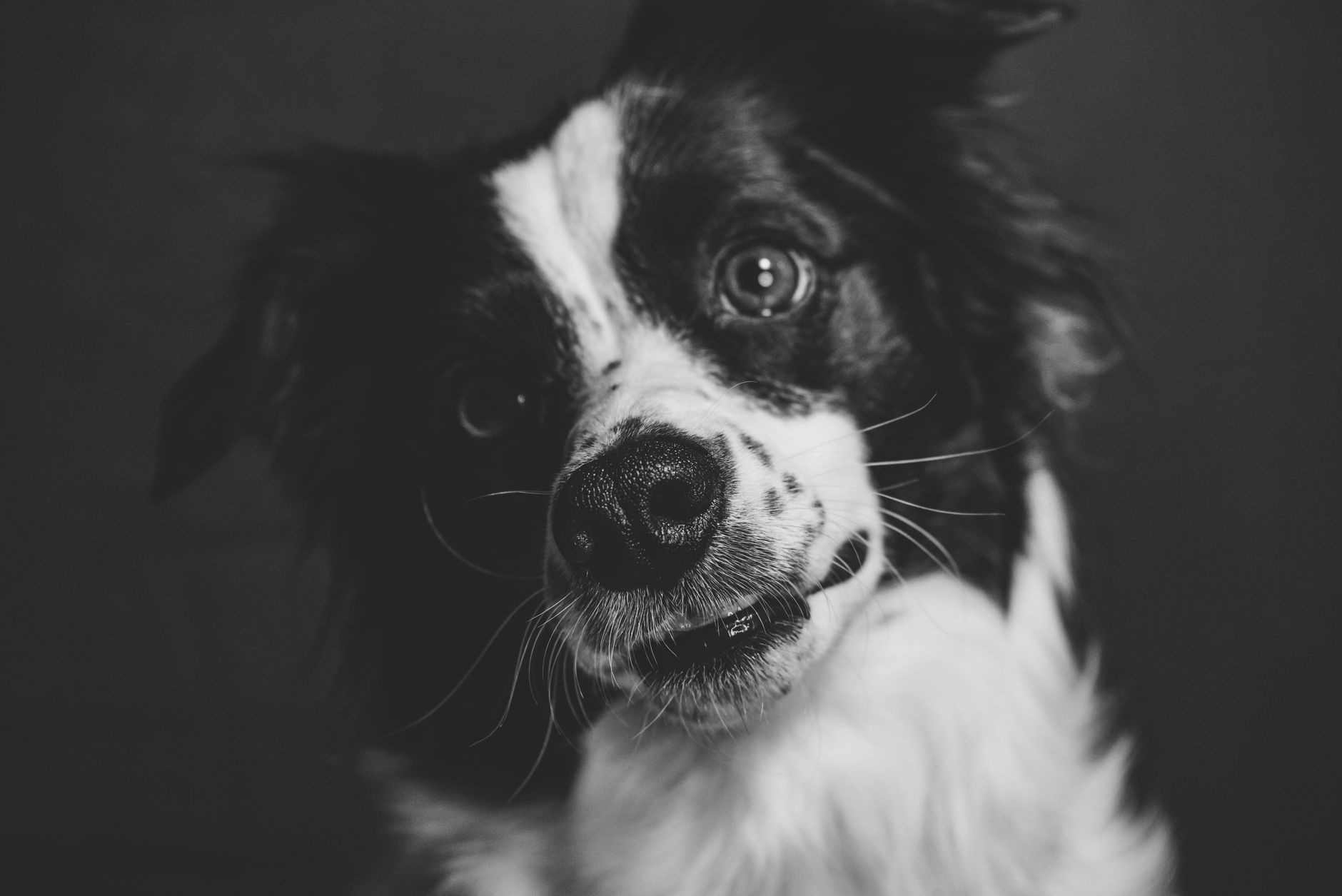
Certain breeds may be more prone to exhibiting this behavior due to their temperament and sensitivity. For example, breeds known for being particularly sensitive or prone to anxiety, such as Border Collies or Shiba Inus, might display appeasement signals more readily. Understanding your dog’s breed characteristics can provide valuable insights into their communication style.
Individual Personality
Finally, it’s important to remember that every dog is an individual with their own unique personality and quirks. Some dogs are simply more sensitive or introverted than others. Just as humans have different communication styles, so do dogs. Pay attention to your dog’s overall body language and behavior to better understand what they are trying to communicate.
Deciphering the Message: A Holistic Approach
Ultimately, understanding why dogs turn away when you talk to them requires careful observation and a holistic approach. Consider the context, your dog’s body language, their past experiences, and their individual personality. By paying attention to these factors, you can gain valuable insights into your canine companion’s communication style and build a stronger, more trusting relationship.
| Factor | Possible Interpretation |
|---|---|
| Tone of Voice | Perceived as threatening, scolding, or overwhelming. |
| Body Language | Perceived as confrontational or aggressive. |
| Environment | Overstimulating with too much noise or activity. |
| Past Experience | Negative associations with being spoken to. |
| Health | Hearing loss, cognitive decline, or other medical conditions. |
| Personality | Naturally shy, sensitive, or introverted. |
Frequently Asked Questions (FAQs)
Why do dogs suddenly start turning away when spoken to?
A sudden change in behavior could indicate a medical issue, such as hearing loss, or it could be a sign that something has changed in the environment or your interactions with the dog that is making them uncomfortable. Monitor their behavior closely and consult with a veterinarian to rule out any underlying health problems.
Is turning away a sign that my dog doesn’t like me?
No, not necessarily. While it could indicate discomfort, it’s more often a sign of appeasement or confusion, rather than dislike. Dogs use this behavior to defuse perceived tension. Continue to build a positive and trusting relationship through positive reinforcement and gentle communication.
How can I tell if my dog is turning away out of appeasement or distraction?
Appeasement signals are often accompanied by other submissive behaviors, such as lip licking, yawning, or showing the whites of their eyes. If your dog is simply distracted, they will likely be focused on something else in the environment and may not exhibit any other appeasement signals.
What should I do if my dog turns away when I’m trying to train them?
If your dog turns away during training, try adjusting your tone of voice and body language to be more positive and encouraging. Break down the training into smaller, more manageable steps and use positive reinforcement techniques. If the behavior persists, consult with a professional dog trainer.
Can certain breeds be more prone to turning away?
Yes, breeds known for being particularly sensitive or anxious, like Border Collies, Shelties, or Shiba Inus, may exhibit this behavior more frequently. This is due to their heightened awareness of social cues and their tendency to be more easily overwhelmed by stress.
Is it possible that my dog doesn’t understand what I’m saying?
Absolutely. Dogs primarily communicate through body language and tone of voice, not the specific words we use. They learn to associate certain words with specific actions or objects, but they don’t understand language in the same way humans do.
How can I improve communication with my dog?
Focus on using clear, consistent body language and tone of voice. Pay attention to your dog’s body language and learn to recognize their signals. Use positive reinforcement techniques and avoid harsh or confrontational language.
What if my dog turns away and also shows other signs of anxiety?
If your dog displays other signs of anxiety, such as trembling, panting, or hiding, it’s important to address the underlying cause of their anxiety. Consult with a veterinarian or a certified dog behaviorist to develop a management plan.
Is there a difference between turning away and ignoring me?
Yes, there is a difference. Turning away, especially when accompanied by other appeasement signals, is often an intentional communication attempt. Ignoring you, on the other hand, may be due to distraction, hearing loss, or simply a lack of interest.
My dog only turns away when I scold them. Is this normal?
Yes, this is a very common and normal response. It’s a clear sign that your dog understands they have done something wrong and is trying to appease you to avoid further punishment.
Can I train my dog not to turn away when I talk to them?
While you may not be able to completely eliminate the behavior, you can certainly reduce its frequency by creating a more positive and less confrontational communication style. Focus on positive reinforcement and avoid harsh scolding.
Should I be concerned if my puppy starts turning away when I talk to them?
Puppies are still learning to interpret human communication, so turning away can be a sign of confusion or overwhelm. Be patient and gentle with your puppy, and focus on building a positive and trusting relationship through positive reinforcement and consistent training.