

What Time of Day Should You Feed Your Cat?
The ideal time to feed your cat depends on their individual needs and your lifestyle, but generally, feeding them twice a day, spaced roughly 12 hours apart, is the most beneficial approach to mimic their natural hunting behavior and maintain a healthy metabolism. This helps manage weight and prevent overeating.
Introduction: Understanding Feline Feeding Habits
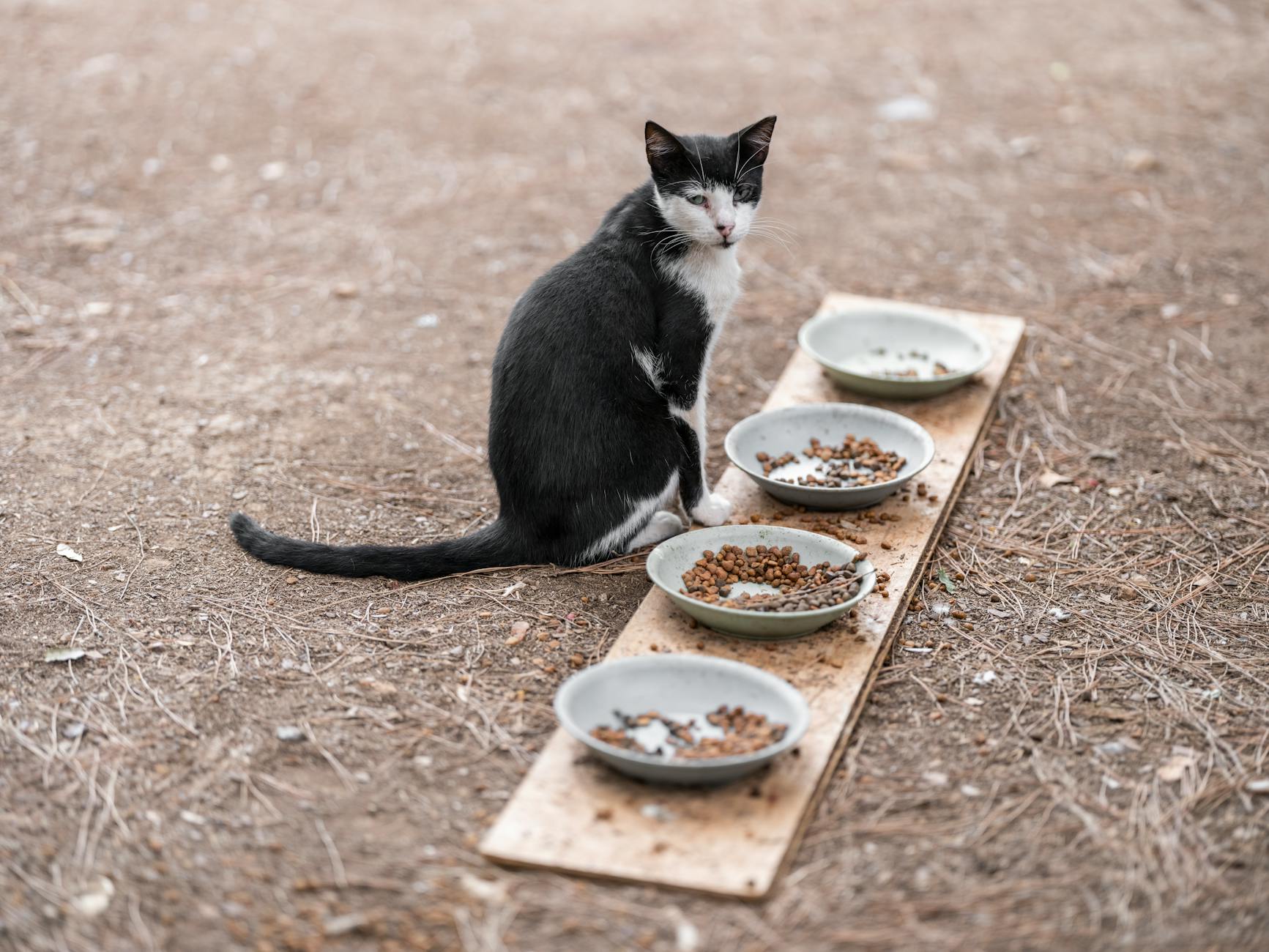
Cats, by nature, are crepuscular animals, meaning they are most active during dawn and dusk. Their digestive systems are also geared toward frequent, small meals. While leaving a bowl of food out all day might seem convenient, it can lead to overeating and obesity. Understanding these natural tendencies is crucial for establishing a healthy and effective feeding schedule. What time of day should you feed your cat? The answer lies in mimicking their natural hunting patterns and creating a routine that supports their well-being.
Why a Consistent Feeding Schedule Matters
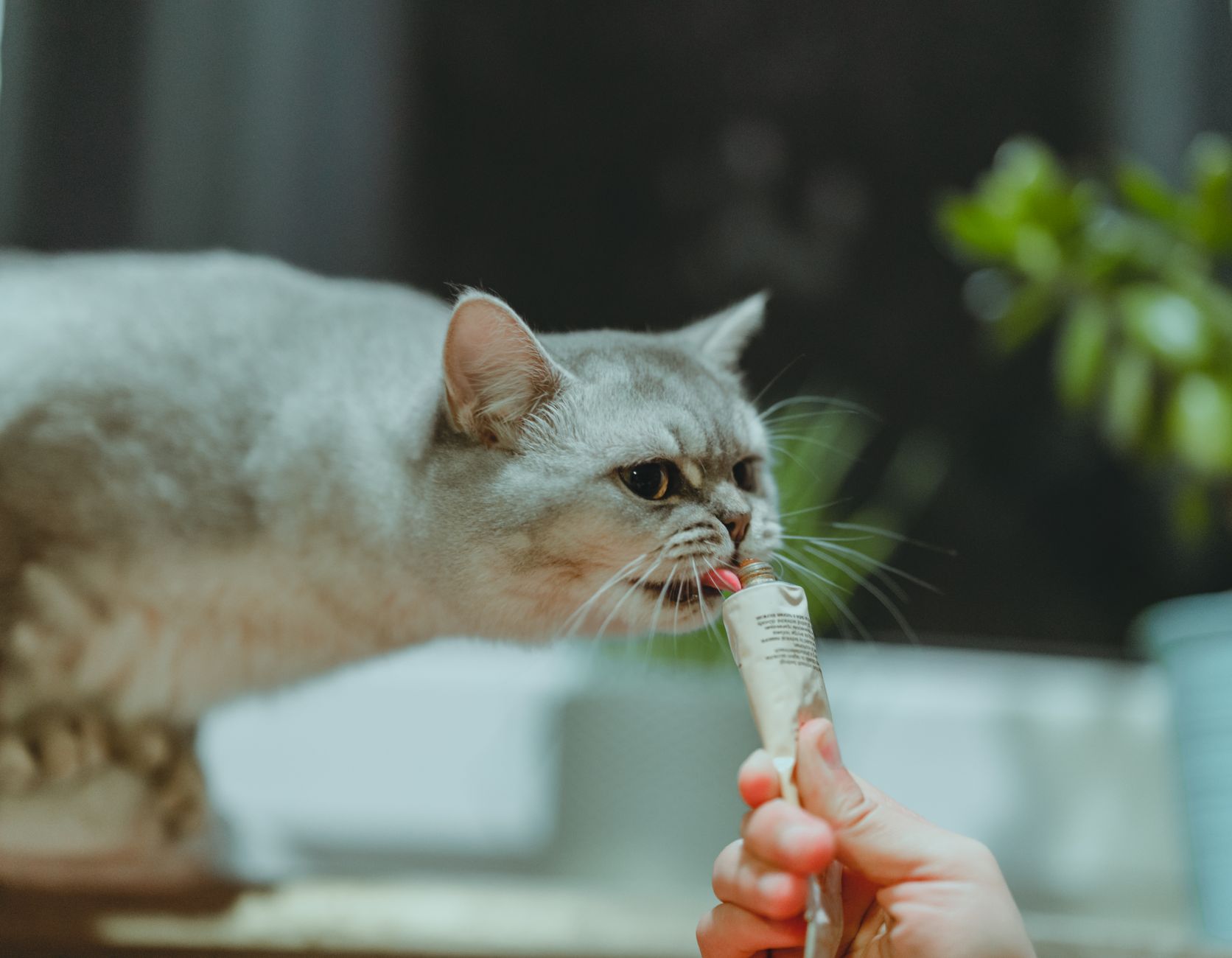
Establishing a regular feeding schedule offers numerous benefits for your feline companion:
- Weight Management: Consistent feeding helps control calorie intake and prevent overeating, reducing the risk of obesity and related health problems.
- Predictability and Security: Cats thrive on routine. A predictable feeding schedule provides a sense of security and reduces anxiety.
- Improved Digestion: Scheduled meals allow the digestive system to function optimally, leading to better nutrient absorption and reduced digestive issues.
- Easier Monitoring of Appetite: A consistent feeding schedule allows you to quickly notice any changes in your cat’s appetite, which could be an early sign of illness.
- Strengthened Bond: Feeding time can be a bonding experience for you and your cat, reinforcing your relationship and creating positive associations.
Determining the Best Feeding Times
The best time to feed your cat ultimately depends on your own schedule and your cat’s habits. However, mimicking their natural feeding patterns is key:
- Morning Feeding: As cats are most active at dawn, feeding them a portion of their daily food in the morning aligns with their natural instincts.
- Evening Feeding: Offering another portion of food in the evening, around dusk, further mimics their hunting behavior and provides them with energy for their evening activities.
- Individual Needs: Consider your cat’s age, activity level, and any health conditions when determining the appropriate portion sizes and feeding times. Kittens, for instance, require more frequent feedings than adult cats.
Types of Cat Food and Their Impact on Feeding Schedules
The type of food you choose can influence your cat’s feeding schedule.
- Dry Food (Kibble): While convenient, dry food can be high in carbohydrates and lower in moisture, which can contribute to weight gain and dehydration if fed exclusively and in excess. Portion control is crucial.
- Wet Food (Canned): Wet food has a higher moisture content and is often lower in carbohydrates, making it a healthier option. It can be more appealing to picky eaters and can help with hydration.
- Raw Food: Raw food diets can be beneficial but require careful planning and preparation to ensure they are nutritionally complete and safe from bacterial contamination. Consult with a veterinarian before switching to a raw food diet.
Choosing the right food, combined with the correct feeding schedule, is the key to optimizing what time of day should you feed your cat?
Potential Problems and How to Avoid Them
Improper feeding schedules can lead to various issues:
- Overeating and Obesity: Leaving food out all day can lead to overeating and weight gain, increasing the risk of diabetes, arthritis, and other health problems.
- Food Aggression: If cats feel they need to compete for food, they may develop aggressive behaviors towards other pets or even humans.
- Picky Eating: Constantly changing food brands or offering too many treats can lead to picky eating habits.
- Begging Behavior: Giving in to begging behavior reinforces it, leading to persistent demands for food.
Table: Common Feeding Problems and Solutions
| Problem | Solution |
|---|---|
| Overeating | Implement portion control, schedule feedings, use puzzle feeders. |
| Food Aggression | Feed cats separately, provide individual bowls, avoid free-feeding. |
| Picky Eating | Stick to a consistent food brand, avoid excessive treats, offer food at set times. |
| Begging Behavior | Ignore begging, avoid giving in to demands, offer attention instead of food. |
Transitioning to a Scheduled Feeding Routine
If you’re currently free-feeding your cat, transitioning to a scheduled feeding routine might require some patience:
- Gradual Adjustment: Gradually reduce the amount of food left out all day and introduce scheduled feeding times.
- Portion Control: Measure out the appropriate portion size based on your cat’s weight and activity level.
- Consistency: Stick to the feeding schedule as much as possible, even on weekends and holidays.
- Ignore Begging: Resist the urge to give in to begging behavior, as this will only reinforce it.

FAQs: Your Cat Feeding Questions Answered
What is the ideal number of meals per day for a cat?
Generally, twice a day is the most beneficial feeding schedule for adult cats. This mimics their natural hunting patterns and helps maintain a healthy metabolism. Kittens require more frequent feedings, typically three to four times a day.
How much food should I give my cat at each meal?
The amount of food depends on your cat’s weight, age, activity level, and the type of food you’re feeding. Consult the food label for recommended feeding guidelines and adjust as needed based on your cat’s body condition. Your veterinarian can also offer personalized recommendations.
Is it okay to leave dry food out all day for my cat to graze on?
Leaving dry food out all day (free-feeding) is generally not recommended. It can lead to overeating, weight gain, and increased risk of health problems. Scheduled feedings are a healthier option.
Can I feed my cat human food?
Some human foods are safe for cats in small quantities, but many are toxic. Avoid giving your cat chocolate, onions, garlic, grapes, raisins, and other harmful foods. If you’re unsure, consult your veterinarian.
My cat begs for food constantly. What should I do?
Ignore begging behavior and avoid giving in to your cat’s demands. Ensure you’re providing adequate food at scheduled feeding times and offer attention and playtime instead of food.
Should I feed my cat wet food or dry food?
Both wet and dry food have their benefits. Wet food is higher in moisture and lower in carbohydrates, while dry food is more convenient. A combination of both can be a good option. Ultimately, the best choice depends on your cat’s individual needs and preferences.
What are puzzle feeders, and how can they help?
Puzzle feeders are interactive toys that require cats to work for their food. They can help slow down eating, prevent boredom, and provide mental stimulation. They also provide an enriching alternative to simply placing food in a bowl.
How do I switch my cat to a new food?
Gradually introduce the new food over a period of 7-10 days, mixing it with the old food. Start with a small amount of the new food and gradually increase the proportion until your cat is eating only the new food.
What if my cat doesn’t finish their food at mealtime?
If your cat consistently leaves food uneaten, reduce the portion size at the next feeding. Monitor their weight and body condition to ensure they are getting enough nutrients. If the problem persists, consult your veterinarian.
Can I feed my cat a vegetarian or vegan diet?
Cats are obligate carnivores, meaning they require nutrients found only in animal sources. Feeding them a vegetarian or vegan diet can lead to serious health problems. It’s not recommended.
How can I tell if my cat is overweight?
You should be able to feel your cat’s ribs easily with a slight layer of fat. They should also have a visible waist when viewed from above. If you’re unsure, your veterinarian can help you assess your cat’s body condition score.
Is it okay to give my cat treats?
Treats can be a fun way to bond with your cat, but they should be given in moderation and shouldn’t make up more than 10% of their daily calorie intake. Choose healthy treats and avoid giving them too frequently.