

Why Do Dogs Roll in Feces? Unveiling the Evolutionary and Behavioral Roots
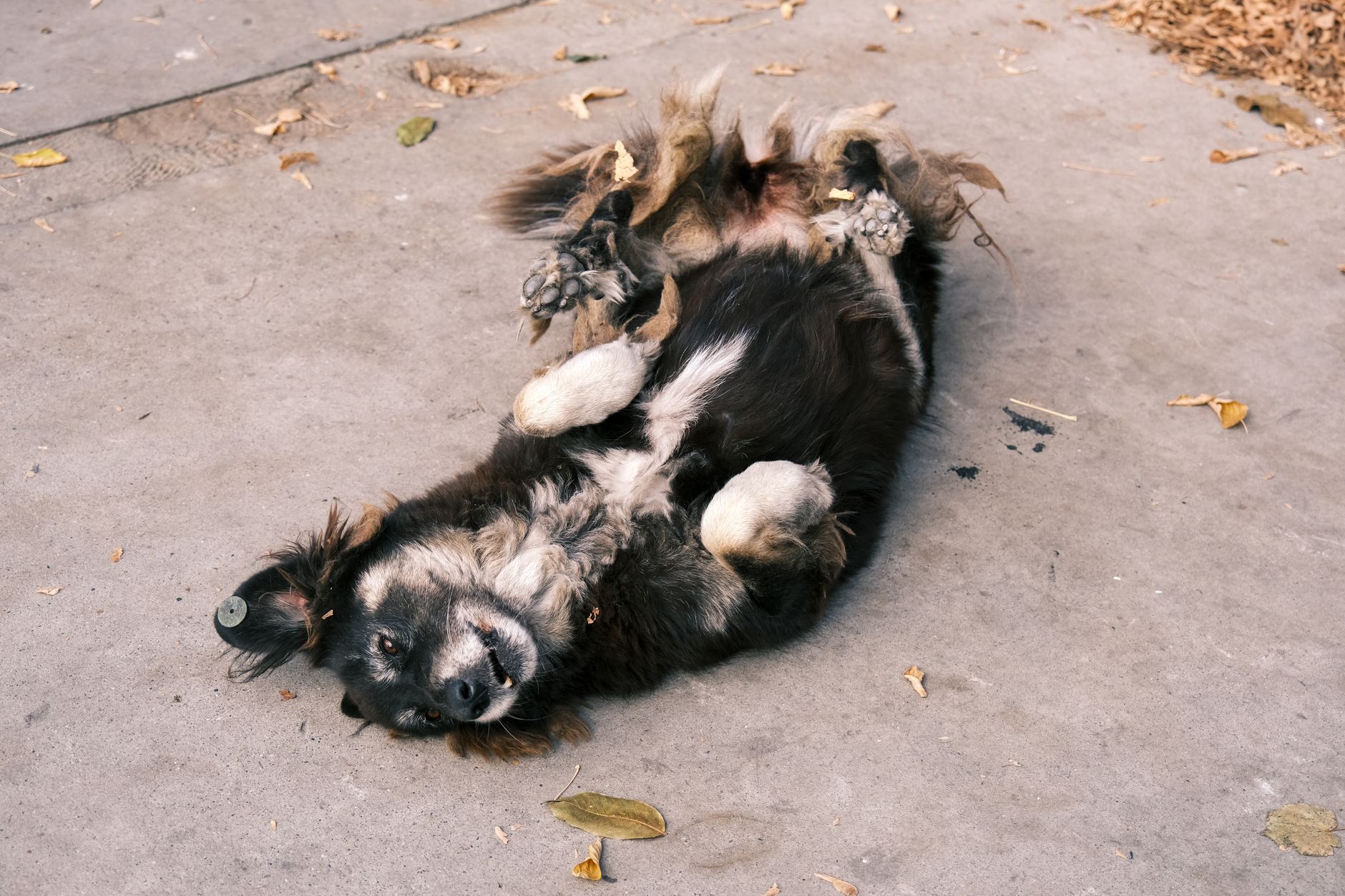
Dogs roll in feces – and other pungent substances – primarily to mask their own scent for hunting or social communication, acting as an evolutionary adaptation to enhance survival and relay information within their pack.

The Mysterious Behavior: An Introduction
The sight of a beloved canine joyfully covering itself in something decidedly unpleasant is often met with a mixture of disgust and bewilderment by pet owners. But this behavior, seemingly repulsive to us, is deeply rooted in canine history and serves several crucial purposes for dogs. Understanding why do dogs roll in feces? requires us to delve into their evolutionary past, examine their unique olfactory senses, and consider their social interactions. It’s more than just a gross habit; it’s a window into the complex world of canine behavior.
What colours are fish most attracted to?
Can you put your finger in a trout's mouth?
Is methylene blue anti bacterial?
Does aquarium salt raise pH in aquarium?
Evolutionary Roots and Scent Masking
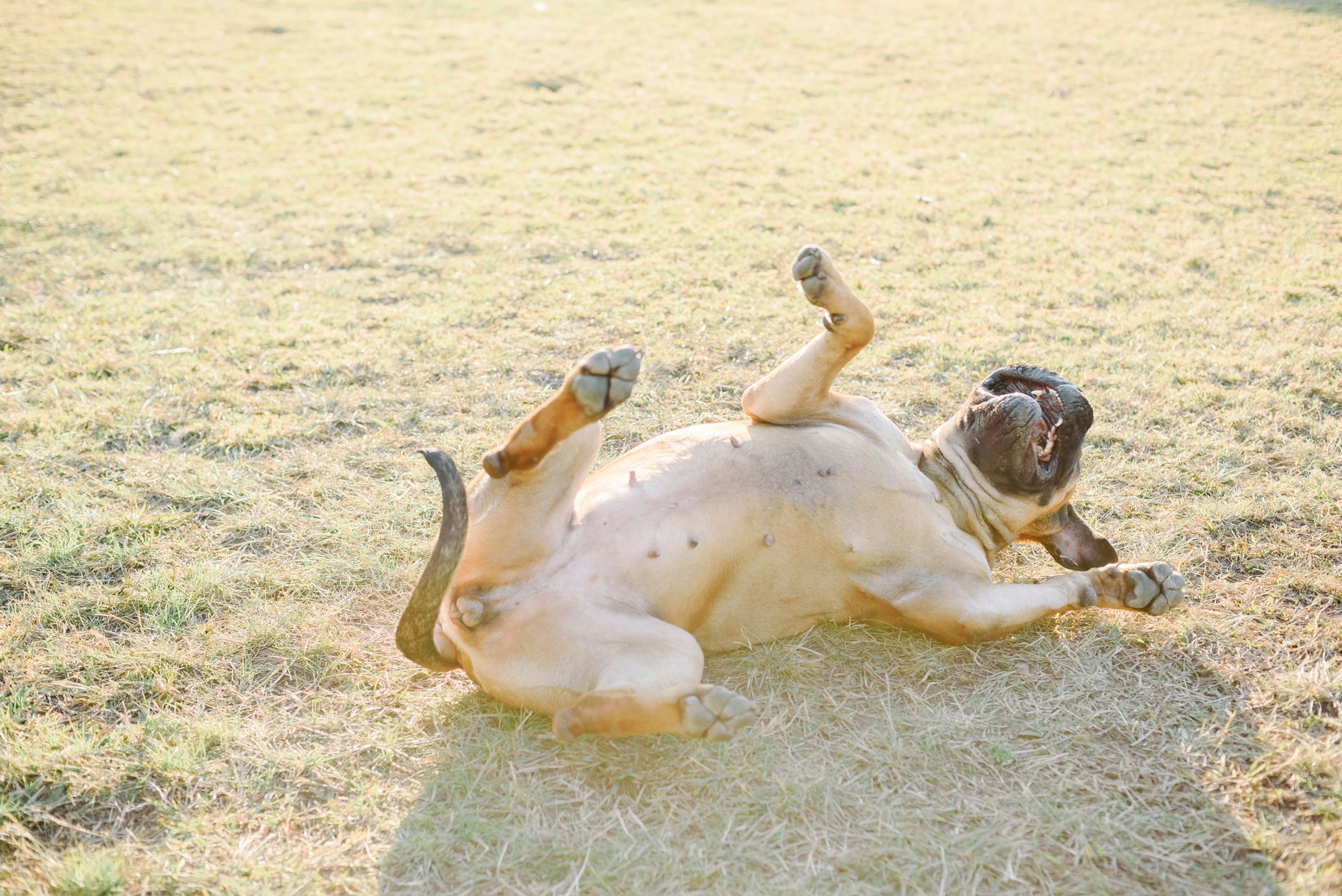
The prevailing theory behind this behavior centers on the idea of scent masking. In the wild, a dog’s survival depended on its ability to hunt effectively. A strong natural odor could alert prey to its presence, ruining a potential hunt. Therefore, by rolling in feces, carrion, or other strong-smelling substances, dogs could mask their own scent, making it easier to approach prey undetected.
- Prey Camouflage: A lower detectable scent profile aids in stealth hunting.
- Predator Avoidance: Possibly used to confuse or deter larger predators, although evidence is limited.
Olfactory Overload: The Canine Nose Knows
Dogs possess an extraordinary sense of smell, far superior to that of humans. They have hundreds of millions of olfactory receptors, compared to our mere millions. This acute sense allows them to detect subtle changes in scent and differentiate between a vast array of odors. For a dog, the world is primarily experienced through scent. Therefore, what we perceive as disgusting, they may perceive as information-rich and potentially valuable.
Social Signaling and Communication
Beyond hunting, rolling in feces may also serve a social function. Some researchers believe that dogs roll in strong-smelling substances to bring information back to their pack. By transferring the scent onto themselves, they essentially carry a “message” about what they’ve found, be it a food source, a potential rival, or simply an interesting scent.
Consider the following comparison:
| Feature | Human Communication | Canine Communication |
|---|---|---|
| Primary Sense | Sight/Hearing | Smell |
| Information | Visual/Auditory Signals | Olfactory Signals |
| Message Carrier | Words/Expressions | Scent |
Modern Dogs, Ancient Instincts
While our domesticated dogs no longer rely on hunting for survival, their instincts remain largely intact. Even dogs who have never had to hunt may exhibit the behavior of rolling in feces, a testament to the power of their evolutionary programming. Furthermore, boredom or attention-seeking can sometimes trigger this behavior. If a dog knows that rolling in something smelly will elicit a strong reaction from its owner, it may repeat the behavior, even if the reaction is negative.
Discouraging the Behavior
Discouraging a dog from rolling in feces can be challenging, but it is achievable. Consistent training, a strong recall command, and preventing access to potential “rolling spots” are crucial. When you see your dog approaching something suspicious, use a firm “Leave it” command. If your dog complies, reward them immediately with praise and a treat. Regular grooming can also help minimize the attraction of odors that might encourage rolling.
Common Mistakes Owners Make
Owners frequently reinforce this behavior unwittingly:
- Chasing the Dog: Turning the incident into a game.
- Scolding After the Fact: The dog won’t connect the scolding with the earlier action.
- Inconsistent Training: Allowing the behavior sometimes but not others.
Frequently Asked Questions (FAQs)
Why do dogs roll in feces, even if it’s their own?
Dogs often roll in feces, including their own, because of the strong scent and the instinct to mask their own odor or to bring the scent back to their pack. The origin of the feces doesn’t matter as much as the potency and information contained within the scent itself.
Is there a specific type of feces dogs prefer to roll in?
While preferences can vary, dogs often seem drawn to feces from other animals, particularly those with a strong, pungent odor. Scat from herbivores, like horses or deer, often contains undigested plant matter that dogs find appealing.
Does rolling in feces indicate a nutritional deficiency in dogs?
While coprophagy (eating feces) can sometimes indicate a nutritional deficiency or digestive issue, rolling in feces is a separate behavior driven primarily by instinct and scent-related factors and is not directly linked to nutritional deficiencies.
How can I stop my dog from rolling in feces?
The best approach is prevention through consistent training and management. Teach a strong recall command, keep your dog on a leash in areas where feces are likely to be present, and provide plenty of mental and physical stimulation to prevent boredom.
Is rolling in feces harmful to my dog’s health?
Yes, rolling in feces can expose your dog to parasites, bacteria, and other pathogens. Regular deworming and bathing after potential exposures are essential to maintaining your dog’s health.
Do all dogs roll in feces?
No, not all dogs exhibit this behavior. Some dogs are simply less inclined to roll in smelly substances than others. Individual temperament, breed, and training all play a role.
Does neutering or spaying affect rolling behavior?
There’s no direct link between neutering/spaying and rolling behavior. While altering may influence certain hormone-driven behaviors, rolling is primarily driven by instinct and olfactory curiosity.
Should I punish my dog for rolling in feces?
Punishment is generally ineffective and can even damage your relationship with your dog. Focus on positive reinforcement and prevention. If you catch your dog in the act, use a firm “Leave it” command and reward them for complying.
Why do dogs roll in dead animals?
The reasons are similar to why they roll in feces: to mask their scent, bring information back to the pack, or simply because they find the scent intriguing. This behavior stems from their scavenging ancestry.
Is there a breed more prone to rolling in feces?
While individual variation exists, certain breeds known for their strong hunting instincts and keen sense of smell, such as hounds and terriers, might be slightly more prone to this behavior.
When should I consult a veterinarian about my dog’s rolling behavior?
If the behavior is sudden, excessive, or accompanied by other unusual symptoms (such as excessive licking, skin irritation, or changes in appetite), consulting your veterinarian is always recommended to rule out any underlying medical conditions.
Does rolling in feces indicate a behavioral problem?
In most cases, rolling in feces is a normal canine behavior rooted in instinct. However, if it becomes compulsive or is accompanied by other concerning behaviors, consulting a veterinary behaviorist may be beneficial.