
Why Do Dogs Nuzzle Your Face? A Deep Dive into Canine Affection
Dogs nuzzle your face for a variety of reasons, primarily to express affection, seek attention, gather information, and sometimes even because they’re feeling anxious or seeking comfort. This comprehensive guide explores the fascinating reasons behind this common and endearing canine behavior, ensuring you understand why do dogs nuzzle your face.

The Endearing Nuzzle: More Than Just a Kiss
The dog nuzzle is a common behavior that owners often interpret as affection, and while that’s frequently the case, the reasons behind it are surprisingly varied and complex. Understanding these motivations allows for a deeper connection with your canine companion and provides insights into their emotional state.

What colours are fish most attracted to?
Can you put your finger in a trout's mouth?
Is methylene blue anti bacterial?
Does aquarium salt raise pH in aquarium?
The Sensory World of the Dog

Dogs perceive the world through a vastly different lens than humans. While vision is important, their primary sense is olfaction, or smell. Nuzzling allows a dog to get a close-up “sniff investigation” of your face, gathering information about your emotional state, your recent activities, and even your health.
- Smell as Information: Dogs can detect subtle changes in your scent that indicate stress, illness, or even pregnancy.
- Facial Recognition: Nuzzling helps them differentiate between familiar and unfamiliar faces.
- Scent Marking: Dogs also deposit their own scent on your face through their muzzle, marking you as part of their “pack.”
Decoding the Nuzzle: Affection and Attention
While scent investigation is a significant factor, the most common reason why do dogs nuzzle your face is simple affection. A gentle nuzzle is often a sign of love, comfort, and a desire for connection. It’s their way of saying, “I love you” in their own canine language.
- Affectionate Greeting: Many dogs will nuzzle your face upon your arrival home, expressing their joy at your return.
- Seeking Comfort: When feeling anxious or stressed, a dog may nuzzle your face for reassurance and comfort.
- Attention-Seeking Behavior: Dogs quickly learn that nuzzling often results in attention, petting, or verbal praise.
The Evolutionary Roots of Nuzzling
Nuzzling is a behavior deeply rooted in canine ancestry. Wolves and wild dogs nuzzle their pack members for various reasons, including:
- Social Bonding: Nuzzling reinforces social bonds and strengthens the pack hierarchy.
- Requesting Food: Puppies often nuzzle their mothers to stimulate milk production and receive nourishment. This behavior may persist into adulthood as a way of seeking care or attention.
- Dominance Display: In some cases, nuzzling can be a subtle display of dominance, particularly if accompanied by other dominant behaviors like standing over you.
Understanding Breed Differences
While nuzzling is a common behavior across breeds, certain breeds may be more prone to it than others. For example:
- Labrador Retrievers: Known for their affectionate and people-pleasing nature, Labradors often nuzzle to express their love and seek attention.
- Golden Retrievers: Similar to Labradors, Golden Retrievers are typically very affectionate and enjoy physical contact, including nuzzling.
- Cavalier King Charles Spaniels: These small dogs are bred for companionship and often nuzzle as a way of staying close to their owners.
However, it’s crucial to remember that individual personality plays a significant role. Every dog is unique, and their behavior will be influenced by their individual temperament, training, and experiences.
When Nuzzling Becomes Problematic
While most nuzzling is harmless and endearing, there are instances where it can become problematic.
- Excessive Nuzzling: If your dog is constantly nuzzling, it may indicate underlying anxiety or a compulsive behavior.
- Aggressive Nuzzling: If the nuzzling is accompanied by growling, snapping, or other aggressive behaviors, it could be a sign of dominance aggression or resource guarding.
- Allergic Reactions: Frequent nuzzling can exacerbate allergies in some individuals.
If you’re concerned about your dog’s nuzzling behavior, it’s always best to consult with a veterinarian or a certified dog trainer.
Managing Nuzzling Behavior
Whether you want to encourage or discourage nuzzling, there are several strategies you can employ:
- Positive Reinforcement: If you enjoy the nuzzling, reward your dog with praise, petting, or treats when they nuzzle you gently.
- Redirection: If you don’t want your dog to nuzzle you at a particular time, redirect their attention with a toy or a command.
- Ignoring: If the nuzzling is attention-seeking, try ignoring the behavior. This can help discourage them from nuzzling in the future.
- Professional Help: If the nuzzling is excessive or aggressive, seek professional help from a veterinarian or a certified dog trainer.
Table Comparing Nuzzling Behaviors
| Behavior | Motivation | Potential Issues | Management Strategies |
|---|---|---|---|
| Gentle Nuzzling | Affection, Seeking Attention, Comfort | None, unless bothersome to owner | Positive Reinforcement, Enjoy the interaction |
| Excessive Nuzzling | Anxiety, Compulsive Behavior, Attention-Seeking | Can be disruptive or indicate underlying issues | Redirection, Ignoring, Professional Help |
| Aggressive Nuzzling | Dominance Aggression, Resource Guarding | Potentially dangerous, requires immediate action | Professional Help, Behavior Modification, Management |
Frequently Asked Questions (FAQs)
Why does my dog nuzzle me when I’m sad?
Dogs are incredibly sensitive to human emotions. They can often detect changes in your body language, facial expressions, and scent that indicate sadness or distress. When you’re feeling down, your dog may nuzzle you as a way of offering comfort and support. They are essentially trying to make you feel better in the way they know best.
Is dog nuzzling a sign of dominance?
While nuzzling is often a sign of affection and connection, it can, in some cases, be a subtle display of dominance, particularly if it’s accompanied by other dominant behaviors such as standing over you or pushing you with their head. It’s important to consider the context of the behavior and your dog’s overall body language to determine the underlying motivation.
Why does my dog nuzzle my face after I shower?
The clean scent of soap and shampoo is very interesting to a dog. They are likely trying to re-establish your scent as belonging to their “pack” by depositing their own scent on you after you’ve washed it away.
My dog only nuzzles my face at night. Why?
Nuzzling at night is often a comfort-seeking behavior. Your dog may be feeling more vulnerable or insecure at night and may nuzzle you for reassurance and a sense of security. They may also be seeking warmth and physical contact.
Is it safe to let my dog nuzzle my face?
Generally, it’s safe to let your dog nuzzle your face, but it’s important to maintain good hygiene. Ensure your dog is regularly vaccinated and dewormed. If you have any open wounds or sores on your face, it’s best to avoid nuzzling to prevent infection. Also, consider any allergies that might be aggravated by close contact with your dog.
Why does my dog sometimes lick me after nuzzling?
Licking and nuzzling are often complementary behaviors in dogs. Licking can be a sign of affection, submission, or a way of gathering information. It often follows nuzzling as a way of further reinforcing the bond and exploring your scent.
Can I teach my dog to nuzzle on command?
Yes, you can teach your dog to nuzzle on command using positive reinforcement techniques. Start by rewarding your dog when they naturally nuzzle you. Over time, you can introduce a verbal cue, such as “nuzzle,” and reward them only when they nuzzle you after you give the cue.
What if I don’t like my dog nuzzling my face?
It’s perfectly okay if you don’t enjoy your dog nuzzling your face. The key is to communicate your preferences to your dog in a clear and consistent manner. Redirect their attention with a toy or a command, or simply move away. Avoid punishing them, as this can damage your relationship.
Why do puppies nuzzle so much?
Puppies nuzzle their mothers to stimulate milk production and seek warmth and comfort. This behavior is deeply ingrained in their instincts. As they grow older, they may continue to nuzzle as a way of seeking attention and affection from their human caregivers.
Is nuzzling the same as head pressing?
No, nuzzling and head pressing are distinctly different behaviors. Head pressing involves compulsively pressing the head against a wall or other object. It’s a serious symptom that can indicate a neurological problem and requires immediate veterinary attention. Nuzzling, on the other hand, is a normal and often affectionate behavior.
Does my dog’s breed affect how much they nuzzle?
While some breeds are generally more affectionate and prone to nuzzling, individual personality plays a bigger role. However, breeds like Golden Retrievers, Labrador Retrievers, and Cavalier King Charles Spaniels are often known for their affectionate natures and tendency to nuzzle.
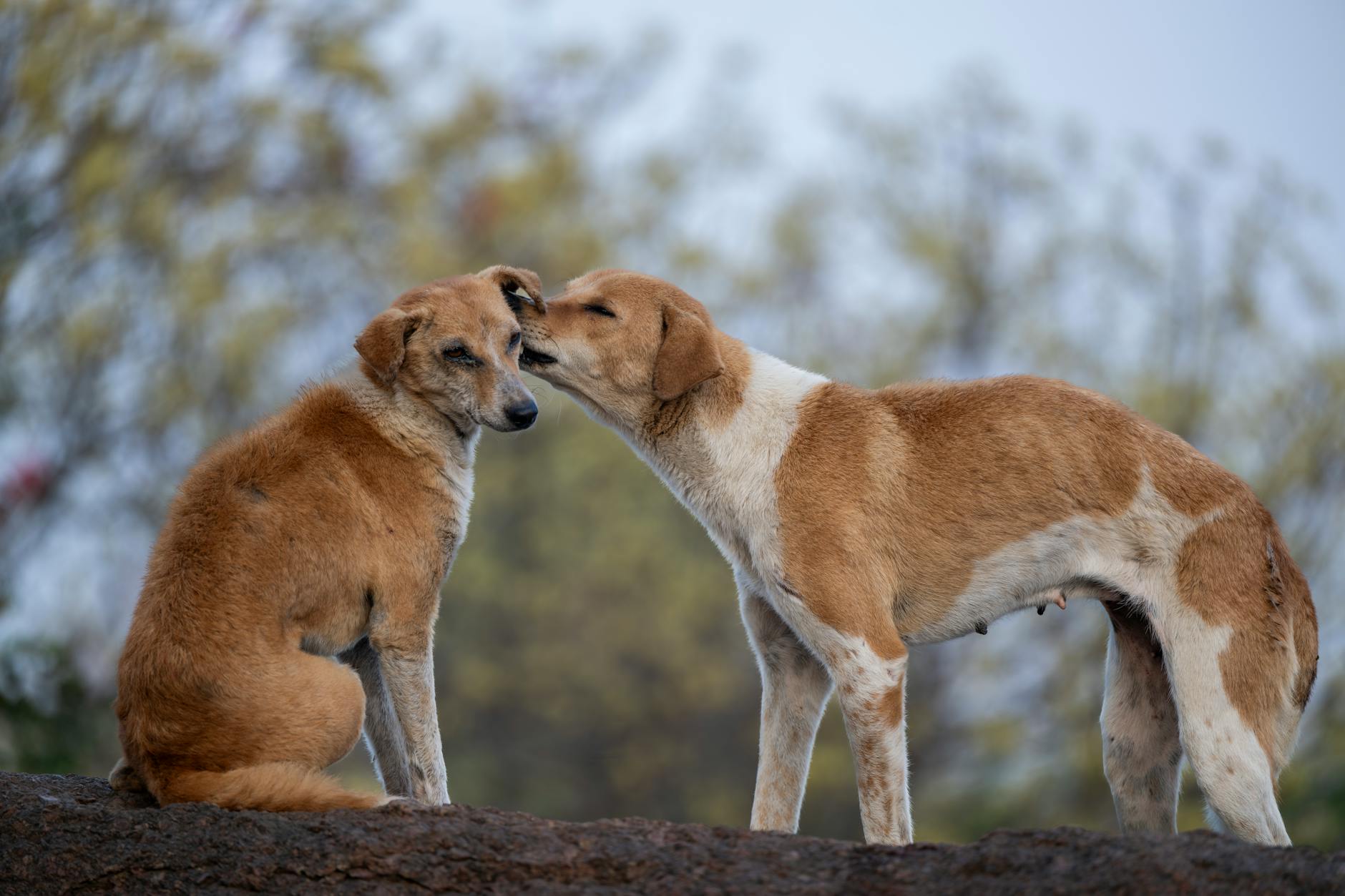
Why do dogs nuzzle other dogs’ faces?
Nuzzling between dogs can serve several purposes, including establishing social hierarchy, expressing affection, or seeking information. It’s a way for them to communicate and interact within their social group. The specific meaning of the nuzzle will depend on the context and the relationship between the dogs.