
Why Do Dogs Lick Humans? A Deep Dive into Canine Communication
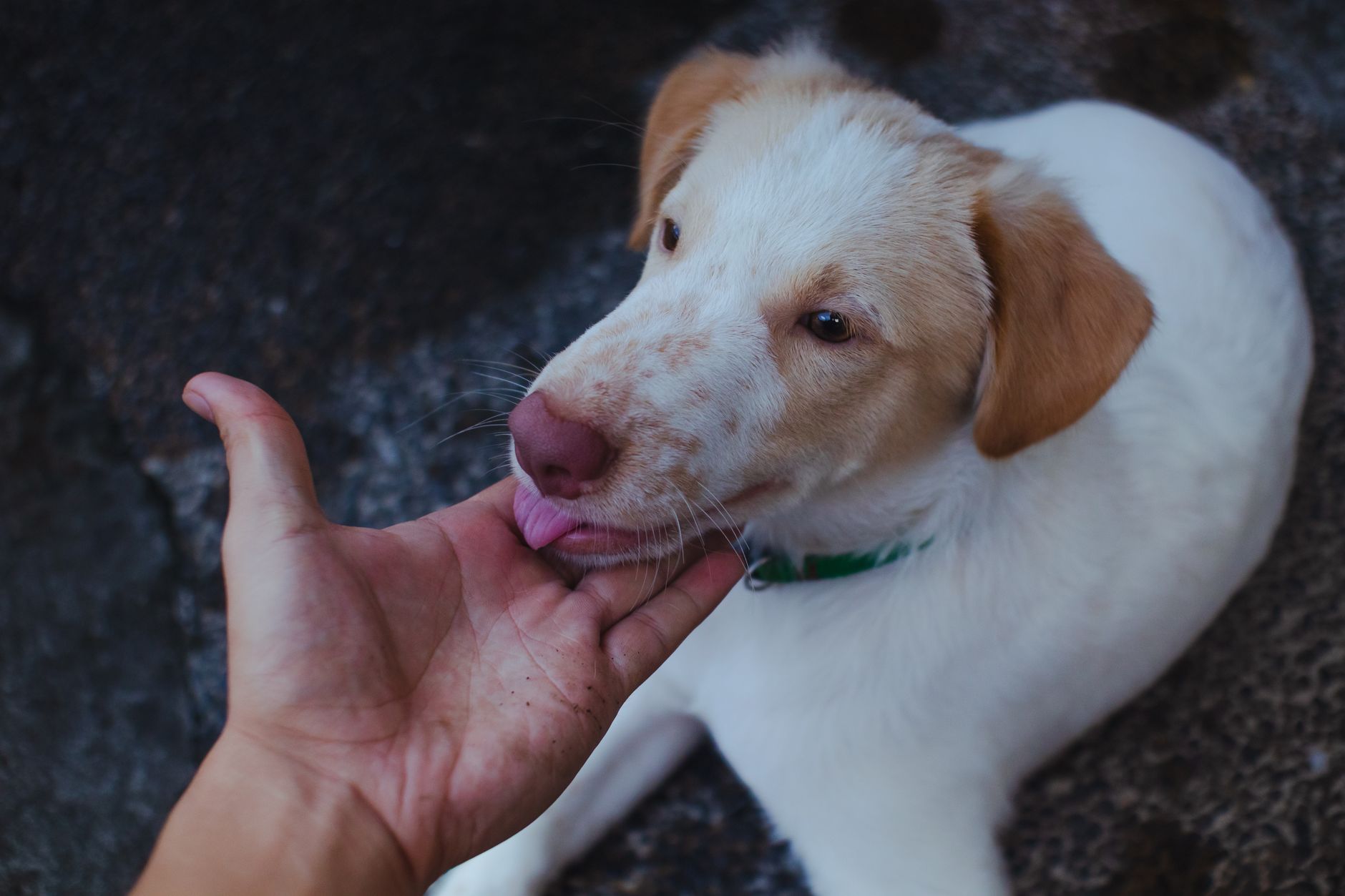
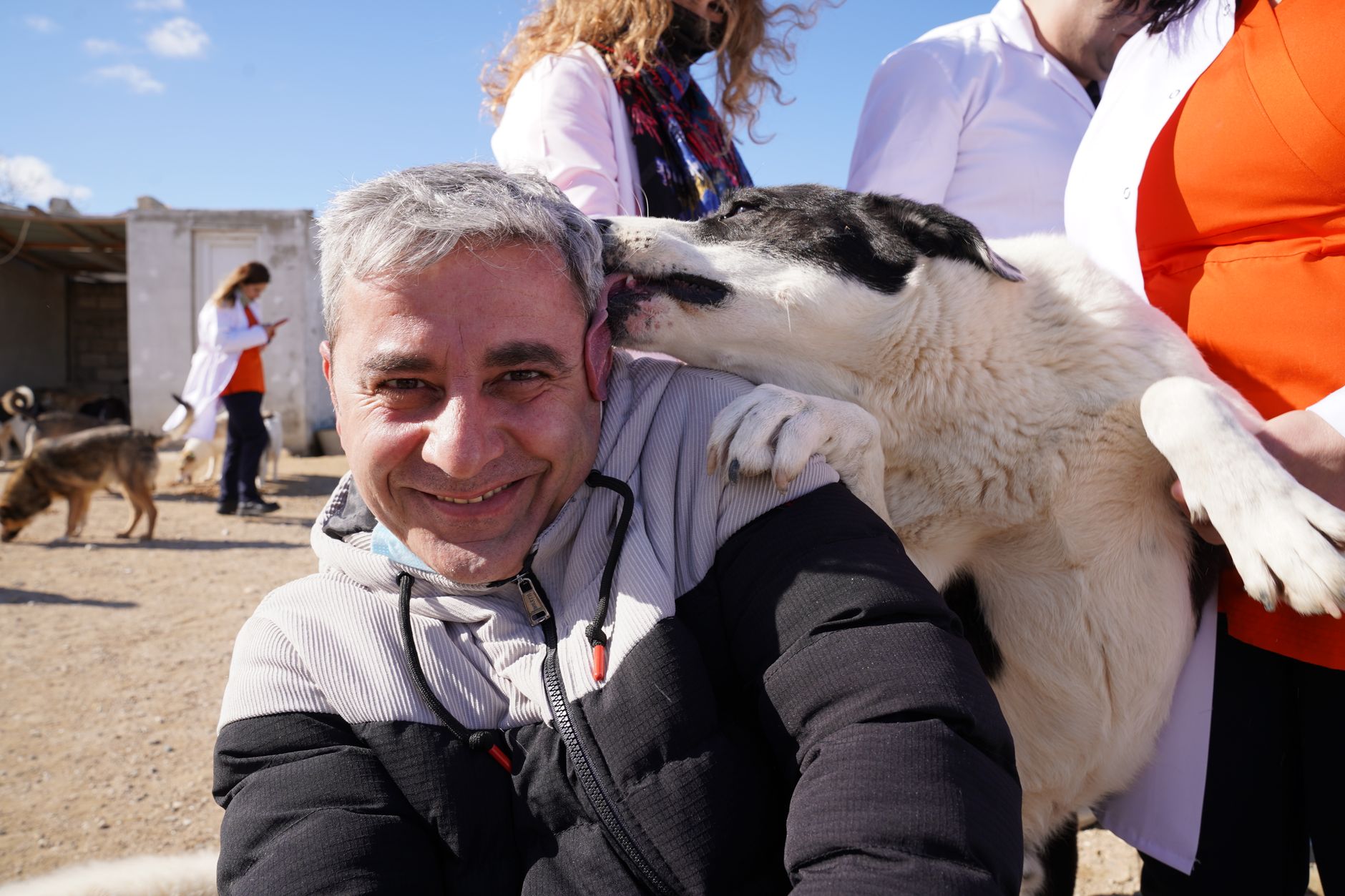
Why do dogs lick humans? is a question that has intrigued pet owners for generations. Dogs lick humans for a variety of reasons, ranging from affection and communication to taste and exploration, driven by a complex interplay of instinct, learned behavior, and social bonding.
Understanding the Licking Instinct: A Brief History
The behavior of licking is deeply ingrained in a dog’s DNA. This instinct stems from their ancestral wolf origins and continues to play a vital role in canine communication and social structure.
- Early Puppyhood: Licking is crucial for newborn pups. Mothers lick their puppies to stimulate breathing, encourage elimination, and clean them. This early association establishes licking as a source of comfort and care.
- Weaning and Food Acquisition: Licking can also be related to food. In the wild, pups would lick their mother’s face to encourage her to regurgitate food. While domesticated dogs rarely rely on this method, the instinct remains.
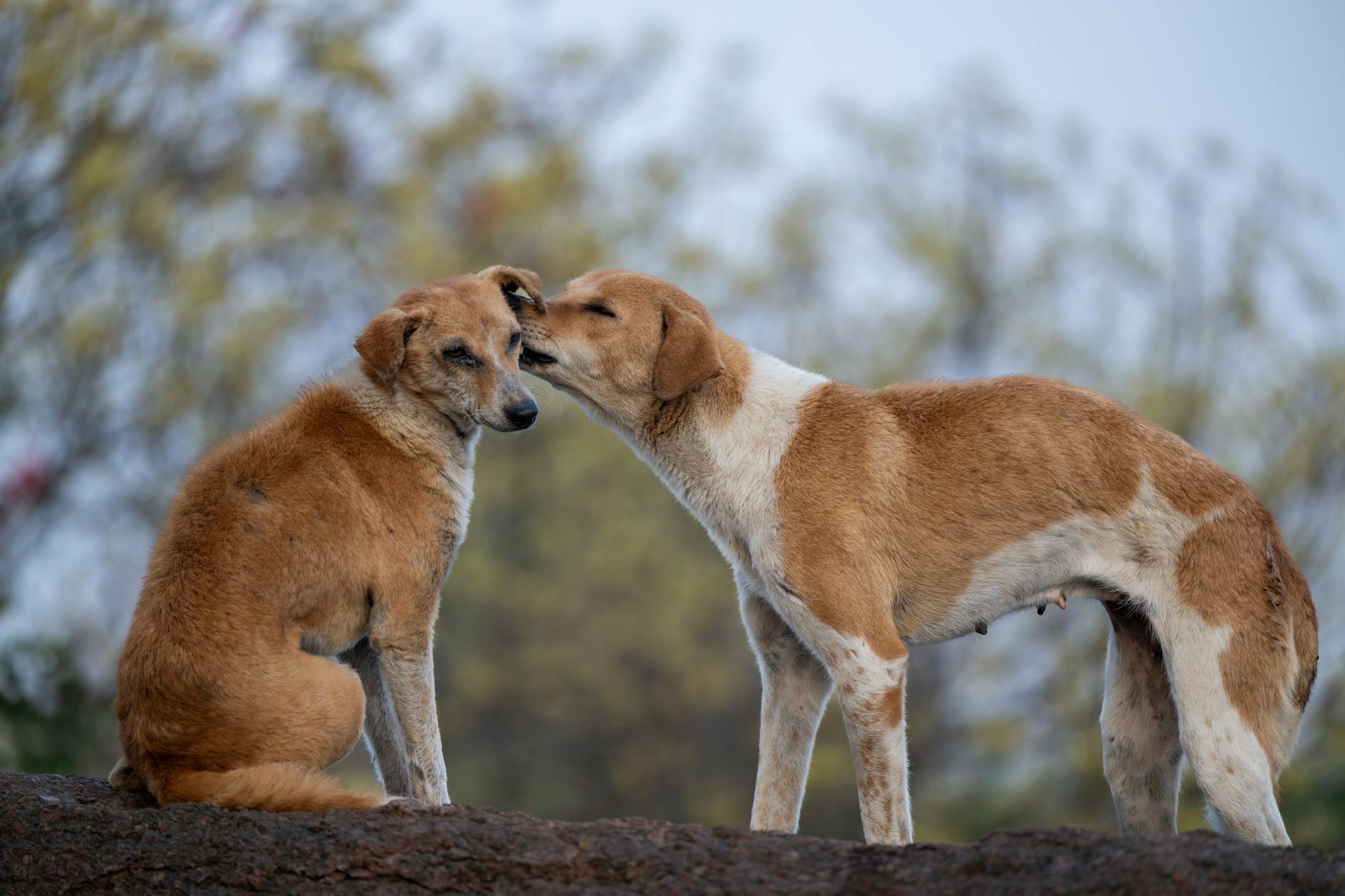
- Social Hierarchy: Licking is also used to establish and maintain social bonds. Subordinate dogs will often lick dominant dogs as a sign of respect and deference.
What colours are fish most attracted to?
Can you put your finger in a trout's mouth?
Is methylene blue anti bacterial?
Does aquarium salt raise pH in aquarium?
The Myriad Reasons Behind Licking: Beyond Simple Affection

While affection is often the first explanation that comes to mind, the reasons why do dogs lick humans? are far more nuanced. Understanding these motivations allows us to better interpret our dogs’ behavior and strengthen our bond with them.
- Affection and Bonding: This is perhaps the most common and readily accepted explanation. Licking releases endorphins in the dog’s brain, creating a feeling of pleasure and strengthening the bond between dog and human.
- Attention-Seeking: Dogs are intelligent and quickly learn which behaviors elicit a response. If a dog licks you and receives attention (positive or negative), they are likely to repeat the behavior.
- Taste and Exploration: Humans taste good to dogs. Our skin contains sweat, salts, and lotions that can be appealing. Licking allows dogs to explore the world through taste.
- Communication: Licking can be a way for dogs to communicate needs or feelings. They might lick to signal hunger, stress, or discomfort.
- Showing Submission: Licking can be a sign of appeasement. Similar to licking a dominant dog, a dog might lick a human to show that they are not a threat.
- Anxiety or Stress: Excessive licking can indicate underlying anxiety or stress. If a dog suddenly starts licking more frequently, it’s important to consider potential stressors in their environment.
Decoding the Lick: Context is Key
Interpreting the meaning behind a dog’s lick requires careful observation of the context in which it occurs.
- Body Language: Pay attention to the dog’s overall body language. Is the dog relaxed and wagging its tail, or are they tense and panting?
- Environment: Consider the surrounding environment. Is there a new person or animal present? Is there a loud noise or other potential stressor?
- Frequency and Intensity: Note the frequency and intensity of the licking. Is it a quick, gentle lick, or a prolonged, persistent licking?
Addressing Excessive Licking: When It Becomes a Problem
While licking is generally normal, excessive licking can be a sign of an underlying issue.
- Consult a Veterinarian: Rule out any medical causes. Some medical conditions, such as allergies or skin irritations, can cause excessive licking.
- Identify and Address Stressors: Determine if there are any environmental stressors that might be causing anxiety. Reduce or eliminate these stressors whenever possible.
- Redirect the Behavior: If the licking is attention-seeking, redirect the dog’s attention to a different activity. Offer a toy or engage in a training session.
- Consult a Behaviorist: If the licking is severe or persistent, consult a certified dog behaviorist. They can help identify the underlying cause and develop a behavior modification plan.
Benefits of Dog Licks: Beyond the Yuck Factor
Believe it or not, there can be some benefits to those doggy kisses.
- Immune System Exposure (Maybe): There’s a theory that exposure to the bacteria in a dog’s saliva might boost the human immune system, but more research is needed to confirm this.
- Affection and Bonding (Again): It reinforces the bond between you and your dog, solidifying your relationship.
Addressing Common Misconceptions
Many myths surround the behavior of why do dogs lick humans? Let’s debunk a few.
- Myth: Dog saliva is antiseptic. While dog saliva contains some antibacterial properties, it’s not a substitute for proper wound care.
- Myth: Dogs lick to show dominance. While licking can be a sign of submission, it’s not always related to dominance.
- Myth: All dogs lick for the same reason. As we’ve seen, there are many reasons why dogs lick, and the motivation can vary from dog to dog.
Comparative Table of Licking Reasons
| Reason | Description | Accompanying Behaviors |
|---|---|---|
| Affection | Shows love and strengthens bonds | Tail wagging, relaxed body posture, gentle licks |
| Attention-Seeking | Elicits a response from humans | Persistent licking, whining, pawing |
| Taste/Exploration | Explores the world through taste | Licking hands, face, or feet, often after exercise |
| Communication | Signals needs or feelings | Vary depending on the specific need (e.g., licking lips when hungry) |
| Submission | Shows deference to a perceived authority figure | Lowered body posture, tail tucked, avoidance of eye contact |
| Anxiety/Stress | Coping mechanism for stress or anxiety | Pacing, panting, trembling, destructive behavior |
Frequently Asked Questions (FAQs)
Why does my dog lick my hands and feet specifically?
Dogs often lick hands and feet because they contain interesting scents and tastes, such as sweat and lotions. Hands are also readily accessible, making them an easy target for licking.
Is dog saliva really cleaner than human saliva?
This is a common misconception. Dog saliva contains a variety of bacteria, some of which can be harmful to humans. While it’s not necessarily “dirtier” than human saliva, it’s definitely not cleaner.
Should I let my dog lick my face?
Whether or not to allow a dog to lick your face is a personal decision. There is a slight risk of contracting bacteria or parasites, but for most healthy adults, the risk is low. However, children, the elderly, and people with compromised immune systems should avoid being licked on the face.
How do I stop my dog from licking me so much?
The best way to stop excessive licking is to redirect the behavior. When your dog starts licking, offer them a toy or engage in a different activity. Avoid rewarding the licking with attention.
Does licking mean my dog is hungry?
Licking can be a sign of hunger, especially if the dog is licking their lips or showing other signs of food-seeking behavior. However, licking can also be caused by other factors, so it’s important to consider the context.
Is it normal for my dog to lick furniture?
Occasional licking of furniture is generally normal, but excessive licking can indicate an underlying issue, such as anxiety or boredom. Consider providing more mental stimulation and exercise.
My dog licks me when I cry. Why?
Dogs are highly empathetic and can sense when their owners are upset. Licking can be their way of offering comfort and support.
Why does my dog lick other dogs?
Dogs lick other dogs for a variety of reasons, including social grooming, showing affection, and establishing social hierarchy.
Does licking mean my dog loves me?
While licking can be a sign of affection, it’s not the only way dogs show love. Other signs include tail wagging, cuddling, and following you around.
Could my dog be licking because they have a medical problem?
Yes, excessive licking can sometimes indicate a medical problem, such as allergies, skin irritations, or pain. If you are concerned about your dog’s licking behavior, consult a veterinarian.
Why does my dog lick my wounds?
The instinct to lick wounds comes from a dog’s ancestral behavior to keep their wounds clean. While dog saliva does contain some antibacterial properties, it’s not a substitute for proper wound care and can sometimes introduce infection.
Is there a difference between male and female dogs licking?
There is no concrete evidence that male and female dogs inherently lick differently. Any differences are more likely due to individual personality and specific environmental factors, rather than gender. Ultimately, why do dogs lick humans? is influenced more by individual habits than sex.