
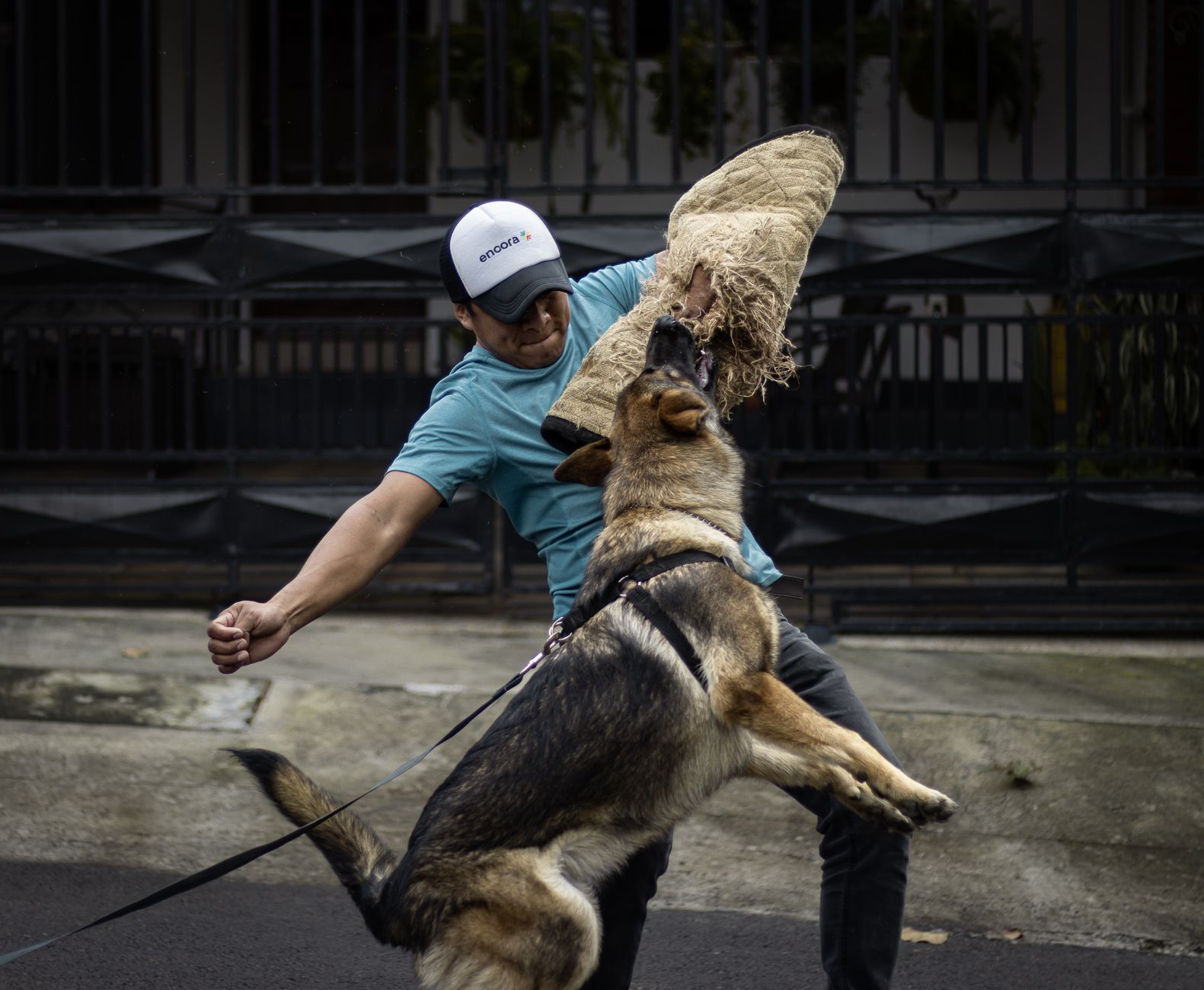
Why Do Dogs Bite Without Warnings? Understanding and Prevention
This article explains why some dogs seem to bite without warning, highlighting the underlying fear, stress, and suppressed communication signals often misinterpreted by humans, offering preventative strategies for safer interactions.

Introduction: The Misconception of Unprovoked Bites
The common phrase “Why do dogs bite without warnings?” suggests a sudden, unpredictable act of aggression. However, this is rarely the case. Dogs communicate through a complex array of subtle signals long before resorting to biting. These signals, often misinterpreted or entirely missed by humans, escalate until the dog feels it has no other option. Understanding these pre-bite signals is crucial for preventing potentially dangerous situations. A dog biting is almost always the result of a breakdown in communication between the dog and the human.
What colours are fish most attracted to?
Can you put your finger in a trout's mouth?
Is methylene blue anti bacterial?
Does aquarium salt raise pH in aquarium?
Understanding Canine Communication
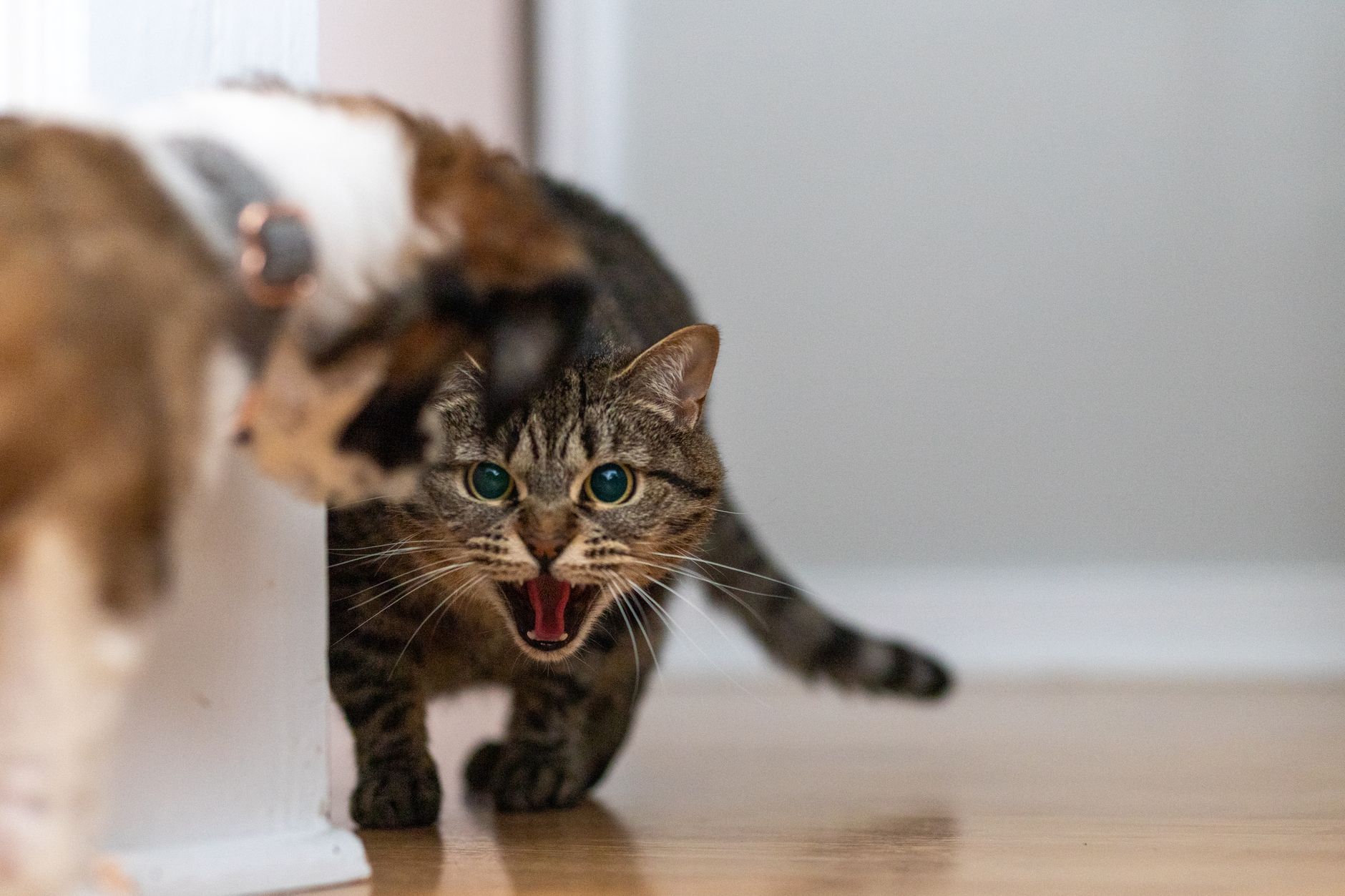
Dogs don’t speak our language, and we often fail to understand theirs. Recognizing their body language is paramount to preventing bites.
- Subtle Signals: These are often the first indicators of discomfort or fear.
- Lip licking
- Yawning (when not tired)
- Whale eye (showing the whites of their eyes)
- Turning their head away
- Stiff body posture
- Intermediate Signals: These signals indicate growing distress.
- Growling
- Showing teeth
- Raised hackles (the hair on their back standing up)
- Lunging forward
- Escalated Signals: These are often the signals that precede a bite.
- Snapping
- Air snapping (snapping without making contact)
It’s essential to remember that suppressing these signals (e.g., punishing a dog for growling) can actually increase the likelihood of a bite, as the dog learns that early warnings are ineffective and may resort to biting without any discernible preamble.
Factors Contributing to “No Warning” Bites
Several factors can lead to the perception that a dog bites without warning.
- Human Inability to Read Signals: As mentioned, humans often miss or misinterpret the subtle signs of discomfort or fear.
- Underlying Medical Conditions: Pain or cognitive dysfunction can alter a dog’s behavior and lower their bite threshold.
- Genetic Predisposition: Some breeds may be predisposed to certain behavioral tendencies, but environment and training still play a significant role.
- Trauma or Abuse: Past experiences can lead to increased fear and reactivity.
- Resource Guarding: Protecting food, toys, or space can trigger aggressive behavior.
The Role of Fear and Anxiety
Fear and anxiety are major drivers of canine aggression. A dog that feels threatened or trapped is more likely to bite as a form of self-defense.
Consider these scenarios where a dog may feel threatened:
- Strangers approaching: A dog who is wary of strangers may bite if someone approaches too quickly or reaches out to pet them without permission.
- Children interacting: Children’s unpredictable movements and noises can be frightening for some dogs.
- Looming over: Standing directly over a dog can be perceived as threatening.
- Physical restraint: Hugging or restraining a dog when they are uncomfortable can trigger a bite.
Understanding and addressing the underlying fear and anxiety is crucial in preventing bites.
Preventive Measures and Training
Preventing bites requires a multifaceted approach, focusing on understanding canine communication, managing the dog’s environment, and appropriate training.
- Education: Learn to recognize and understand canine body language.
- Management: Manage the dog’s environment to minimize potential triggers. This might involve keeping the dog away from situations that make them anxious, such as large crowds or interactions with children.
- Training: Positive reinforcement-based training can help build confidence and teach the dog appropriate responses to stressful situations.
- Socialization: Early and appropriate socialization can help desensitize dogs to various stimuli and reduce fear.
- Professional Help: If a dog exhibits aggressive behavior, consult with a certified professional dog trainer or veterinary behaviorist.
Table: Comparing Visible Signs of a Threat-Aggressive Dog
| Signal | Description | Implication |
|---|---|---|
| Lip Lift | Corners of mouth pulled back, showing teeth. | “I am uncomfortable, and if you continue, I may escalate.” |
| Stiff Posture | Body tense, weight forward, head held high. | “I am alert and ready to defend myself or my resources.” |
| Growling | Low, guttural sound coming from the throat. | “Stop what you are doing. I am very uncomfortable.” |
| Snapping | Quick, deliberate bite towards the perceived threat. | “You have crossed my boundaries. I am trying to make you go away.” |
| Lunging | Sudden, forceful movement forward. | “I am trying to control the situation by intimidation.” |
| Hackles Raised | Hair standing up along the back. | “I am aroused, either due to fear, excitement, or aggression.” Context is crucial to interpreting this signal. |
Why are the Risks Greater Around Children?
Children are statistically more likely to be bitten than adults and the injuries may be more severe.
- Children are at the dogs’ eye level.
- Children are less likely to recognize when a dog is not comfortable.
- Children are more prone to making sudden, unpredictable movements.
- Children are less likely to understand the concept of boundaries.
- Children are more inclined to attempt to hug, kiss, or otherwise engage in ways that a dog may find unwelcome.
- Children may not have the ability to understand or follow instructions of how to properly behave around dogs.
This is why education for both the child and the dog is vital to safe co-existence.
Frequently Asked Questions (FAQs)
Why do dogs bite without warnings?
Dogs rarely bite without warning. Most bites are preceded by subtle signals that humans often miss or misinterpret. Understanding canine body language is crucial for preventing bites.
What are the most common reasons for a dog to bite?
The most common reasons for dog bites include fear, anxiety, pain, resource guarding, and protective instincts. A dog that feels threatened, overwhelmed, or in pain is more likely to bite.
How can I tell if a dog is uncomfortable?
Signs of discomfort include lip licking, yawning (when not tired), whale eye, turning their head away, and a stiff body posture. Recognizing these signals can help you avoid escalating the situation.
Is it true that some dog breeds are more likely to bite than others?
While some breeds may be statistically more frequently reported in bite incidents, genetics are only part of the equation. Training, socialization, environment, and individual temperament play a significant role in a dog’s behavior.
What should I do if a dog growls at me?
If a dog growls at you, immediately stop what you are doing and give the dog space. Avoid direct eye contact, and slowly back away. The growl is a warning; listen to it.
How can I teach my children to interact safely with dogs?
Teach children to always ask permission before approaching a dog, to approach slowly and calmly, and to avoid hugging or kissing the dog. Emphasize the importance of respecting the dog’s space and boundaries. Supervise all interactions between children and dogs.
What is resource guarding, and how can I prevent it?
Resource guarding is when a dog becomes possessive of food, toys, or other items. Prevent resource guarding by training a “leave it” command and by feeding the dog in a quiet, undisturbed area.
How does socialization help prevent dog bites?
Early socialization exposes dogs to a variety of people, places, and situations, helping them develop confidence and reduce fear. This makes them less likely to react aggressively in unfamiliar situations.
What role does training play in preventing dog bites?
Positive reinforcement-based training can teach dogs appropriate behaviors and improve their communication skills. It also helps build a strong bond between the dog and owner, fostering trust and understanding.
What should I do if I’ve been bitten by a dog?
Immediately wash the wound thoroughly with soap and water. Seek medical attention, especially if the bite is deep or if you are unsure of the dog’s vaccination status. Report the bite to animal control.
Why is it important to consult with a professional if my dog is showing signs of aggression?
A certified professional dog trainer or veterinary behaviorist can help you identify the underlying cause of the aggression and develop a safe and effective treatment plan. They can also provide guidance on managing the dog’s environment and behavior.
How can I advocate for responsible dog ownership in my community?
Promote responsible dog ownership by educating others about canine behavior, supporting local animal shelters and rescue organizations, and advocating for leash laws and other public safety measures. Understanding why do dogs bite without warnings is key to reducing incidents.