

Why Do Deer Stay In Front Of Cars? A Behavioral Analysis
Deer often appear to freeze in headlights or run directly into the path of oncoming vehicles due to a combination of evolutionary responses, startle reflexes, and the confounding effects of artificial light. Understanding these factors is key to preventing collisions and ensuring road safety.

Introduction: The Perplexing Predicament of Deer and Vehicles
The sight of a deer standing paralyzed in the headlights of a car is a common and frustrating one for drivers, particularly in rural areas. The question, “Why do deer stay in front of cars?” isn’t simply about stupidity; it delves into the complex interplay between a wild animal’s natural instincts and the unnatural environment created by modern transportation. Understanding this behavior is crucial for both deer conservation and human safety. These interactions are frequently dangerous, and preventable.

What colours are fish most attracted to?
Can you put your finger in a trout's mouth?
Is methylene blue anti bacterial?
Does aquarium salt raise pH in aquarium?
Understanding the Deer’s Natural Defense Mechanisms
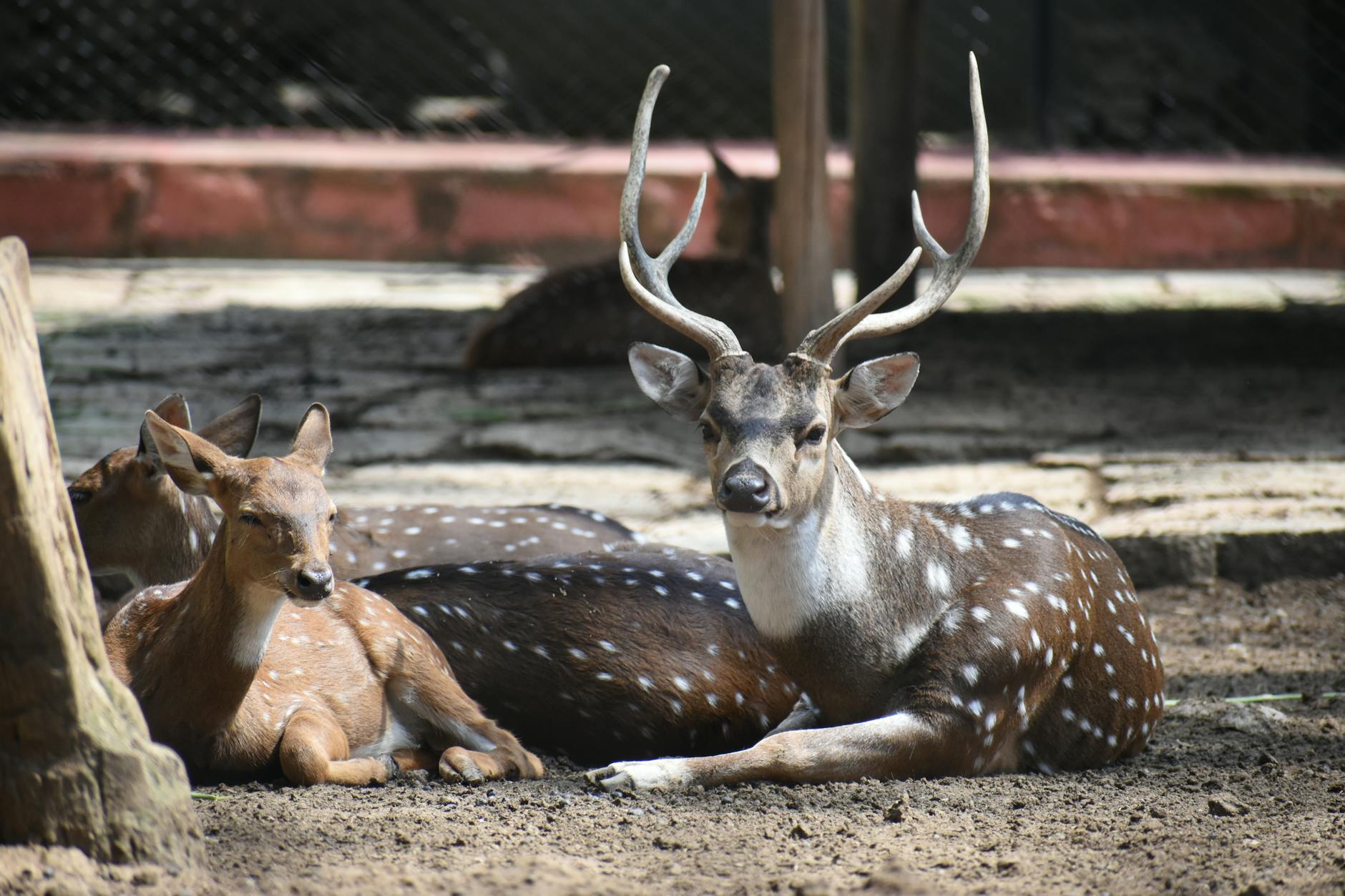
For millennia, deer have relied on certain behaviors to survive encounters with predators. These responses, ingrained through generations of natural selection, aren’t always well-suited to dealing with automobiles.
- The Freeze Response: When startled, a deer’s first instinct is often to freeze. This is a natural camouflage technique. In low light or wooded areas, remaining motionless can make them harder for predators to spot. Unfortunately, this strategy is disastrous when a predator is replaced by a two-ton vehicle traveling at high speed.
- Reactive Movement: Deer sometimes react unpredictably, running in seemingly random directions. This is intended to confuse predators, making it difficult for them to track the deer. However, on a road, this erratic behavior can lead them directly into the path of a car.
The Role of Headlights and Artificial Light
Artificial light, particularly headlights, further complicates the situation. Deer eyes are adapted for low-light conditions, possessing a tapetum lucidum, a reflective layer behind the retina that enhances night vision.
- Headlight Glare: While beneficial in dim settings, this adaptation makes them particularly susceptible to glare. Bright headlights can temporarily blind or disorient them, impairing their ability to assess the situation and make rational decisions.
- Confusion about Direction: Deer rely on natural cues, such as the moon or stars, to navigate. Artificial light sources can disrupt their sense of direction, causing them to become confused and disoriented, potentially leading them to run towards the light instead of away.
The Acoustic Dimension: Sound and Deer Behavior
While much focus is given to the visual aspect, the sounds of vehicles also play a significant role.
- Auditory Overload: The sounds of an approaching car – engine noise, tire hum – can be overwhelming for a deer. This cacophony can mask other, more subtle cues that would normally help them assess danger.
- Unfamiliar Sounds: Deer are accustomed to the sounds of nature. The artificial sounds of vehicles are unfamiliar and can be perceived as a confusing or even debilitating threat. This can exacerbate the freeze response.
Mitigation Strategies: Protecting Deer and Drivers
Understanding the factors that contribute to deer-vehicle collisions is only the first step. Implementing effective mitigation strategies is essential to reducing these incidents.
- Drive Defensively: Be particularly vigilant in areas known for deer crossings, especially during dawn and dusk. Reduce speed and scan the sides of the road for eye shine.
- Use Headlights Wisely: Utilize low beams when possible, as high beams can worsen glare and disorient deer.
- If a Deer is Present: If you see a deer, slow down and avoid swerving. Honk your horn to try to scare it away, but be prepared for unpredictable movement. If a collision is unavoidable, brake firmly and steer straight. Swerving can be more dangerous, potentially leading to loss of control.
- Roadway Improvements: Installing deer fencing along roadways, creating wildlife crossings, and using reflective devices along the road edges can help deter deer from entering traffic areas.
- Deer whistles: There is debate on whether or not these are truly effective in deterring deer from roadways.
Table: Comparison of Mitigation Strategies
| Strategy | Description | Effectiveness | Cost |
|---|---|---|---|
| Defensive Driving | Reduced speed, vigilant scanning, responsible headlight use. | Highly effective when consistently practiced; reliant on driver behavior. | Low; primarily a change in driver habits. |
| Deer Fencing | Physical barriers to prevent deer from crossing roads. | Very effective in preventing deer access, especially when combined with underpasses/overpasses. | High; significant upfront investment for materials and installation. |
| Wildlife Crossings | Structures allowing safe passage under or over roadways. | Very effective in allowing deer and other wildlife to safely cross roads; requires ongoing maintenance. | Very high; complex engineering and construction. |
| Reflective Devices/Whistles | Devices designed to reflect headlight beams or emit high-frequency sounds. | Effectiveness is highly debated, with limited scientific evidence of consistent success. Some studies suggest they may offer a marginal benefit, while others show no effect. | Low to moderate; relatively inexpensive to purchase and install, but potential for limited return. |
| Vegetation Management | Managing vegetation near roadways to reduce cover for deer. | Moderately effective; removes habitat that attracts deer, making them less likely to approach the road. | Moderate; requires ongoing maintenance and careful consideration of environmental impact. |
Frequently Asked Questions (FAQs)
Why do deer stay in front of cars at night?
At night, deer are more likely to be active and less likely to see oncoming cars due to the blinding effect of headlights and the fact that their eyes are built for low-light conditions. The bright lights and loud noises further disorient them, causing them to freeze or run in unpredictable directions, often directly into the path of the vehicle.
Why do deer sometimes run directly into cars?
Deer may run directly into cars due to panic and confusion. When startled, their natural reaction is to flee, but they may misjudge the distance and speed of the approaching vehicle. Their visual processing is also adapted for detecting movement in peripheral vision, not for accurately gauging the speed of a rapidly approaching object head-on.
Are certain times of the year more dangerous for deer collisions?
Yes, deer collisions are most frequent during the mating season (rut), which typically occurs in the fall (October-December). During this time, deer are more active, less cautious, and more likely to cross roads in search of mates. Additionally, dawn and dusk, when deer are most active, are also high-risk times.
What should I do if I see a deer near the road?
If you see a deer near the road, slow down immediately and proceed with caution. Scan the sides of the road for other deer, as they often travel in groups. Be prepared to stop suddenly and avoid swerving, which can be more dangerous than a collision. Use your horn briefly to try and scare the deer away.
Do deer whistles actually work to deter deer?
The effectiveness of deer whistles is a controversial topic. Some drivers swear by them, while others find them useless. There’s limited scientific evidence to support their efficacy, and some studies have even shown that deer don’t react to the sound they emit. It’s best to rely on defensive driving techniques rather than solely on deer whistles.
What are the long-term effects on deer populations from car collisions?
Car collisions contribute to deer mortality and can significantly impact local populations, especially in areas with high traffic volume. These collisions can also disrupt deer behavior and movement patterns, and they can affect the overall health and stability of deer populations.
Can building more deer crossings help to minimize car collisions?
Yes, deer crossings are highly effective in reducing deer-vehicle collisions. These crossings provide safe pathways for deer to cross roadways, minimizing their exposure to traffic. However, they are a significant investment and require careful planning and placement to be effective.
Why do deer seem more prevalent on certain roads than others?
Deer tend to be more prevalent on roads that intersect their natural habitats or provide access to food and water sources. Areas with dense vegetation, forests, or agricultural fields are more likely to attract deer, increasing the risk of collisions on nearby roads.
Is there a specific type of deer that is more likely to be hit by a car?
While any deer can be hit by a car, younger deer (yearlings) are often more susceptible to collisions. They are less experienced, more likely to take risks, and less aware of the dangers posed by vehicles.
How can local communities work to minimize deer-car accidents?
Local communities can implement several measures to minimize deer-car accidents, including:
- Vegetation management along roadways.
- Installing deer fencing.
- Implementing public awareness campaigns.
- Supporting research on deer behavior.
- Advocating for responsible driving practices.
Why do deer freeze when headlights shine on them?
The “freeze” response is an instinctive survival mechanism in deer. When faced with a perceived threat, they often freeze to blend into their surroundings and avoid detection. However, the intense glare of headlights can temporarily blind them, making it even harder to assess the danger and choose an escape route, prolonging the freeze response.
What are the most effective ways to avoid a deer collision?
The most effective ways to avoid a deer collision include:
- Staying vigilant while driving, especially during dawn and dusk.
- Reducing speed in areas with deer crossings.
- Scanning the sides of the road for deer.
- Using headlights wisely (low beams when possible).
- Avoiding distractions while driving.
- Being prepared to brake suddenly if a deer is spotted.