

Why Do Cats Press Their Head Against You? Unraveling the Mystery of Head Bunting
Why do cats press their head against you? This seemingly odd behavior, also known as head bunting or head pressing, is often a sign of affection, but can also be related to marking territory, seeking attention, or, in rare cases, indicating a medical issue.
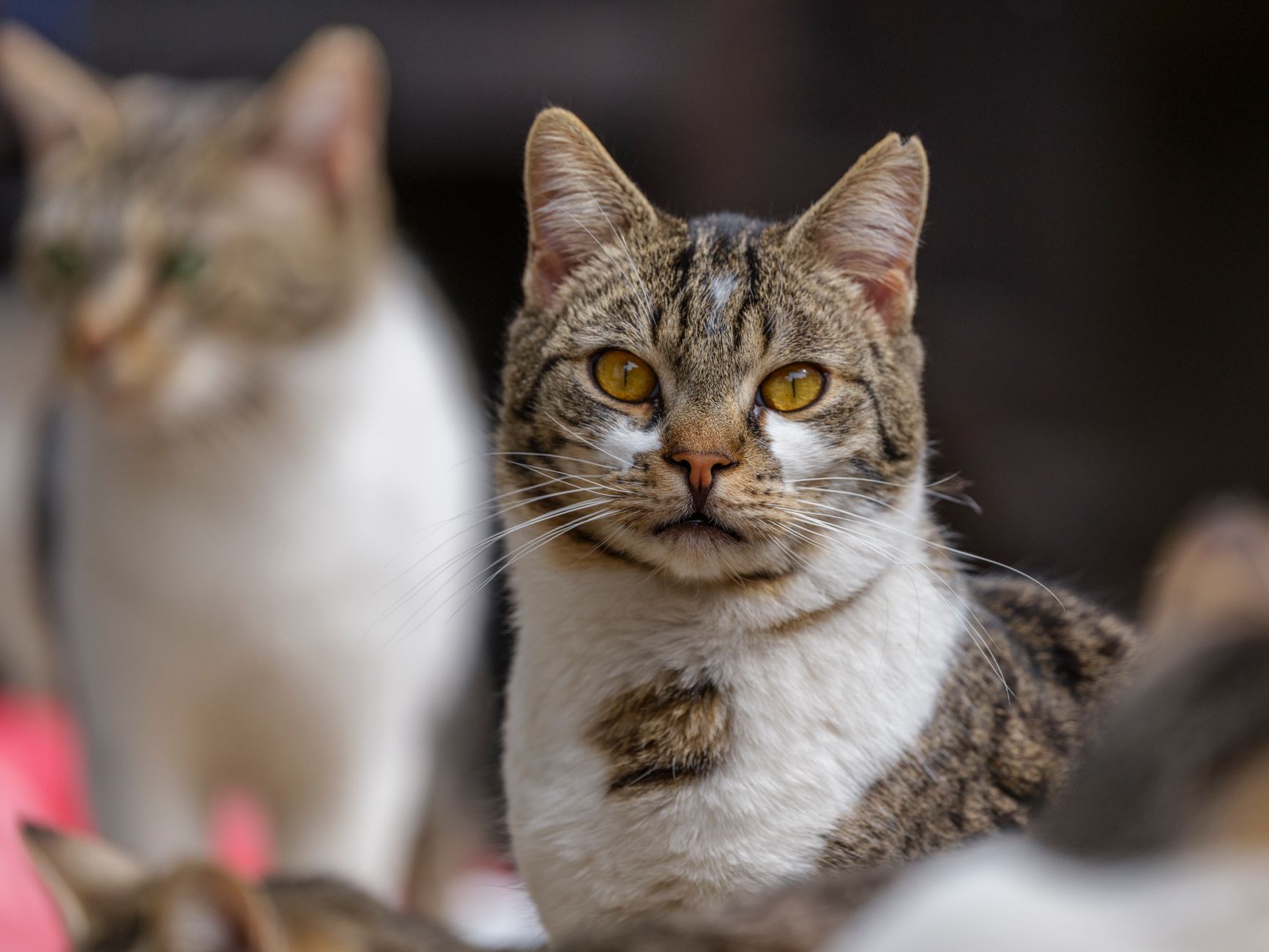
Understanding Head Bunting: A Feline Greeting and More
Head bunting, the act of a cat gently pressing its head against a person, another animal, or an object, is a fascinating feline behavior with multiple potential meanings. While often interpreted as affection, it’s crucial to understand the nuances behind this action to better understand your feline companion. It’s a complex combination of social interaction, scent marking, and communication.

What colours are fish most attracted to?
Can you put your finger in a trout's mouth?
Is methylene blue anti bacterial?
Does aquarium salt raise pH in aquarium?
The Social Significance: Affection and Bonding

One of the most common reasons why do cats press their head against you? is to display affection. Cats, despite their reputation for independence, are social creatures that form strong bonds with their human families. Head bunting is a way for them to reinforce these bonds. When a cat rubs against you, it is essentially saying, “I like you, and I feel safe around you.”
Scent Marking: Claiming Ownership
Cats possess scent glands on their forehead, cheeks, chin, and paws. These glands release pheromones – chemical signals that are specific to each cat. When a cat head bunts you, it is transferring its scent onto you, effectively claiming you as part of its territory. This scent marking provides a sense of security and familiarity for the cat. In multi-cat households, you will often see cats head bunting each other, establishing a shared scent and reinforcing their social hierarchy.
Attention-Seeking Behavior
Sometimes, why do cats press their head against you? is simply to get your attention. If your cat knows that head bunting usually results in petting, treats, or playtime, it will likely repeat the behavior to achieve the desired outcome. This can be a learned behavior, reinforced by positive interactions.
When Head Pressing Is a Concern: Medical Causes
While head bunting is usually a normal and benign behavior, in rare cases, it can be a sign of a medical problem. However, this type of head pressing is usually more forceful and persistent, often directed against inanimate objects rather than people or other animals.
Medical conditions that might cause compulsive head pressing include:
- Hepatic encephalopathy: Liver disease affecting brain function.
- Brain tumors: Growth impacting neurological function.
- Infections: Encephalitis or meningitis causing inflammation.
- Toxins: Exposure to substances harmful to the nervous system.
- Metabolic disorders: Imbalances affecting brain function.
If you notice that your cat is persistently and forcefully pressing its head against walls, furniture, or other objects, and displays other symptoms such as disorientation, seizures, or changes in behavior, seek veterinary attention immediately. This type of head pressing is distinct from the gentle and affectionate head bunting described above.
Distinguishing Affectionate Head Bunting from Concerning Head Pressing
| Feature | Affectionate Head Bunting | Concerning Head Pressing |
|---|---|---|
| Pressure | Gentle, subtle | Forceful, persistent |
| Target | People, other animals, familiar objects | Walls, furniture, inanimate objects |
| Frequency | Intermittent, associated with social interaction | Constant, repetitive |
| Other Symptoms | None | Disorientation, seizures, changes in behavior, vocalization |
| Context | Usually occurs during petting, greetings, or playtime | Occurs at random, regardless of environment or social interaction |
Responding Appropriately to Head Bunting
The appropriate response to head bunting depends on the context and your cat’s motivation. If your cat is seeking affection, respond with gentle petting and verbal reassurance. If your cat is seeking attention, you can engage in playtime or provide a treat. If your cat is exhibiting signs of concerning head pressing, seek immediate veterinary attention. Understanding why do cats press their head against you is key to responding appropriately.
FAQs: Deciphering Your Cat’s Head Bunting
What’s the difference between head bunting and head butting?
Head bunting is a gentle pressing of the head, while head butting involves a more forceful nudge with the forehead. Head butting is usually a sign of demanding attention, while head bunting is more about affection and scent marking.
Does head bunting mean my cat loves me?
Head bunting is certainly a sign of affection and trust. It indicates that your cat feels comfortable and safe in your presence and considers you part of its social group.
Why does my cat only head bunt me and not other people?
Cats often reserve their head bunting behavior for individuals they have a strong bond with. You may be the primary caregiver or the person who spends the most time with your cat, leading to a closer connection.
Is head bunting a sign of dominance?
While scent marking plays a role, head bunting is not primarily a dominance display. It’s more about establishing a shared scent and reinforcing social bonds within a group.
My cat head bunts everything! Is that normal?
Some cats are simply more affectionate and communicative than others. If your cat is head bunting you, other animals, and objects around the house, it likely just enjoys marking its territory and expressing affection.
How can I encourage my cat to head bunt me?
Create a positive and safe environment for your cat. Spend time interacting with your cat through petting, playing, and talking. Eventually, your cat may begin to head bunt you as a sign of affection and trust.
My cat never head bunts me. Does that mean it doesn’t like me?
Not necessarily. Every cat has a unique personality and way of expressing affection. Some cats may prefer other forms of interaction, such as purring, rubbing against your legs, or simply being near you.
What should I do if my cat suddenly starts head pressing?
If your cat suddenly starts forcefully pressing its head against walls or furniture, especially if accompanied by other symptoms like disorientation or seizures, seek veterinary attention immediately. This could indicate a serious medical problem.
Can kittens head bunt?
Yes, kittens can start head bunting as early as a few weeks old. They learn this behavior from their mothers and other cats in their social group.
Is head bunting the same as “allorubbing”?
Yes, allorubbing is another term for head bunting. It refers to the act of cats rubbing against each other to exchange scents and reinforce social bonds.
Why does my cat sometimes bite me gently after head bunting?
This is often a sign of playful affection. The gentle bite is a way for your cat to further reinforce the bond and express its enjoyment of your company. However, if the bite is too hard or painful, gently discourage the behavior.
Is head bunting related to a cat’s sense of smell?
Absolutely. Head bunting is closely related to a cat’s sense of smell. They’re transferring their unique scent through pheromones onto you or an object, communicating information and claiming it as familiar or theirs. So remember, why do cats press their head against you? It’s often a compliment!