
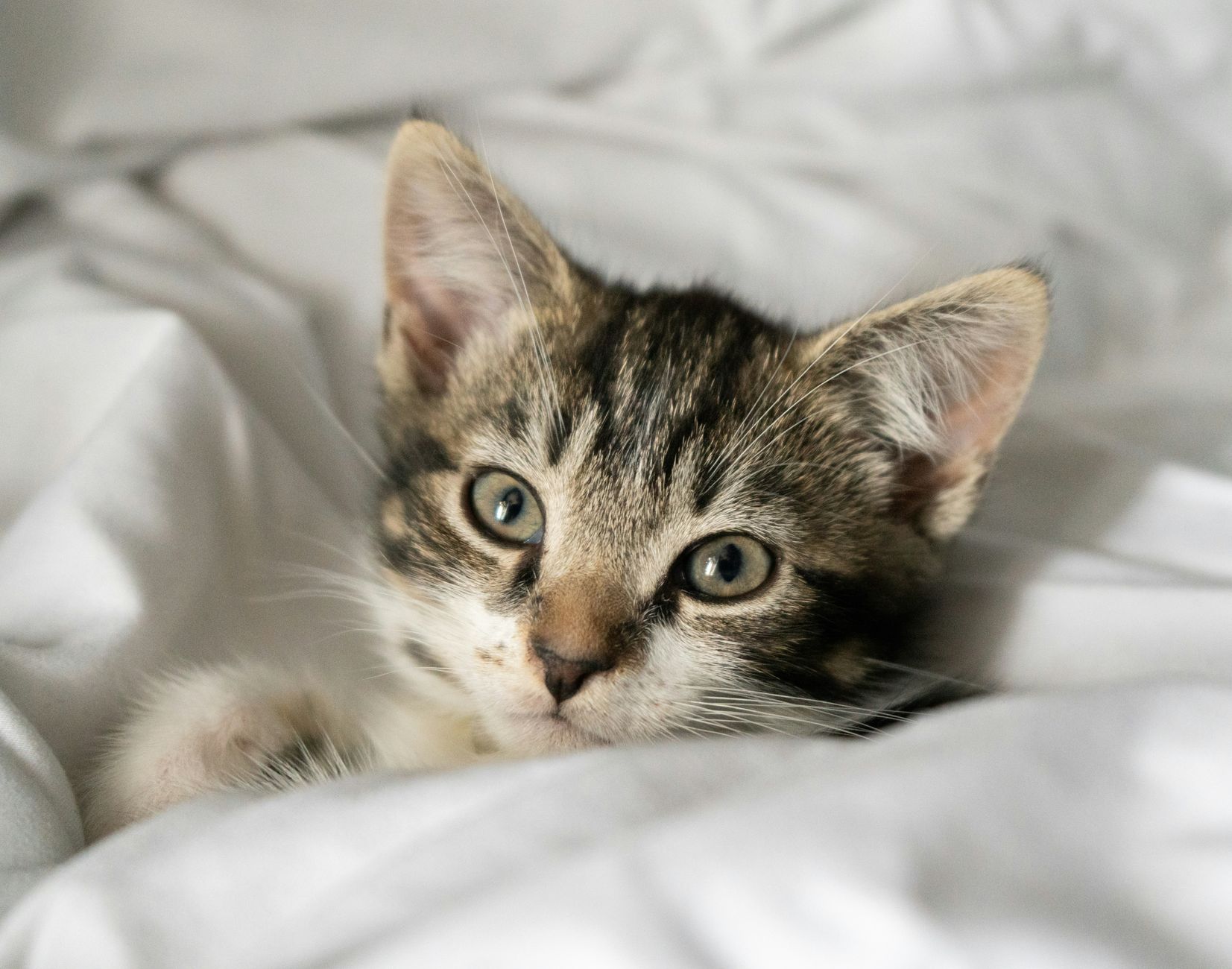
Why Do Cats Bother You Early in the Morning? A Feline Alarm Clock Unveiled
Why do cats bother you early in the morning? It’s primarily because they’re hungry, bored, or seeking attention, and they’ve learned that waking you up gets them what they want.

Understanding the Feline Wake-Up Call
Cats, with their reputation for independence, can seem strangely insistent on disrupting our peaceful slumber. Understanding the reasons why do cats bother you early in the morning? involves delving into their natural instincts, learned behaviors, and the human-animal bond. It’s a complex interplay that often results in a groggy human and a smug feline.
What colours are fish most attracted to?
Can you put your finger in a trout's mouth?
Is methylene blue anti bacterial?
Does aquarium salt raise pH in aquarium?
The Biological Basis: Crepuscular Creatures

Cats are crepuscular, meaning they’re most active during dawn and dusk. This is tied to their evolutionary history as hunters who preyed on animals active during these low-light periods. Therefore, early morning activity is deeply ingrained in their biological clocks. While domesticated cats don’t need to hunt, their natural instincts remain. That inherent drive to be active, play, and potentially “hunt” (even if it’s just a toy mouse) aligns perfectly with the time you are trying to sleep.
Operant Conditioning: Rewarding the Behavior
Perhaps the most significant factor in understanding why do cats bother you early in the morning? is operant conditioning. In simple terms, your cat has learned that waking you up yields a positive outcome for them. Here’s how it usually unfolds:
- Cat initiates behavior: Meowing, scratching at the door, jumping on the bed, etc.
- Human responds: Gets up to feed the cat, gives them attention, or even just yells at them (which the cat might interpret as attention).
- Cat associates behavior with reward: The cat learns that the initial behavior leads to a desired outcome (food, attention, etc.).
- The cycle repeats: The cat is more likely to repeat the behavior in the future, solidifying the morning wake-up routine.
This cycle reinforces the cat’s behavior, making it more likely to persist. Even negative attention (yelling) can be perceived as a reward.
Boredom and Lack of Stimulation
Another contributing factor is boredom. If your cat is alone for extended periods during the day, especially while you are working, they may be understimulated. Early morning provides an opportunity for them to release pent-up energy and seek interaction.
- Insufficient playtime: Cats need regular play sessions to satisfy their hunting instincts and prevent boredom.
- Lack of environmental enrichment: A boring environment with no toys or climbing opportunities can lead to frustration.
- Excessive napping during the day: If a cat sleeps all day, they’re likely to be more active during the early morning hours.
Medical Reasons
While behavioral and environmental factors are usually the culprits, it’s important to rule out any underlying medical conditions. Certain health issues can cause increased vocalization or restlessness, particularly in older cats.
- Hyperthyroidism: This condition can lead to increased energy levels and vocalization.
- Cognitive dysfunction: Similar to dementia in humans, this can cause confusion and changes in sleep patterns.
- Pain or discomfort: Arthritis or other painful conditions may cause a cat to be restless and seek attention.
If you suspect a medical issue, it’s crucial to consult with a veterinarian.
Preventing the Early Morning Wake-Up Call
Breaking the early morning wake-up habit requires consistency and a multi-faceted approach. Here’s a breakdown of effective strategies:
- Ensure adequate playtime: Schedule a vigorous play session in the evening, close to bedtime. This will help tire your cat out and promote better sleep.
- Provide environmental enrichment: Offer a variety of toys, scratching posts, and climbing opportunities to keep your cat entertained during the day.
- Automatic feeders: Consider using an automatic feeder that dispenses a small meal in the early morning hours. This can satisfy your cat’s hunger and prevent them from bothering you.
- Ignore the behavior: This is the hardest but often most effective strategy. Resist the urge to get up and give your cat attention, even if they’re being persistent. Eventually, they’ll learn that their behavior doesn’t yield the desired result. Consistency is key.
- Don’t reward the meows: This means not giving in and feeding the cat when they are meowing in the morning.
| Strategy | Description | Benefits |
|---|---|---|
| Evening Playtime | Engage in vigorous play before bedtime. | Tires the cat out, reduces energy levels at night. |
| Environmental Enrichment | Provide toys, scratching posts, and climbing structures. | Reduces boredom, stimulates natural hunting instincts. |
| Automatic Feeders | Dispense a small meal automatically in the early morning. | Satisfies hunger, prevents the cat from associating waking you up with food. |
| Ignore the Behavior | Resist giving any attention, even negative, when the cat bothers you. | Breaks the association between the behavior and the reward. |
| Medical Check-up | Consult a vet if you suspect a medical issue. | Rules out underlying health problems that may be causing the behavior. |
Common Mistakes that Exacerbate the Problem
Several common mistakes can inadvertently reinforce the early morning wake-up behavior:
- Giving in occasionally: Even giving in once in a while can reinforce the behavior. Consistency is crucial.
- Yelling at the cat: This can be interpreted as attention, even if it’s negative.
- Leaving food out all day: This can lead to overeating and boredom.
- Failing to provide adequate playtime: A bored cat is more likely to seek attention in the morning.
Frequently Asked Questions (FAQs)
Why do cats prefer to be fed in the morning?
Cats aren’t necessarily programmed to prefer morning feedings but adapt to the timing their owners establish. Since many owners feed their cats upon waking, the cat learns to associate morning with mealtime. This association, combined with their natural crepuscular activity, contributes to the early morning demands for food.
Is it normal for cats to meow excessively in the morning?
While some vocalization is normal, excessive meowing could indicate boredom, hunger, a medical issue (like hyperthyroidism), or simply a learned behavior where they’ve realized meowing works. If the meowing seems excessive or unusual, it’s best to consult with a veterinarian to rule out any underlying health concerns.
How can I tell if my cat’s morning behavior is due to hunger or something else?
Observe your cat’s behavior closely. If they go straight to the food bowl and start meowing insistently, it’s likely hunger. If they’re engaging in other attention-seeking behaviors like rubbing against you, playing, or exploring, they may be bored or seeking affection. Also, consider if you recently changed food brands or amounts.
What should I do if ignoring my cat doesn’t work?
Consistency is absolutely key, and it may take several weeks of ignoring the behavior before you see results. Make sure you aren’t accidentally rewarding the behavior by giving in occasionally. If the behavior persists despite consistent ignoring, consult with a veterinarian or a certified cat behaviorist.
Are certain cat breeds more prone to early morning wake-up calls?
There isn’t definitive evidence that specific breeds are inherently more prone to this behavior. However, more active and intelligent breeds, like Bengals or Siamese, may be more likely to become bored and seek attention if their needs aren’t met.
Will getting another cat help alleviate the morning wake-up issue?
Introducing another cat can potentially help by providing your cat with a playmate and reducing boredom. However, it’s not a guaranteed solution and can sometimes exacerbate the issue, especially if the cats don’t get along. Careful consideration and a gradual introduction are essential.
How can I make my cat more active during the day?
Provide a variety of toys that stimulate their hunting instincts, such as puzzle feeders, laser pointers, and interactive toys. Rotate the toys regularly to keep them interesting. Offer vertical space with cat trees or shelves. Consider taking your cat for walks on a leash (with proper training) to provide mental and physical stimulation.
Is it cruel to ignore my cat when they’re seeking attention?
Ignoring the behavior to break a bad habit is not cruel as long as all of the cat’s needs are being met (food, water, litter box, play). It’s important to distinguish between ignoring the behavior to extinguish it and neglecting your cat’s overall well-being. Make sure your cat is getting plenty of attention and playtime at other times of the day.
Can an older cat be trained to stop waking me up early?
While training an older cat may require more patience and consistency, it’s definitely possible. The same techniques used for younger cats can be effective, including ignoring the behavior, providing environmental enrichment, and using automatic feeders. Be sure to rule out any underlying medical issues first.
How long does it usually take to break a cat’s early morning wake-up habit?
It can take anywhere from a few weeks to several months to break the habit, depending on the cat’s personality, the consistency of your approach, and the underlying reasons for the behavior. Be patient and persistent, and don’t get discouraged if you don’t see results immediately.
Why do some cats scratch at the bedroom door in the morning?
Scratching is a form of communication, often used to get attention. It’s also a way for cats to mark their territory and sharpen their claws. They’ve likely learned that scratching at the door gets you to open it, either to let them in or to tell them to stop.
What are some natural remedies to help my cat sleep through the night?
Consider using a Feliway diffuser, which releases synthetic feline pheromones that can have a calming effect. Ensure the environment is quiet and dark. Provide a comfortable and safe sleeping space for your cat. Consult with a veterinarian about safe and effective calming supplements for cats if other methods are not working.