

Why Do Animals Try to Escape Zoos? The Compelling Reasons Behind Zoo Escapes
Animals try to escape zoos primarily due to a complex interplay of factors: innate behaviors, insufficient environmental enrichment, stress, breeding instincts, and occasionally, simple curiosity or opportunistic moments. The desire to fulfill these needs outside the confines of their enclosures drives their attempts at freedom.
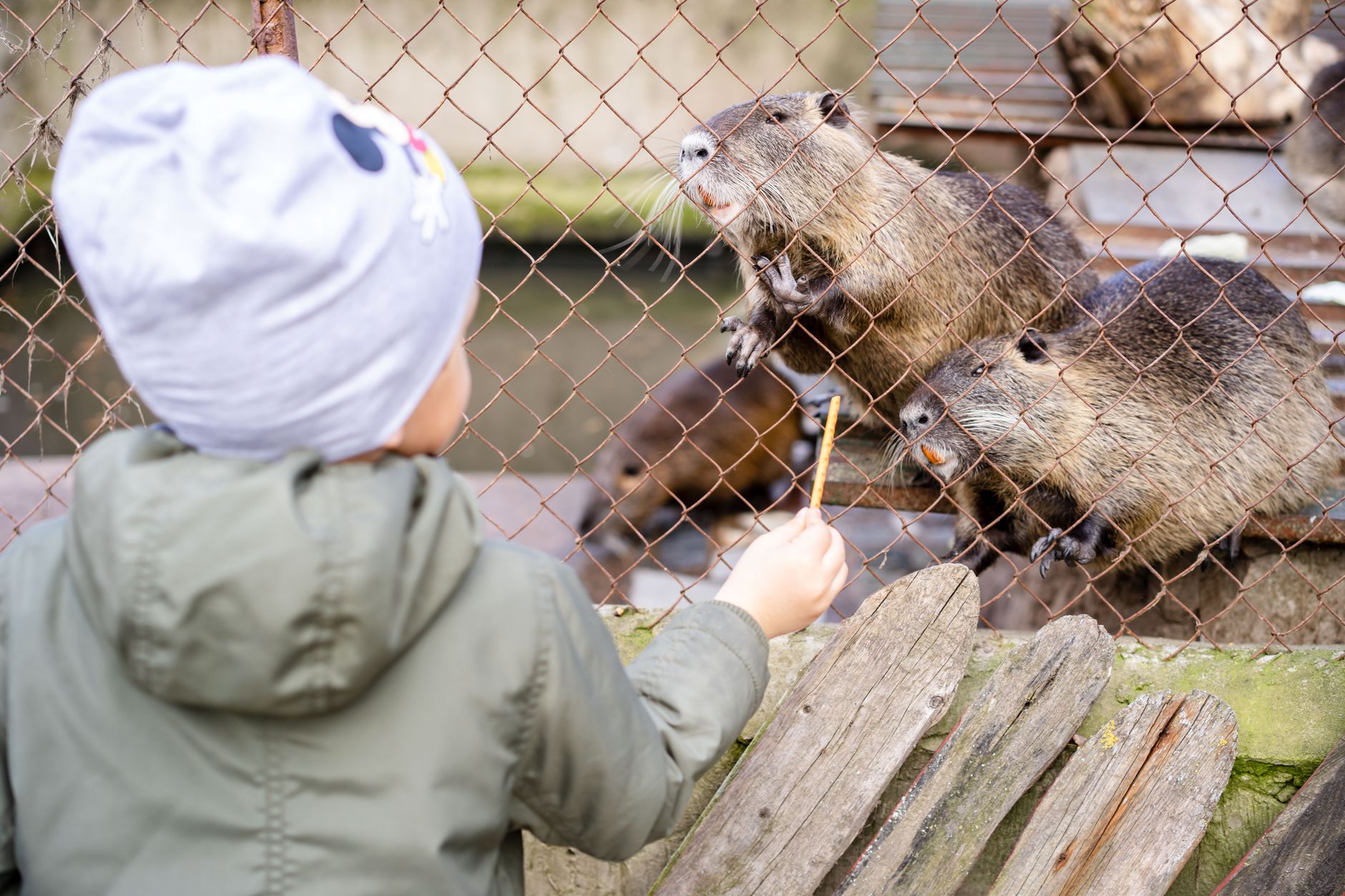
Introduction: A World Within a World – And the Urge to Leave It
Zoos, ideally, serve as sanctuaries, conservation centers, and educational resources, offering glimpses into the lives of creatures from around the globe. However, occasionally, headlines blare stories of animals escaping their enclosures. This raises a fundamental question: Why do animals try to escape zoos? It’s a complex issue involving a variety of factors, from basic biological drives to the specific conditions of captivity. Understanding these reasons is crucial for improving animal welfare and ensuring public safety.

What colours are fish most attracted to?
Can you put your finger in a trout's mouth?
Is methylene blue anti bacterial?
Does aquarium salt raise pH in aquarium?
Understanding the Root Causes: Instincts and Captivity

The motivations behind zoo escapes are multifaceted, and can be broadly categorized into biological and environmental factors. Ultimately, it boils down to animals trying to fulfill their basic needs and instincts, which can be difficult, if not impossible, in a captive environment.
-
Innate Behaviors: Many animal behaviors are hardwired. For example, migratory birds may experience an uncontrollable urge to fly south at a specific time of year, regardless of their location. Similarly, carnivores retain the instinct to hunt, even when food is readily available.
-
Environmental Enrichment Deficiencies: Zoos strive to provide enriching environments, but it can be challenging to replicate the complexity and vastness of natural habitats. Lack of stimulation can lead to boredom, frustration, and ultimately, the desire to explore beyond their confines.
-
Stress and Boredom: Confinement can lead to chronic stress and boredom, manifesting as stereotypic behaviors such as pacing or self-harm. Escape attempts can be a desperate attempt to alleviate this stress.
-
Breeding and Mating Season: The drive to reproduce is a powerful instinct. During mating season, animals may become restless and attempt to find a mate, even if it means escaping their enclosure.
-
Opportunistic Escapes: Sometimes, escapes are simply a matter of opportunity. A faulty lock, a fallen tree limb creating a bridge, or a gate left ajar can provide an animal with the chance to explore the world beyond its cage.
The Role of Zoo Management and Design
The design and management of a zoo play a critical role in preventing escapes. Proper enclosure design, regular maintenance, and well-trained staff are essential.
-
Enclosure Design: Enclosures must be designed with the specific animal’s capabilities in mind. This includes considering their climbing, digging, jumping, and problem-solving abilities.
-
Security Protocols: Strict security protocols are essential, including regular inspections of enclosures, secure locking mechanisms, and emergency response plans.
-
Staff Training: Zoo staff must be well-trained in animal behavior, security procedures, and emergency protocols. They should be able to identify potential escape risks and respond quickly and effectively.
Comparing Needs in the Wild vs. Zoos
| Feature | Wild Environment | Zoo Environment |
|---|---|---|
| Space | Vast, unrestricted | Limited, confined |
| Food Acquisition | Requires hunting, foraging | Provided regularly |
| Social Interaction | Complex social hierarchies | Managed social groups |
| Stimulation | Constant challenges, varied stimuli | Controlled enrichment |
| Mate Selection | Natural selection | Managed breeding programs |
This table highlights the fundamental differences between a natural habitat and a zoo enclosure, underscoring the challenges of replicating the complexity of the wild. The differences in the needs of animals in the wild versus in zoos contributes to the reason why do animals try to escape zoos?
The Ethics of Captivity
The question of why do animals try to escape zoos? also raises broader ethical considerations about the purpose and impact of zoos. While modern zoos contribute significantly to conservation and education, the inherent limitations of captivity can create a constant tension between animal welfare and human interests. Striking a balance between these competing priorities is an ongoing challenge.
Frequently Asked Questions
What types of animals are most likely to escape from zoos?
Animals with strong territorial instincts, high intelligence, and the physical capabilities to overcome enclosure barriers are most likely to attempt escapes. This often includes primates, big cats, bears, and some birds.
How often do animals actually escape from zoos?
While escapes do occur, they are relatively rare. Zoos prioritize security, and most escape attempts are unsuccessful or quickly resolved. However, even infrequent escapes can raise serious safety concerns.
What happens to an animal after it escapes from a zoo?
Zoos have established protocols for dealing with escaped animals. The primary goal is to safely recapture the animal using humane methods. The specifics of the recapture depend on the species, the location, and the potential risks involved.
What is “environmental enrichment” and how does it help prevent escapes?
Environmental enrichment involves providing animals with stimuli and challenges that mimic their natural environment. This can include puzzle feeders, climbing structures, social interaction opportunities, and sensory experiences. Effective enrichment can reduce boredom, stress, and the urge to escape.
Are zoo enclosures designed to be escape-proof?
While zoos strive to create secure enclosures, it is virtually impossible to make them completely escape-proof. Animals are intelligent and adaptable, and they may find ways to exploit vulnerabilities in enclosure design or security protocols.
Do animals understand the concept of freedom?
It’s difficult to know for sure what animals understand about freedom. However, their behavior suggests a strong desire to explore, roam, and exercise their natural instincts, which could be interpreted as a longing for something beyond their enclosure.
What role does boredom play in zoo escapes?
Boredom is a significant factor in many escape attempts. When animals are confined to a small space with limited stimulation, they may become restless and frustrated, leading them to seek out opportunities for exploration or escape.
How do zoos use positive reinforcement to manage animal behavior?
Positive reinforcement involves rewarding desired behaviors with treats, praise, or other positive stimuli. This can be used to train animals to cooperate with keepers, participate in enrichment activities, and remain calm in stressful situations, ultimately reducing the risk of escape.
What are the ethical considerations regarding keeping animals in zoos?
The ethical considerations are complex, balancing the conservation, education, and research benefits of zoos against the potential harm to individual animals from confinement and restricted natural behaviors.
What are some examples of successful zoo escape prevention strategies?
Successful strategies include robust enclosure design, comprehensive security protocols, engaging environmental enrichment programs, and highly trained staff. Regular assessments and improvements are also crucial.
Are some zoos better than others at preventing escapes?
Yes, there are significant variations in the quality of zoo management and security. Zoos that prioritize animal welfare, invest in well-designed enclosures, and maintain rigorous security protocols tend to have fewer escape incidents. Understanding why do animals try to escape zoos? is a part of being a good zoo.
How can the public help prevent zoo escapes?
The public can contribute by reporting any suspicious activity or potential security breaches to zoo staff. They can also support zoos that prioritize animal welfare and invest in effective escape prevention measures. The understanding of why do animals try to escape zoos? starts with the public’s awareness.