

Why Did Bald Eagles Almost Go Extinct? A Story of Resilience
Bald eagles almost went extinct primarily due to the widespread use of the pesticide DDT, which caused their eggshells to thin and break, leading to drastically reduced reproductive success. Conservation efforts, including the banning of DDT, have since been instrumental in their remarkable recovery.

The Majestic Symbol Teetering on the Brink
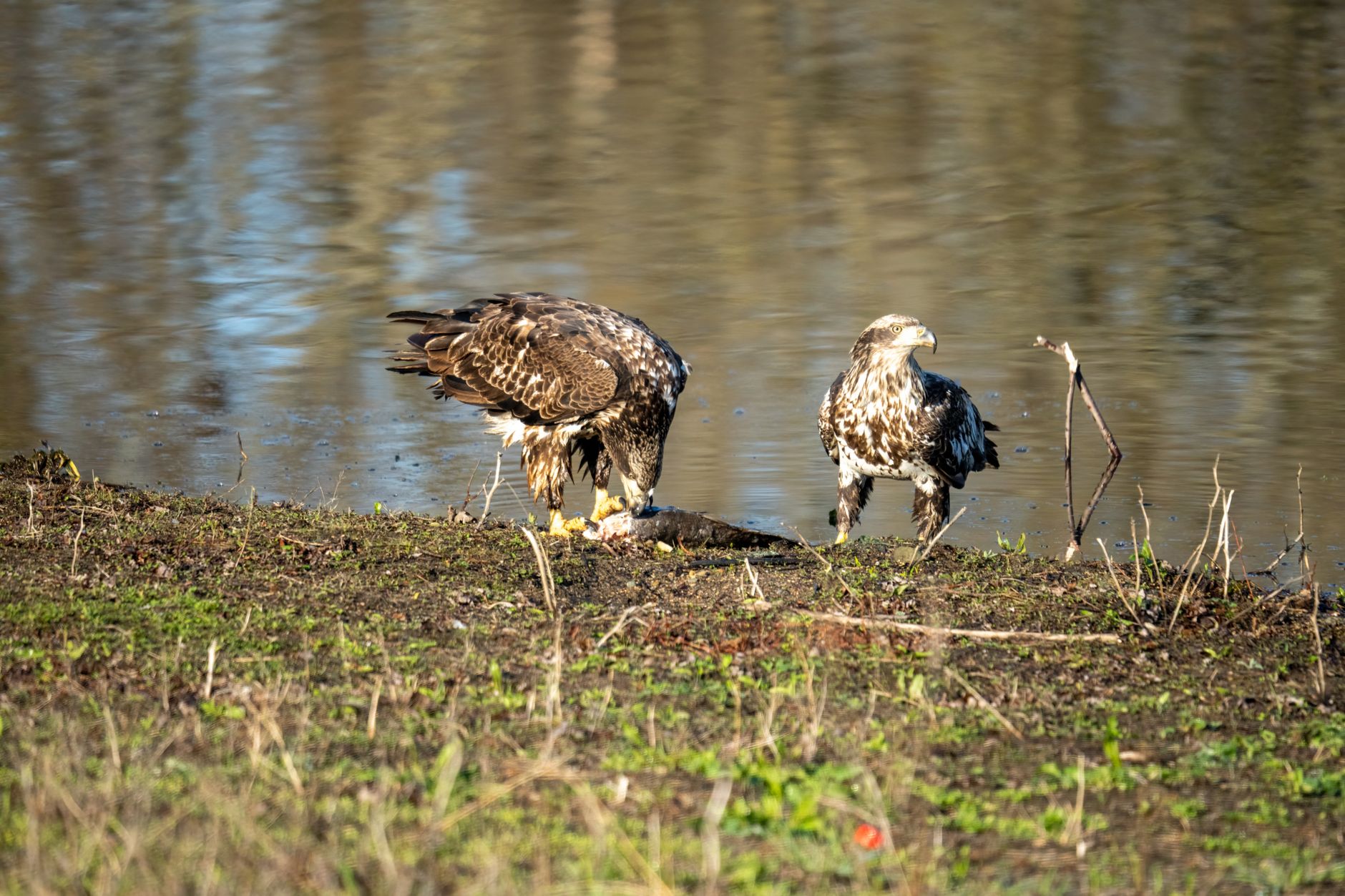
The bald eagle, a symbol of American freedom and power, faced a dire crisis in the mid-20th century. From an estimated 500,000 nesting pairs when European settlers first arrived, their numbers plummeted to a mere 417 nesting pairs in the lower 48 states by 1963. This near-extinction wasn’t due to natural causes but a combination of factors driven by human activity. To truly understand why did bald eagles almost go extinct?, we need to delve into the specific threats they faced.
What colours are fish most attracted to?
Can you put your finger in a trout's mouth?
Is methylene blue anti bacterial?
Does aquarium salt raise pH in aquarium?
The Silent Spring: DDT’s Devastating Impact

The most significant factor contributing to the bald eagle’s decline was the widespread use of the pesticide DDT (dichlorodiphenyltrichloroethane). DDT, heavily used after World War II to control insects, entered the food chain and bioaccumulated in top predators like bald eagles.
- Bioaccumulation: As eagles consumed fish and other prey contaminated with DDT, the pesticide accumulated in their bodies over time.
- Eggshell Thinning: DDT interfered with calcium metabolism in female eagles, leading to the production of thin and fragile eggshells.
- Reproductive Failure: These thin-shelled eggs often broke during incubation, preventing successful hatching and dramatically reducing the eagle population.
Habitat Loss and Degradation
While DDT was the primary culprit, habitat loss also played a significant role. As human populations expanded, forests were cleared for agriculture, development, and timber, reducing the eagles’ nesting and foraging areas.
- Nesting Site Destruction: Large, mature trees near bodies of water are essential for bald eagle nests. The destruction of these trees deprived eagles of suitable nesting sites.
- Foraging Area Reduction: The conversion of wetlands and other habitats reduced the availability of prey, such as fish and waterfowl, impacting the eagles’ food supply.
Hunting and Shooting
In the early 20th century, bald eagles were often viewed as pests or predators of livestock. They were frequently shot and killed, further contributing to their population decline.
- Misguided Perceptions: Farmers and ranchers sometimes believed that eagles posed a significant threat to their animals, leading to widespread hunting.
- Lack of Legal Protection: Before the passage of protective legislation, eagles were not adequately protected from hunting and persecution.
The Road to Recovery: Conservation Success
The bald eagle’s story is not one of despair but of remarkable recovery. Thanks to concerted conservation efforts, these magnificent birds have made a stunning comeback.
- The Banning of DDT: The Environmental Protection Agency (EPA) banned DDT in 1972, a pivotal moment in the eagle’s recovery.
- Endangered Species Act: The passage of the Endangered Species Act in 1973 provided legal protection for bald eagles and their critical habitat.
- Habitat Preservation and Restoration: Efforts to protect and restore eagle nesting and foraging areas have been crucial.
- Captive Breeding and Reintroduction: Captive breeding programs and reintroduction efforts helped to bolster populations in certain regions.
The impact of these interventions was undeniable. By 2007, the bald eagle was removed from the list of threatened and endangered species, a testament to the power of effective conservation. Understanding why did bald eagles almost go extinct? and the subsequent recovery provides invaluable lessons for future conservation efforts.
Timeline of Bald Eagle Decline and Recovery
| Period | Threat | Conservation Action | Impact |
|---|---|---|---|
| Pre-20th Century | Habitat Loss, Shooting | Limited | Gradual population decline |
| Mid-20th Century | DDT Use, Habitat Loss | None initially | Rapid population crash |
| 1972 | DDT Use | DDT Banned in the U.S. | Significant reduction in eggshell thinning |
| 1973 | Endangered Status, Habitat Loss | Endangered Species Act passed, Habitat Protection | Population growth accelerated |
| 2007 | Habitat Loss, Lead Poisoning, etc. | Continued monitoring and conservation efforts | Delisted from Endangered Species Act |
Current Threats: Challenges Remain
While the bald eagle population has rebounded significantly, they still face several threats. Continued vigilance and conservation efforts are necessary to ensure their long-term survival.
- Lead Poisoning: Eagles can ingest lead by scavenging on animals killed with lead ammunition or fishing tackle.
- Habitat Loss and Fragmentation: Ongoing development and resource extraction continue to threaten eagle habitat.
- Climate Change: Changes in climate patterns can impact eagle prey populations and nesting habitats.
- Vehicle Collisions: Eagles are sometimes struck by vehicles while foraging near roads.
Frequently Asked Questions (FAQs)
What exactly does DDT do to eagles?
DDT interferes with the calcium metabolism in female bald eagles. This disruption leads to the production of thin-shelled eggs that are prone to breaking during incubation. This greatly reduces reproductive success and the number of eaglets that survive to adulthood.
How did DDT get into the food chain?
DDT was sprayed extensively to control insects in agriculture, forests, and wetlands. It then washed into rivers, lakes, and oceans, contaminating aquatic organisms. As smaller organisms consumed DDT, and larger predators consumed the smaller organisms, the concentration of DDT increased at each level of the food chain. This process is known as bioaccumulation or biomagnification.
When was DDT banned in the United States?
DDT was banned in the United States in 1972 by the Environmental Protection Agency (EPA). This ban was a direct result of growing evidence of DDT’s harmful effects on wildlife, particularly birds of prey like bald eagles and peregrine falcons.
How important was the Endangered Species Act in the eagle’s recovery?
The Endangered Species Act (ESA), passed in 1973, provided critical legal protection for bald eagles. It prohibited the killing, harming, or harassing of eagles and also mandated the protection of their critical habitat. The ESA was crucial in facilitating the recovery of the bald eagle population.
Are bald eagles still considered endangered?
No, bald eagles are no longer considered endangered in the lower 48 states. They were removed from the endangered species list in 2007, a testament to the success of conservation efforts. However, they are still protected under other federal laws, such as the Bald and Golden Eagle Protection Act.
What role did captive breeding programs play in the recovery?
Captive breeding programs played a significant role in bolstering bald eagle populations in certain regions. These programs involved breeding eagles in captivity and then releasing the eaglets into the wild. This helped to increase the number of eagles in areas where populations were particularly low.
What are some ongoing threats to bald eagles today?
Despite their recovery, bald eagles still face several threats, including lead poisoning, habitat loss and fragmentation, climate change, and collisions with vehicles. Continued monitoring and conservation efforts are necessary to address these threats.
How does lead poisoning affect bald eagles?
Bald eagles are scavengers and often feed on dead animals. If these animals were killed with lead ammunition or fishing tackle, the eagles can ingest lead fragments. Lead is highly toxic and can cause neurological damage, organ failure, and ultimately death in eagles.
What can individuals do to help protect bald eagles?
Individuals can help protect bald eagles by supporting conservation organizations, reducing their use of pesticides, properly disposing of lead ammunition and fishing tackle, and avoiding disturbing eagle nesting areas.
Are bald eagles only found in the United States?
While the bald eagle is a symbol of the United States, they are also found in Canada and parts of Mexico. The majority of the bald eagle population resides in Alaska and Canada.
What is the average lifespan of a bald eagle?
In the wild, bald eagles typically live for 20 to 30 years. In captivity, they can live even longer, sometimes exceeding 50 years.
What is the Bald and Golden Eagle Protection Act?
The Bald and Golden Eagle Protection Act prohibits anyone from taking, possessing, or selling bald eagles or golden eagles, including their parts, nests, or eggs, without a permit. “Take” includes pursuing, shooting, poisoning, wounding, killing, capturing, trapping, collecting, molesting, or disturbing. This act provides crucial legal protection for these majestic birds.
In conclusion, why did bald eagles almost go extinct? is a complex question with a hopeful answer. The combination of DDT poisoning, habitat loss, and historical persecution brought them to the brink. However, the banning of DDT, the protection afforded by the Endangered Species Act, and dedicated conservation efforts led to their remarkable recovery. While challenges remain, the bald eagle’s story serves as an inspiring example of how effective conservation can reverse the course of extinction.