

Why Can’t You Ride On African Elephants?
The main reason why you can’t ride on African elephants is due to their anatomy and temperament; their backs aren’t built for carrying weight, and their wild nature makes them unsuitable and dangerous for domestication and riding.

Introduction: The Unsuitability of African Elephants as Riding Animals
The image of a majestic elephant carrying a rider often evokes scenes from history or fantasy. However, the reality is that while Asian elephants have a history of being used for riding in certain contexts, the same cannot be said for their African cousins. Several factors contribute to why you can’t ride on African elephants, ranging from their physical structure to their inherent behavior. This article will delve into the reasons behind this difference, exploring the anatomy, temperament, and conservation implications involved. We will also examine the differences between African and Asian elephants and explore the ethical considerations of using elephants for riding in any context.

What colours are fish most attracted to?
Can you put your finger in a trout's mouth?
Is methylene blue anti bacterial?
Does aquarium salt raise pH in aquarium?
Anatomy: Why Their Backs Can’t Take the Strain
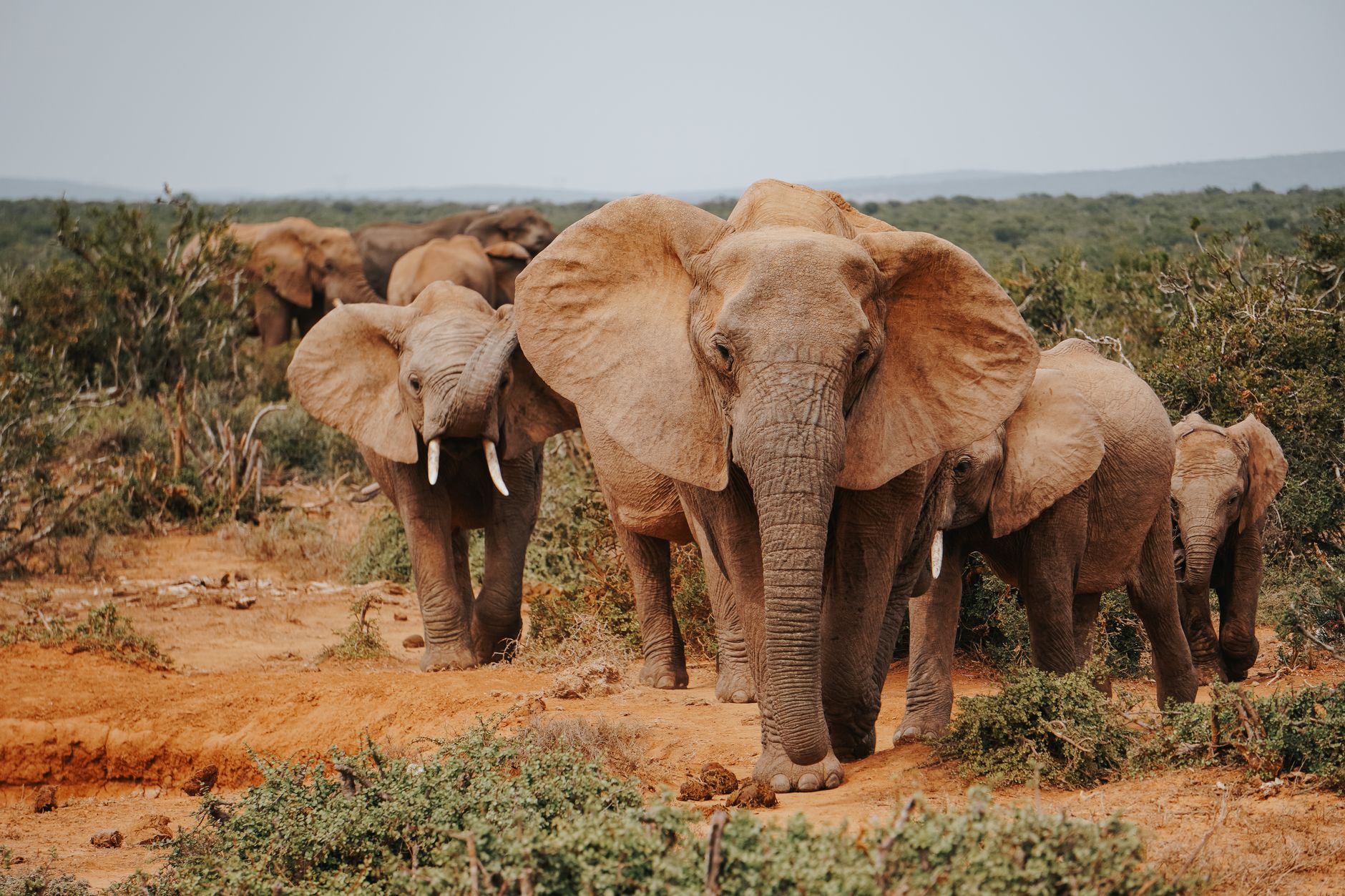
One of the primary reasons why you can’t ride on African elephants is their anatomy. African elephants have a significantly different skeletal structure compared to Asian elephants, which makes them unsuitable for carrying heavy loads.
- Spinal Structure: African elephants possess a spine that is not as strong or supportive as that of Asian elephants. The vertebrae are less tightly connected, making them more prone to injury under the weight of a rider or platform.
- Back Muscles: The muscles surrounding the African elephant’s spine are not designed for bearing constant, concentrated weight. These muscles are primarily used for locomotion and supporting the elephant’s own body weight. Adding the extra weight of a rider can cause severe strain and long-term damage.
- Protruding Vertebrae: Unlike Asian elephants, African elephants often have more prominent vertebral spines, making it uncomfortable and potentially harmful for both the elephant and the rider. Any form of saddle or harness would likely rub against these bony prominences, causing sores and infections.
Temperament: Untamed and Unpredictable
Beyond their physical limitations, the temperament of African elephants presents another significant obstacle to using them for riding. African elephants are generally considered to be more untamed and unpredictable than their Asian counterparts.
- Domestication Difficulties: Attempts to fully domesticate African elephants have largely failed. Their inherent wild nature makes them difficult to train and control, especially when compared to Asian elephants, which have a longer history of interaction with humans.
- Aggression: African elephants, especially bull elephants during musth (a period of heightened aggression and testosterone), can be highly aggressive and unpredictable. This poses a significant risk to anyone attempting to ride or control them.
- Social Structure: The complex social structure of African elephant herds also contributes to their unsuitability for riding. Removing an individual from its herd and attempting to force it into servitude can disrupt the social dynamics and cause significant stress to the animal.
The African vs. Asian Elephant Comparison
A key understanding to why you can’t ride on African elephants is in stark contrast to why Asian elephants can be (however, ethically questionable). The differences between African and Asian elephants are not merely cosmetic; they extend to their anatomy, behavior, and history of interaction with humans.
| Feature | African Elephant | Asian Elephant |
|---|---|---|
| Size | Generally larger | Generally smaller |
| Ears | Larger, fan-shaped | Smaller, more rounded |
| Tusk Presence | Both males and females (usually) | Males usually, some females |
| Back Shape | More concave | More convex |
| Domestication | Largely unsuccessful | Successful in some regions |
| Temperament | More wild and unpredictable | More docile and trainable |
Ethical Considerations: Elephant Welfare First
The ethical implications of using elephants for riding are significant and should not be overlooked. Regardless of the species, subjecting these intelligent and sensitive creatures to the demands of riding can have detrimental effects on their well-being.
- Physical Strain: Even with the best intentions, the weight of a rider and the equipment used can cause physical strain and long-term injuries to the elephant.
- Psychological Stress: The training process required to make an elephant compliant for riding can be stressful and even abusive. Depriving these social animals of their freedom and natural behaviors can lead to psychological distress.
- Conservation Concerns: Exploiting elephants for tourism or entertainment can contribute to the illegal capture and trade of these animals, further endangering already vulnerable populations. Conservation efforts focus on protecting elephants in their natural habitats, not domesticating and exploiting them.
Conclusion: Respecting Their Wild Nature
In conclusion, why you can’t ride on African elephants is a multifaceted issue stemming from their unique anatomy, challenging temperament, and critical ethical considerations. While the allure of riding these magnificent creatures might be tempting, it’s essential to prioritize their welfare and respect their wild nature. Understanding the reasons why you can’t ride these animals is vital for promoting responsible tourism and conservation efforts that prioritize their long-term survival and well-being.
Frequently Asked Questions (FAQs)
Why are Asian elephants sometimes used for riding, but African elephants are not?
Asian elephants have a different skeletal structure, are generally more docile, and have a longer history of domestication. However, it is increasingly recognized that even using Asian elephants for riding raises significant ethical concerns, and it’s not a practice to be promoted.
What are the common myths about riding elephants?
One common myth is that elephants are naturally suited for riding and enjoy it. In reality, elephants are forced into submission through training and suffer from the physical and psychological strain of carrying riders. It is crucial to dismantle this false narrative.
Are there any circumstances where riding African elephants might be acceptable?
No. Given their anatomical limitations, unpredictable temperament, and the ethical concerns surrounding their welfare, there are no acceptable circumstances for riding African elephants. It’s never worth the risk to their health and well-being.
What kind of physical harm can riding cause to an elephant’s back?
Riding can cause spinal injuries, muscle strain, and chronic pain. The elephant’s back is not designed to carry significant weight, and the pressure from a rider and equipment can damage their vertebrae and surrounding tissues. These injuries can significantly shorten an elephant’s lifespan.
What type of training methods are typically used to train elephants for riding?
Training methods often involve harsh techniques, including physical punishment, deprivation, and isolation. These methods are cruel and unethical and cause significant psychological distress to the animals.
How does riding elephants affect their social behavior and herd dynamics?
Removing an elephant from its herd disrupts its social bonds and can lead to isolation and depression. Elephants are highly social animals, and their well-being depends on their interactions with their herd.
What are the alternatives to riding elephants for tourism?
Ethical tourism options include observing elephants in their natural habitats, supporting sanctuaries that prioritize elephant welfare, and participating in conservation efforts. These alternatives allow tourists to appreciate elephants without causing them harm.
What can I do to support elephant conservation?
You can support elephant conservation by donating to reputable conservation organizations, advocating for stricter regulations against poaching and habitat destruction, and choosing ethical tourism options. Every action, no matter how small, can make a difference.
Is there any difference in how elephants are treated in different countries?
Yes, treatment varies significantly. Some countries have stricter regulations and greater awareness of elephant welfare, while others prioritize profit over animal well-being. It is important to research and support responsible tourism operators.
What are some signs that an elephant is being mistreated?
Signs of mistreatment include visible injuries, repetitive behaviors, signs of stress (such as rocking or swaying), and reluctance to interact with humans. These are all indicators that the elephant’s well-being is compromised.
Why is it important to educate others about the dangers of elephant riding?
Education is key to changing attitudes and behaviors. By raising awareness about the ethical and physical implications of elephant riding, we can reduce the demand for this harmful practice and promote more responsible and sustainable tourism.
What is the future of elephant tourism?
The future of elephant tourism should focus on ethical and sustainable practices that prioritize elephant welfare and conservation. This includes promoting responsible tourism, supporting sanctuaries, and educating visitors about the importance of respecting these magnificent animals. The future needs to prioritize conservation and allow the elephants to live their lives naturally and freely, rather than as a commodity. The future is conservation and respect.